
Research shows conclusively that overwork can be harmful to employees and humans at large, and yet it can be hard to find public examples of choices that support true balance, or guidance that puts health ahead of hustle. Relationships, too, are key to our wellbeing, but the nuances of how we negotiate interpersonal wrongdoing, dark moods, and other shadowy areas can set the stage for how clearly鈥攁nd honestly鈥攚e view ourselves and our closest human connections. Counterintuitively, an over-emphasis of optimism and self-help can leave us feeling ashamed, over-diagnosed and confused about how to traverse life鈥檚 complexities authentically. As we ask ourselves what supports our own individual goals, needs, and desires, here are some books with much to say about how we can care for our bodies and minds in everything from the media we consume, to the schedules we keep, and the relationships that sustain us.
There are many routes to mental well-being. In this groundbreaking book, neuroscientist Camilla Nord offers a fascinating tour of the scientific developments that are revolutionising the way we think about mental health, showing why and how events鈥攁nd treatments鈥攃an affect people in such different ways.
We live in a world oriented toward greatness, one in which we feel compelled to be among the wealthiest, most powerful, and most famous. This book explains why no one truly benefits from this competitive social order, and reveals how another way of life is possible鈥攁 good-enough life for all.
Experiencing grief at the death of a person we love or who matters to us鈥攁s universal as it is painful鈥攊s central to the human condition. Surprisingly, however, philosophers have rarely examined grief in any depth. In Grief, Michael Cholbi presents a groundbreaking philosophical exploration of this complex emotional event, offering valuable new insights about what grief is, whom we grieve, and how grief can ultimately lead us to a richer self-understanding and a fuller realization of our humanity.

David Hume (1711鈥�1776) is perhaps best known for his ideas about cause and effect and his criticisms of religion, but he is rarely thought of as a philosopher with practical wisdom to offer. Yet Hume鈥檚 philosophy is grounded in an honest assessment of nature鈥攈uman nature in particular. The Great Guide is an engaging and eye-opening account of how Hume鈥檚 thought should serve as the basis for a complete approach to life.
What do you want out of life? To make a lot of money鈥攐r work for justice? To run marathons鈥攐r sing in a choir? To have children鈥攐r travel the world? The things we care about in life鈥攆amily, friendship, leisure activities, work, our moral ideals鈥攐ften conflict, preventing us from doing what matters most to us. Even worse, we don鈥檛 always know what we really want, or how to define success. Blending personal stories, philosophy, and psychology, this insightful and entertaining book offers invaluable advice about living well by understanding your values and resolving the conflicts that frustrate their fulfillment.
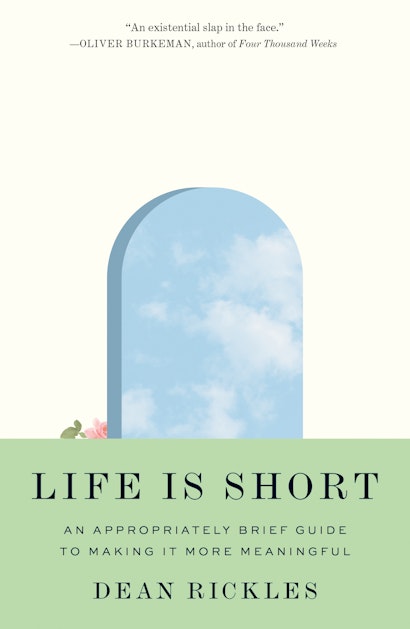
Death might seem to render pointless all our attempts to create a meaningful life. Doesn鈥檛 meaning require transcending death through an afterlife or in some other way? On the contrary, Dean Rickles argues, life without death would be like playing tennis without a net. Only constraints鈥攁nd death is the ultimate constraint鈥攎ake our actions meaningful. In Life Is Short, Rickles explains why the finiteness and shortness of life is the essence of its meaning鈥攁nd how this insight is the key to making the most of the time we do have.
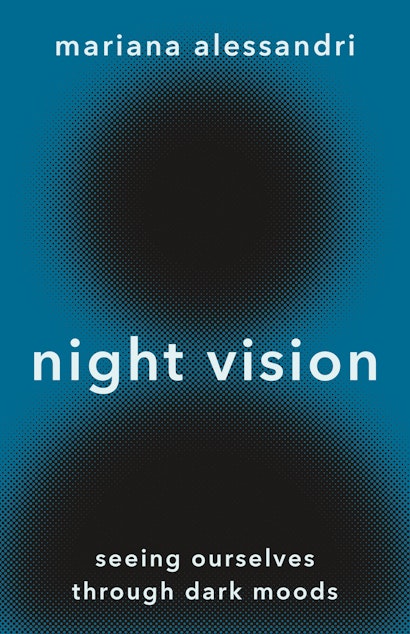
Under the light of ancient Western philosophies, our darker moods like grief, anguish, and depression can seem irrational. When viewed through the lens of modern psychology, they can even look like mental disorders. The self-help industry, determined to sell us the promise of a brighter future, can sometimes leave us feeling ashamed that we are not more grateful, happy, or optimistic. Night Vision invites us to consider a different approach to life, one in which we stop feeling bad about feeling bad.
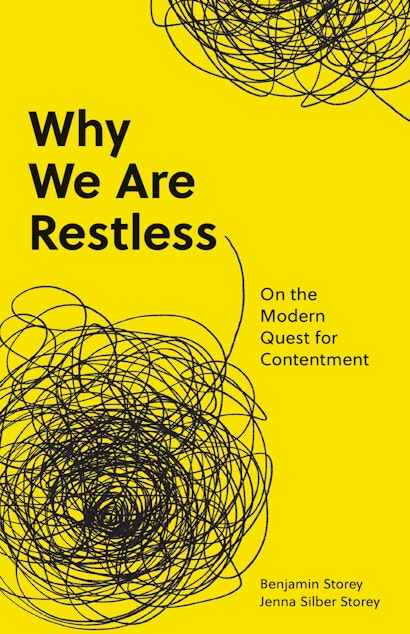
We live in an age of unprecedented prosperity, yet everywhere we see signs that our pursuit of happiness has proven fruitless. Dissatisfied, we seek change for the sake of change鈥攅ven if it means undermining the foundations of our common life. In Why We Are Restless, Benjamin and Jenna Storey offer a profound and beautiful reflection on the roots of this malaise and examine how we might begin to cure ourselves.
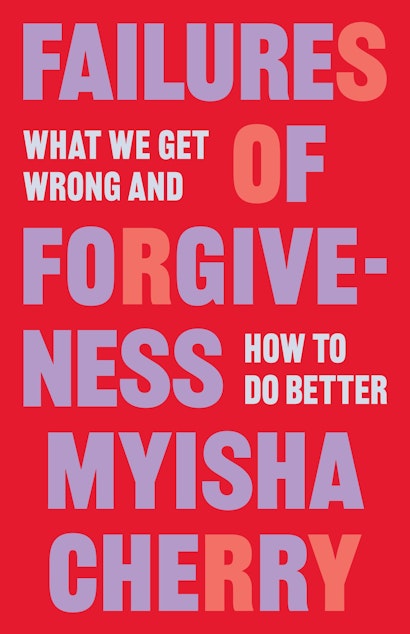
Sages from Cicero to Oprah have told us that forgiveness requires us to let go of negative emotions and that it has a unique power to heal our wounds. In Failures of Forgiveness, Myisha Cherry argues that these beliefs couldn鈥檛 be more wrong鈥攁nd that the ways we think about and use forgiveness, personally and as a society, can often do more harm than good. She presents a new and healthier understanding of forgiveness鈥攐ne that will give us a better chance to recover from wrongdoing and move toward 鈥渞adical repair.鈥�
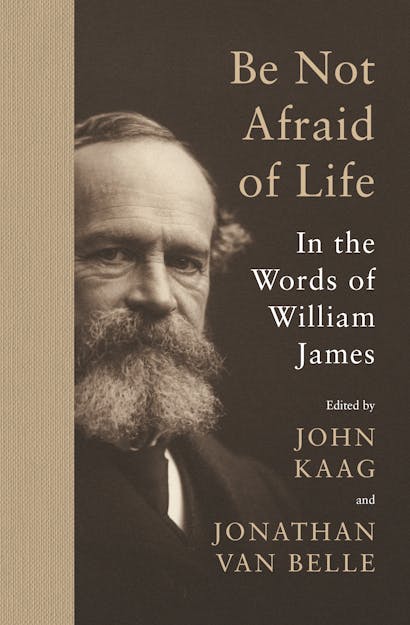
William James鈥攑sychologist, philosopher, and spiritual seeker鈥攊s one of those rare writers who can speak directly and powerfully to anyone about life鈥檚 meaning and worth, and whose ideas change not only how people think but how they live. The thinker who helped found the philosophy of pragmatism and inspire Alcoholics Anonymous, James famously asked, 鈥渋s life worth living?鈥� Bringing together many of his best and most popular essays, talks, and other writings, this anthology presents James鈥檚 answer to that and other existential questions, in his own unique manner鈥攃aring, humorous, eloquent, incisive, humble, and forever on the trail of the 鈥渆ver not quite.鈥�

In 1895, William James, the father of American philosophy, delivered a lecture entitled 鈥淚s Life Worth Living?鈥� It was no theoretical question for James, who had contemplated suicide during an existential crisis as a young man a quarter century earlier. Indeed, as John Kaag writes, 鈥淛ames鈥檚 entire philosophy, from beginning to end, was geared to save a life, his life鈥濃�攁nd that鈥檚 why it just might be able to save yours, too. Sick Souls, Healthy Minds is an absorbing introduction to James鈥檚 life and thought that shows why the founder of pragmatism and empirical psychology can still speak so directly and profoundly to anyone struggling to make a life worth living.
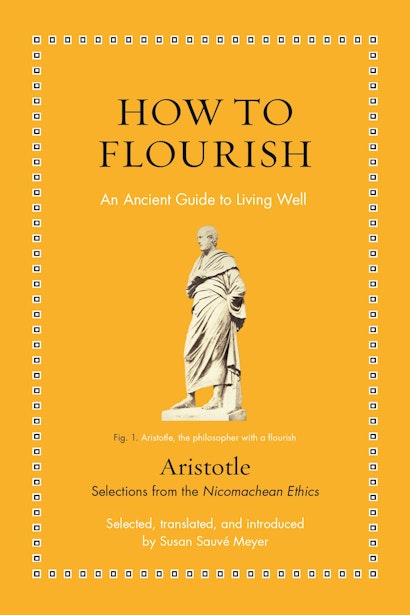
础谤颈蝉迟辞迟濒别鈥檚&苍产蝉辫;Nicomachean Ethics is one of the greatest guides to human flourishing ever written, but its length and style have left many readers languishing. How to Flourish is a carefully abridged version of the entire work in a highly readable and colloquial new translation by Susan Sauv茅 Meyer that makes Aristotle鈥檚 timeless insights about how to lead a good life more engaging and accessible than ever before.
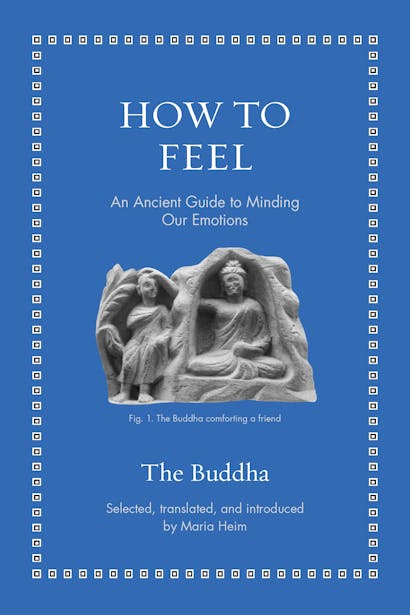
To feel is to suffer. But do we have to suffer as much as we do? Twenty-five-hundred years ago, the Buddha discovered that practices of mindfully observing our feelings and emotions can help us gain some distance from them. In How to Feel, Maria Heim provides new translations of essential early Buddhist teachings on mindfulness meditation and connects them to recent findings in psychology and neuroscience. A superb meditation manual and insightful exploration of psychology, the book also provides a brief introduction to Buddhism and features the original Pali-language texts on facing pages.
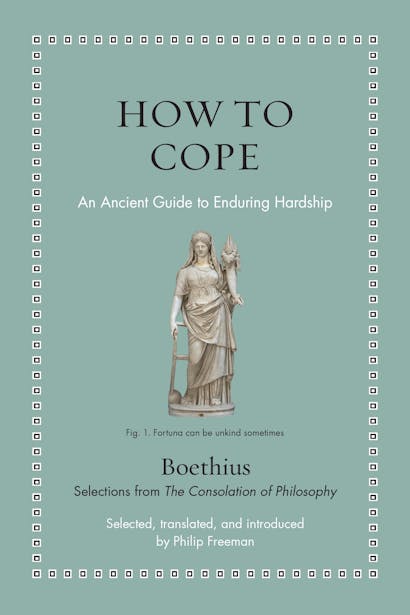
What do you do when your life has fallen apart? Fifteen hundred years ago, a Roman nobleman named Boethius (ca. 480鈥�524 CE) asked this question as he was sitting in a prison cell waiting to die, accused鈥攑robably unjustly鈥攐f treason. Boethius had been a rich and powerful man with all a person could want in life, but now he had lost everything. Shaken, he wondered how such terrible misfortune could have happened to him and why life was so unfair. When Philosophy herself appears in his cell and confronts Boethius, the conversation that follows between the two on the nature of evil and why humans suffer is as powerful and inspiring today as it was to its first readers. In How to Cope, Philip Freeman presents a lively modern translation of essential selections from Boethius鈥檚 classic, complete with an introduction and the original Latin on facing pages.