
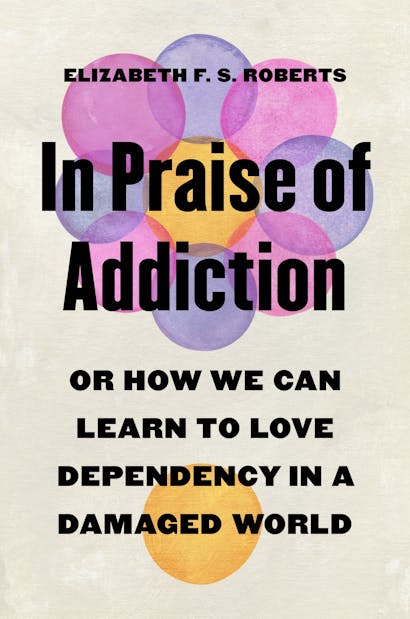
What if addiction could bind us together instead of tearing us apart?
In 2015, I moved into Dolores鈥檚 family鈥檚 compound during my anthropological fieldwork in working class neighborhoods in Mexico City. A few weeks later, in the early morning, Clemente, Dolores鈥檚 husband, knocked on my window calling out for a tequila or a beer. I was frozen in shock. I didn鈥檛 know what to do. When I managed to gather myself, I dashed from my house across the courtyard in my pajamas, dodging Clemente, and knocked on the door of his son鈥檚 house. Clemente and Dolores鈥檚 young granddaughter, Tati, opened it. In hushed urgency, I asked her to wake up her mother and tell her what was happening. Tati walked toward the back bedroom from where I heard Tati鈥檚 mother, sleepily direct Tati to get Clemente a drink. And then silence. She had fallen back asleep. Apparently, this was normal. With practiced ease, Tati opened a bottle of tequila, poured some in a glass, walked out into the courtyard, and gave it to her grandfather. As he drank it, they sat companionably on the embankment together, their legs both dangling down the side. When Clemente had finished, Tati took the glass from him and went back to her house.
Later that day, Dolores knocked on my door. I had the sense she had come to make sure I was okay in the wake of that morning鈥檚 events. She sat down at my table. 鈥淐lemente has a vice,鈥� she told me, as if that were explanation enough. I assured her I was fine. I told her many people in my family were alcoholics. Dolores closed her eyes, sighed slowly, and then opened them again.
鈥淵esterday when I got home, I was so drained and tired. We had some cuba libres鈥�, rum and Coke. 鈥淢y grandchildren, my daughter, we were so relaxed. I can鈥檛 live without alcohol, you know? We have our drinks. Our beers. Our cubas. But not him. There are good alcoholics who can live together, be convivial. Social! But Clemente has one drink. Then he drinks alone for fifteen days.鈥�
I nodded without absorbing much of what she had said. I just wanted to know what to do if Clemente came begging again.
鈥淲ell, if it happens again, give him a drink,鈥� she said simply.
I was stunned. How could Dolores suggest giving Clemente liquor, which he was so clearly addicted to, and which so clearly damaged him?
A few months later, I was with Renata, one of the women I spent the most time with during my fieldwork. We were in her family鈥檚 courtyard and Cristian, her teenage son, was telling me how he had just given up soda, after drinking two liters a day for years. I congratulated him and turned to Renata for affirmation. But instead of praising Cristian for his capacity to assert his willpower over his damaging addiction, Renata expounded, 鈥淓veryone is addicted to something. When you give up one addiction you must replace it with another.鈥� Renata was matter-of fact, as if this was something everyone knew.
To put it mildly, my neighbors in Mexico City seemed to have a different approach to addiction than what I brought with me from the United States. While shame and hopelessness were core to my family, friends, colleagues and my own dependencies on alcohol, drugs, food and shopping, I learned over time that my neighbors assumed everyone has uncontrollable compulsions and they celebrated most of them. For my neighbors, addictions were pleasurable, repetitive, compulsive devotions. These devotions were twofold鈥攂oth to the object or activity, and to the people with whom they shared that object or activity. In fact, addiction to substances in communion with others was a sign of social maturity.
Just like Delores, my neighbors used the word vice to describe compulsions that isolated people from others. They felt sorrow for those under the sway of vice and never cast them out. The same substance or activity could be either addiction or vice, depending on whether it was connective or isolating. Osvaldo, thin and hallucinating after inhaling activo (pipe glue solvent) on the corner by himself, was lost to vice, but the young men inhaling activo together on an all-night pilgrimage to St. Jude were addicted. With vice, the problem wasn鈥檛 dependency, it was isolation. Like Renata, my neighbors often sought to replace vices with addictions, to bring the vice-ridden back to the fold.
In the United States we remain convinced that addiction is inherently pathological and debate the relative addictiveness of various substances. What鈥檚 more addictive? Fentanyl or alcohol? Alcohol or gambling? Gambling or shopping? Instead of trying to solve the riddle of addiction, like we do in the US, asking Why am I an addict? Is this drug addictive? my neighbors in Mexico City asked about circumstance: Together or alone? Addiction or vice?
My efforts to understand more about why and how my neighbors and I experienced addiction so differently took me on a deep dive into philosophies of the self, addiction medicine and the history of our never-ending drug wars. During my research, I learned that when the word addiction moved from Latin to English in the sixteenth century, through biblical translation, it also signified devotion. Addiction meant losing oneself, on purpose, to God through doggedly steadfast biblical scholarship almost to the point of madness, or to one鈥檚 comrades in arms through orgiastic communal drinking and brawling. While addiction wasn鈥檛 necessarily benign, it was most often an exalted state.
In the United States, a predominantly Protestant nation, which preaches individuality, we suspect dependency of any kind. While my neighbors in Mexico City embraced dependency as key to survival, in the United States, we are profoundly uncomfortable feeling dependent on anything or anyone. This discomfort is ever-present in how we define addiction. Over the last 100 years, researchers have classified addiction as a metabolic disorder, a chemical imbalance, a brain pathology, a genetic propensity, but the common throughline is an overarching fear of dependency. Addiction is a 鈥渞iddle,鈥� a surprise, a malfunction, in how people ought to be.
Of course, most of us have experienced the devastating harm wrought by addiction. Addiction can bring chaos, illness, and injury for addicts, and heartbreak for the loved ones. Nearly everyone I know lives with the wreckage of damaging dependencies on drugs or alcohol, from parents missing their kid鈥檚 soccer games to domestic violence to death by overdose. The shattering loss of loved ones to addiction never dissipates. Not despite, but precisely because of this damage, I want to encourage deeper reflection on addiction.
My hope is that sharing what I learned from my neighbors in Mexico City, who praise addiction and expect vice, we can undertake a more profound examination of our deeply rooted fears of dependency as weakness and vulnerability鈥攆ears that continue to provide cover for the Drug Wars that have incarcerated and killed millions of people. What if we didn鈥檛 shame others and ourselves for our dependencies? And, instead of trying to banish it, might we embrace addiction as a binding force, profoundly worthy of our devotion?
Elizabeth F. S. Roberts is professor of anthropology at the University of Michigan and the author of God鈥檚 Laboratory: Assisted Reproduction in the Andes. Since 2013, she has participated in collaborative environmental health research in Mexico City.