
First proposed by Black educators and the Black United Students at Kent State University in 1969, Black History Month, celebrated annually in February in the US, is an opportunity to celebrate Black voices, achievements, and to reflect on the central role of African Americans throughout US history. 快色直播 is proud to publish books that engage with serious issues and ideas relating to Black experiences.
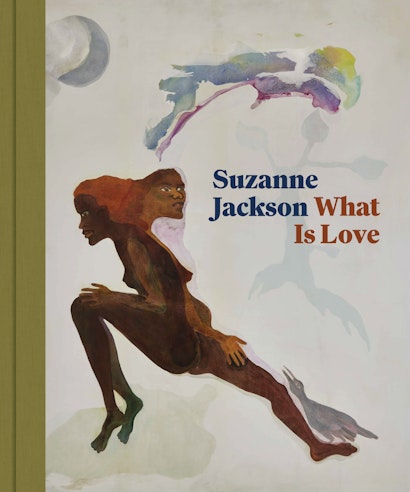
First and foremost a painter, Suzanne Jackson has worked for six decades in a dizzying array of genres, including drawing, printmaking, poetry, dance, and theater design. Suzanne Jackson: What Is Love reveals Jackson鈥檚 achievements as a leading and influential artist who has been in dialogue with her contemporaries, from Betye Saar and Emory Douglas to Senga Nengudi and Mary Lovelace O鈥橬eal.
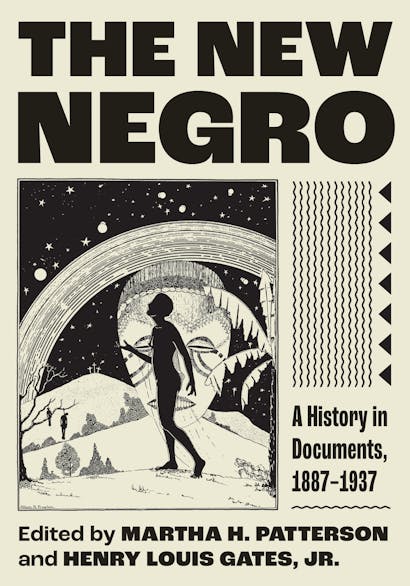
This book brings together a wealth of readings on the metaphor of the 鈥淣ew Negro,鈥� charting how generations of thinkers debated its meaning and seized on its potency to stake out an astonishingly broad and sometimes contradictory range of ideological positions. It features dozens of newly unearthed pieces by major figures such as W. E. B. Du Bois, Charles S. Johnson, and Drusilla Dunjee Houston as well as writings from Cuba, the US Virgin Islands, Dominica, France, Sierra Leone, South Africa, colonial Zimbabwe, and the United States.
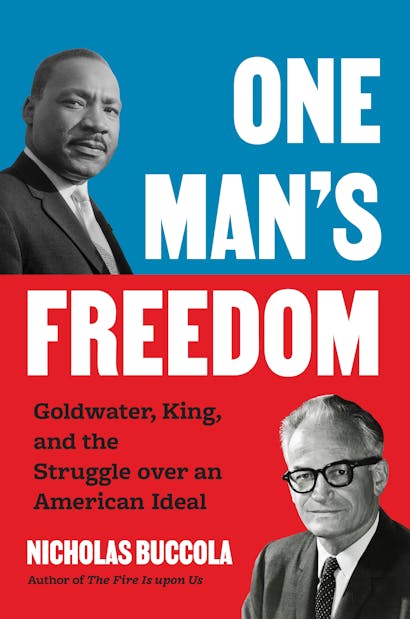
In the mid-1950s, Barry Goldwater and Martin Luther King Jr. emerged as the leaders of two diametrically opposed freedom movements that changed the course of American history鈥攁nd still divide American politics. King mobilized civil rights activists under the banner of 鈥渇reedom now,鈥� insisting that true freedom would not be realized until all people鈥攔egardless of race鈥攚ere empowered politically, economically, and socially. Goldwater rallied conservatives to the cause of 鈥渆xtremism in defense of liberty,鈥� advocating radical individualism. In One Man鈥檚 Freedom, Nicholas Buccola tells the compelling story of Goldwater and King鈥檚 dramatic decade-long debate over the meaning of an all-important American ideal.
When #BlackLivesMatter emerged in 2013, it animated the most consequential Black-led mobilization since the civil rights and Black power era. Today, the hashtag turned rallying cry is but one expression of a radical reorientation toward Black politics, protest, and political thought. To Build a Black Future examines the spirit and significance of this insurgency, offering a revelatory account of a new political culture鈥攔esponsive to pain, suffused with joy, and premised on care鈥攅merging from the centuries-long arc of Black rebellion, a tradition that traces back to the Black slave.
In Impermanent Blackness, Korey Garibaldi explores interracial collaborations in American commercial publishing鈥攁uthors, agents, and publishers who forged partnerships across racial lines鈥攆rom the 1910s to the 1960s. Garibaldi shows how aspiring and established Black authors and editors worked closely with white interlocutors to achieve publishing success, often challenging stereotypes and advancing racial pluralism in the process.
Could the African American political tradition save American democracy? African Americans have had every reason to reject America鈥檚 democratic experiment. Yet African American activists, intellectuals, and artists who have sought to transform the United States into a racially just society have put forward some of the most original and powerful ideas about how to make America live up to its democratic ideals. In The Darkened Light of Faith, Melvin Rogers provides a bold new account of African American political thought through the works and lives of individuals who built this vital tradition鈥攁 tradition that is urgently needed today.
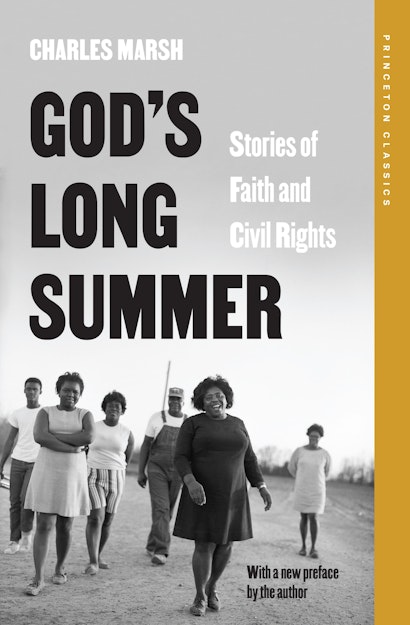
In the summer of 1964, the turmoil of the civil rights movement reached its peak in Mississippi, with activists across the political spectrum claiming that God was on their side in the struggle over racial justice. This was the summer when violence against blacks increased at an alarming rate and when the murder of three civil rights workers in Mississippi resulted in national media attention. Charles Marsh takes us back to this place and time, when the lives of activists on all sides of the civil rights issue converged and their images of God clashed. He weaves their voices into a gripping narrative. Through these emotionally charged stories, Marsh invites us to consider the civil rights movement anew, in terms of religion as a powerful yet protean force driving social action.
In the post鈥揷ivil rights era, wide-ranging groups have made civil rights claims that echo those made by Black civil rights activists of the 1960s, from people with disabilities to women鈥檚 rights activists and LGBTQ coalitions. Increasingly since the 1980s, white, right-wing social movements, from family values coalitions to the alt-right, now claim the collective memory of civil rights to portray themselves as the newly oppressed minorities.The Struggle for the People鈥檚 King reveals how, as these powerful groups remake collective memory toward competing political ends, they generate offshoots of remembrance that distort history and threaten the very foundations of multicultural democracy.
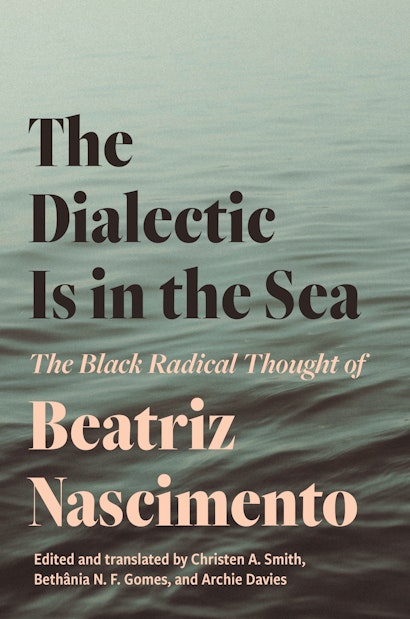
Beatriz Nascimento (1942鈥�1995) was a poet, historian, artist, and political leader in Brazil鈥檚 Black movement, an innovative and creative thinker whose work offers a radical reimagining of gender, space, politics, and spirituality around the Atlantic and across the Black diaspora. Her powerful voice still resonates today, reflecting a deep commitment to political organizing, revisionist historiography, and the lived experience of Black women. The Dialectic Is in the Sea is the first English-language collection of writings by this vitally important figure in the global tradition of Black radical thought.
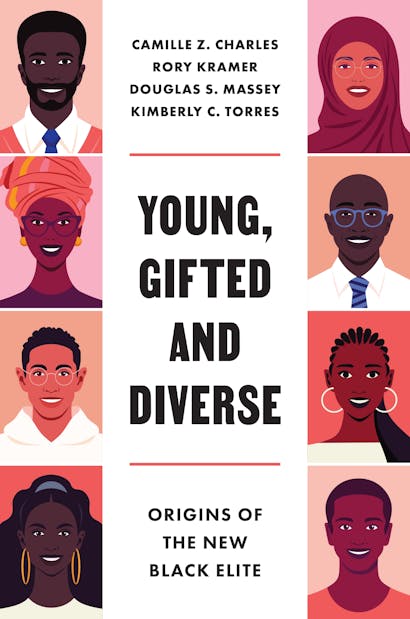
Despite their diversity, Black Americans have long been studied as a uniformly disadvantaged group. Drawing from a representative sample of over a thousand Black students and in-depth interviews and focus groups with over one hundred more, Young, Gifted and Diverse highlights diversity among the new educated Black elite鈥攖hose graduating from America鈥檚 selective colleges and universities in the early twenty-first century.