
鈥淕et creative with the truth, or lose the war on medical science.鈥�
I had decided to bin that headline.
Yes, these are desperate times. Doublespeak dominates politics. Institutions that safeguard the truth are under siege. A firestorm of disinformation rages. Distrust of medical science thrives in the ashes. But 鈥渃reative with the truth?鈥� That was crossing the line. Deep into the enemy鈥檚 playbook. Why brand myself a traitor before I鈥檇 begun? So, I hit 鈥渄elete鈥� and took a less conspicuous tack.
The next morning鈥檚 news featured results of a presented at the American Society of Clinical Oncology 2025 annual meeting. Almost 60 percent of cancer survivors felt that experts鈥� health recommendations were conflicting or contradictory. Only about 50 percent said they trusted scientists about cancer information, while 5 percent had no faith in them.
鈥淲e鈥檙e losing the battle for communication,鈥� was the study co-author鈥檚 . 鈥淲e need to regain that battlefield.鈥�
Emboldened, I reinstated the headline. Because, to have any hope of regaining the initiative, we must fight like the enemy. Traditional weapons alone鈥�facts, rational argument, data鈥�won鈥檛 cut it. A proportionate response, featuring persuasive communication tools, such as creative storytelling, appeals to hearts and minds, and personal experiences is needed. Otherwise, medics will be bringing scientific papers to a knife fight.
Blood boils before paper spontaneously ignites.
Blood bubbles and vaporises at just above 100掳C. Paper catches fire at more than double that: about 233掳颁. Likewise, anger among those defending science against attack precedes the burning of their books. It seems that we鈥檝e passed the point of blood boiling, as per editorials in the Lancet medical journal, responding to the campaign against medical science:
鈥淭he past 3 weeks have generated much anger, fear, and sorrow鈥攂ut it is no time for panic.鈥�&苍产蝉辫; 鈥淪cience and medicine in the USA are being violently dismembered while the world watches.鈥�&苍产蝉辫;
But we鈥檙e not at 233掳颁, or, to use the more pertinent units, 451掳F. We鈥檙e not living the dystopia of Ray Bradbury鈥檚 1953 novel Fahrenheit 451, in which the state burns books as a means of quashing intellectual freedom.
Though the US is surely not far off, following the Health Secretary鈥檚 recent claim that the world’s top medical research journals are corrupt, and that government scientists could be banned from publishing in them. Instead, scientists would find refuge in new, state-run publications which would become 鈥�the preeminent journals, because if you get [National Institutes of Health] funding, it is anointing you as a good, legitimate scientist.鈥�
Given the choice between the New England Journal of Medicine (NEJM)鈥�read in print and online by more than a people each week鈥攖o break the news, or the New State-Run Journal of Medicine to break the news (and the spirit of the scientists who make it), I know which I鈥檇 plump for.
To mix my dystopias, we find ourselves in a brave new Orwellian, sorry Bradbury-ian, world. Fahrenheit 451 being particularly prescient. In the , a dumbed-down populace, dependent on instant gratification from shallow entertainment via screens, creates fertile ground for state censorship.
In today鈥檚 fractious landscape, politicians redefine reality in their own image; tech bros move fast and break things; trolls and conspiracy theorists create chaos; algorithms curate echo chambers to reinforce our biases; claims go unchecked, so lies spread unchecked; while clickbait monetizes the fallout.
It鈥檚 a jingle out there. And truth doesn鈥檛 stand an earthly chance. If persuasion is opening a lock on beliefs, lies are keys cut to fit. Truth has no vested interest in being simple, satisfying, sensational, emotive or seductive, so disadvantaging its champions.
鈥淪upporters of childhood immunization were less involved in communication, feeling less passionate,鈥� says a on the social media 鈥淚nfodemic鈥� of health-related misinformation.
And lies can be more virulent than truth. A of news stories spread via Twitter (now X) during 2006鈥�2017 found 鈥渇alsehood diffused significantly farther, faster, deeper, and more broadly than the truth.鈥� If you want veracity, Twitter is for the birds.
Plus, emotive stories can be more alluring than rational facts. A Facebook to increase human papillomavirus vaccination coverage among Danish girls used posts that were either 鈥渉ead鈥� (fact-based) or 鈥渉eart鈥� (featuring personal stories). The latter generated higher engagement rates and more positive dialogue.
Facts can also be surprisingly impotent when addressing falsehoods.
US showed that among some groups, correcting false information about a hot health topic actually strengthened belief in the falsehood. In another , people who were very concerned about the flu vaccine鈥檚 side effects said they were less likely to get the shot following supposedly reassuring education.
We can also blame the messenger for facts鈥� inadequacy. Almost half of Americans (47 percent) believe that research scientists (not specifically medical) feel superior to others, according to October, 2024 . Roughly the same proportion said 鈥渟ocially awkward鈥� described most scientists well. Only 45 percent thought they were good communicators.
In short, the heat is on medical science. And relying on cold, hard facts, delivered by stolid professorial types quoting the NEJM, if it still exists, won鈥檛 extinguish the flames. It may fan them.
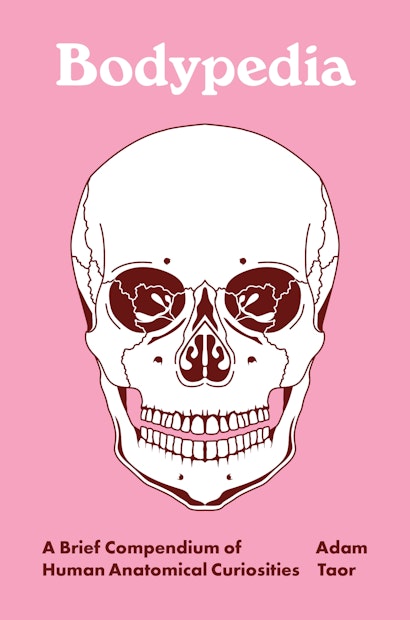
I wasn鈥檛 surprised when the manuscript of my book鈥�Bodypedia. A Brief Compendium of Human Anatomical Curiosities鈥攚as described as 鈥渟lightly flippant.鈥� 快色直播 had sent it to expert readers, more learned and eminent than I, to gauge their opinion on suitability for publication. And while I鈥檓 not exactly sure what 鈥渟lightly flippant鈥� meant鈥�(Slightly disrespectful? Slightly unserious? Slightly all of the above?)鈥擨 felt it was revealing.
Bodypedia is for the general reader, including those not usually inclined to pick up a book from such an esteemed publisher, and aims to stimulate interest in anatomy and its stories. A laudable goal, given the public鈥檚 , and the potential harms associated with .
So, just who, or what, was I slightly disrespecting? And does that matter? Because, in my view, those most deserving of respect here are the prospective readers. Bodypedia is crammed with educational information. It imparts this by way of stories, creatively told. Sometimes obscure, often highly technical detail is communicated in unapologetically entertaining ways, as the preface explains:
鈥溾�楿napologetically,鈥� because of the not-so-uncommon criticism that a creative, entertaining medium obscures the factual message. I disagree. To suppose that facts alone are necessarily enough is to disrespect you, the reader, in my opinion.鈥�
The language of medicine is self-serving.
The research publication world is a bubble: just of readers of clinical medicine journal articles work outside of universities.
Traditional ways of communicating science to the public don鈥檛 necessarily work.
Clearly, the assaults on medical science require change.
We need more activism, less elitism. More selling of ideas, less telling from on high. More emotional values, fewer statistical P values. More creativity, less gravity.
You could say 鈥淢edicine needs more doctors 鈥� spin doctors.鈥� But that might be flippant. A headline too far.
Adam Taor is an author, journalist, and codirector of emotivate, a health care advertising agency in Sydney, Australia. He is the author of There鈥檚 a Worm on My Eyeball!