
Community ecology, to which many university presses have contributed books and journal articles, teaches us much about the organization and functioning of communities. A community is an assemblage of interacting populations of species in a particular area or habitat. As species interact, they form communities, and the complexity of relationships exemplify biodiversity. The relationships are also reciprocal, and evolve over time.
I have long experienced the community ecology of university press publishing, and revelled in its evolution. At our best, we as publishers are species that thrive on reciprocity, and whose resilience relies on the healthy flow of nutrients and interconnectedness.
Within the natural world, there are very clear signals about what is entailed to maintain community wellbeing, and what nutrients are necessary for resilience. Ecological communities collapse when there is imbalance, or inequities of resources. Building community is working with intention to piece together connections, to generate a flow of nutrients, and to steward that interconnectedness and protect the future—this I believe is essential for each of us as individuals, and for us as publishers, and for us as a publishing community.
In publishing, that community and connectedness starts with the people. And it would end without the people—something for us all to consider and act on more intentionally in the age of AI and the fracturing of the world around us. My gratitude is to the people of publishing, for it’s where the inspiration—one vital nutrient—originates. The people in publishing give us the ability to adapt and evolve, to generate a stronger, more resilient, and more inclusive community.
To practice intentionality of connection, I ask you as a reader to take a few moments to reflect on the connections you have had today—a Zoom meeting, a series of emails perhaps with authors or reviewers, an encounter with a colleague on Teams or in a quiet hallway of a mildly inhabited office. Write down or audio record a list of these interactions and the intention of each of them. What do you know about each of these individuals? What would you like to know more about if you had the time? Think about the humanity of each of them, and what connects you to them?
I ask this of you as readers to remind you that building community takes time, and takes focus. Time and focus are essential resources, essential nutrients, that are challenged every day by the industry in which we work, and the world we inhabit. We have adapted to a dynamic world of reading and publishing that rivals the Cambrian Explosion in terms of activity. And our adaptive needs are far from stasis.
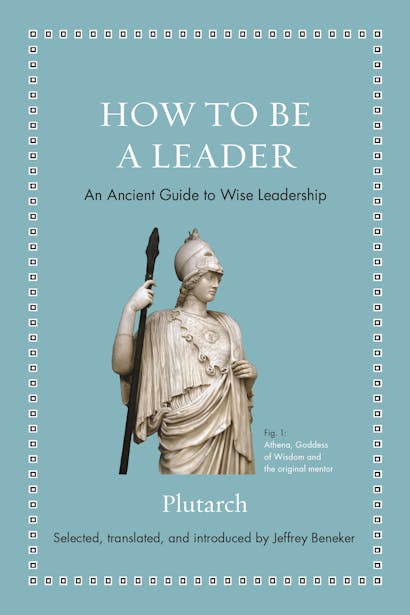
“¿ìɫֱ²¥ delight to the very marrow of one’s bones. They speak to us, consult with us, and join with us in a living and intense intimacy.”
Plutarch, quoted from “How to Be a Leader”
While people are key to our community, so too are books. It’s reassuring to think about how long books, and reading, have brought communities together. In the 5th century BCE, Herodotus used the platform of the Olympics to read his latest works. Authors’ readings were a social convention in Rome as early as the first century CE. During the pandemic, 35% of the world increased their reading habits. And today, from book clubs to Book Tok, people have continued to turn to books as an antidote to isolation and a way to build community. In May of 2024, The Atlantic published an enlightening essay by Alexandra Moe entitled . She writes: ‘People have intuitively understood reading’s benefits for thousands of years, but the ancients read differently than we do today. Until approximately the 10th century, reading was synonymous with reading aloud. Sharing words to entertain, educate and to connect’.
Words and reading are both essential nutrients and gifts. The world relies on us to continue to provide these nutrients as publishers (nutrients that are of the highest quality that is, like the inscription on the earliest library in Egypt, the Ramesseum, which read ‘the House of Healing for the Soul’). In creating these houses, and reading souls, we also create our own communities.
Each press is its own community, and knowing how essential community is to resilience, I have found myself wondering often why this isn’t an area of greater transparency and responsibility among us. How often do you encounter ‘community building’ as a key skill in publishing leader job descriptions? I prompted Claude and Microsoft CoPilot to help me search for Publishing CEO and Director roles with community mentioned as a skill or core focus. No hallucinating, there were no results. Co-Pilot’s summary told me that ‘fostering a sense of community can enhance the impact of your work’. And it even added the books emoji to end the comment: it appears AI may occasionally know its audience.
I would posit that leading a team is not interchangeable with leading a community—but it can be. One comes with the title, the other needs to be built, and ideally with that team being a part of it. What if, as a community, we start to prioritize community building as a key skill in leadership? And as a key component of a job description? The actions are already implicit: advocacy and engagement. But in the interest of transparency and accountability, I believe there is more that we as a community can do to signal what we need from wise leaders.
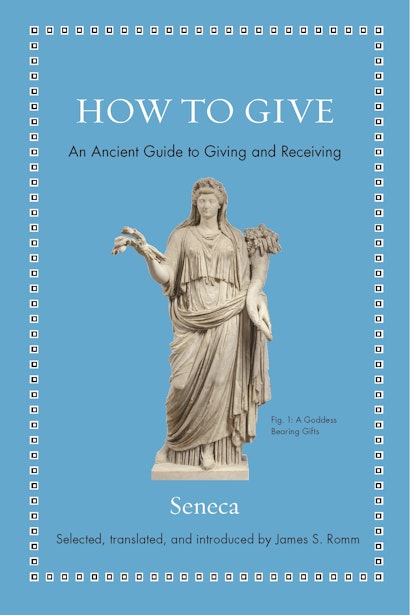
“The first thing that philosophy promises is a sense of community, that is, humanity and society.”
Seneca, quoted from “How to Give”
The formation of the first communities was a major turning point in humanity’s development; the Neolithic Revolution changed humanity forever. The roots of civilization were planted along with the first crops of wheat and barley, and nearly everything that came afterward—including organized religion, writing, cities, social inequality, population explosions, traffic jams, mobile phones, the Internet, AI—has roots in the moment people decided to live together in communities. Communities are key to our modern humanity. They are the primary way in which we achieve social connectedness, which creates a sense of belonging, and being cared for, valued, seen and supported. And communities are about giving and receiving. What is gifted and received takes a multitude of forms. It might be support, strength, learning, and care; or inspiration and celebration. No matter the nutrient, human and publishing communities are both built on exchange, just as ecological communities are.
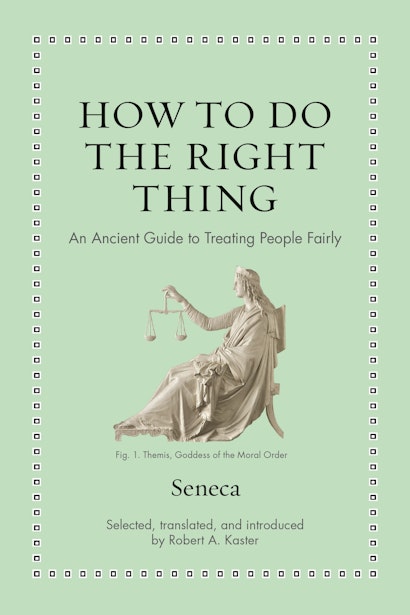
“Associate with people who are likely to improve you.”
Seneca, quoted from “How to Do the Right Thing”
Communities have an ancient history, and building them entails adaptive evolution, especially so in hybrid times. There are also life universals to community building. We start with kindness, and focus on quality, and humility. We need to make time for it, as I have already noted. As publishers, what can ‘doing the right thing’ be? What matters? It can be a REDUX conference, where we are sharing with each other. It can be mentoring programs, employee resource groups, or equity, inclusion and belonging programs. An example of an act of community kindness at ¿ìɫֱ²¥ was the creation of ‘Caring for Colleagues’, a program in which any staff member can recommend a small collective ‘thinking of you gift’ during hard times—some tea, or chocolate, or a friendship plant. It’s been one of our most engaged community building committee creations—and yes, starting a community building committee is another potential way to do the right thing.
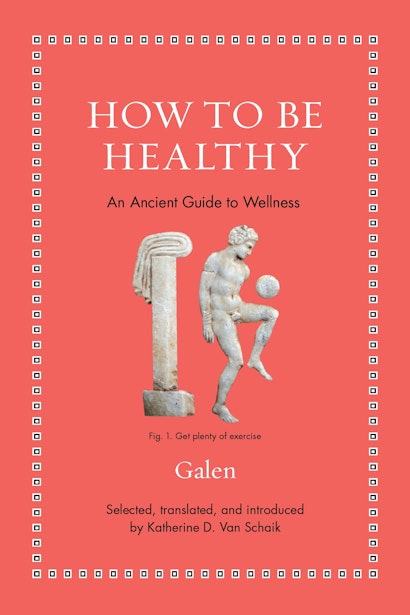
“Confidence and hope do more good than physic.”
Galen, quoted from “How to Be Healthy”
Galen survived the plague, but in his writing we learn his greatest distress was the burning of his library, and the loss of books. We can use books to build communities as the ancients did—in fact they provide vital nourishment for our communities. Book clubs of all types have been community builders, and particularly empowering for women and critical to women’s literacy. Consider book clubs with your own publications, across a few university presses, or all-staff reads of forthcoming books, or with libraries and local bookstores and schools. At ¿ìɫֱ²¥ we have found that banned book readings have a particular appeal and necessity, and even inspired the kids of PUP on bring kids to work day: Harry Potter and A Wrinkle in Time were favourites. On the same day we serve donuts, and one amazing intern baked book puff pastries, with on-brand orange sprinkles. Eating together nourishes community. We have in hybrid times introduced regional team dinners, and social improv sessions that include nothing more than a few bags of crisps and tipples, but leave us socially sated. Potlucks are also a chance to learn more about each other’s food likes and heritages. We also started a series of themed chats during the pandemic—cooking was one of the first, then came gardening, music appreciation, and community service. We have staff maintaining hiking trails, serving food for the houseless in our communities, volunteering time to advise other publishers, assembling women’s health kits, student backpack kits, and more. This comes back to that theme of creating time, and creating hope, another thing done more easily by community.
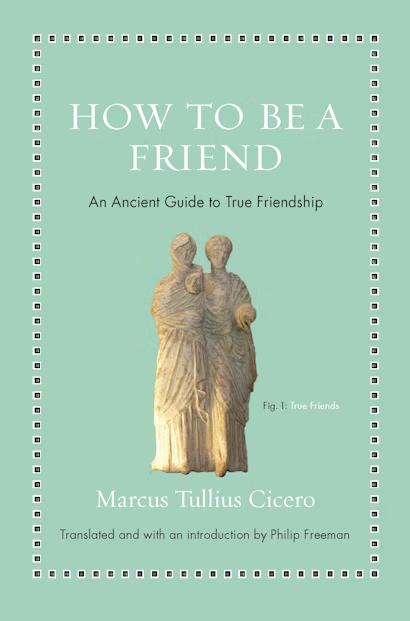
“Suppose a god carried you far away to a place where you were granted an abundance of every material good nature could wish for, but denied the possibility of ever seeing a human being. Wouldn’t you have to be as hard as iron to endure that sort of life? Wouldn’t you, utterly alone, lose every capacity for joy and pleasure?”
Cicero, quoted from “How to Be a Friend”
We have come through some years of incredible loneliness, and reminders of the basic, life need of true friendship. So many of us enter academic publishing because of a commitment to the community good. But also for the joy and pleasure. And this is what the community can offer us at its best. But it is also particularly challenged in hybrid times. How do we make sure we really see each other in meaningful ways? While we can have work connections, we need opportunities to nurture and expand communities. Some recent examples include a gathering of the Society for Young Publishers at the PUP Oxford office, an early career exchange program PUP and Edinburgh UP launched in 2023, mentoring programs across publishers, regional press gatherings to make new friends and new connections. We have necessarily quieted some of the Zoom social gatherings that sustained us for a few years, but have continued Zoom chats, optional Zoom ‘ask us anything’ hangouts with the leadership team, and Zoom Thirsty Thursdays/Wisdom Wednesdays/Tuesday Tipples with authors. For those running hybrid organizations, the guidance for equity has been to think about remote first. And remember that as Cicero knew, utterly alone, we lose capacity, so it’s incumbent upon us to build new communities in hybrid times.
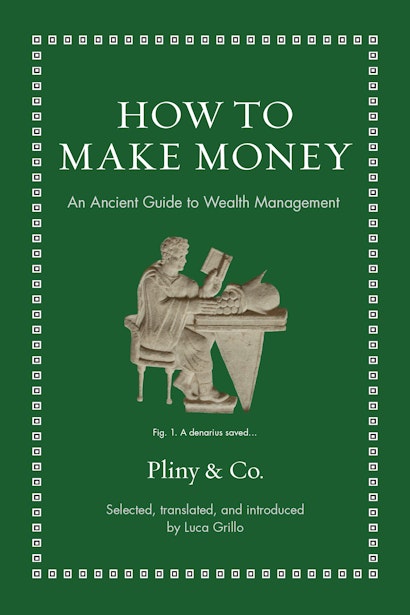
“As land is improved by sowing it with various seeds, so the mind is exercising it with different studies.”
Pliny, quoted from “How to Make Money”
Community can also help us in our endeavors toward fiscal sustainability and solvency. It’s important to see time invested in community engagement and belonging as core to our business mission, not as a distraction from it. Countless studies of staff engagement evidence this: . A recent article reported 40% of workers today feel isolated at work, and we know belonging is essential to humans. Psychologists rank our need to belong on par with our need for love. Because the need to belong is universal and fundamental, focusing on it has the power to draw in the whole of our workforce. And this ultimate, while not the end goal, helps us create not only cultures of belonging, but sustainable businesses, I’d posit even to make money.
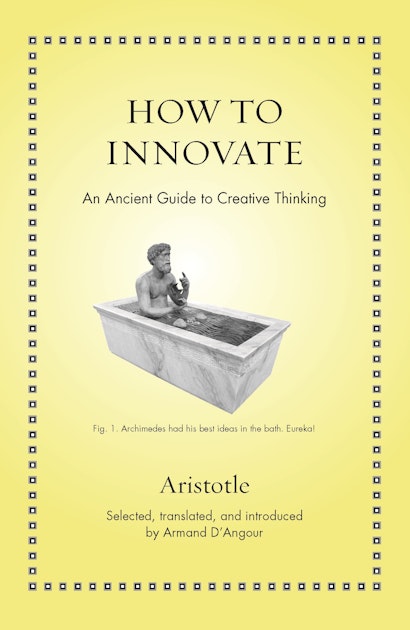
“Community, which is the highest of all, and which embraces the rest, aims at good in a greater degree than other, and at the highest good.”
Aristotle, quoted from “How to Innovate”
Collaborative workplaces tend to be more productive and achieve more complex goals, which can increase performance metrics such as productivity or customer satisfaction. According to a , among employees who actively collaborate in the workplace, 73% do better work, and 60% are more innovative.
This substantial increase in innovation can be attributed to the power collaboration has to reduce burnout, lower stress, and increase positive feelings toward the task. I imagine we share universal hopes to reduce burnout and lower stress and increase positive feelings. When we create these spaces and communities, publishing thrives. We can see that within presses, for example where employee resource groups have prompted experimentation with four-day work weeks, or early career ERGS help us innovate ways to develop the next generation of managers in publishing. On a lighter innovation note, one of my favourites was bringing the PUP team together to design the ideal tote bag—you’d be amazed how much expertise (and differing opinions!) we carry of and around totes, from handle length to zippers or not, to square or rounded, to optimal carrying capacity. We made a better tote—silly perhaps, but that tote has circled the world, and engaged many communities. As collectives, publishers are incredible at innovating. Far less silly than totes, just think of the recent sustainability and accessibility charters that collectively engage and inspire and hold us accountable as communities, and of the AUPresses data and demographics tools, and the C4Disc toolkits series that have been foundational to anti-racism for organizations and allies. Summer 2024 saw the release of the C4Disc toolkit for Journal Editors and Publishers: Building Diversity, Equity, Inclusion and Accessibility in Editorial Roles and Peer Review. At PUP, we have embraced new communities that in turn help us innovate our business: some examples include audio narrators and producers, book proposal coaches in our Supportive Diverse Voices Grants, Latin American communities through a new collaboration with Editorial Plañeta launched in Puerto Rico, collaborations with our local library and independent bookstore. We are working with Glassboxx to help us create stronger direct communities with PUP readers, including authors, who have embraced our website sales, and to whom I send written gratitude notes to reinforce community support. Every book and journal is an innovation, and as a community, scholarly publishers aim at good in a greater degree, just as Aristotle noted of the highest communities.
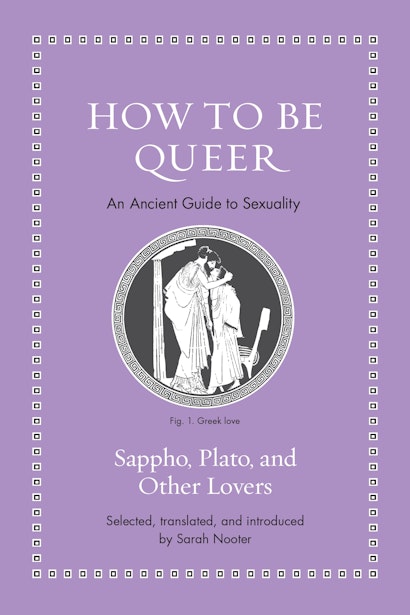
“From all of the offspring of the earth and heaven love is the most precious.”
Sappho, quoted from “How to Be Queer”
As we build communities, their strength is in their openness, and the spirit of belonging they create. Communities that are exclusive often lack the necessary love. We know the community of belonging in publishing still needs work. I wish I could say this ethos of equity and belonging was embedded in our most ancient publishing selves. But it was not. So now as we build community, we need to focus on openness, on belonging, and on that community love. I want to give a particular shout out to the ALPSP EDI, EvenUP, AUPresses EJIB and to the LGBTQIA+ Cross Publisher collective, which has been a source of much happiness and learning. Gatherings like REDUX and the AUPresses annual meeting are opportunities to learn about how inclusive communities are being formed in publishing, both our teams and our imprints. Bloomsbury’s Mentorship Programme is an inspiring example for underrepresented writers. So too is MIT Press’s Grant Program for Diverse Voices. ¿ìɫֱ²¥ is cosponsoring this summer a writing and wellness retreat for underrepresented authors which will include coaching by our HR Director and proposal workshops by a coaching partner in our Supporting Diverse Voices Book Proposal Grants. Our local and regional communities also provide opportunities for us to be a part of something larger. PUP joined ¿ìɫֱ²¥ Pride Day for the first time in 2023 and embraced the chance to participate in Oxford Pride Day in June of 2024. Open communities foster open minds and communities of belonging, which are also communities of affirmation and resilience.
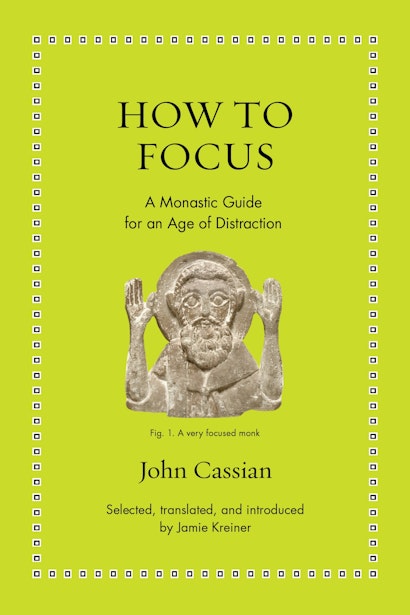
“The bond between friends cannot be broken by chance. No interval of time of space can destroy it”
John Cassian, quoted from “How to Focus”
No intervals of time and space can destroy great communities I believe, even knowing we have published actively on the collapse of civilizations. But it is profoundly challenging to find focused time, for community building and much else. There are many of what I consider to be fleeting or ephemeral communities that challenge our supply of focal energies. I can for example become a temporary member of a community laughing about what it’s like to grow up as a kid of the 70s, or about bulldogs that skateboard, but before I know it, I am four hours deep into Instagram reels that challenge my focus on other, arguably more meaningful and enduring communities. And I don’t want my communities defined by algorithms, or taking me to toxic terrain. In 2024, Maria Ressa spoke at the AGM of the Association of American Publishers; Zooming from the Vatican, her focus was raising awareness on the weaponizing of data. This needs our community focus—and our individual action. This is just one driver of our age of distraction. But we are in it, and therefore need to create structures of defense. To ensure there is time for community, I encourage you to consider a calendar audit focusing on community in your week. Where is your community time spent or committed? Calendar audits are helpful in so many ways. For community service and engagement, I will set time for AUPresses Admissions and Standards and EJIB committee, for the community of the International Publishing Congress, for our staff social improv sessions, for a few too many book clubs that I haven’t finished reading for, and more informational interviews than is probably sustainable (and also so necessary and joyful), for NJ women in publishing and NJ Nonprofit connect, and with leaders of New Jersey state correctional department seeking to help incarcerated women publish a peer reviewed and edited newsletter. I struggled to find time for that, but what a mistake it would have been not to. Look actively for what you can let go of to make time for community and connection. While I don’t calendar social media community visits, preserving some of that time for less toxic community experiences is a continued goal for me, especially so after reading in a PUP book club Oliver Burkeman’s Four Thousand Weeks: Time Management for Mortals.
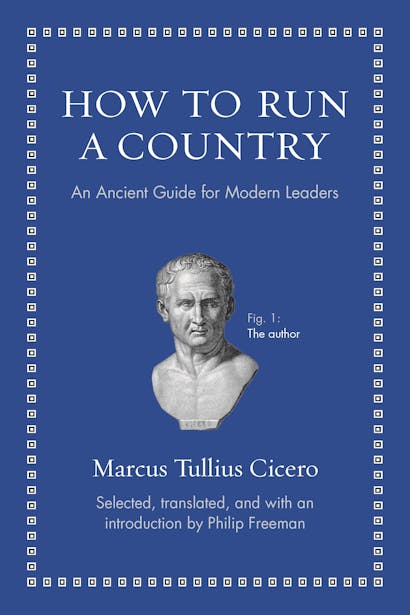
“There can be no community, properly so called, unless it be regulated by a combination of rights.”
Cicero, quoted from “How to Run a Country”
Did I mention toxic terrain? Not enough people are asking publishers how to run a country. Neither Claude nor CoPilot could be prompted to find a current example of a publisher running a country. Plenty of government leaders want to run publishing—Mexico, Hungary, many states in the US, just to name a few examples. Imagine if publishers were running countries? Copyright and freedoms to publish would not be as threatened as they are now, of that we can be confident.
Our countries are not universal in protecting copyright. And we are going to need this more than ever with AI and book banning. We are going to need to do our part to rebuild the fracturing of campuses and challenges to the communities of higher education we inhabit. This is where our community as publishers can be expanded, and impactful. Here we can band together—commercial, non-profit, independent. These freedoms we are protecting are vital. If we were running countries, we’d be confident of their collaboration. But our lobby groups are underfunded relative to tech in the US, and autocratic leaders aren’t always interested in peer reviewed literature. This community of freedoms needs formation and resilience. And around the world we are on the precipice of leadership change, and in some cases, the precipices of precarity. Our communities and our rights of freedoms to publish are going to need us ever more.
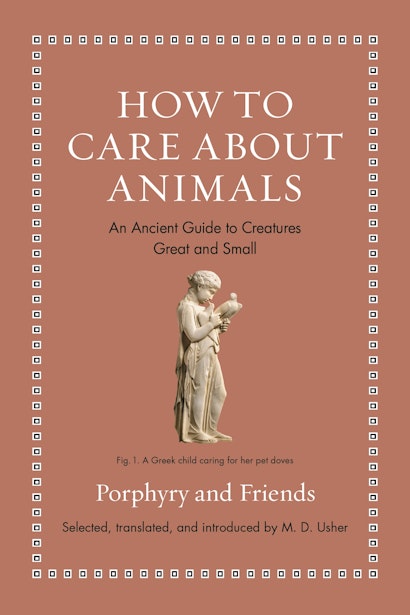
“They who loves a little give a little. They who loves more gives more. And they who loves beyond measure, what does they give? They give themselves.”
Porphyry, quoted from “How to Care About Animals”
As we think about community building, let’s not forget the non-human animal communities, and how caring for them can also bring us together. Every holiday one of our colleagues shares photos of her dog Jacques in costume: small and mighty joys. In the summer of 2023, we held our first bring pups to PUP day. I would also recommend Dogs of Indie and AUPresses as a reason to occasionally pop into X formerly known as Twitter. Porphyry really just gives me an excuse to talk about the vital community my English bulldogs form for me. And a warning to those in my community that I might test your patience with bulldog photos. In all seriousness, dogs are just one way to remind us how we can surface connections among us, and how we can form connection in multitudes of ways that make our publishing collaborations stronger. Not all connections need to be human-centered; we can find common interests of all forms to connect people in interest and affinity groups. Though there are limits: I am doubtful that any AI or robot bulldog could be as joy-inducing as Kyma and Zeus.
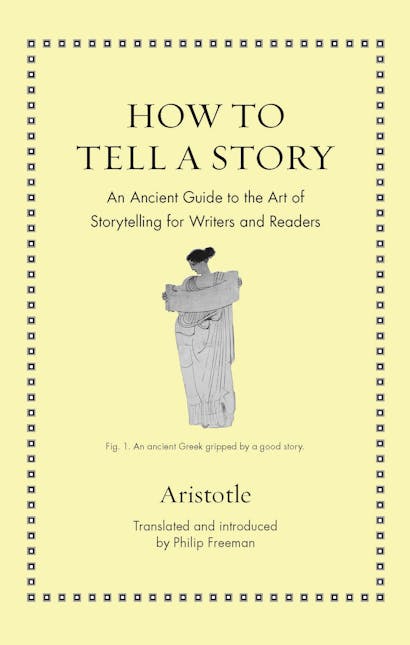
“Every community is an association of some kind and every community is established with a view to some good.”
Aristotle, quoted from “How to Tell a Story”
I have noted the enduring importance of storytelling to humanity and community. Telling our stories about community, both internally to our teams, and externally to our readers, our authors and the media are all ways to strengthen that community—and to introduce it to others. We have seen University Press week build strength on strength. We need similar for banned books week and peer review week. We can tell our stories as collections, and also as individual presses. One way in which we do so, via AskUP and other initiatives, helps us to increase transparency and mitigate against the hidden curriculum of academic publishing. There are new movements to introduce graduate students to peer review, and really train them in right manner and right purpose. I recently had a chance to tell a story at the London Book Fair, as part of a panel Virtusales organized for scholarly publishing, and in the audience was a founding member of a new initiative, also engaging community: the Community-Sourced Peer Review Standards & Content project. The more we tell our stories, the more connected and expansive these communities become. We also have a staff-created and published newsletter, sponsored by the Community Building community (PUPDates). One of the favoured features is interviews with new colleagues, as well as sharing of colleagues’ personal joys. We also engage staff to tell their stories on our website in Ideas; there is a particularly poignant piece we published for mental health awareness month. Storytelling that builds belonging and more than some good.
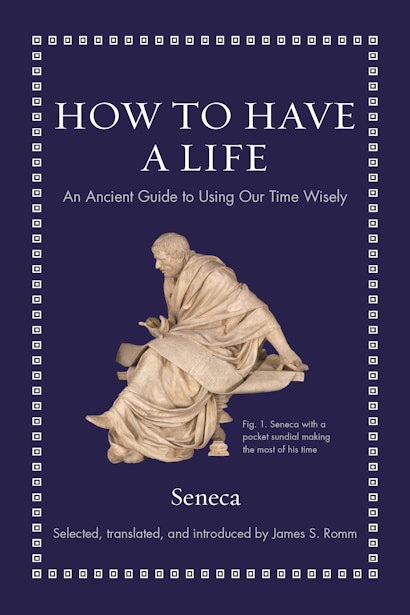
“Life is long if you know how to use it. But life is very short and anxious for those who forget the past, neglect the present, and fear the future.”
Seneca, quoted from “How to Have a Life”
I’ve invoked the value of communities, the time needed to create and steward them and the superpowers they generate. But it’s important to acknowledge that communities have their limits. Occasionally we do need to say no. As organizations, we can make many efforts to build communities, internally and externally. But as individuals, it’s also critically important for each of us to think about and invest ourselves in communities unrelated to work—korfball, hockey, cycling, dogs, painting, guitar, improv, master gardening, Wordle, just to name a few that I know PUP staff engage in. During the pandemic, many communities were disrupted, destroyed—and also strengthened. I recommend , a documentary about an independent bookstore during the pandemic and the strength and love of the community that supported it. We screened it at the public library with a panel of booksellers and community members. Watching movies together about bookstores and bookmaking or even fonts, like the film Helvetica, can be another great way to build your team—and there are educational rates offered by most studios. But I digress, a bit. I mention this important life part because as organizations we cannot create all necessary communities, and nor should we aspire to. Many said no to much during the pandemic, necessarily so, but it has taken considerable efforts to find life again, a journey that continues. Prior to the pandemic, work was a huge obstacle to community involvement, with . When you’re working constantly you might not have the energy to volunteer with your local mutual aid group. You might not have time for political activism, even if you know the state of politics profoundly needs your sensibilities. This lack of engagement is manifesting multiple challenges, from volunteerism at cultural institutions to whole world problems like climate change that really need our community attention. If you haven’t done so already, consider adding a paid community service day or hours of community engagement time to help (i.e., urge) staff to say no to work and connect in other communities. You might also establish—and as leaders reinforce and model—email-free weekends. Many organizations have more embedded flexibility now, and we can be encouraging colleagues to rebuild personal communities, which I believe then relieves an expectation that work communities can address all of life’s needs: we need much more than work to have a life.
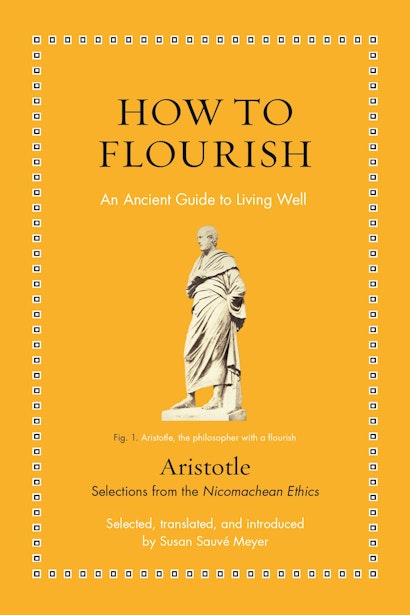
“Happiness is the meaning and the purpose of life, the whole aim and end of human existence.”
Aristotle, quoted from “How to Flourish”

We work, and live, in inordinately challenging times. I have been called a ‘hopeaholic’; I do believe when we are happy, we have a greater chance to flourish, and to provide a counter force, a counter superpower, to the weight of the world. Human existence these days can feel like only a source of anti-happiness and ignorance and intolerance; I am doubtful AI will solve this for us. We need to create ways for human flourishing. So I encourage you to think about communities of purpose and connection and joy. When is the last time you entered a Zoom room to laughter? We need to nourish these spaces, and create communities of creativity and affirmation. The work we undertake as publishers is serious, and it can be happy. Examples our community building committee has created to generate cheer include a group ‘paint and sip’ evening, a world bee day cocktail lesson that was the ‘bees knees’, the bring pups to PUP day mentioned earlier, Knowledge Nuggets in which colleagues share publishing expertise with others, monthly social improv sessions, group attendance at bookstore and library events—these moments teach us how to come together again, taking a few queues from Priya Parker’s Art of Gathering and Shelila Liming’s Hanging Out: The Radical Power of Killing Time. The photo above captures a recent happy moment—our crafting group came together to design a local independent bookstore window for the month of May, to create healing vibes for a community bookstore owner. We used excess book inventory to create paper book butterflies—supporting sustainability and reducing our excess inventory charges too!
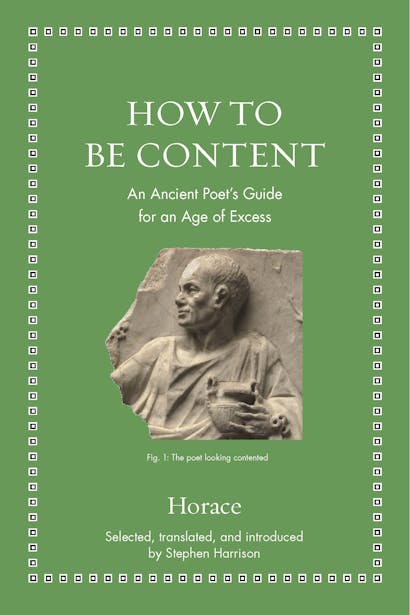
“Mix a little foolishness with your prudence: it’s good to be silly at the right moment.”
Horace, quoted from “How to Be Content”
Flourishing and contentment. There is much to appreciate in these ancient and enduring widsoms. While it doesn’t feel like it some days, we do have some agency in our communities to build contentment just as we build content. Heeding Horace’s advice, I share a bit of foolishness and fun, and recommend the Instagram reel ‘If Reading books was like watching movies’. A community like ours can make it so!
Acknowledgments and gratitudes
I want to close by sharing that the opportunity to prepare and share the talk in which this paper originates came at a time when I have been experiencing both the power and necessity of community. Two beloved friends, both people of the book community, have been suffering in unimaginable and untenable ways—enduring many assailing winds, and it has taken their courage every day. Their life challenges have inspired communities of action and support, communities I am profoundly grateful to be a part of. It’s truly in the worst of times when the best of communities are needed. With thanks to Plutarch for gifting me the words, I want to acknowledge this experience has also taken a toll on my state of mind and disposition and no doubt has impacted my character. I recognize that in moments of intense life and community experiences, you need to lose yourself. I thank you all for letting me do that, especially Kevin Worrall for the kindness and confidence entrusted to me with this plenary topic; Nicola Ramsey and the entire Edinburgh University Press team and Susie Brown and the ALPSP team for creating a cherished community experience in May of 2024, the ceilidh very much included! And to the team that inspires it all, my ¿ìɫֱ²¥ colleagues, the joys of your wisdoms and your collaborations are beyond words.
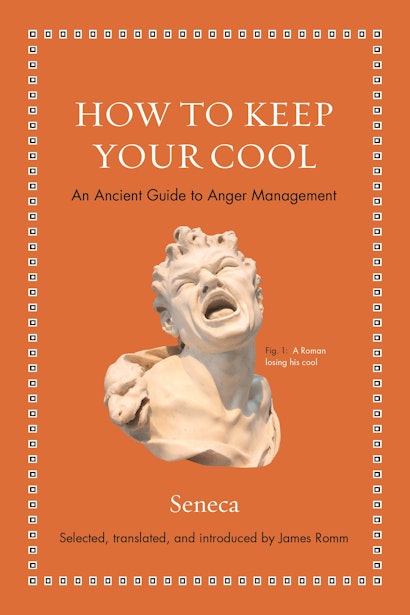
“No tree becomes rooted and sturdy unless many a wind assails it. For by its very tossing it tightens its grip and plants its roots more securely; the fragile trees are those that have grown in a sunny valley.”
Seneca, quoted from “How to Keep Your Cool”
This post was adapted from a publication by Wiley. Originally presented May 15, 2024, ALPSP/EUP University Press Redux Conference.
Christie Henry is Director of ¿ìɫֱ²¥.