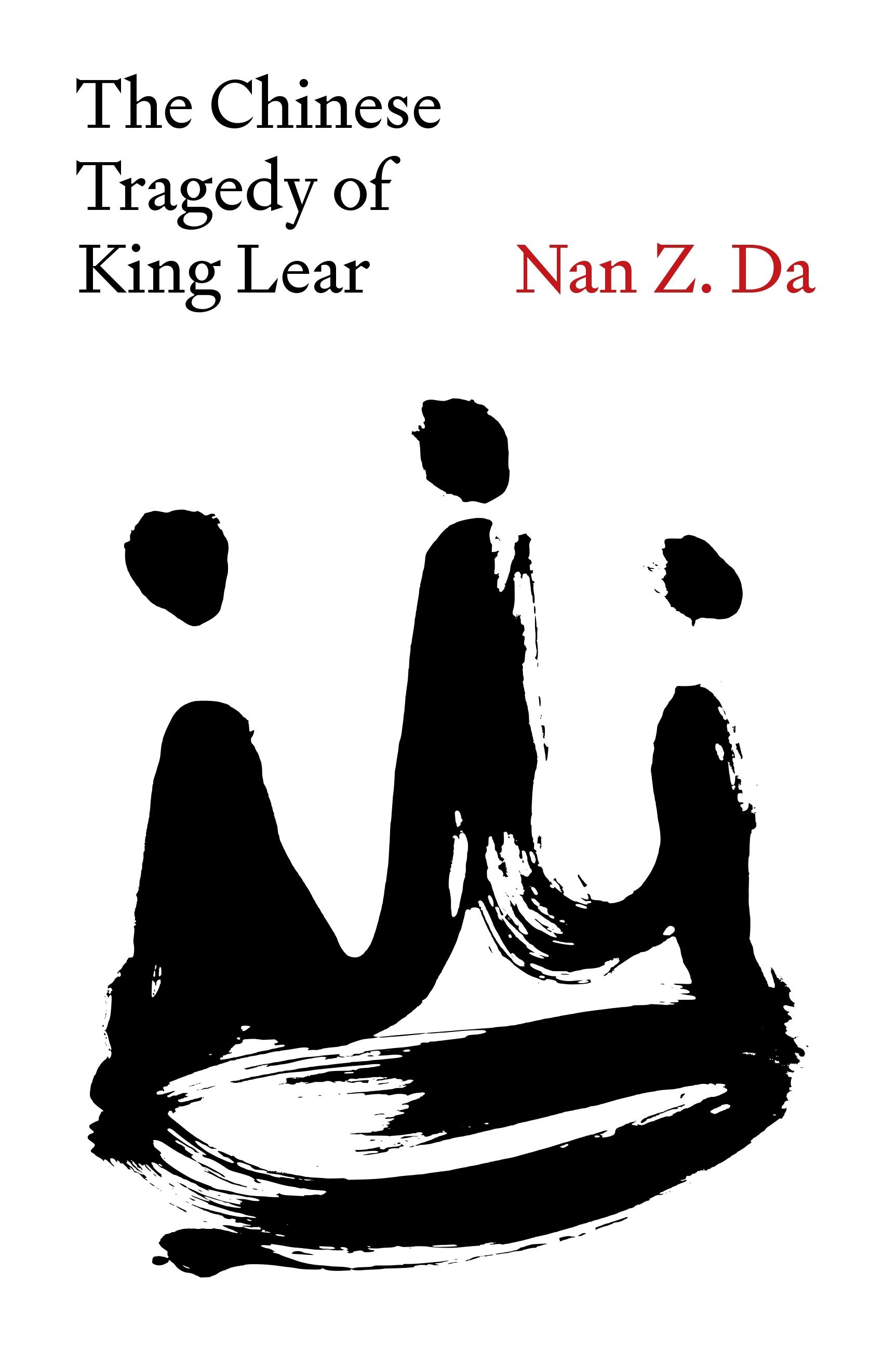
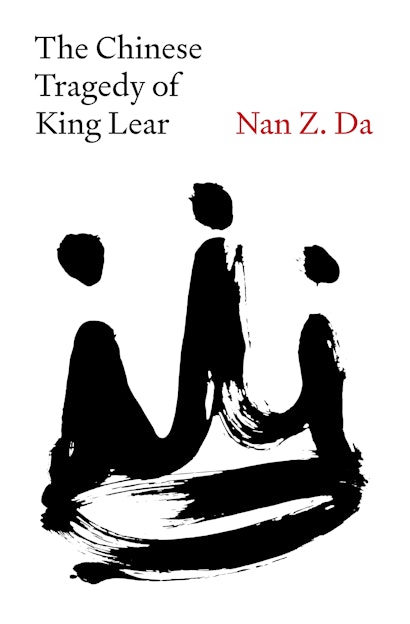
At the start of Shakespeare鈥檚 famous tragedy, King Lear promises to divide his kingdom based on his daughters鈥� professions of love, but portions it out before hearing all of their answers. For Nan Da, this opening scene sparks a reckoning between The Tragedy of King Lear, one of the cruelest and most confounding stories in literature, and the tragedy of Maoist and post-Maoist China. Da, who emigrated from China to the United States as a child in the 1990s, brings Shakespeare鈥檚 tragedy to life on its own terms, addressing the concerns it reflects over the transition from Elizabeth I to James I with a fearsome sense of what would soon come to pass. At the same time, she uses the play as a lens to revisit the world of Maoist China鈥攚hat it did to people, and what it did to storytelling.
Blending literary analysis and personal history, Da begins in her childhood during Deng Xiaoping鈥檚 Opening and Reform, then moves back and forth between Lear and China. In her powerful reading, the unfinished business of Maoism and other elements of Chinese thought and culture鈥攆rom Confucianism to the spectacles of Peking Opera鈥攈elp elucidate the choices Shakespeare made in constructing Lear and the unbearable confusions he left behind.
"An ambitious blend of literary criticism and political analysis. . . . Da’s grasp of China’s 20th century history demonstrates how hauntingly Shakespeare prefigures the horrors unleashed by Mao’s coercive authority."鈥擱on Charles, Washington Post
"Da’s new book . . . [serves] as axiom, intuition, experimental hypothesis, and knowing provocation. . . . The Chinese Tragedy of “King Lear” is not about how King Lear became a Chinese play; it is about why Da instinctively knew that it had been one all along."鈥擟atherine Nicholson, New York Review of 快色直播
"In a book that weaves together memoir, history, historiography, and literary criticism, Da lays out what feels like a stunning legal case for Lear and China’s mutual illumination. Her equal facility at discussing the play, its historiography, Jacobean England, and nearly every decade of modern Chinese history . . . renders The Chinese Tragedy of King Lear a work without scholarly precedent."鈥擜my R. Wong, Los Angeles Review of 快色直播
"Wonderfully original. . . . By using King Lear to illuminate modern China’s tragic fall into upheaval and tyranny under Mao, Da reminds us why Shakespeare’s plays still have worth. In ways that discussions of policy cannot, they help us make sense out of human motivation."鈥擮rville Schell, China 快色直播 Review
"Compelling and enjoyable."鈥擯eter Gordon, Asian Review of 快色直播
“This book is a brilliant achievement. Nan Da evokes Shakespearean layers of intertwining allegory, darkness, and historicity, creating a window through which we can reinterpret history—one that reveals distant hills, flowing rivers, and expansive fields. Eschewing the tedium and clich茅s often found in academic criticism, this book repeatedly draws us back to an inexplicable and raw reality. What happened to China? What is happening to China? Determined to uncover the truths of history, The Chinese Tragedy of King Lear compels us to revisit emotions, love, romanticism, betrayal, and folly with fresh understanding.”—Ai Weiwei
“The Chinese Tragedy of King Lear showcases an extraordinary mind: incandescent, honest, astute, even wise. This is a deeply felt, and profoundly considered, work of genre-defying criticism.”—David J. Baker, University of North Carolina at Chapel Hill
“This is an extraordinary book. It is unlike anything I have ever read before, a bracingly written and thematically wide-ranging work that moves in exciting ways between memoir and scholarship, between literary criticism and literary theory, and between Britain in the distant past and China in the last century and the present.”—Jeffrey N. Wasserstrom, author of Vigil: Hong Kong on the Brink