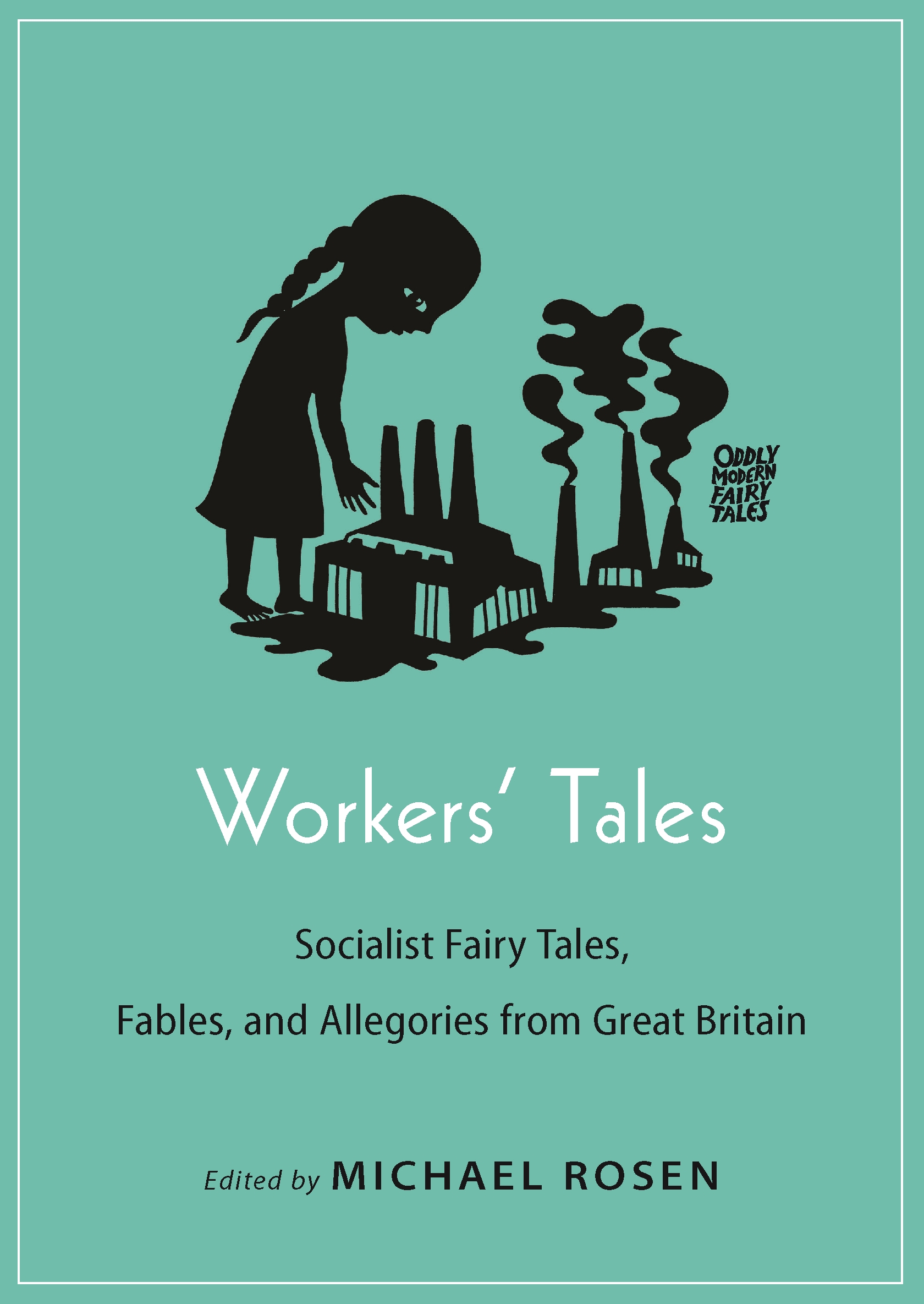
Workers' Tales: Socialist Fairy Tales, Fables, and Allegories from Great Britain

Paperback
ebook (EPUB via app)
- Sale Price:
- $13.97/拢11.89
- Price:
-
$19.95/拢16.99 - ISBN:
- Published:
- Oct 16, 2018
- Copyright:
- 2018
30% off with code PUP30
ebook (PDF via app)
- Sale Price:
- $13.97/拢11.89
- Price:
-
$19.95/拢16.99 - ISBN:
- Published:
- Oct 16, 2018
- Copyright:
- 2018
30% off with code PUP30
Audio
-
Audio and ebooks (EPUB and PDF) purchased from this site must be accessed on the
快色直播 app. After purchasing, you will receive an email with
instructions to access your purchase.
About audio and ebooks - Request Exam Copy
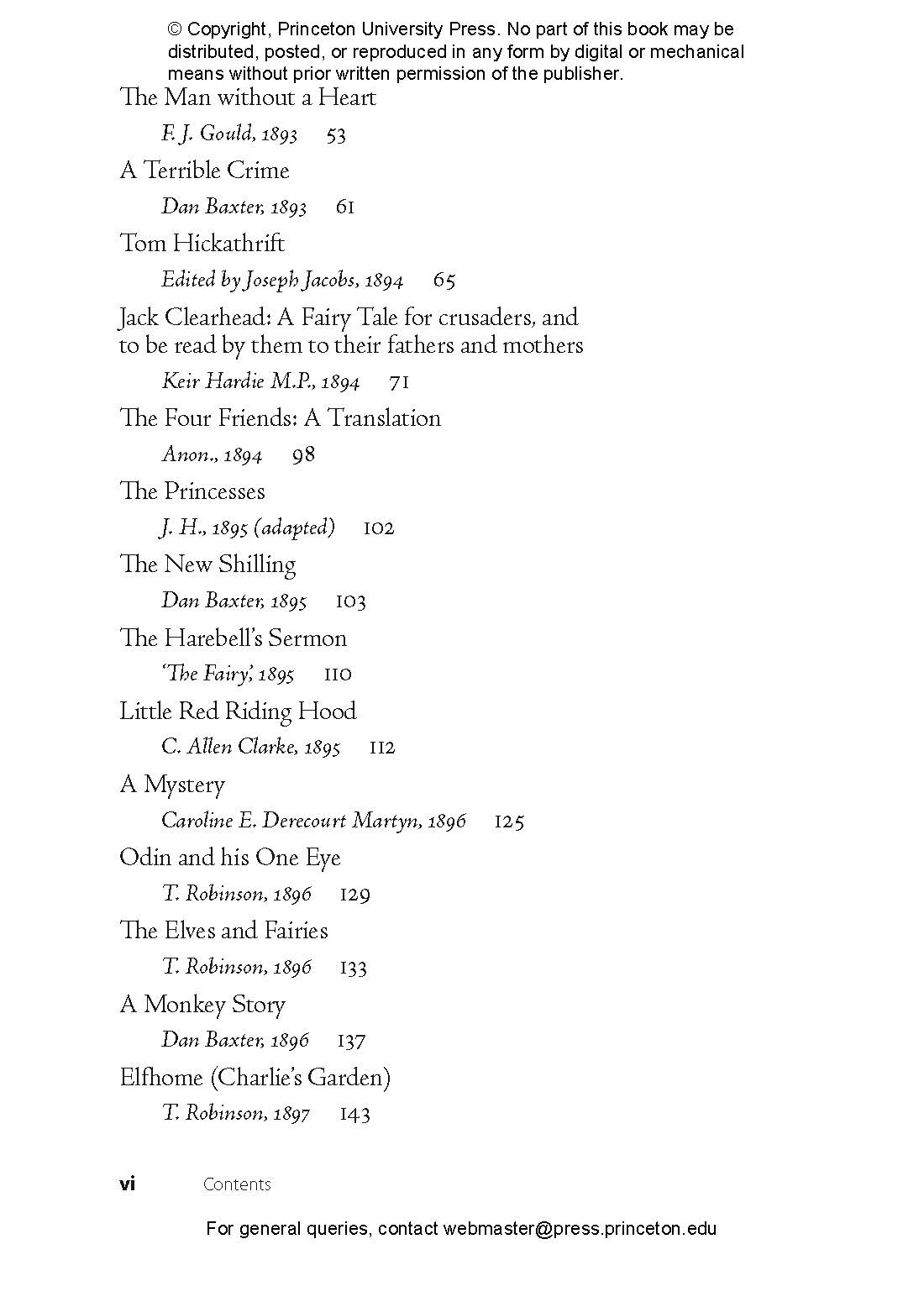
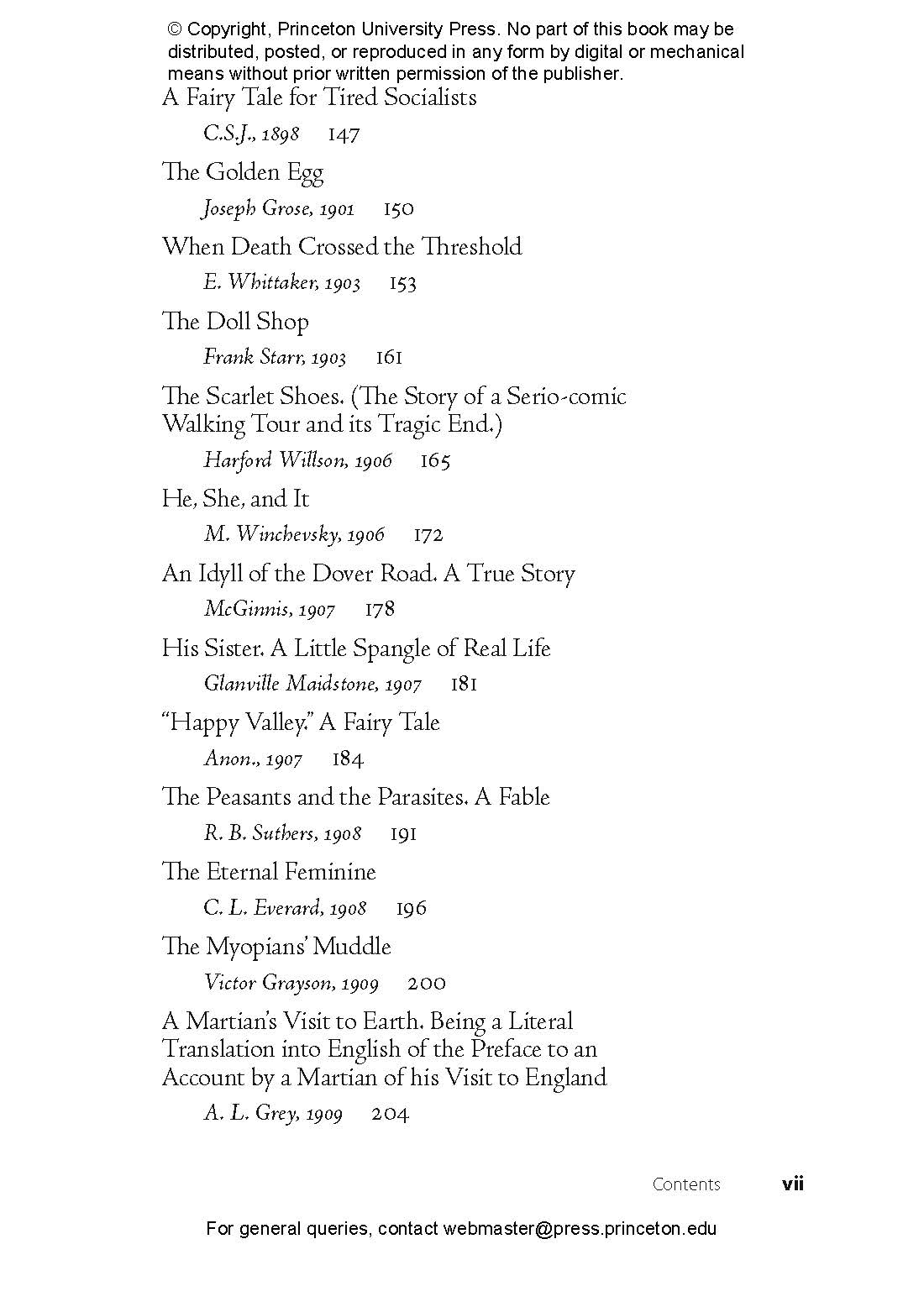
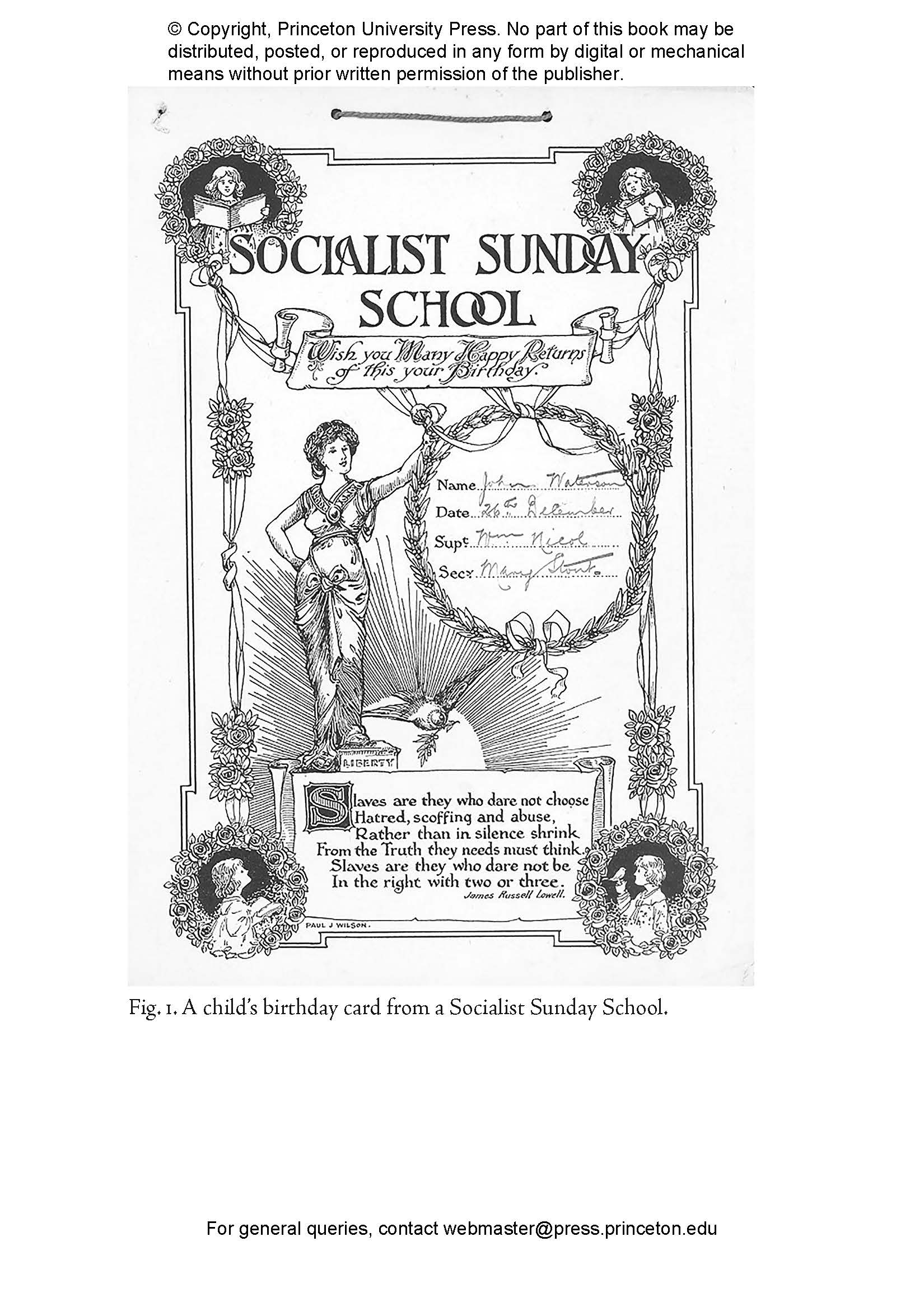
In the late nineteenth and early twentieth centuries, unique tales inspired by traditional literary forms appeared frequently in socialist-leaning British periodicals, such as the Clarion, Labour Leader, and Social Democrat. Based on familiar genres鈥攖he fairy tale, fable, allegory, parable, and moral tale鈥攁nd penned by a range of lesser-known and celebrated authors, including Schalom Asch, Charles Allen Clarke, Frederick James Gould, and William Morris, these stories were meant to entertain readers of all ages鈥攁nd some challenged the conventional values promoted in children鈥檚 literature for the middle class. In Workers鈥� Tales, acclaimed critic and author Michael Rosen brings together more than forty of the best and most enduring examples of these stories in one beautiful volume.
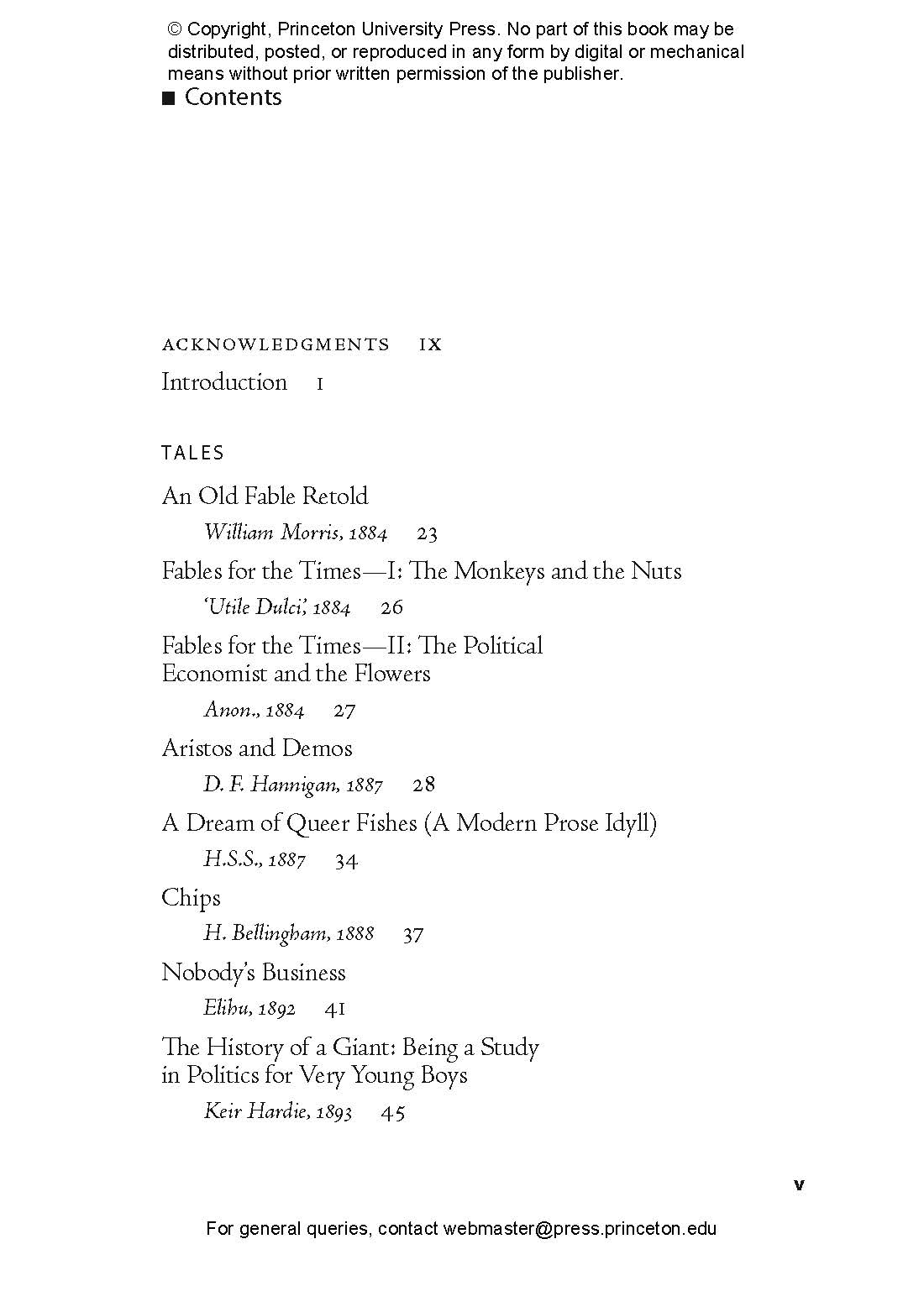
Throughout, the tales in this collection exemplify themes and ideas related to work and the class system, sometimes in wish-fulfilling ways. In 鈥淭om Hickathrift,鈥� a little, poor person gets the better of a gigantic, wealthy one. In 鈥淭he Man Without a Heart,鈥� a man learns about the value of basic labor after testing out more privileged lives. And in 鈥淭he Political Economist and the Flowers,鈥� two contrasting gardeners highlight the cold heart of Darwinian competition. Rosen鈥檚 informative introduction describes how such tales advocated for contemporary progressive causes and countered the dominant celebration of Britain鈥檚 imperial values. The book includes archival illustrations, biographical notes about the writers, and details about the periodicals where the tales first appeared.
Provocative and enlightening, Workers鈥� Tales presents voices of resistance that are more relevant than ever before.