








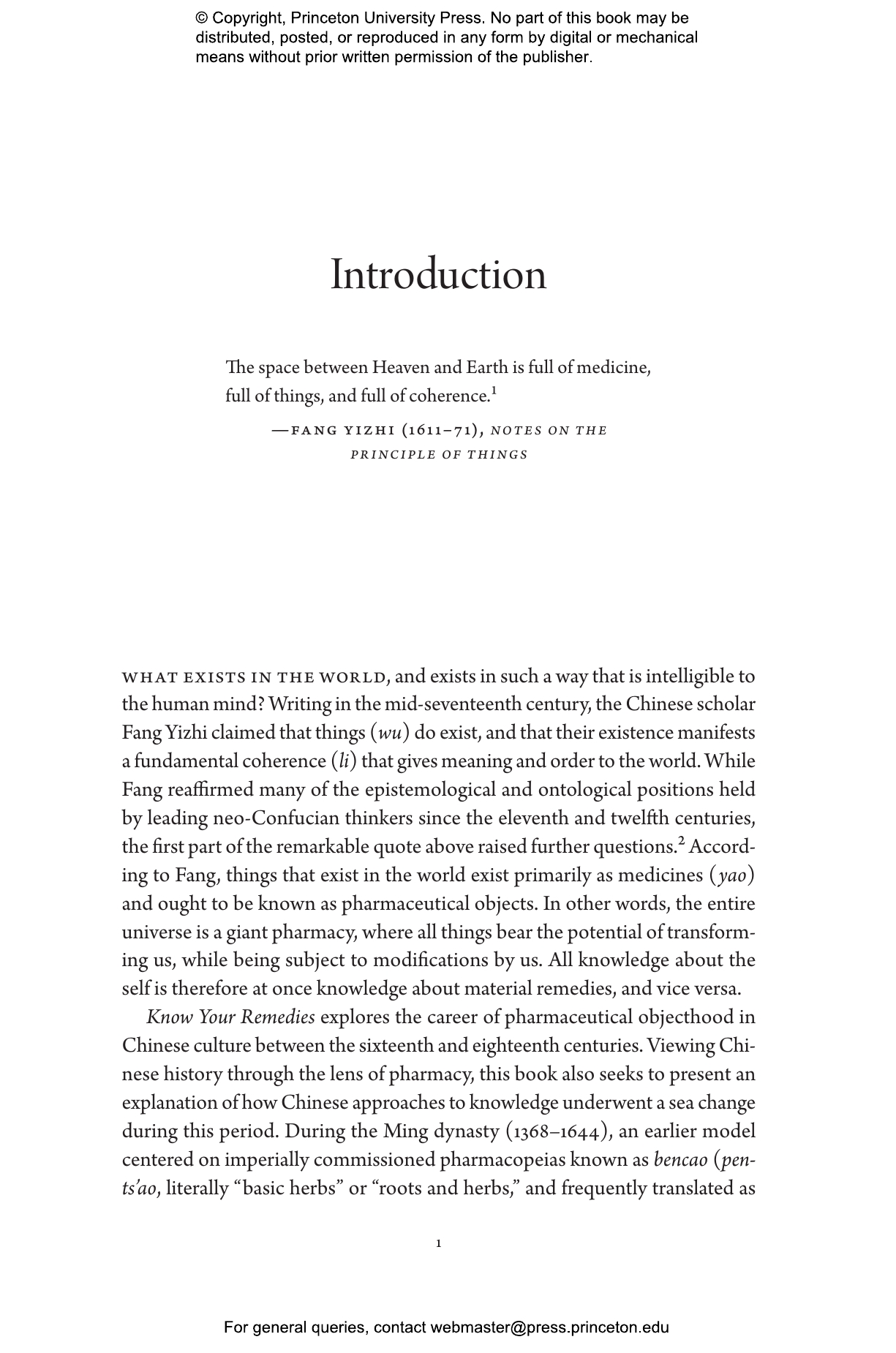

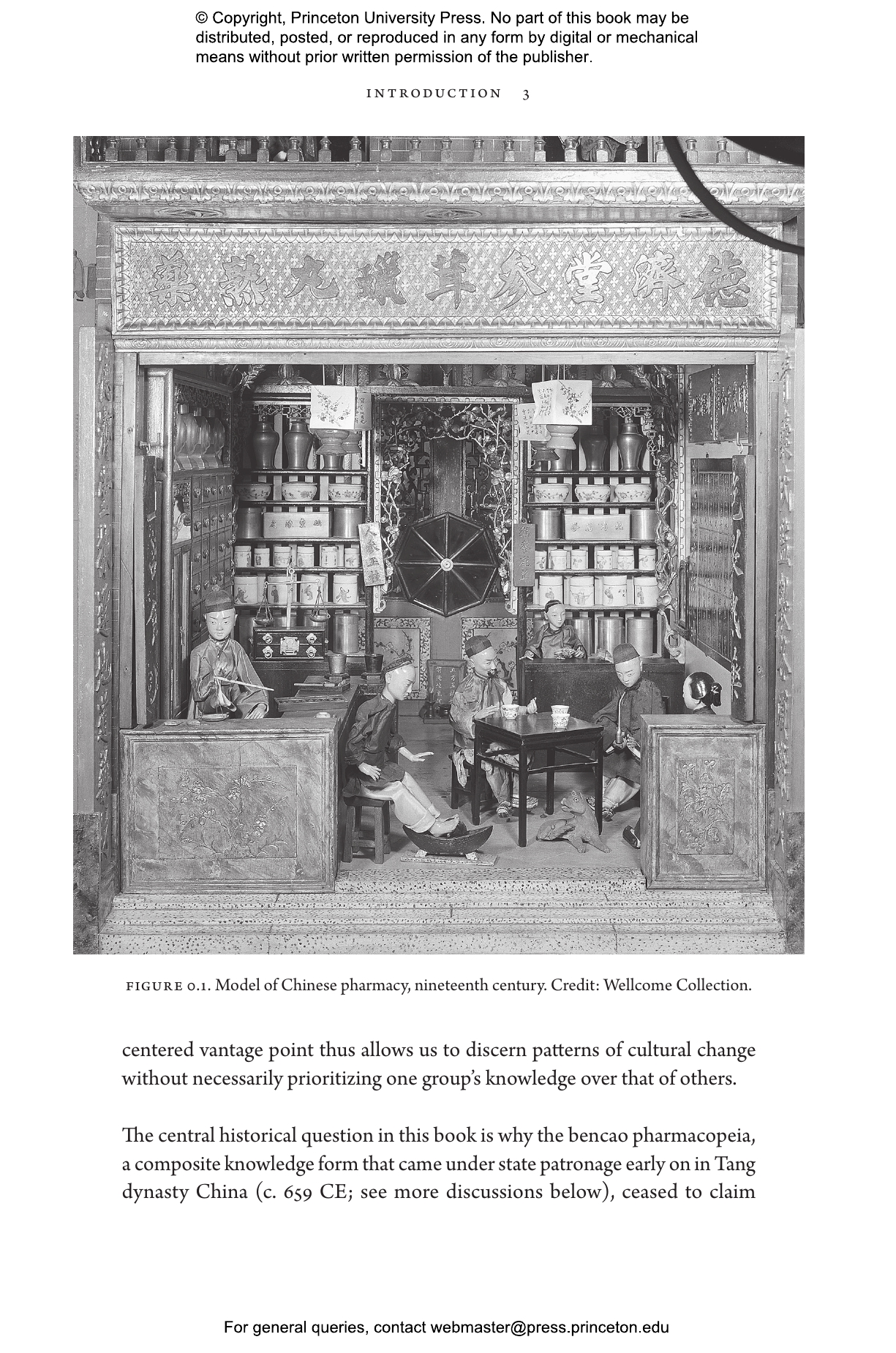
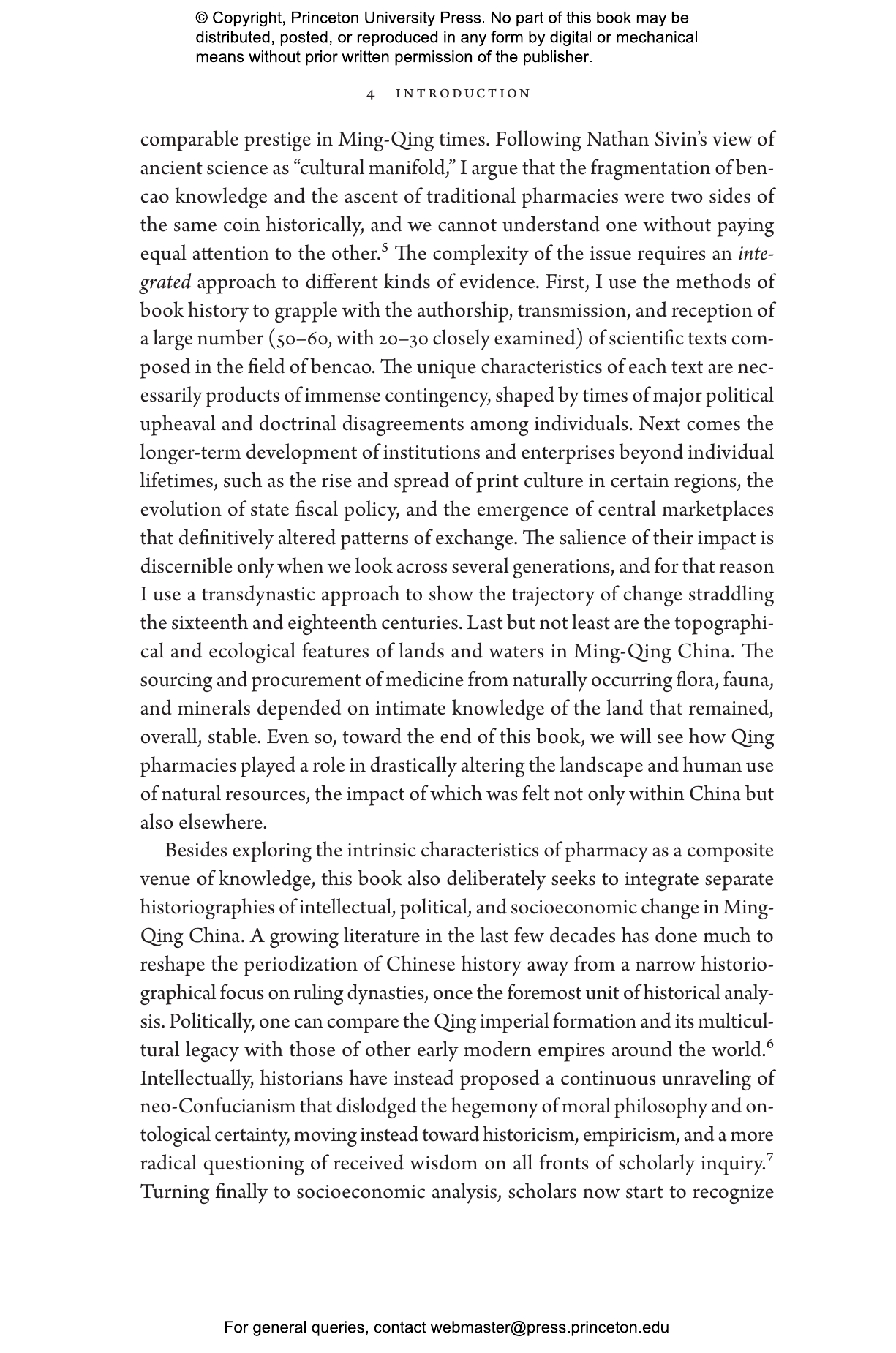

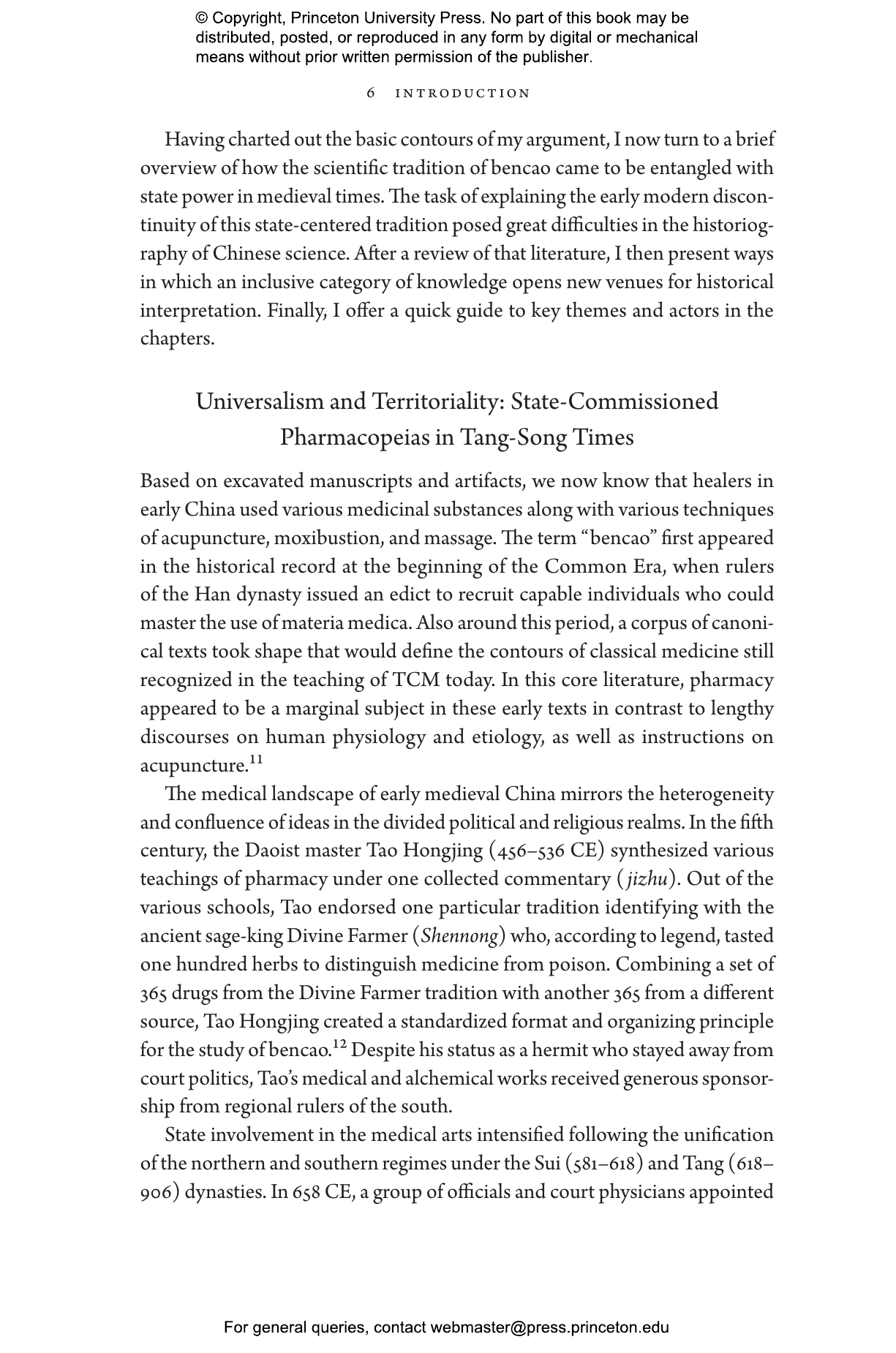






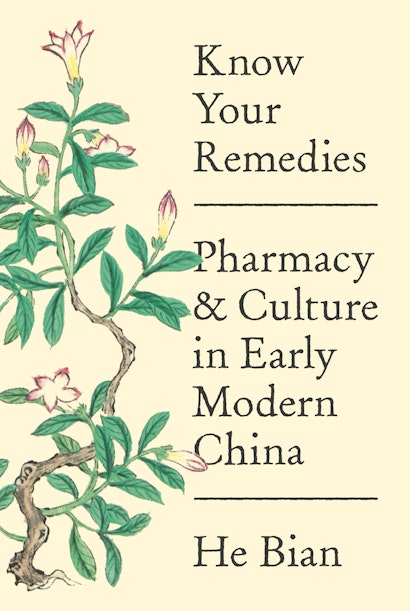
Know Your Remedies: Pharmacy and Culture in Early Modern China
Hardcover
Paperback
ebook (EPUB via app)
- Sale Price:
- $17.00/拢14.00
- Price:
-
$34.00/拢28.00 - ISBN:
- Published:
- Apr 14, 2020
- Copyright:
- 2020
- 9 b/w illus. 3 tables. 4 maps
50% off with code SPRING50
ebook (PDF via app)
-
Audio and ebooks (EPUB and PDF) purchased from this site must be accessed on the
快色直播 app. After purchasing, you will receive an email with
instructions to access your purchase.
About audio and ebooks - Request Exam Copy
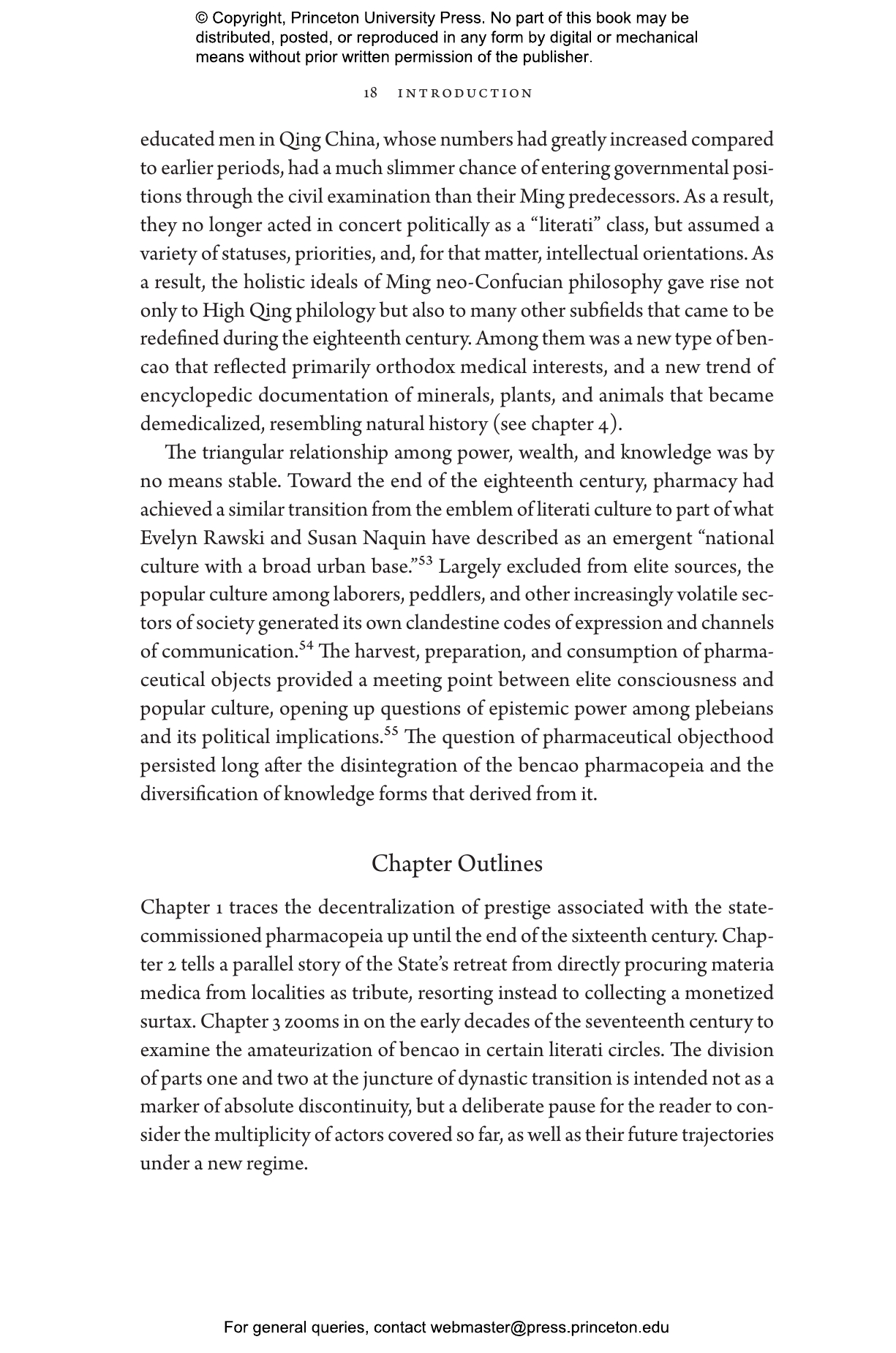
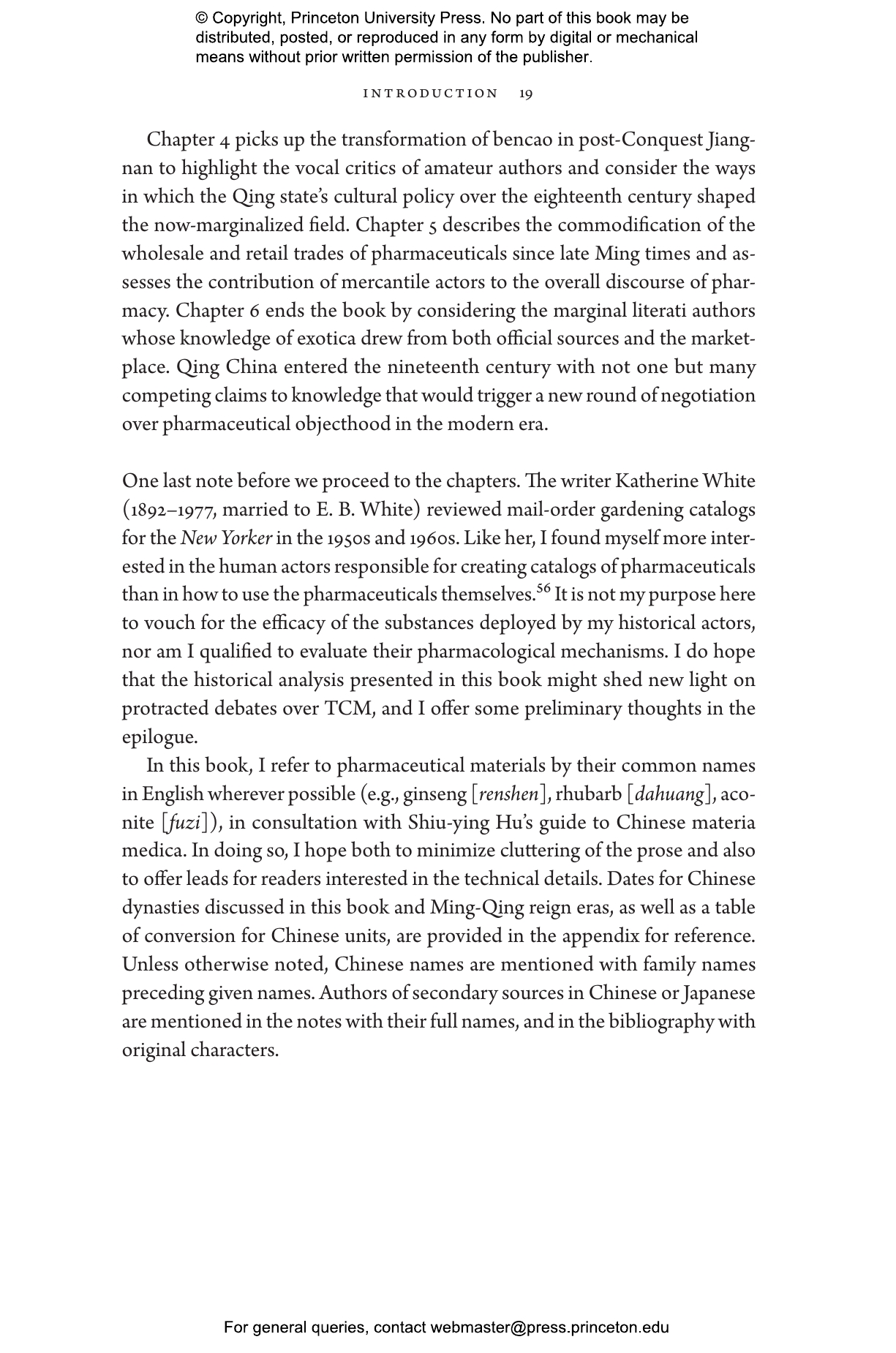
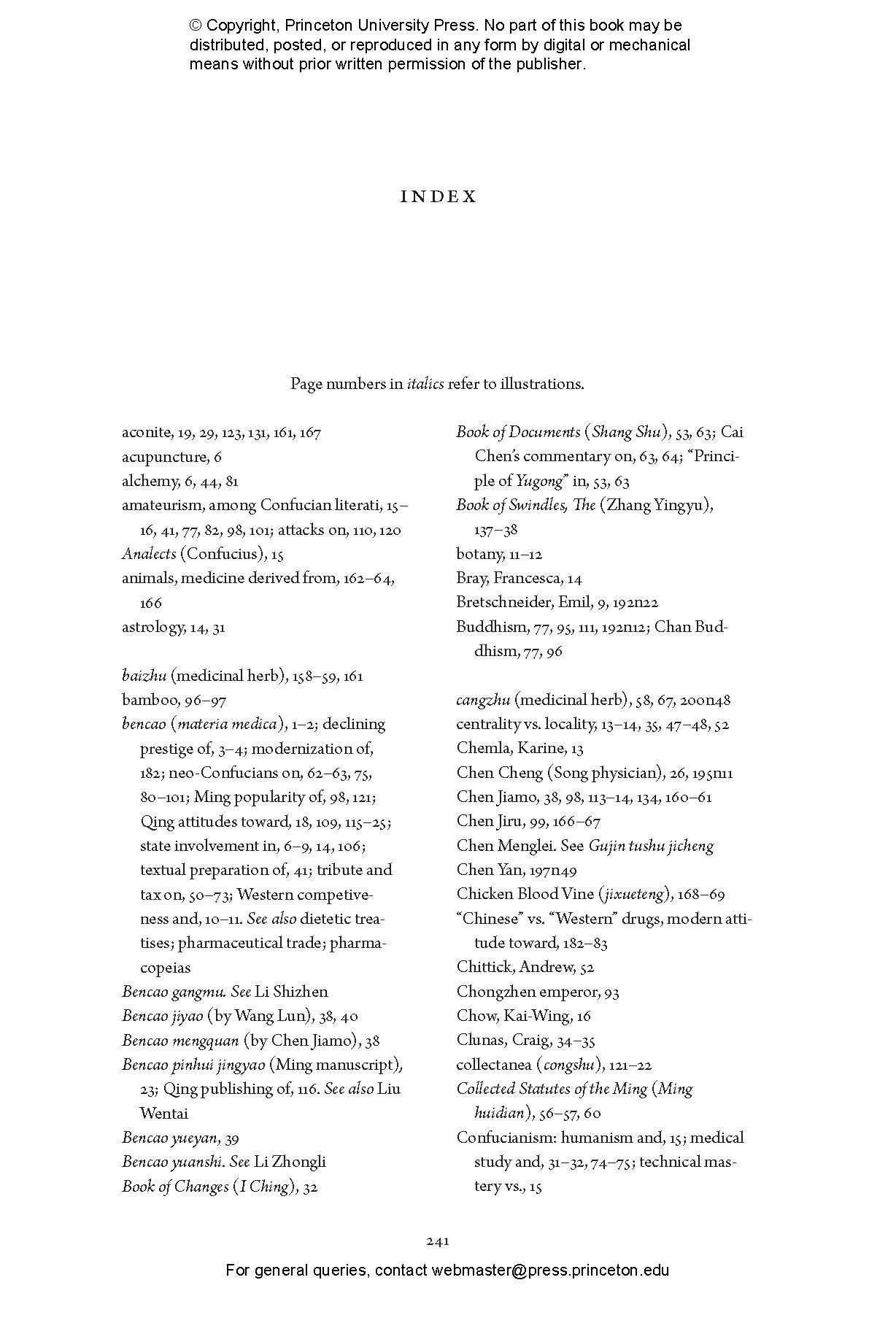
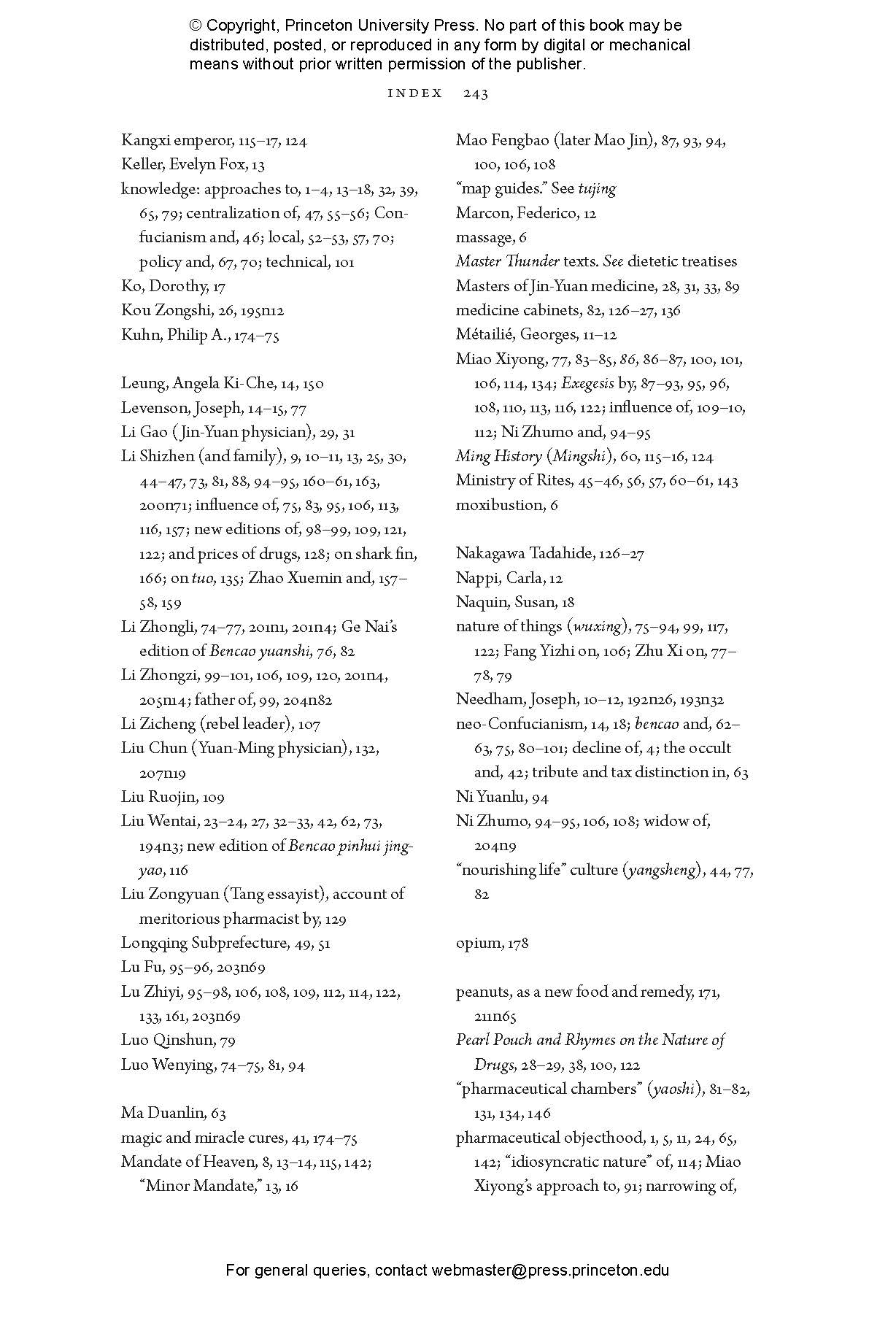
Know Your Remedies presents a panoramic inquiry into China鈥檚 early modern cultural transformation through the lens of pharmacy. In the history of science and civilization in China, pharmacy鈥攁s a commercial enterprise and as a branch of classical medicine鈥攔esists easy characterization. While China鈥檚 long tradition of documenting the natural world through state-commissioned pharmacopeias, known as bencao, dwindled after the sixteenth century, the ubiquitous presence of Chinese pharmacy shops around the world today testifies to the vitality of Traditional Chinese Medicine. Rejecting narratives of intellectual stagnation or an unchanging folk culture, He Bian argues that pharmacy鈥檚 history in early modern China can best be understood as a dynamic interplay between elite and popular culture.
Beginning with decentralizing trends in book culture and fiscal policy in the sixteenth century, Bian reveals pharmacy鈥檚 central role in late Ming public discourse. Fueled by factional politics in the early 1600s, amateur investigation into pharmacology reached peak popularity among the literati on the eve of the Qing conquest in the mid-seventeenth century. The eighteenth century witnessed a systematic reclassification of knowledge, as the Qing court turned away from pharmacopeia in favor of a demedicalized natural history. Throughout this time, growth in long-distance trade enabled the rise of urban pharmacy shops, generating new knowledge about the natural world.
Bringing together a wealth of primary sources, Know Your Remedies makes an essential contribution to the study of Chinese history and the history of medicine.
Awards and Recognition
- Honorable Mention for the Joseph Levenson Pre-1900 Book Prize, China and Inner Asia Council of the Association for Asian Studies