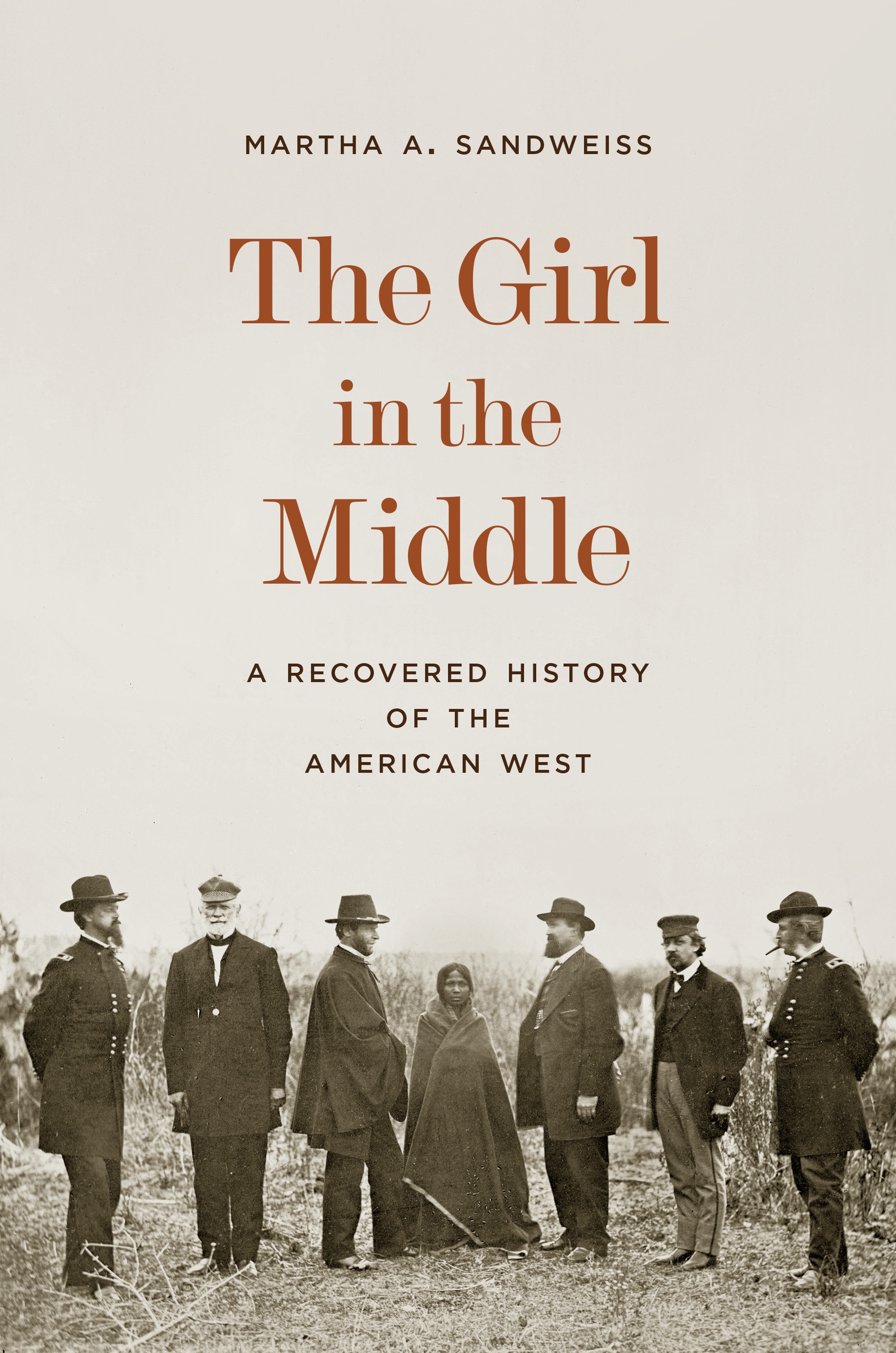
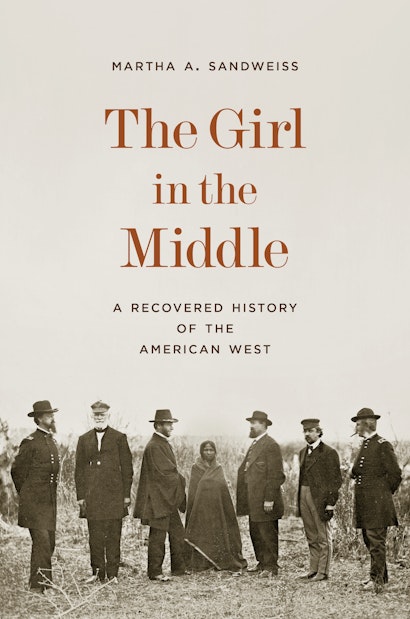
In 1868, celebrated Civil War photographer Alexander Gardner traveled to Fort Laramie to document the federal government鈥檚 treaty negotiations with the Lakota and other tribes of the northern plains. Gardner, known for his iconic portrait of Abraham Lincoln and his visceral pictures of the Confederate dead at Antietam, posed six federal peace commissioners with a young Native girl wrapped in a blanket. The hand-labeled prints carefully name each of the men, but the girl is never identified. As The Girl in the Middle goes in search of her, it draws readers into the entangled lives of the photographer and his subjects.
Martha A. Sandweiss paints a riveting portrait of the turbulent age of Reconstruction and westward expansion. She follows Gardner from his birthplace in Scotland to the American frontier, as his dreams of a utopian future across the Atlantic fall to pieces. She recounts the lives of William S. Harney, a slave-owning Union general who earned the Lakota name 鈥淲oman Killer,鈥� and Samuel F. Tappan, an abolitionist who led the investigation into the Sand Creek massacre. And she identifies Sophie Mousseau, the girl in Gardner鈥檚 photograph, whose life swerved in unexpected directions as American settlers pushed into Indian Country and the federal government confined Native peoples to reservations.
Spinning a spellbinding historical tale from a single enigmatic image, The Girl in the Middle reveals how the American nation grappled with what kind of country it would be as it expanded westward in the aftermath of the Civil War.
Awards and Recognition
- Shortlisted for the Cundill History Prize, McGill University
- Finalist for the Mark Lynton History Prize, Columbia University
- Winner of the W.E.B. Du Bois鈥揓ohn Hope Franklin Award, Organization of American Historians
- Shortlisted for the Reading the West Book Award in Nonfiction
"[Sandweiss’s] deeply researched book takes its title from an arresting black-and-white photograph of the peace commissioners gathered at Fort Laramie in 1868. . . . Sandweiss is an elegant writer who knows how to craft a satisfying story."鈥擬elanie Kirkpatrick, Wall Street Journal
"Part detective story, part traditional history book, The Girl in the Middle brings to life an often overlooked part of US history. . . . A richly textured view of America both during and in the decades directly after its brutal civil war. . . . A window into the lives of ordinary people at a time and in a place when everyone was on the move and constantly reinventing themselves. It is also a testament to the broader suffering that occurred as the American government repeatedly broke its promises to the continent’s original inhabitants."鈥擝rooke Masters, Financial Times
"Sandweiss’s forensic investigation of a single photograph widens the aperture to depict an astonishingly intertwined frontier society where everyone—soldier, trader, photographer, man, woman, Native, mixed-race, or white—was connected to most everyone else. The result is a fascinating snapshot of this “oddly intimate” world, a bubbling cauldron of people constantly on the move, in contact or in conflict, their lives beset by unremitting public and familial violence."鈥擜lix Christie, American Scholar
"Compelling. . . . A truly revealing image of American empire."鈥�Literary Hub
"Sandweiss. . . shows her extraordinary ability as a historian-detective."鈥擠avid Steinberg, Albuquerque Journal
"If all books were like The Girl in the Middle, perhaps more undergraduates would become history majors. . . . Highly recommended."鈥�Choice
"Fascinating. . . . this book is a model of historical detective work."鈥擡van C. Rothera, Civil War Monitor
"A totally absorbing narrative, serving as a model of collective memory and in-depth research that folklorists should appreciate, if not emulate."鈥擩ames I. Deutsch, Western Folklore
"Riveting. . . . Sandweiss effectively details a previously unknown life and insists that the rest of us could do better."鈥擜nne Hyde, Western Historical Quarterly
"A masterful work of recovery, reconstruction, and research."鈥擡lizabeth DeWolfe, Journal of Arizona History
"A perceptive historical inquiry, The Girl in the Middle illuminates the post–Civil War era’s dark negotiations surrounding Native American land."鈥擪aren Rigby, Foreword
"Insightful and beautifully written. . . . propulsive and compelling. . . . [The Girl in the Middle] speaks to the importance of the historical work of recovery, especially in our current moment."鈥擬egan Kate Nelson, Emerging Civil War
"A masterful reading of this one photograph. . . . An exemplary case of the potential of the visual turn in the humanities and social science to develop new methods of historical analysis. While the photograph preserves a fleeting moment, Sandweiss moves it from the illustrative sidelines to become the centerpiece of evidence in its own story."鈥擩oanna Sassoon, Journal of Historical Geography
“Martha Sandweiss is not only a delightfully readable historian, she’s a first-rate sleuth. Using one haunting group photograph as a starting point, she succeeds in recreating the intertwined lives of a fascinating cross section of individuals. The Girl in the Middle is an engaging exercise in photographic detective work that gives us many fresh and astonishing insights into the history of the American West.”—Hampton Sides, New York Times bestselling author of Blood and Thunder
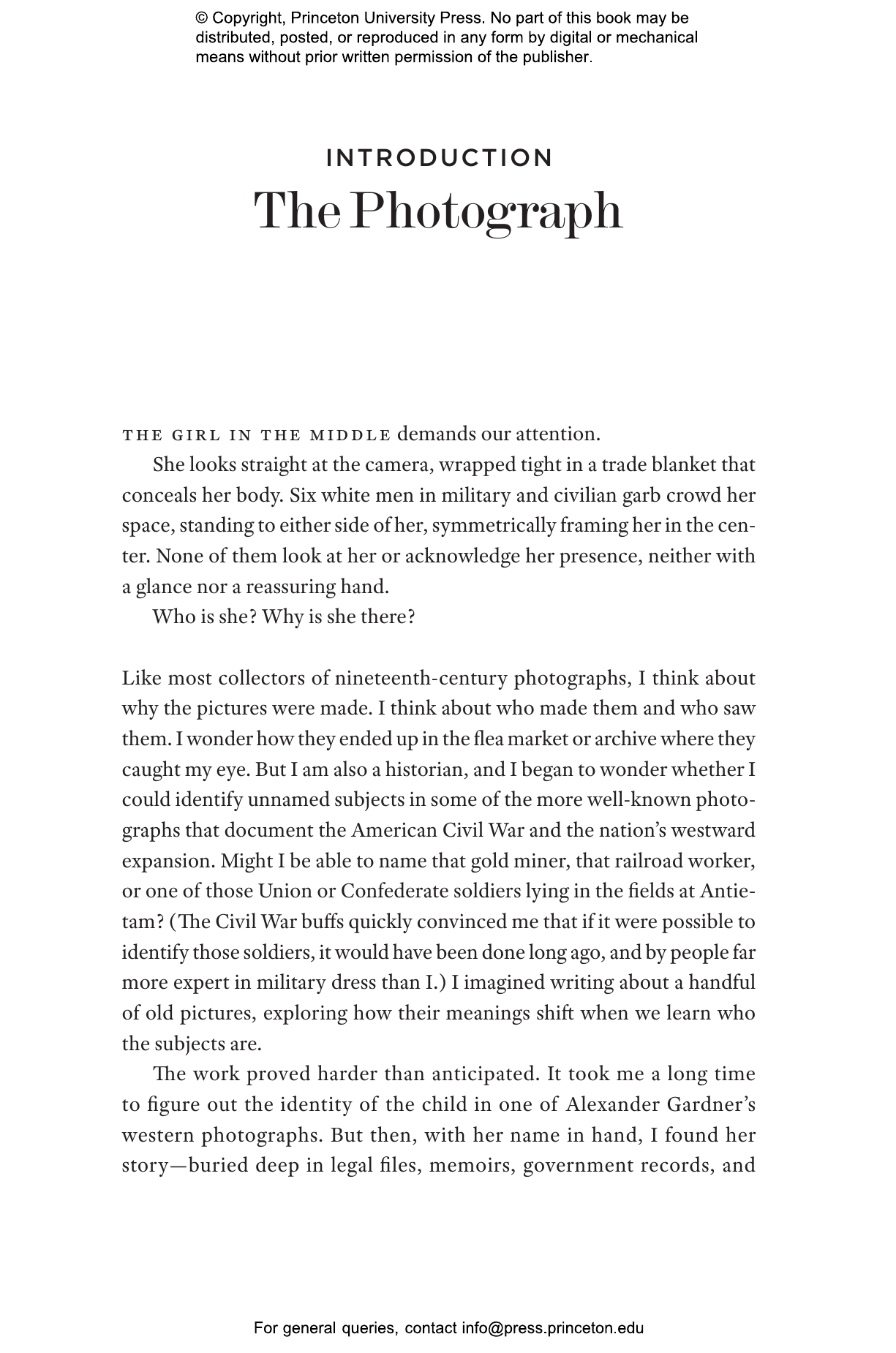
“Sandweiss calls attention to the fact that archives of the American West are brimming with photographs of Native Americans whose names are not given. While other individuals in these same photographs may be identified by their full names, their professions, or their roles in particular events, Native people are nameless, their roles in a historical moment understood as symbolic, their presence simultaneously highlighted and made invisible. In this remarkable work, Sandweiss restores the name of ‘the girl in the middle’ as well as her life story and the stories of those surrounding her, using a single image to shift the lens through which we as readers come to know, interpret, and understand American history. An astonishing achievement of scholarship, insight, and empathy.”—Amanda J. Cobb, author of Listening to Our Grandmothers’ Stories
“An unmatched piece of historical detective work, Martha Sandweiss’s painstaking identification of an anonymous Native American girl in an old picture unspools the rich, painful canvas that was the nineteenth-century United States. Replete with generals, killers, survivors, and a photographer, The Girl in the Middle offers a profound meditation on those people too easily thought to be lost to the past—and thus on the meaning and practice of history itself.”—Philip J. Deloria, author of Playing Indian
“Martha Sandweiss has long been the finest scholar working the intersection of visual and textual evidence of the American West. Here she takes a single image and spins from it a detective story. Its title character stands in the middle of both the photograph and the often tortured events that disrupted and reordered the West after the Civil War. Thoroughly researched and beautifully written, this book both teases the brain and pulls at the heart.”—Elliott West, author of Continental Reckoning
“Martha Sandweiss reveals a century through a single photograph. Fascinating and constantly surprising, The Girl in the Middle abandons the tired binaries of popular visions of the American West to provide a compelling, provocative, and even hopeful history.”—Richard White, author of The Republic for Which It Stands
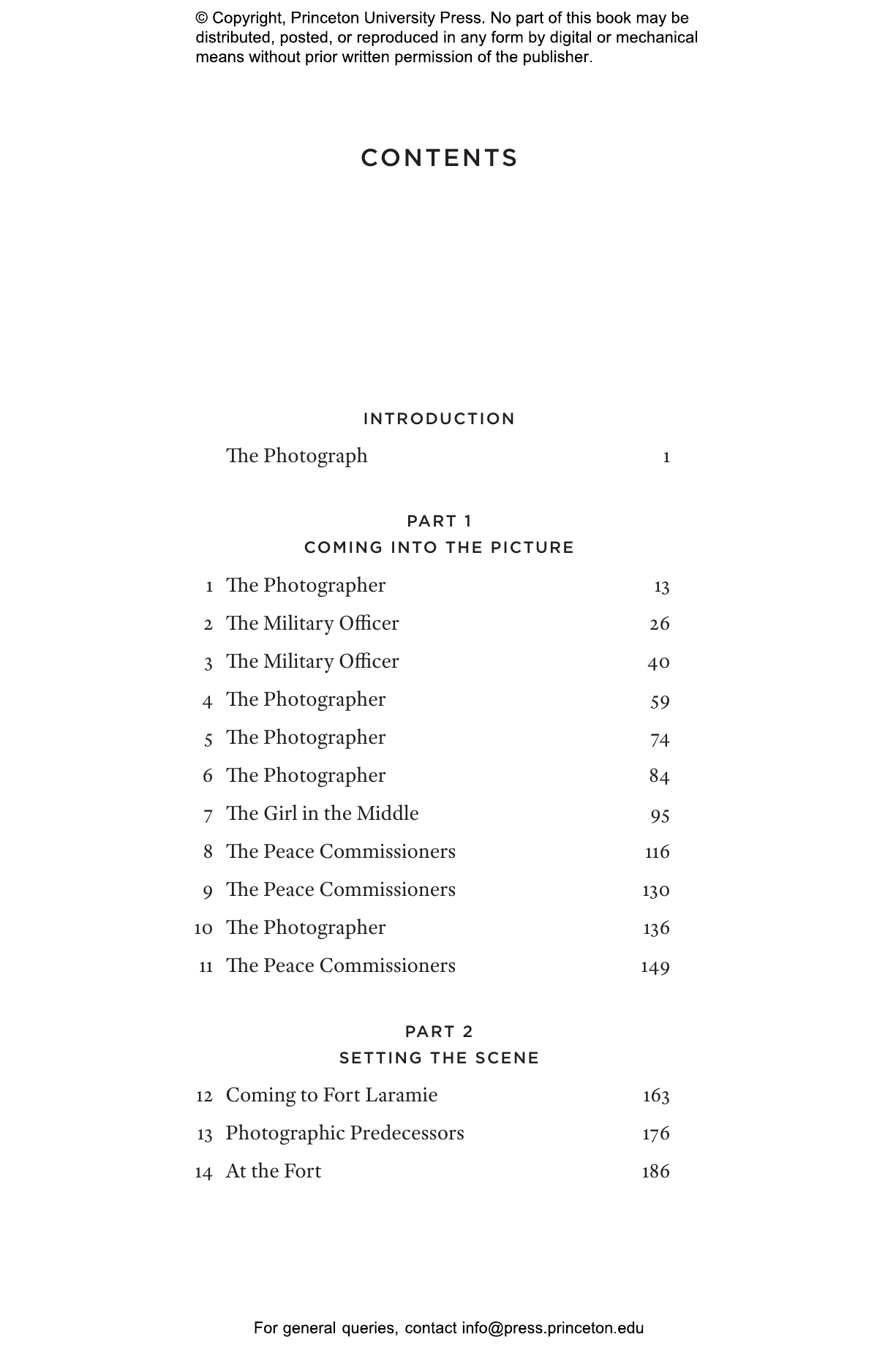
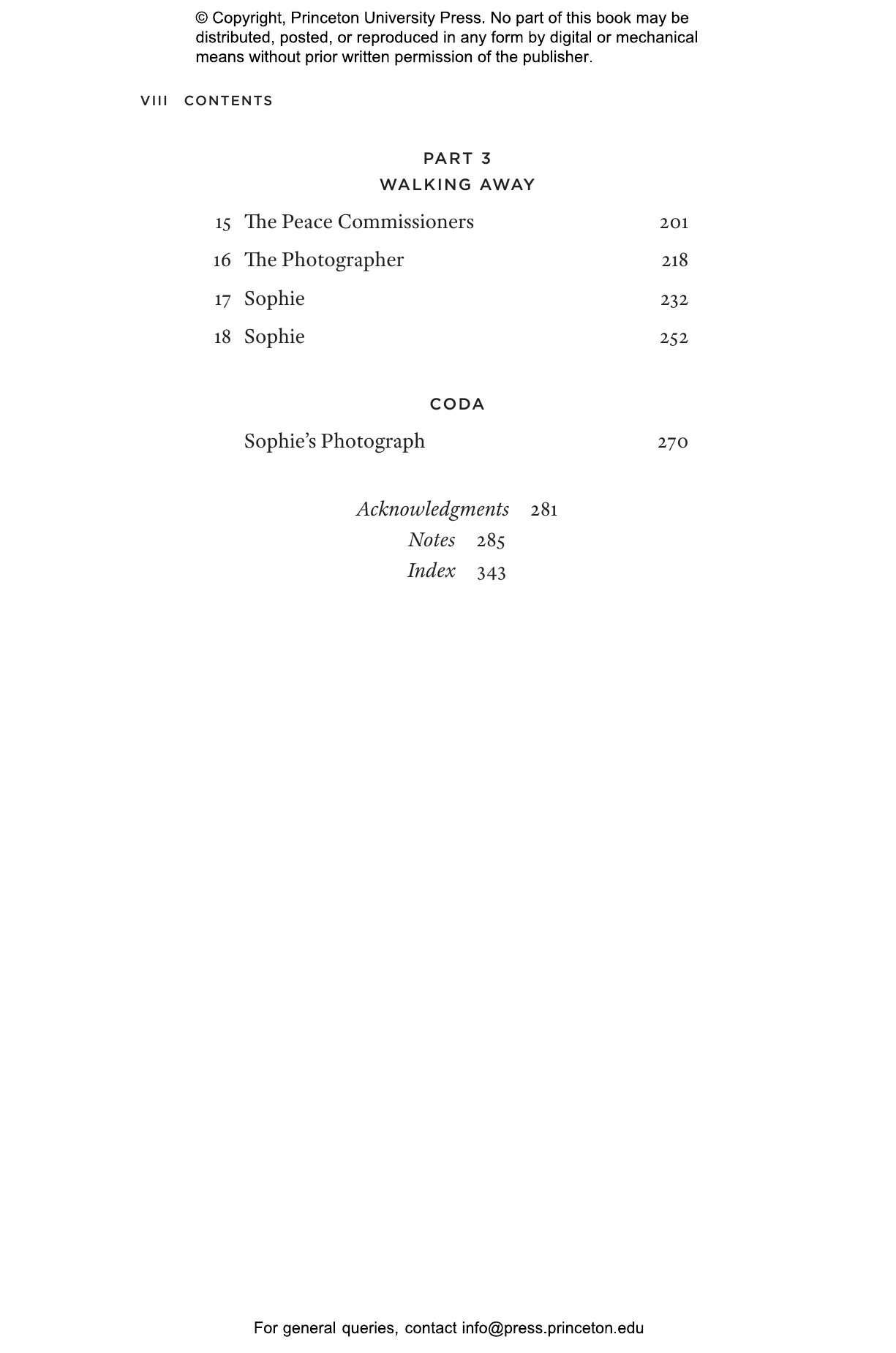
This publication has been produced to meet accepted Accessibility standards and contains various accessibility features including concise image descriptions, a table of contents, a page list to navigate to pages corresponding to the print source version, and elements such as headings for structured navigation. Appearance of the text and page layout can be modified according to the capabilities of the reading system.
Accessibility Features
-
WCAG v2.2
-
WCAG level AA
-
Table of contents navigation
-
Single logical reading order
-
Short alternative textual descriptions
-
Print-equivalent page numbering
-
Landmark navigation
-
Index navigation
-
Epub Accessibility Specification 1.1
-
ARIA roles provided
-
All non-decorative content supports reading without sight
-
No known hazards or warnings