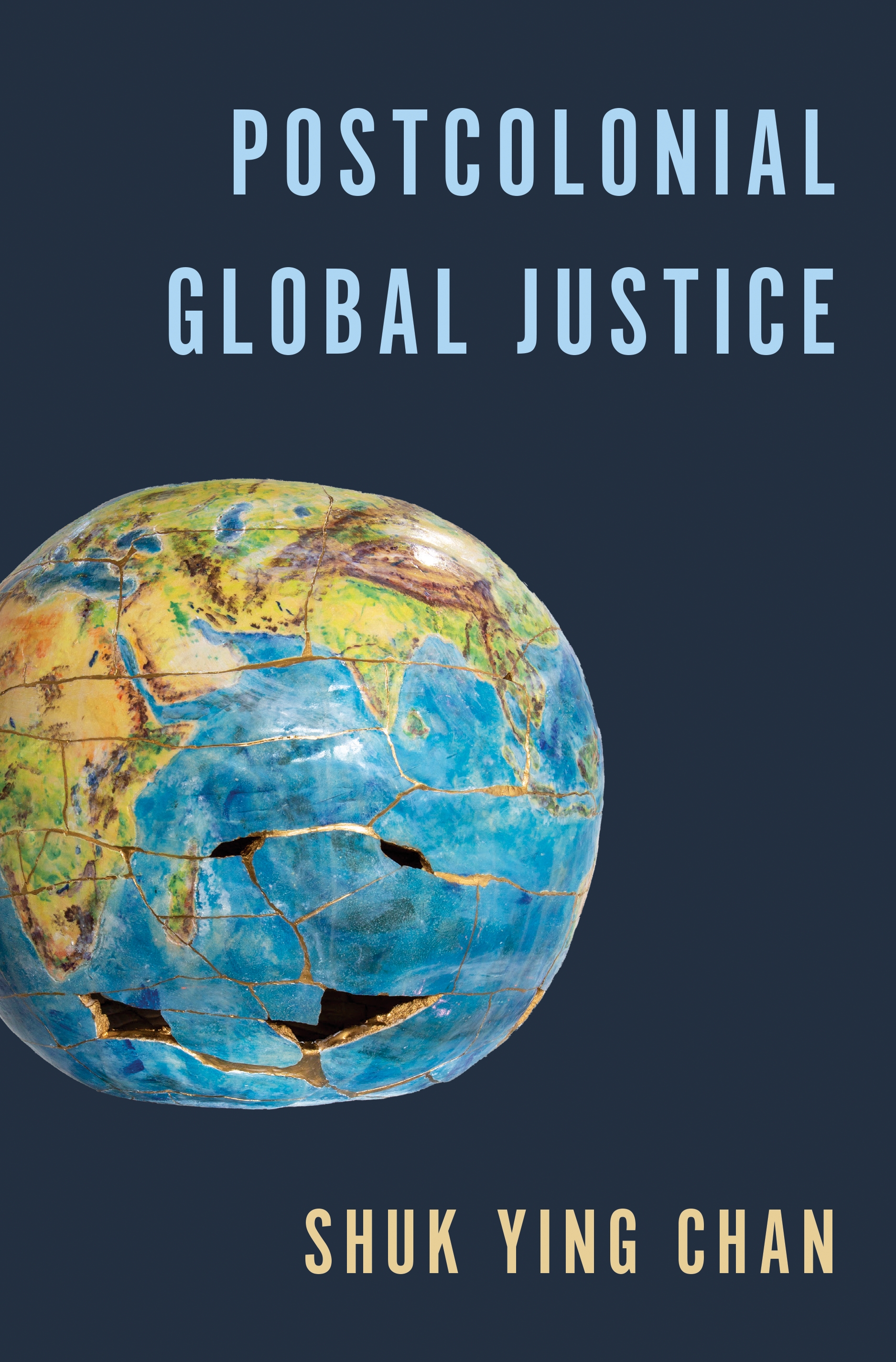
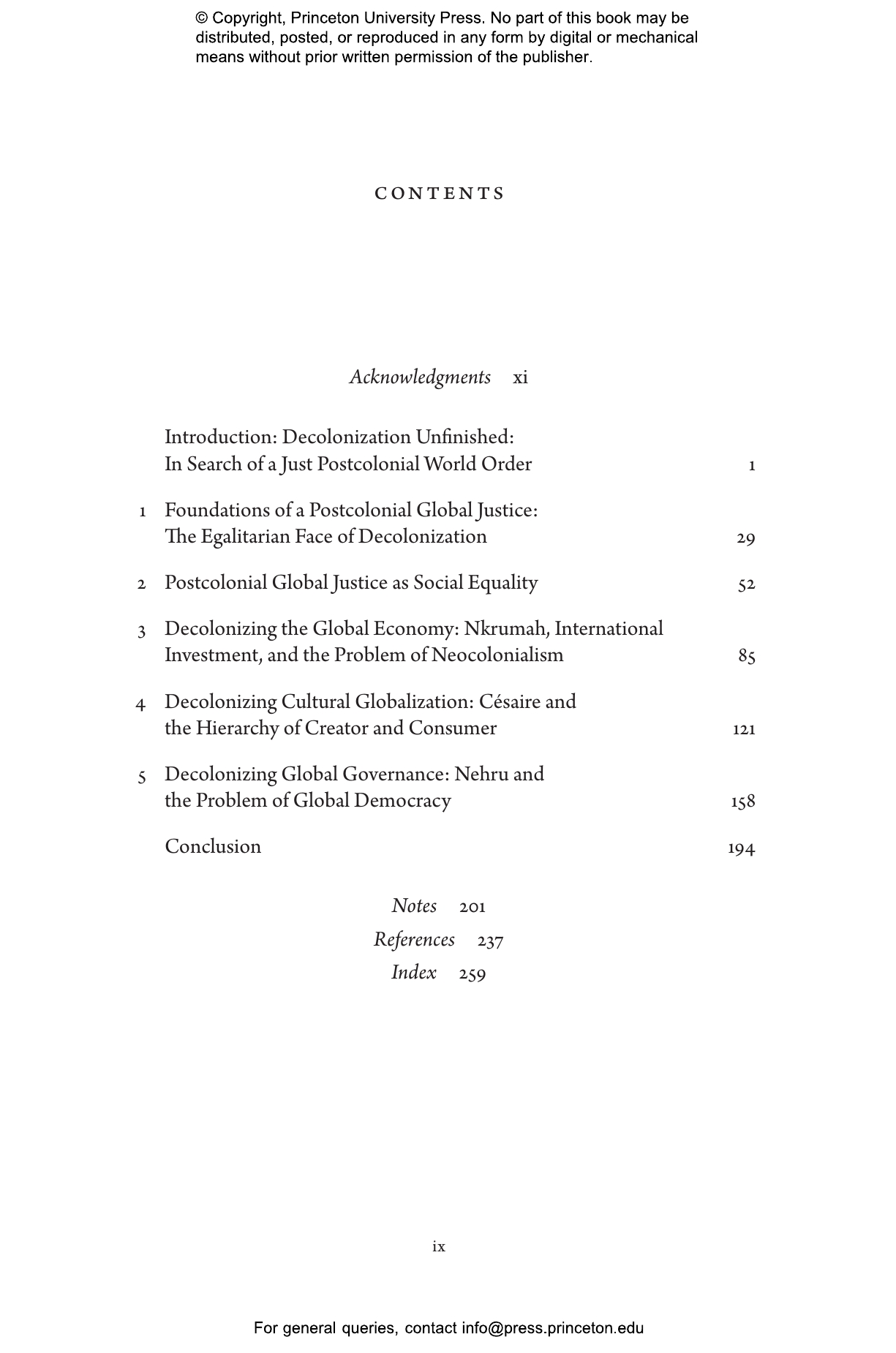
Postcolonial Global Justice
Hardcover
ebook (EPUB via app)
- Sale Price:
- $27.97/拢24.50
- Price:
-
$39.95/拢35.00 - ISBN:
- Published:
- Aug 19, 2025
- Copyright:
- 2025
30% off with code PUP30
ebook (PDF via app)
- Sale Price:
- $27.97/拢24.50
- Price:
-
$39.95/拢35.00 - ISBN:
- Published:
- Aug 19, 2025
- Copyright:
- 2025
30% off with code PUP30
-
Audio and ebooks (EPUB and PDF) purchased from this site must be accessed on the
快色直播 app. After purchasing, you will receive an email with
instructions to access your purchase.
About audio and ebooks - Request Exam Copy
Politicians and activists today turn to the language of decolonization to call attention to such issues as cultural and linguistic decline, exploitative foreign investment, and global institutions dominated by superpowers. But does anticolonial thought really provide a model for reimagining world politics? The history of decolonization has not resulted in the liberating transformations that many envisioned. In Postcolonial Global Justice, Shuk Ying Chan proposes a new account of postcolonial global justice centered around the value of social equality. Drawing on the thought of Aim茅 C茅saire, Frantz Fanon, Kwame Nkrumah, and Jawaharlal Nehru, Chan argues that a central theme in anticolonial thought is the rejection of hierarchy and the embrace of equality. These ideas from decolonization, she suggests, give us tools for critiquing contemporary global hierarchies and for rejecting postcolonial nationalism more concerned with policing its citizens than promoting their freedom and equality.
Following the wave of postcolonial state-founding in the twentieth century, many in the West saw decolonization as largely accomplished鈥攁nd yet global politics continue to feature hierarchies that resemble colonial relations. Chan investigates these new and persistent colonial hierarchies across three areas of contemporary world politics: international investment, cultural imperialism, and global governance. Exploring the changes needed to move toward a new, more equal postcolonial world order, Chan offers a vision of global justice rooted in the unrealized egalitarian aspirations of anticolonial thinker-activists, prompting us to rethink what decolonization may mean today.
