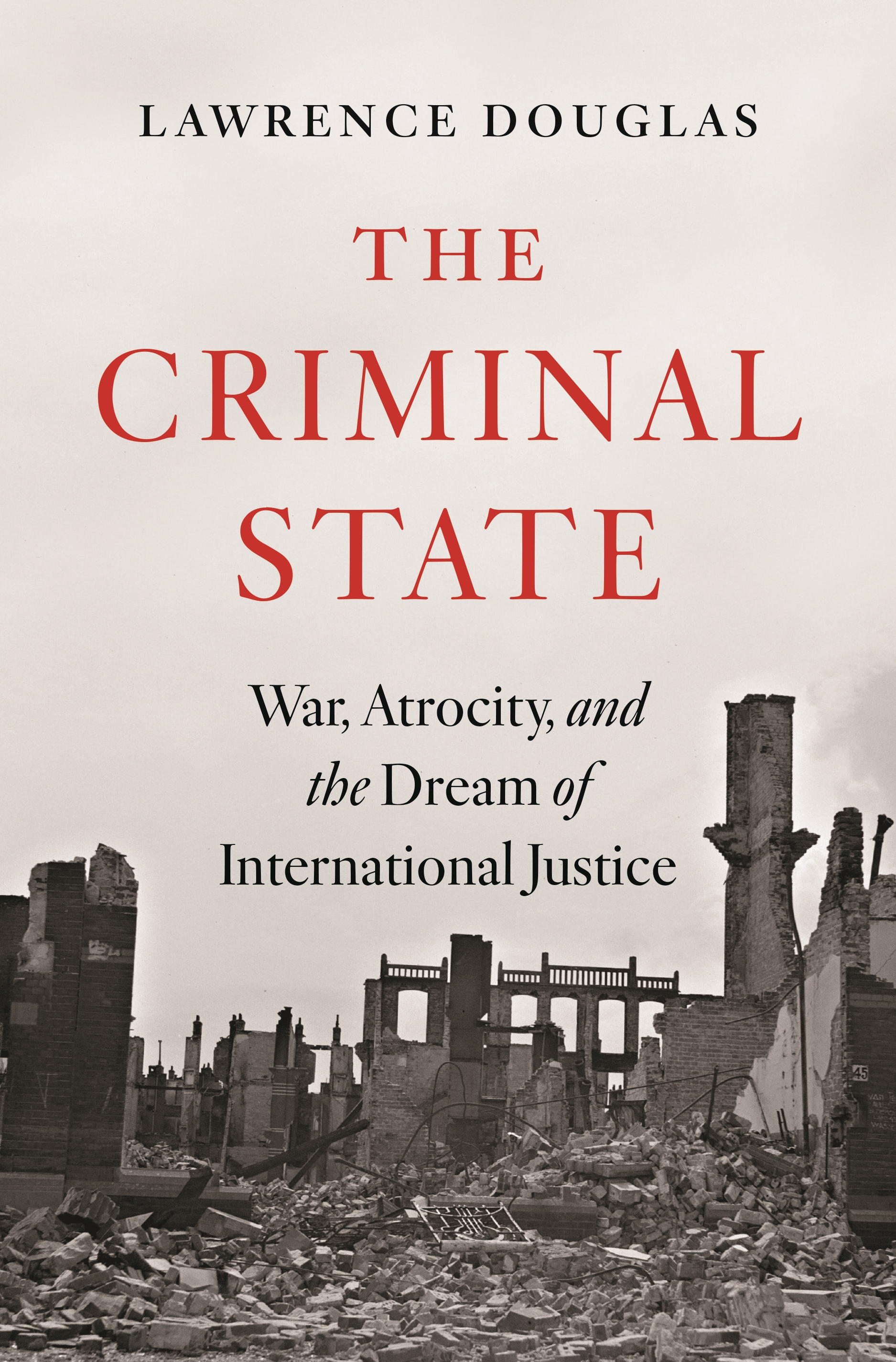
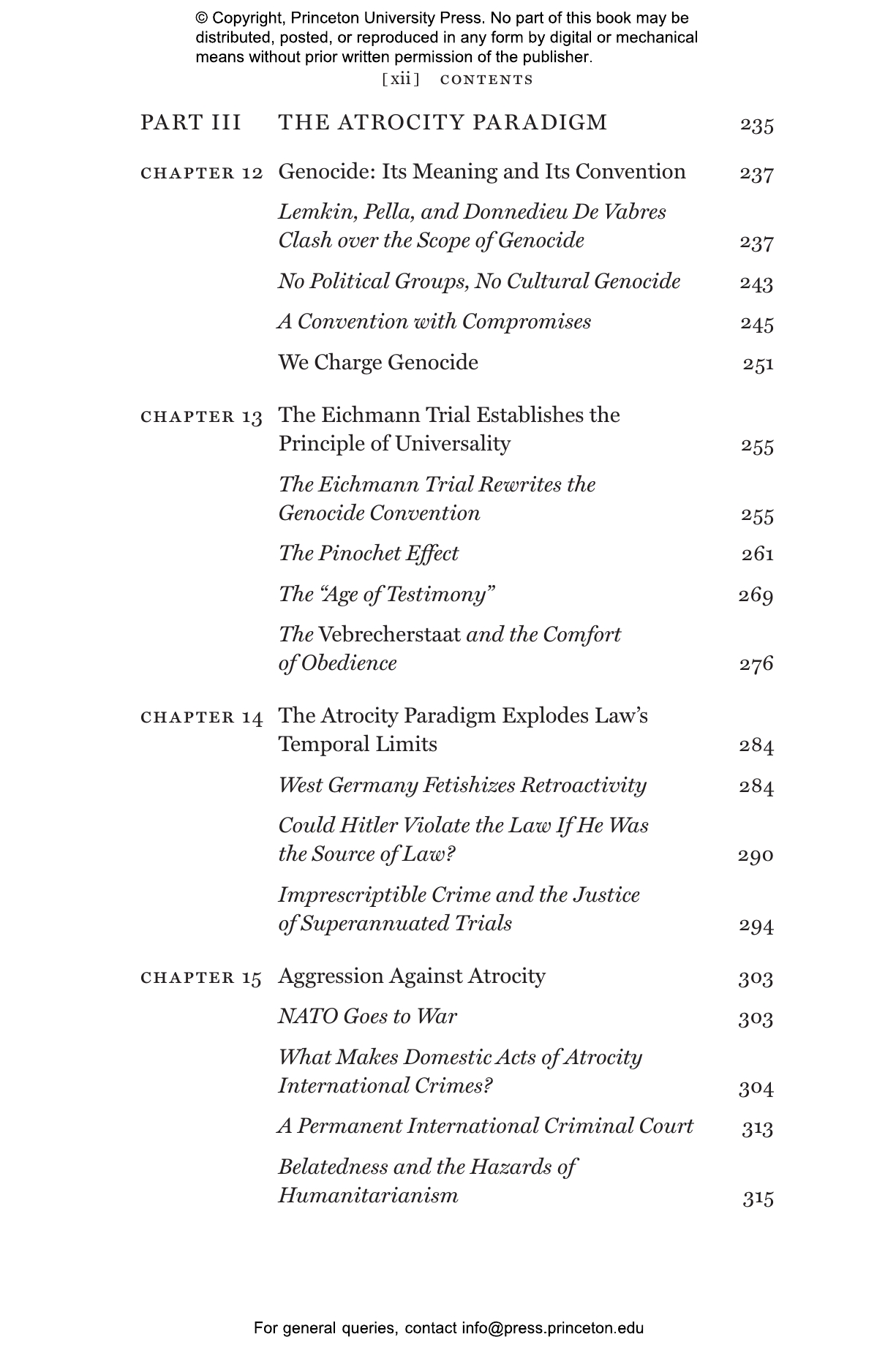
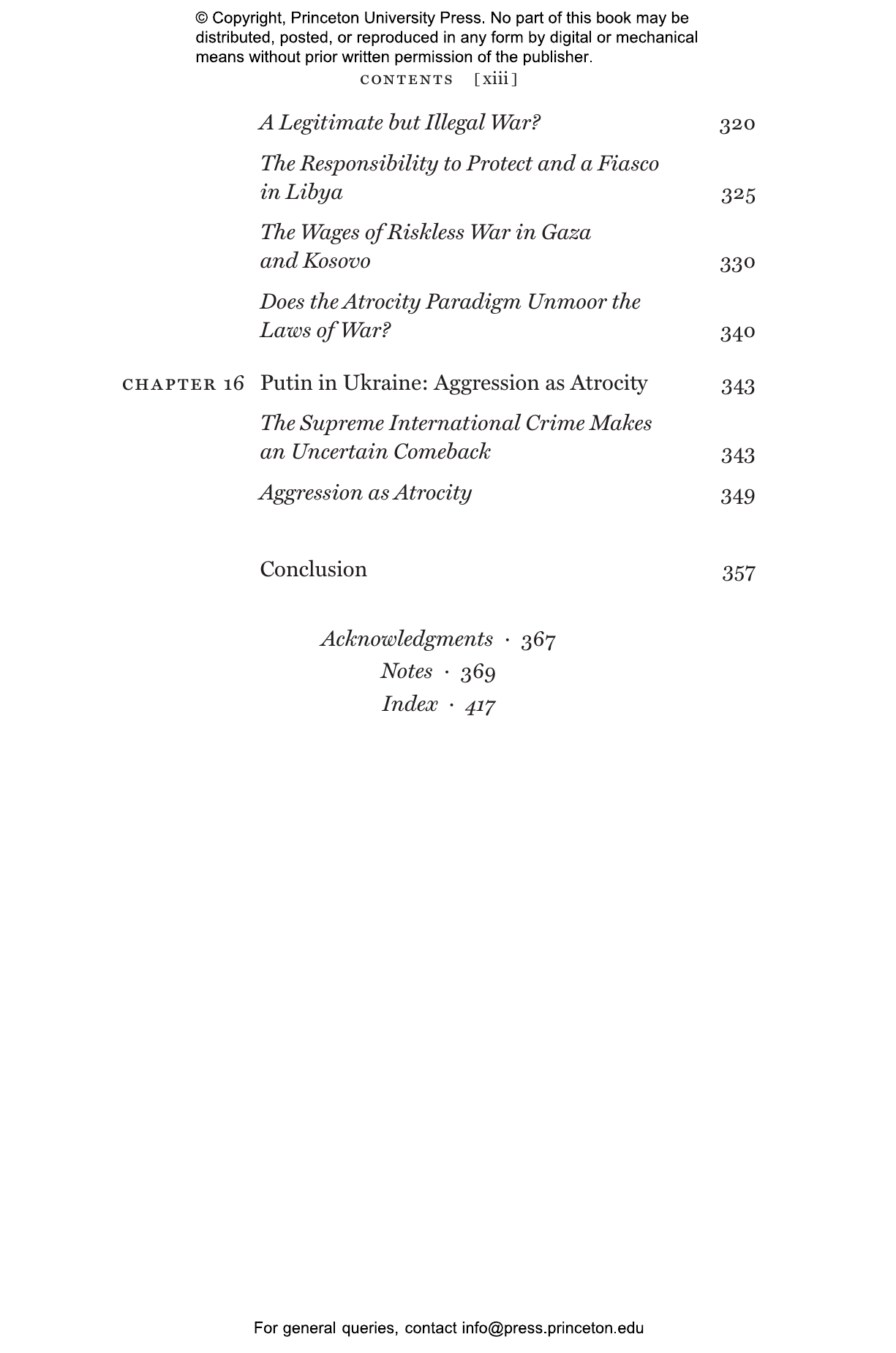
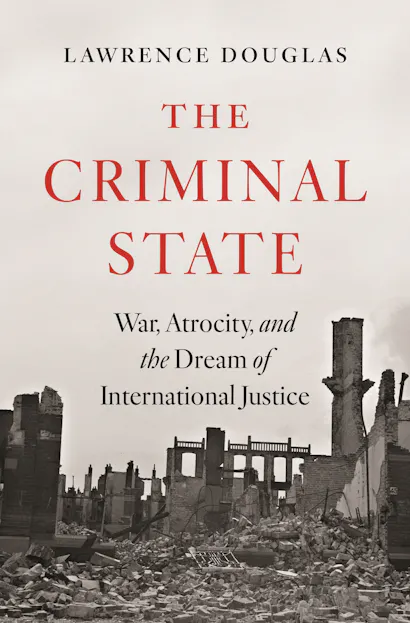
The Criminal State offers a gripping account of how law has confronted the most radical forms of state violence. Beautifully written, broad in scope, and bracingly original, it weaves history with political thought to trace the shifting legal response to state aggression and atrocities, from Leopold鈥檚 rule over the Congo to Putin鈥檚 war in Ukraine.
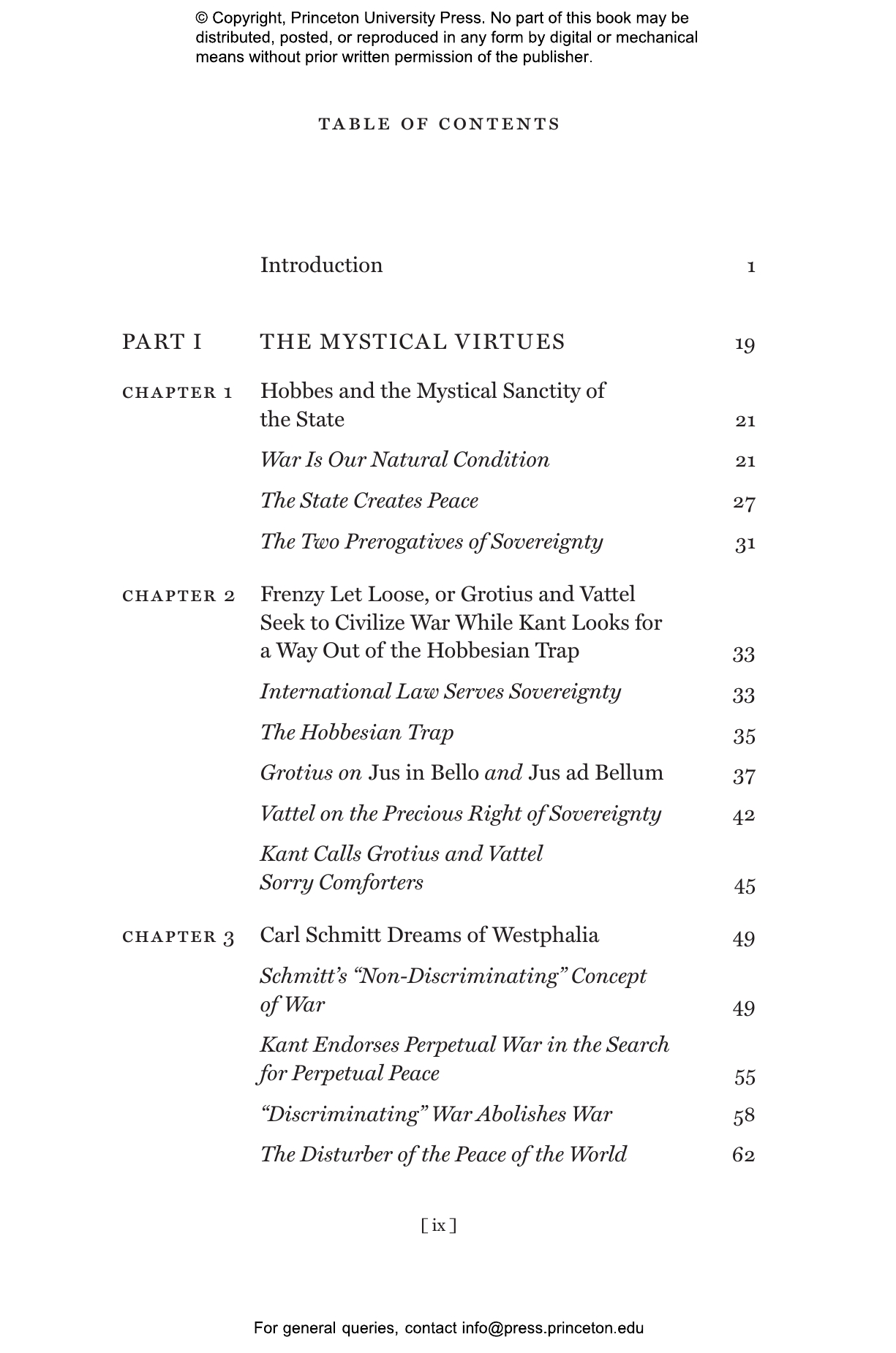
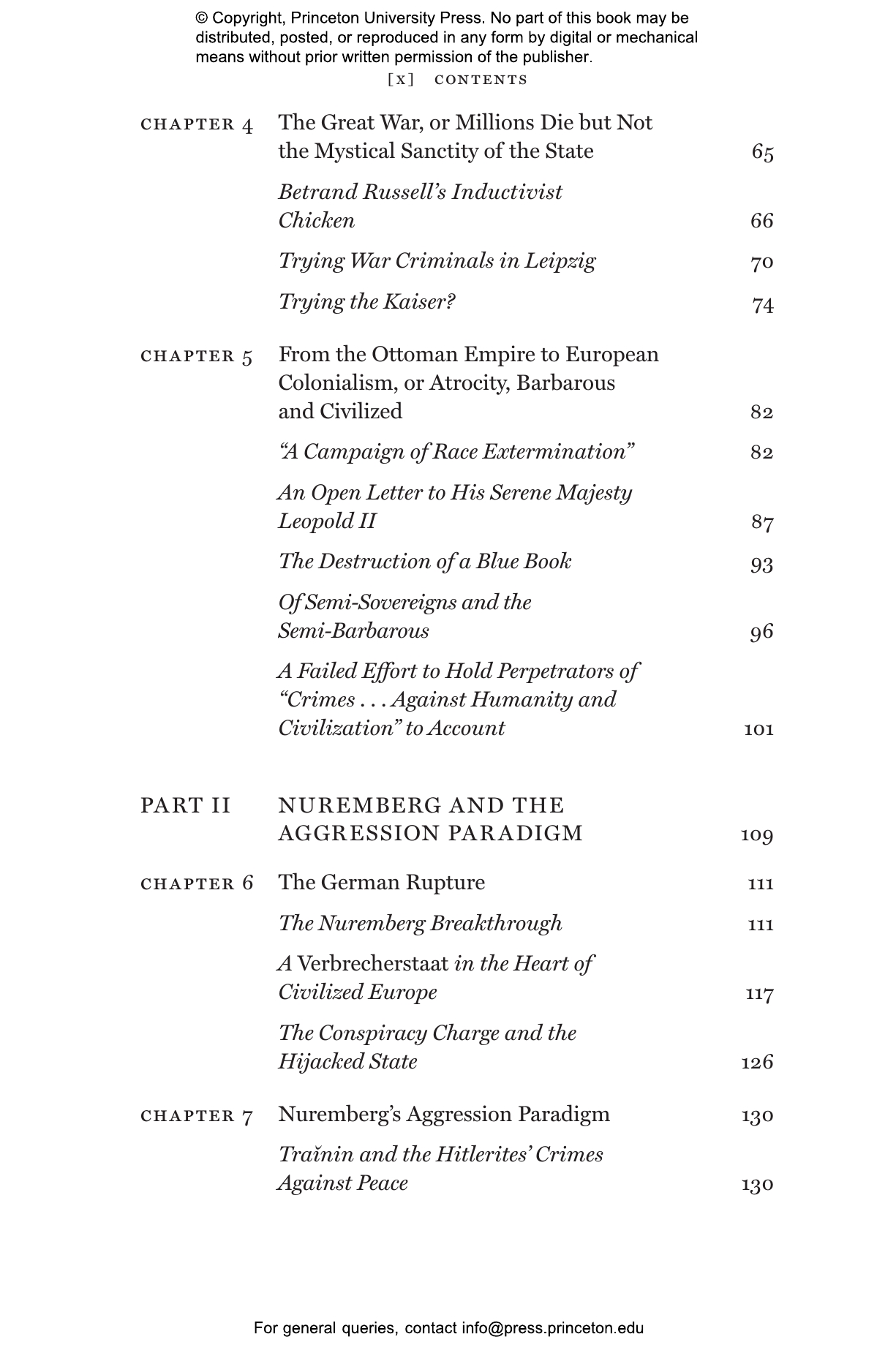
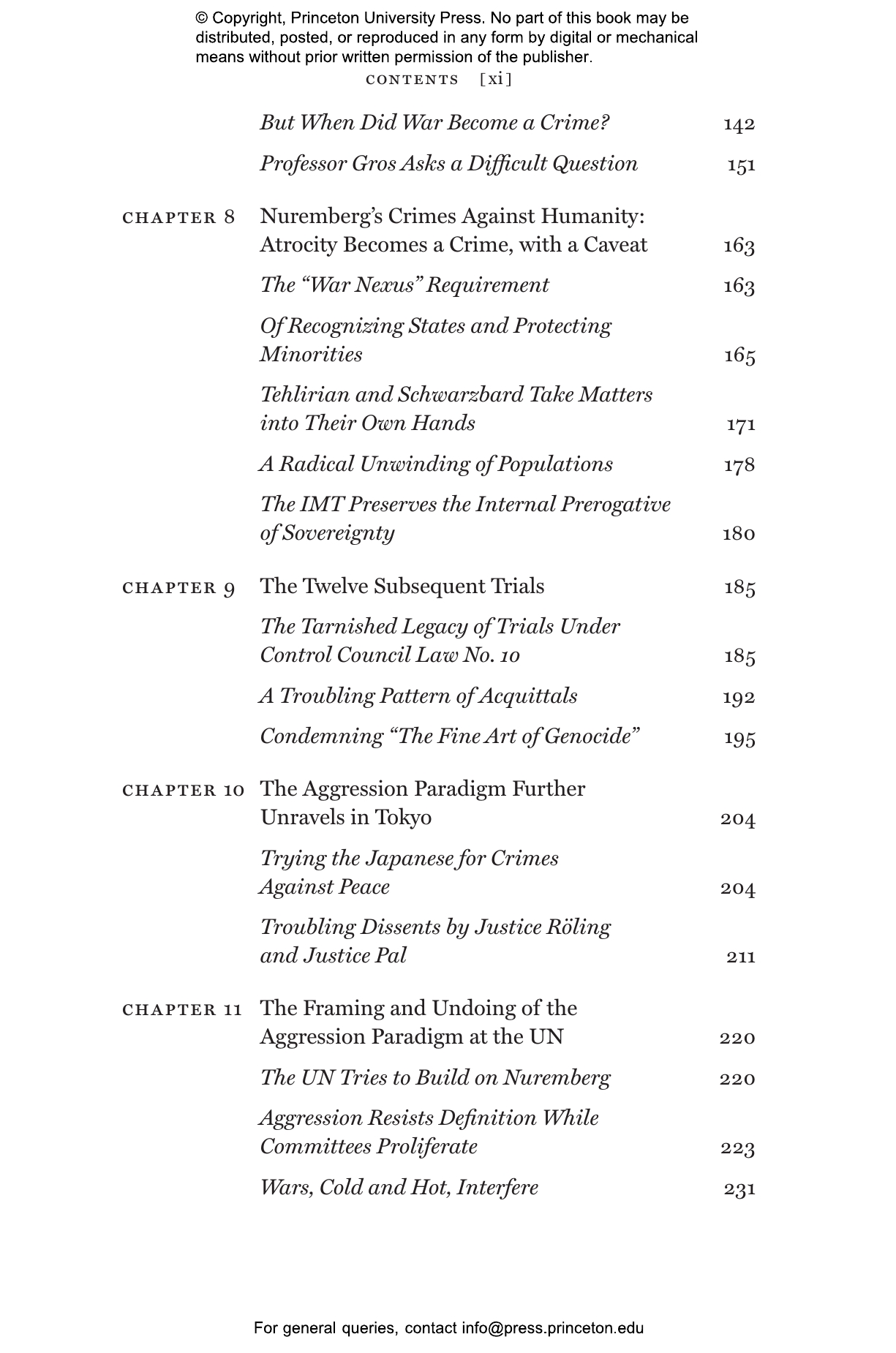
At its heart is Lawrence Douglas鈥檚 fresh interpretation of the law鈥檚 reckoning with Nazi aggression and atrocity. He shows how the Nuremberg trials challenged centuries of thought鈥攔ooted in Hobbes and other canonical thinkers鈥攖hat shielded sovereigns from legal scrutiny. Yet Nuremberg鈥檚 bid to frame aggression as the cornerstone of a new order of international criminal law largely failed, giving way to a system now centrally concerned with crimes against humanity and genocide鈥攚hile leaving unresolved the legality and effectiveness of using force to stop the worst violations of human rights.
Providing rare historical perspective on the dilemmas facing international courts, The Criminal State is a sweeping, provocative history of the struggle to bring perpetrators of state violence to justice.
Awards and Recognition
- One of Foreign Policy's Most Anticipated 快色直播 of the Year
"Douglas deftly weaves together philosophy, history, and law to show how the international community has beaten a hasty retreat from prosecuting the crime of aggression since Nuremberg."鈥擫aura Mills, Foreign Policy
"[A] comprehensive history of the evolution of laws criminalizing state violence. . . . A lucid investigation of a complex area of international law and the political order."鈥�Kirkus Reviews
"The Criminal State is essential reading."鈥擲unny Peter, Diplomacy & Politics
“A vital, affecting, and powerful meditation on individual crimes and responsibilities under the lawless state. The Criminal State is truly a book for our times, a resonant and finely crafted reminder of the fragility of global order and its necessity.”—Philippe Sands, author of East West Street: On the Origins of “Genocide” and “Crimes Against Humanity”
“At a time of widespread impunity for lawless governments, Lawrence Douglas has written a rich, provocative study of how international law has charged the state itself as a criminal organization. Rather than treating the state as a protector against violence and abuse, this compelling book understands the Nuremberg and Tokyo trials as crucial moments when international law pitted itself against state-sponsored crimes of aggression. It makes a powerful argument that aggressive war should be prosecuted because it leads to war crimes and mass atrocity, posing hard questions about what can be really expected from international criminal law.”—Gary J. Bass, author of Judgment at Tokyo
“It is hard to say which part of this brilliant book is most impressive—its sharp analysis of sovereignty as a roadblock to international justice, its masterful account of the struggle to define Nazi atrocities as crimes under international law, or its haunting conclusion that the state itself can become a criminal enterprise. A tour de force of legal sleuthing and urgent moral peril.”—Lauren Benton, author of They Called It Peace: Worlds of Imperial Violence
“This is an epic study of an epoch-making transformation in politics and law: after centuries, the halo of sovereignty protecting states was cast down. After a first plan to hold states accountable for their aggression, the prosecution of leaders for atrocity became the preferred model. Lawrence Douglas’s dramatic and learned story allows magnificent perspective on today’s headlines—perspective the world needs, since it is by no means clear that international affairs have been transformed by law in the right ways.”—Samuel Moyn, author of The Last Utopia: Human Rights in History
“Timely and engaging. Shedding critical light on consequential world events and the great thinkers of international law, Lawrence Douglas chronicles the project of international criminal justice in an effort to reconcile the perennial paradox of sovereignty, which positions the state as both a protector against and a purveyor of violence.”—Beth Van Schaack, Stanford University, former US Ambassador-at-Large for Global Criminal Justice
“Can a state commit crimes? As Lawrence Douglas shows in this intelligent and powerful book, the pitfalls and paradoxes in assessing international violence through the lens of criminal law are quite daunting and challenge received humanitarian conventions and the very idea of state sovereignty.”—Martti Koskenniemi, author of To the Uttermost Parts of the Earth: Legal Imagination and International Power, 1300–1870
“The Criminal State represents one of the most significant scholarly contributions I have read in years. This is a superb book, destined to become a classic in the literature on international criminal justice and its history. It is strongly argued, the research is vast in scope, and the writing is terrific.”—David Luban, Georgetown Law School