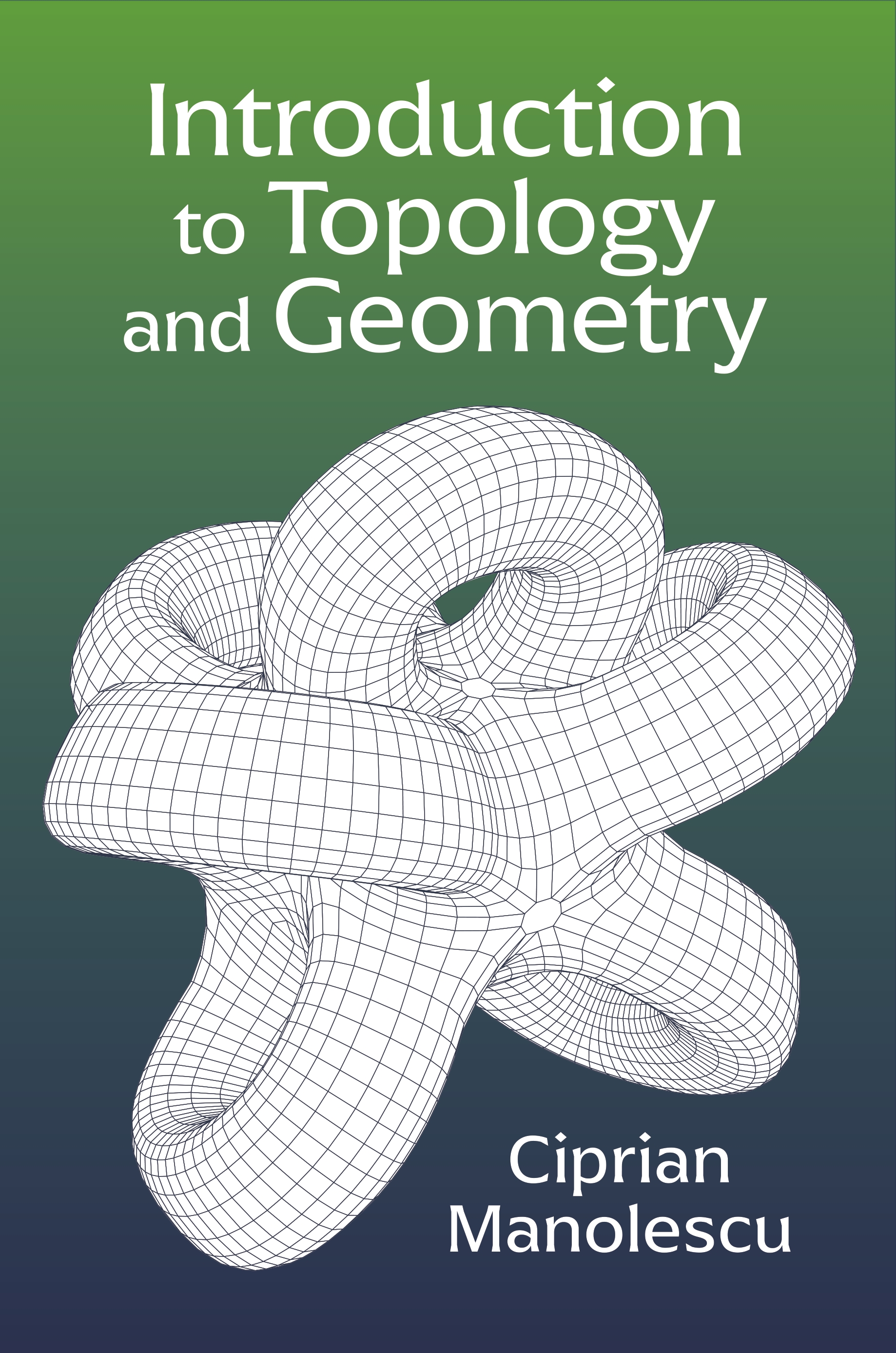
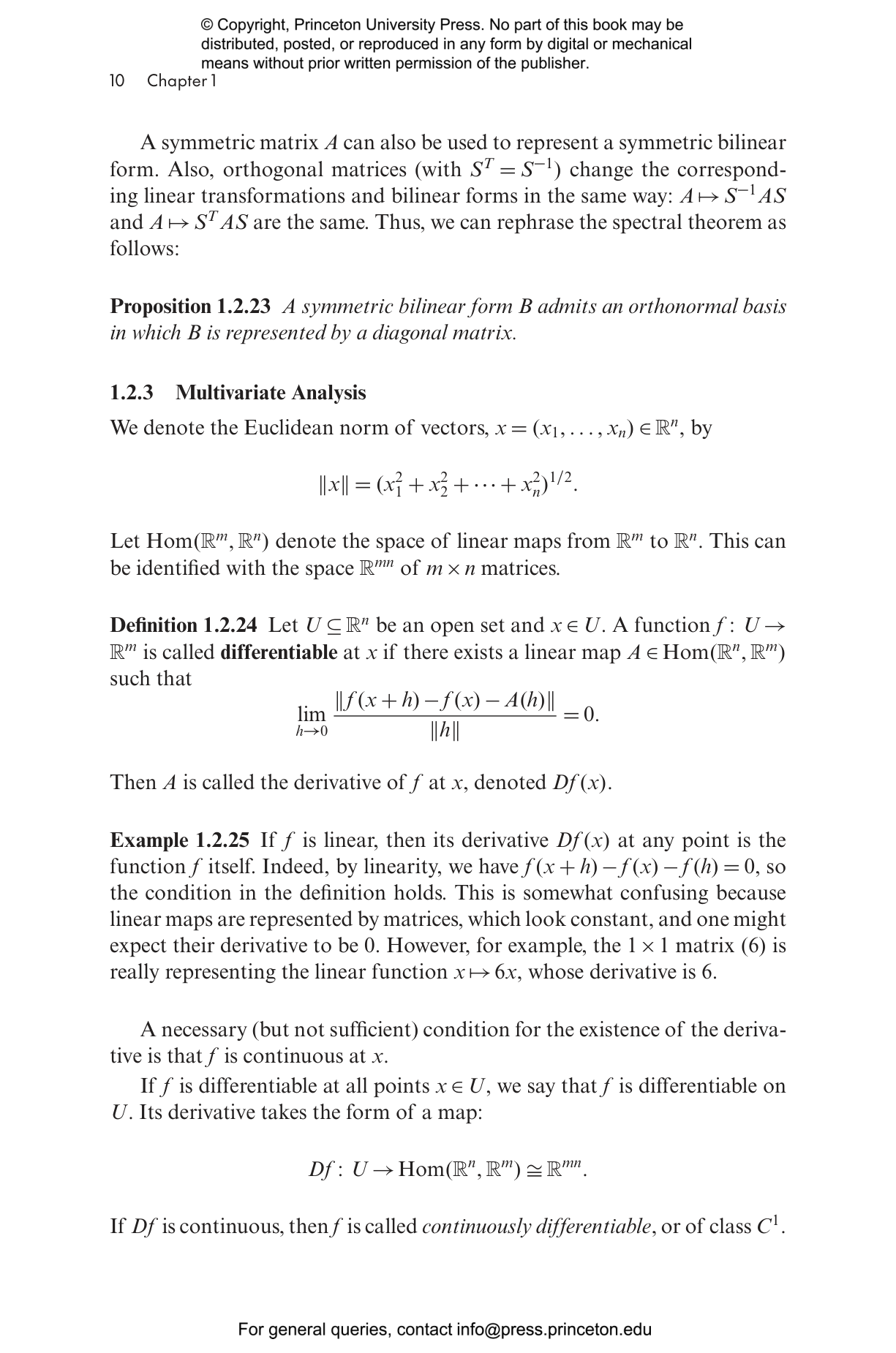
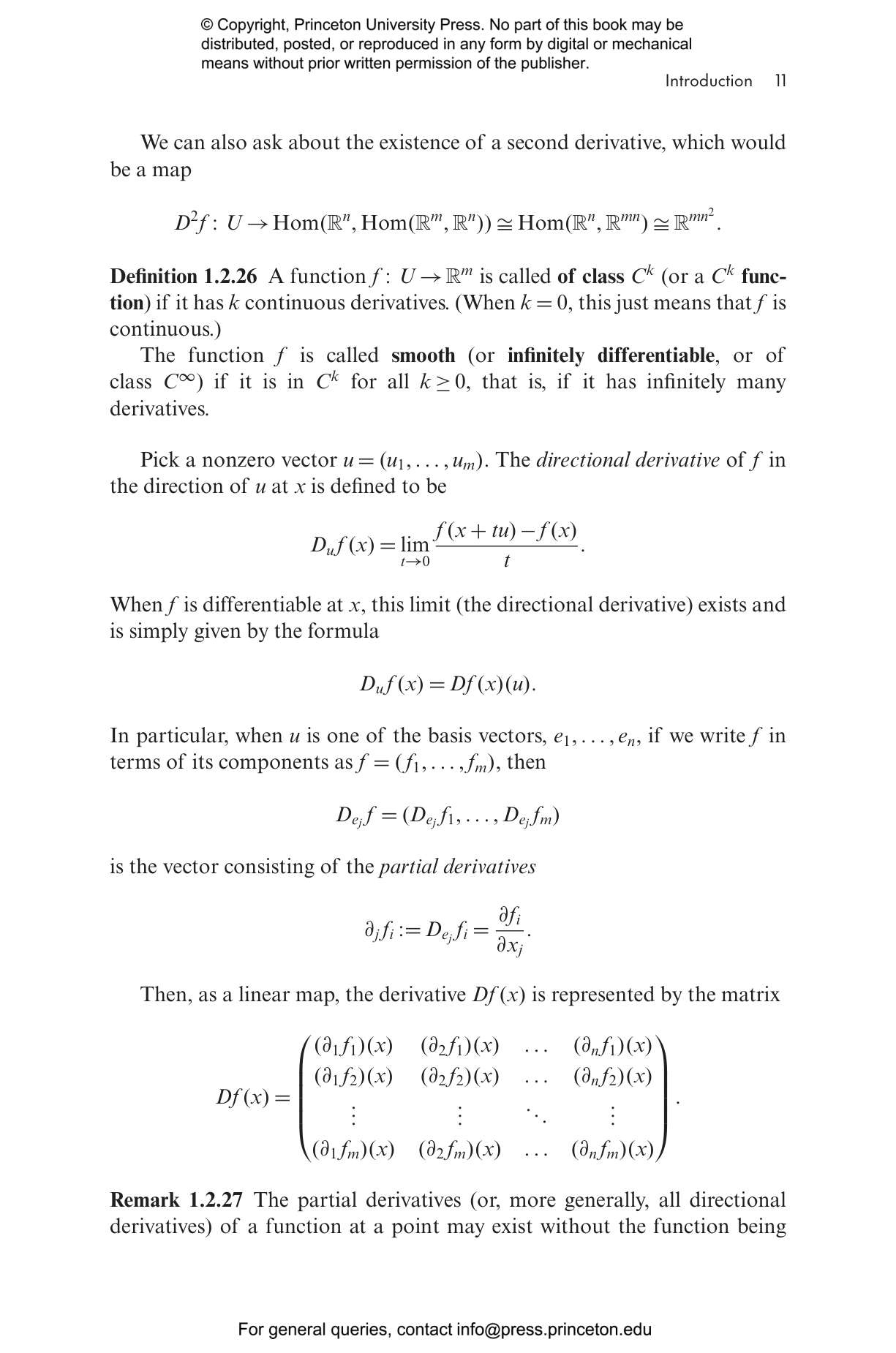
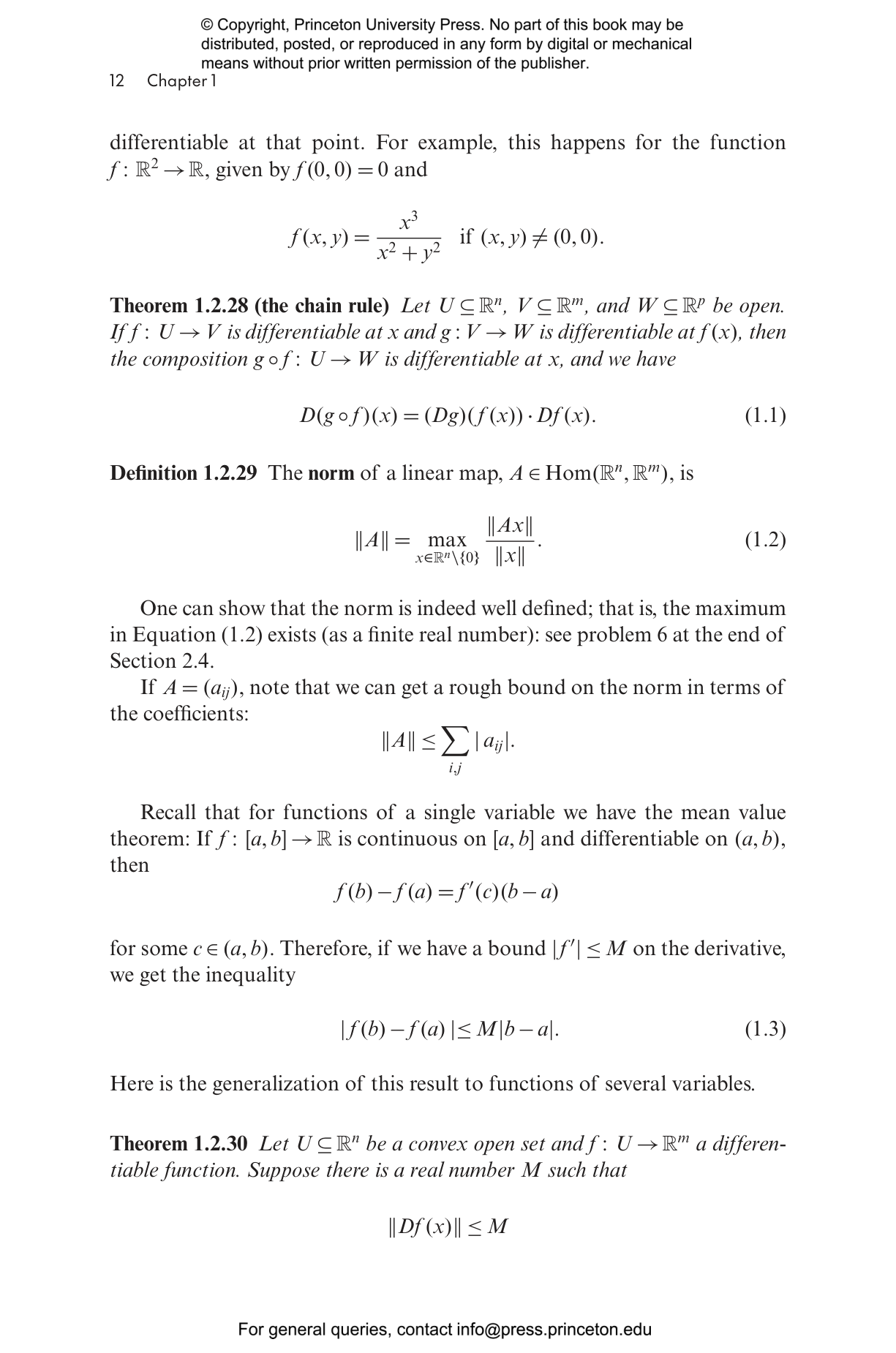
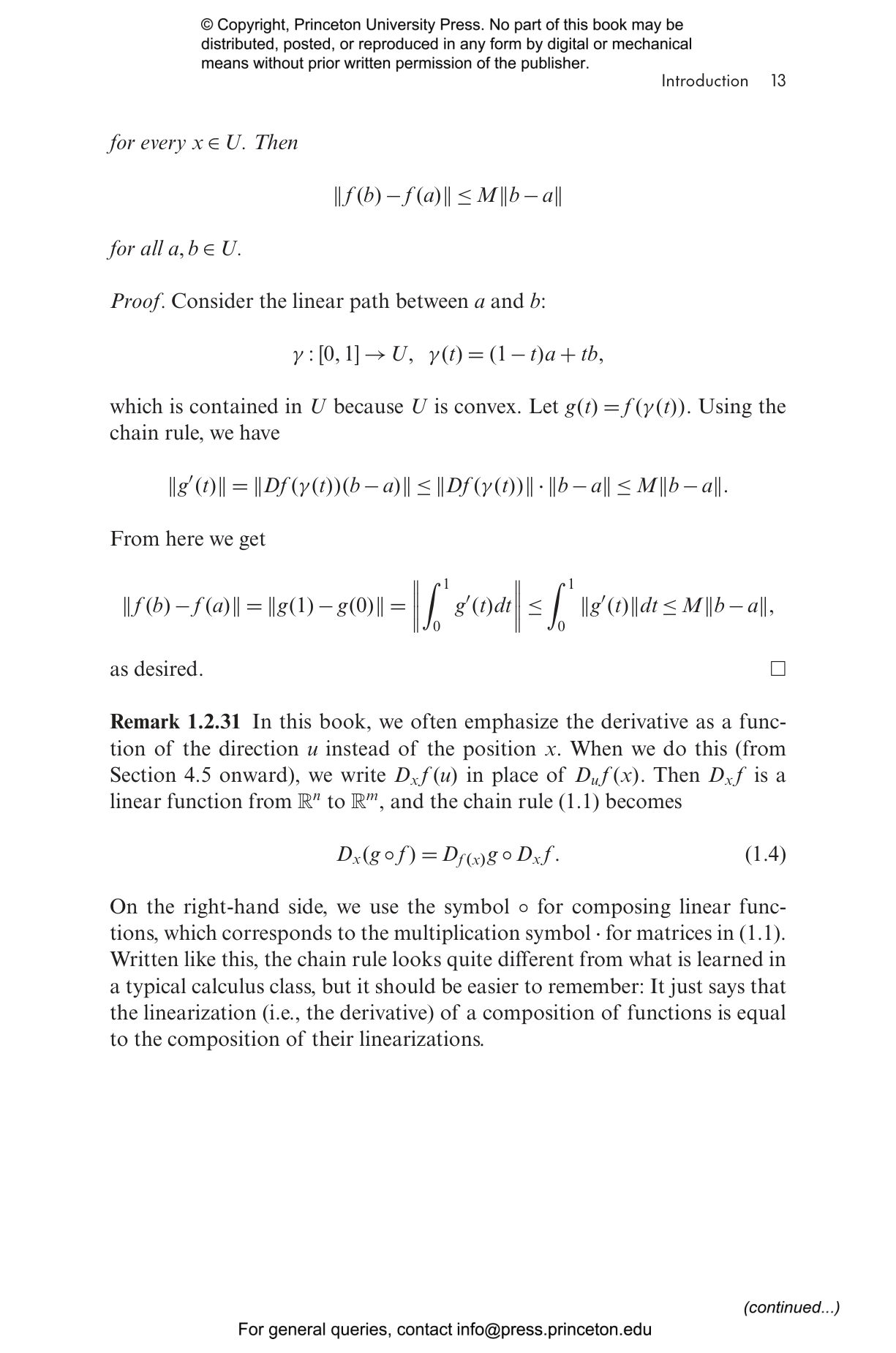
Topology and geometry are branches of mathematics with applications in fields ranging from physics and chemistry to computer science and economics. This textbook offers a rigorous yet accessible approach to the subject that integrates key concepts while providing a robust toolkit that can serve as a starting point for further specialization in diverse areas. It builds intuition by first exploring metric spaces and identifying which properties are topological鈥攖hat is, unchanged by continuous transformations鈥攁nd goes on to discuss topological spaces, topological manifolds, simplicial complexes, smooth manifolds, and Riemannian manifolds. Richly illustrated to encourage students to think visually, Introduction to Topology and Geometry is an essential introduction for advanced undergraduates and beginning graduate students in mathematics and related disciplines.
- Provides a unified treatment of point-set topology, differential topology, and differential geometry
- Prioritizes a deep understanding of core definitions and concepts
- Includes complete proofs of the inverse and implicit function theorems, Sard鈥檚 theorem, the Whitney embedding theorem, and Gauss鈥檚 Theorema Egregium
- Features exercises at the end of each section and a wealth of figures that illustrate the proofs, definitions, and examples presented in the text
- Adaptable to semester-long and quarter-long courses
Ciprian Manolescu is professor of mathematics at Stanford University.
- Preface
- 1 Introduction
- 1.1 Overview
- 1.2 Prerequisites
- 2 Metric Geometry
- 2.1 Metric Spaces
- 2.2 Continuity
- 2.3 Isometries and Homeomorphisms
- 2.4 Compactness
- 2.5 Completeness
- 2.6 Topological Properties of Metric Spaces
- 3 Point-Set Topology
- 3.1 Topological Spaces
- 3.2 Examples
- 3.3 Bases
- 3.4 Interior and Closure
- 3.5 Countability Axioms
- 3.6 Separation Axioms
- 3.7 Compactness
- 3.8 Order Topologies
- 3.9 Connectedness
- 3.10 Product Topologies
- 3.11 Quotient Topologies
- 3.12 Topological Manifolds
- 3.13 Embeddings
- 3.14 Triangulations
- 4 Differential Topology
- 4.1 The Inverse Function Theorem
- 4.2 The Implicit Function Theorem
- 4.3 Smooth Manifolds
- 4.4 Examples
- 4.5 Derivatives
- 4.6 More on the Tangent Space
- 4.7 Immersions and Embeddings
- 4.8 Submanifolds
- 4.9 Submersions
- 4.10 Transversality
- 4.11 Sard鈥檚 Theorem
- 4.12 The Tangent Bundle
- 4.13 Embedding Theorems
- 4.14 Morse Functions
- 5 Differential Geometry
- 5.1 Riemannian Manifolds
- 5.2 The Distance Function
- 5.3 Riemannian Isometries
- 5.4 Non-Euclidean Geometries
- 5.5 Curves
- 5.6 Surfaces
- 5.7 Gauss鈥檚 Theorema Egregium
- Bibliography
- Index
“Introduction to Topology and Geometry is concise, well written, and as self-contained as such a textbook can realistically be. The organization is extremely effective and the diverse selection of problems ranges from the hands-on to the more theoretical. It’s amazing how the author has managed to cover so much material while keeping it genuinely accessible.”—Viktor Ginzburg, University of California, Santa Cruz
“Manolescu takes students from having minimal knowledge of topology to having a solid foundation in point-set and differential topology. The book enables them to learn what they need without getting distracted by excessive details. It is clearly presented and well written.”—Mark Powell, University of Glasgow
This publication has been produced to meet accepted Accessibility standards and contains various accessibility features including concise image descriptions, a table of contents, a page list to navigate to pages corresponding to the print source version, elements such as headings for structured navigation, and math formulas in accessible format. Appearance of the text and page layout can be modified according to the capabilities of the reading system.
Accessibility Features
-
WCAG v2.2
-
WCAG level AA
-
Table of contents navigation
-
Single logical reading order
-
Short alternative textual descriptions
-
Print-equivalent page numbering
-
Next / Previous structural navigation
-
Landmark navigation
-
Index navigation
-
Epub Accessibility Specification 1.1
-
ARIA roles provided
-
All non-decorative content supports reading without sight
-
Accessible math content as MathML
-
No known hazards or warnings