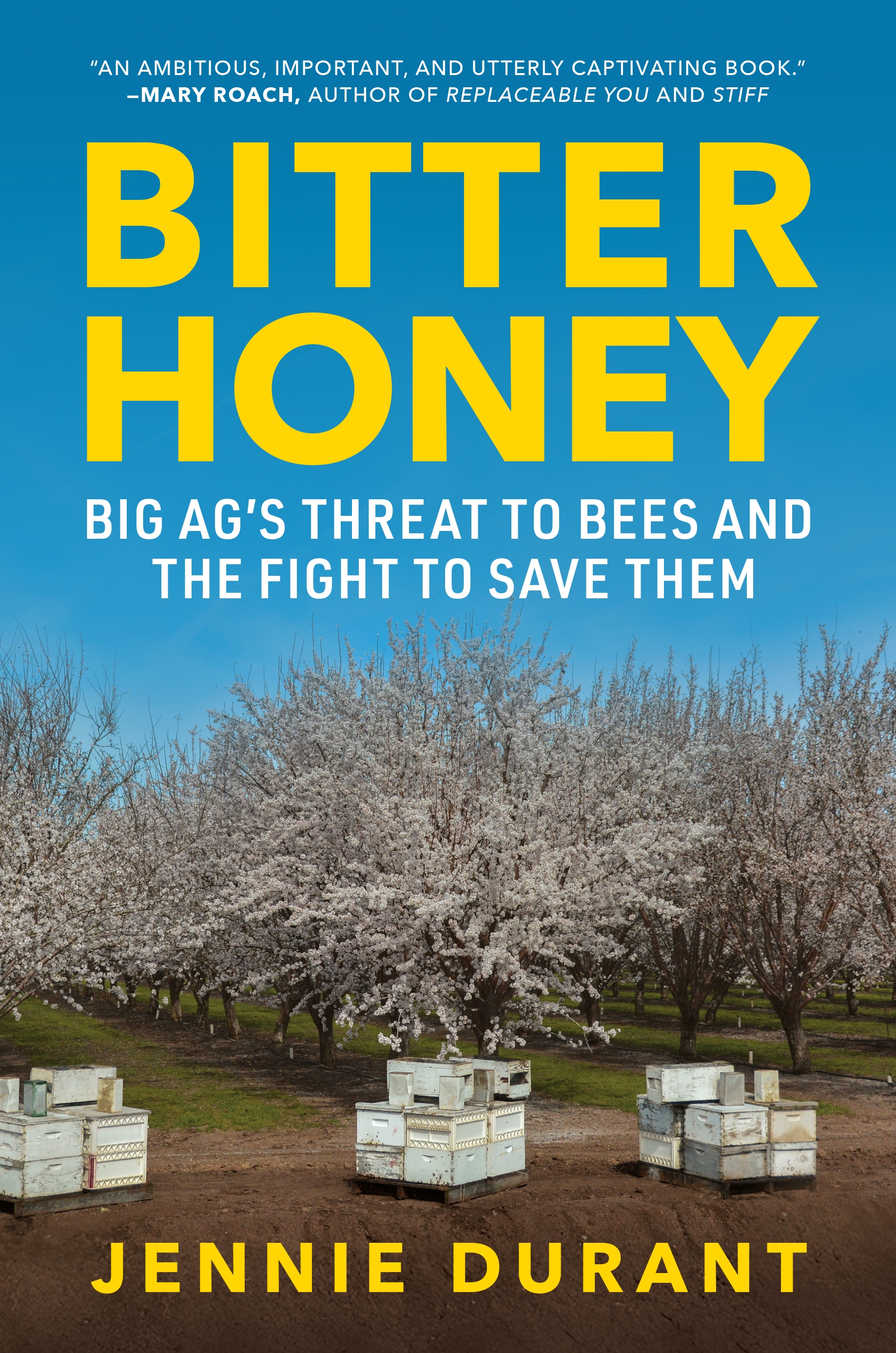
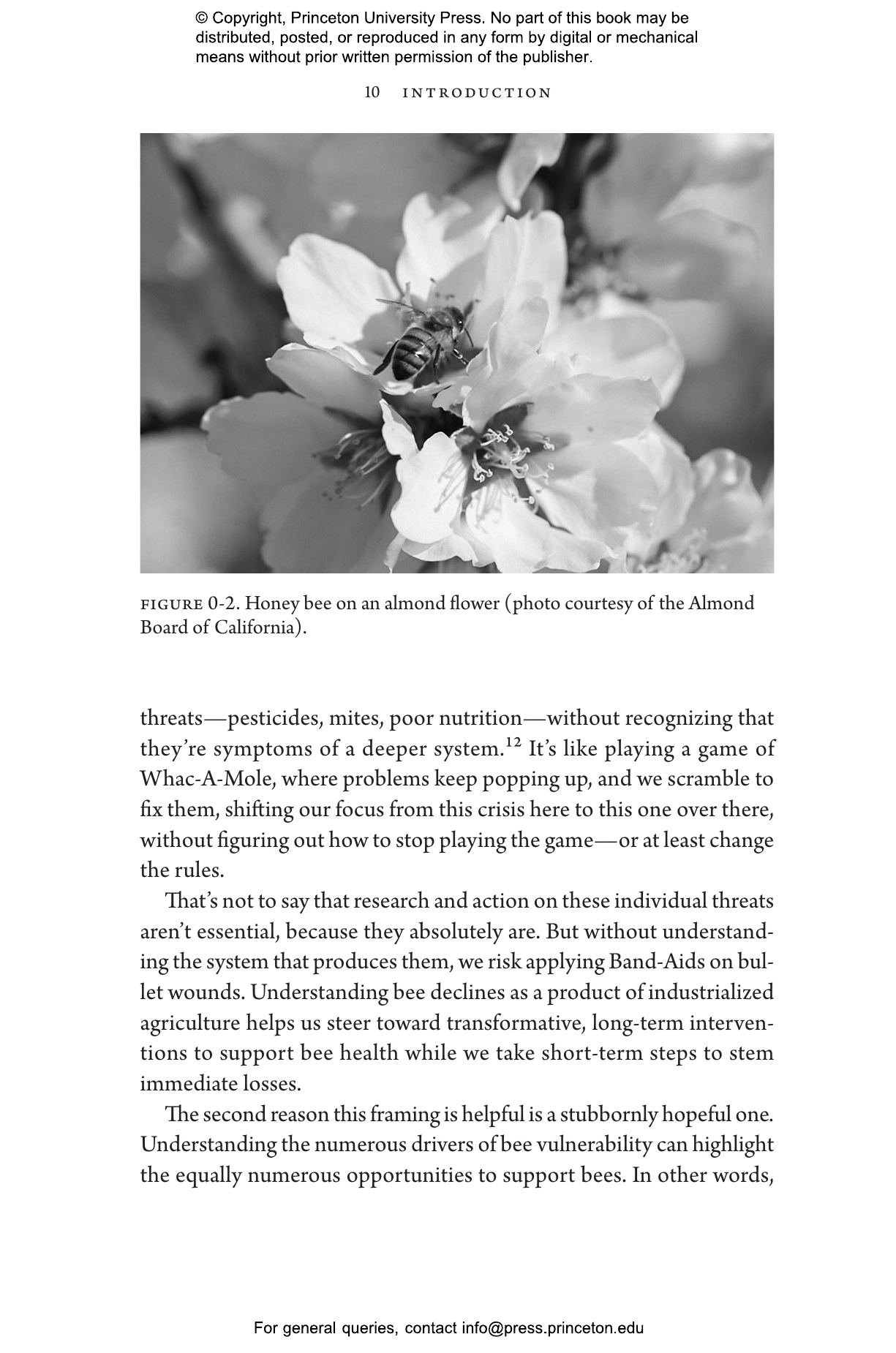
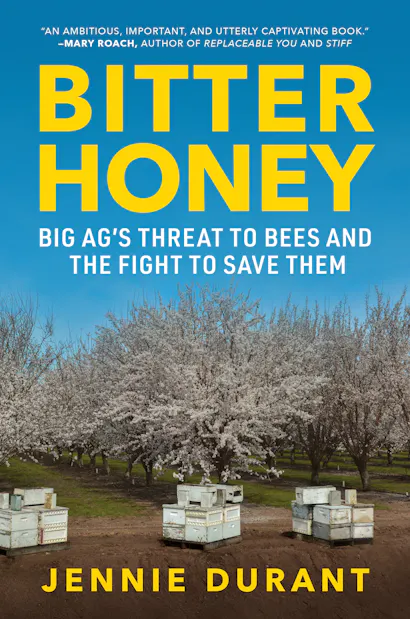
Each February, a vast yet largely invisible migration takes place across the United States. Semi-trucks stacked high with honey bee colonies head to California鈥檚 Central Valley, carrying nearly 99 percent of the nation鈥檚 domesticated bees. There, the bees pollinate millions of acres of blooming almond orchards before fanning out across the country for apples, berries, and other crops. This massive undertaking sustains both beekeepers and farmers鈥攂ut it comes at a heavy price.
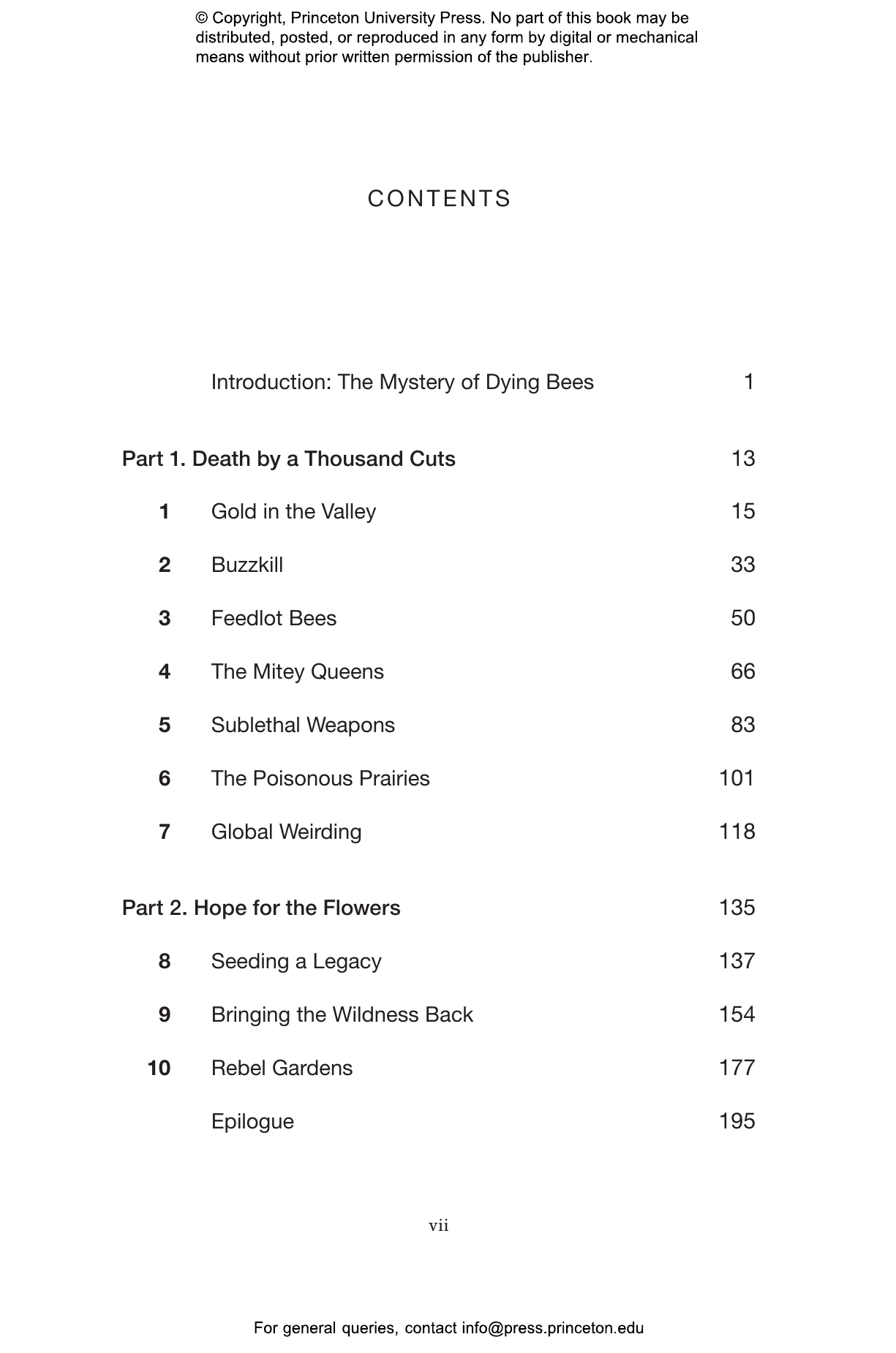
In Bitter Honey, Jennie Durant takes readers behind the scenes to reveal the human and ecological cost of industrial farming for bees, beekeepers, and all of us who depend on them. Bees today face a gauntlet of threats: parasites and disease, pesticide exposure, and climate extremes鈥攁ll magnified by Big Ag. Beekeepers, meanwhile, endure grueling practices just to survive, often losing half their hives each year.
But this isn鈥檛 a story of defeat. Durant introduces us to the beekeepers, farmers, and activists pioneering new ways to support both wild and managed bees. The stakes are high: nearly three-quarters of our major food crops depend on bees and other pollinators. Bitter Honey exposes the crisis threatening the nation鈥檚 bees and spotlights the advocates working to protect them for generations to come.
Jennie Durant is a writer and researcher focused on bees, agriculture, and the environment. She has spent more than a decade working with beekeepers, scientists, and policymakers, including time at the US Department of Agriculture and University of California, at both Davis and Berkeley. Her writing has appeared in Grist, Glamour, HuffPo, and the San Francisco Chronicle. She lives in the San Francisco Bay Area with her family.
"Environmental writer Durant debuts with a deeply researched expos茅 of the agricultural industry’s role in bee population decline. . . . [An] important wake-up call."鈥�Publishers Weekly
"A great expos茅 of the true cost of industrially farming US honeybees. . . . Durant paints a bleak, if honest, picture. In the second section of her book, however, she does offer some solutions, with forays into innovative planting, regenerative farming and rewilding."鈥擳homas Lewton, New Scientist
"[Jennie Durant's] years working with policymakers, beekeepers, and scientists have introduced her to key players at all levels of this impending national crisis, and their personal stories of triumph and frustration, creativity and determination make for lively and informative reading."鈥擟arol Haggas, Booklist
"Jennie Durant has written a very significant book. I urge everyone to read it. I swore to myself that I would resist calling it the new Silent Spring, but it's impossible not to. It's just that important."鈥擠avid Gascoigne, Travels with BIrds
“With the reportorial depth of John McPhee, the wit and wanderlust of Susan Orlean, and a quirky fizz all her own, Jennie Durant reveals the plight—and peculiarities—of an industry under siege. Baby-sucking mites, climate disasters, pesticide middlemen! Bee brokers. Honey laundering! This is an ambitious, important, and utterly captivating book.”—Mary Roach, New York Times bestselling author of Replaceable You and Stiff
“A captivating, compelling, and inspiring account of the trials and tribulations faced by bees and beekeepers in our modern, industrialized world.”—Dave Goulson, author of Silent Earth
“Bitter Honey is the new Silent Spring: a watershed book on the devastating consequences of commodifying nature to the brink of disaster. Deeply researched and compassionately written, this page turner will upend everything you thought you knew about bees, their place in our food systems, and what it will really take to save them.”—Nancy Lawson, author of The Humane Gardener and Wildscape
“In this beautifully written book, you’ll come to understand how toxic chemicals, climate change, and careless land management threaten bees that enrich ecosystems on which we all depend. This is a must read for anyone interested in understanding how we got into this mess, and it is also a call to action, offering creative ways we can nurture bees that nurture us for generations to come.”—Bart Elmore, author of Seed Money and Citizen Coke
This publication has been produced to meet accepted Accessibility standards and contains various accessibility features including concise image descriptions, a table of contents, a page list to navigate to pages corresponding to the print source version, and elements such as headings for structured navigation. Appearance of the text and page layout can be modified according to the capabilities of the reading system.
Accessibility Features
-
WCAG v2.2
-
WCAG level AA
-
Table of contents navigation
-
Single logical reading order
-
Short alternative textual descriptions
-
Print-equivalent page numbering
-
Landmark navigation
-
Index navigation
-
Epub Accessibility Specification 1.1
-
ARIA roles provided
-
All non-decorative content supports reading without sight
-
No known hazards or warnings