Fixation: How to Have Stuff without Breaking the Planet

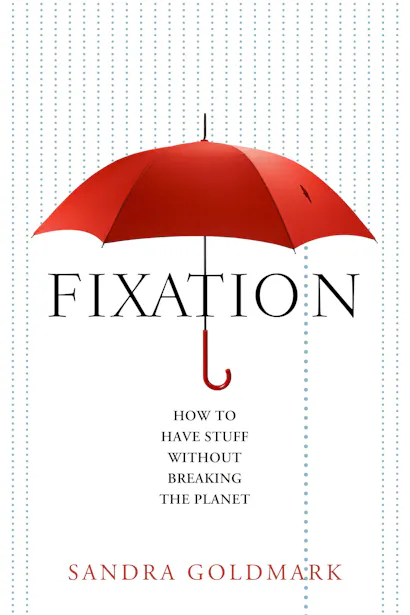
Hardcover
ebook (EPUB via app)
- Sale Price:
- $21.00/拢17.50
- Price:
-
$30.00/拢25.00 - ISBN:
- Published:
- Sep 22, 2020
- Copyright:
- 2020
- Size:
- 6 x 9 in.
- 10 illustrations
30% off with code PUP30
ebook (PDF via app)
- Sale Price:
- $21.00/拢17.50
- Price:
-
$30.00/拢25.00 - ISBN:
- Published:
- Sep 22, 2020
- Copyright:
- 2020
- Size:
- 6 x 9 in.
- 10 illustrations
30% off with code PUP30
-
Audio and ebooks (EPUB and PDF) purchased from this site must be accessed on the
快色直播 app. After purchasing, you will receive an email with
instructions to access your purchase.
About audio and ebooks - Request Exam Copy
Our massive, global system of consumption is broken. Our individual relationship with our stuff is broken. In each of our homes, some stuff is broken. And the strain of rampant consumerism and manufacturing is breaking our planet. We need big, systemic changes, from public policy to global economic systems. But we don鈥檛 need to wait for them.
Since founding Fixup, a pop-up repair shop that brought her coverage in The New York Times, Salon, New York Public Radio, and more, Sandra Goldmark has become a leader in the movement to demand better 鈥渟tuff.鈥� She doesn鈥檛 just want to help us clear clutter鈥攕he aims to move us away from throwaway culture, to teach us to reuse and repurpose more thoughtfully, and to urge companies to produce better stuff. Although her goal is ambitious, the solution to getting there is surprisingly simple and involves all of us: have good stuff, not too much, mostly reclaimed, care for it, and pass it on.
Fixation charts the path to the next frontier in the health, wellness, and environmental movements鈥攍earning how to value stewardship over waste. We can choose quality items designed for a long lifecycle, commit to repairing them when they break, and shift our perspective on reuse and 鈥減reowned鈥� goods. Together, we can demand that companies get on board. Goldmark shares examples of forward-thinking companies that are thriving by conducting their businesses sustainably and responsibly.
Passionate, wise, and practical, Fixation offers us a new understanding of stuff by building a value chain where good design, reuse, and repair are the status quo.