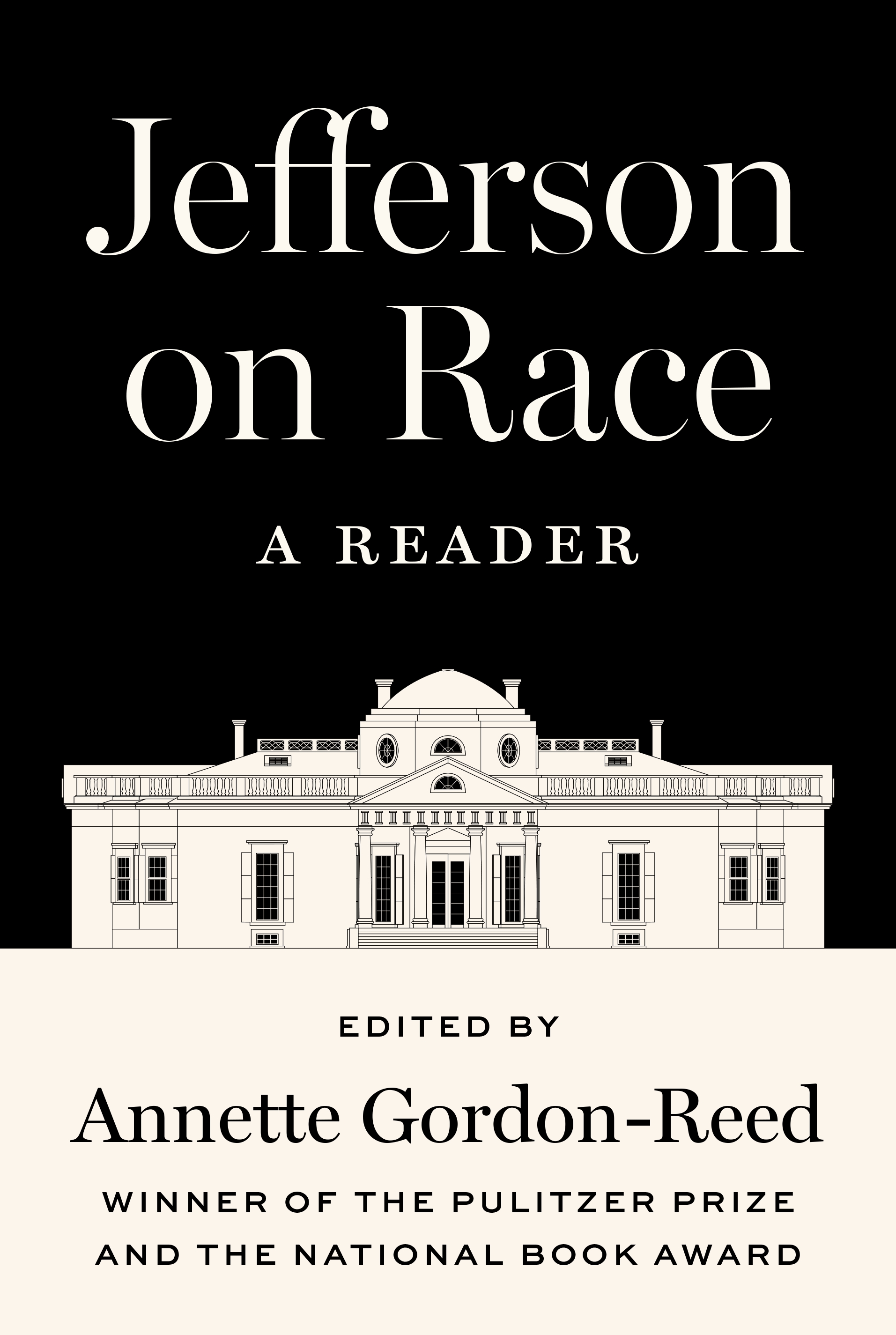
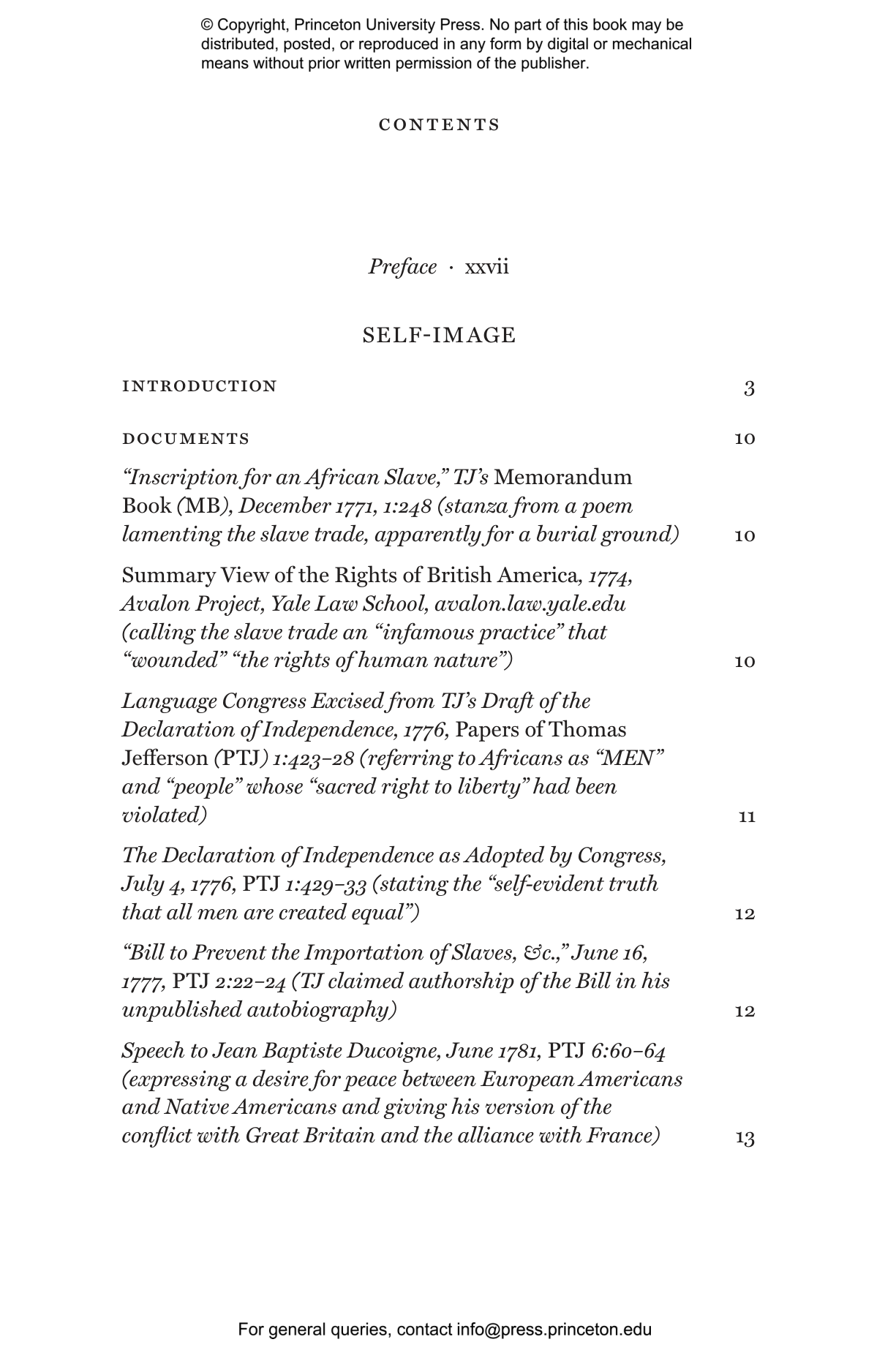
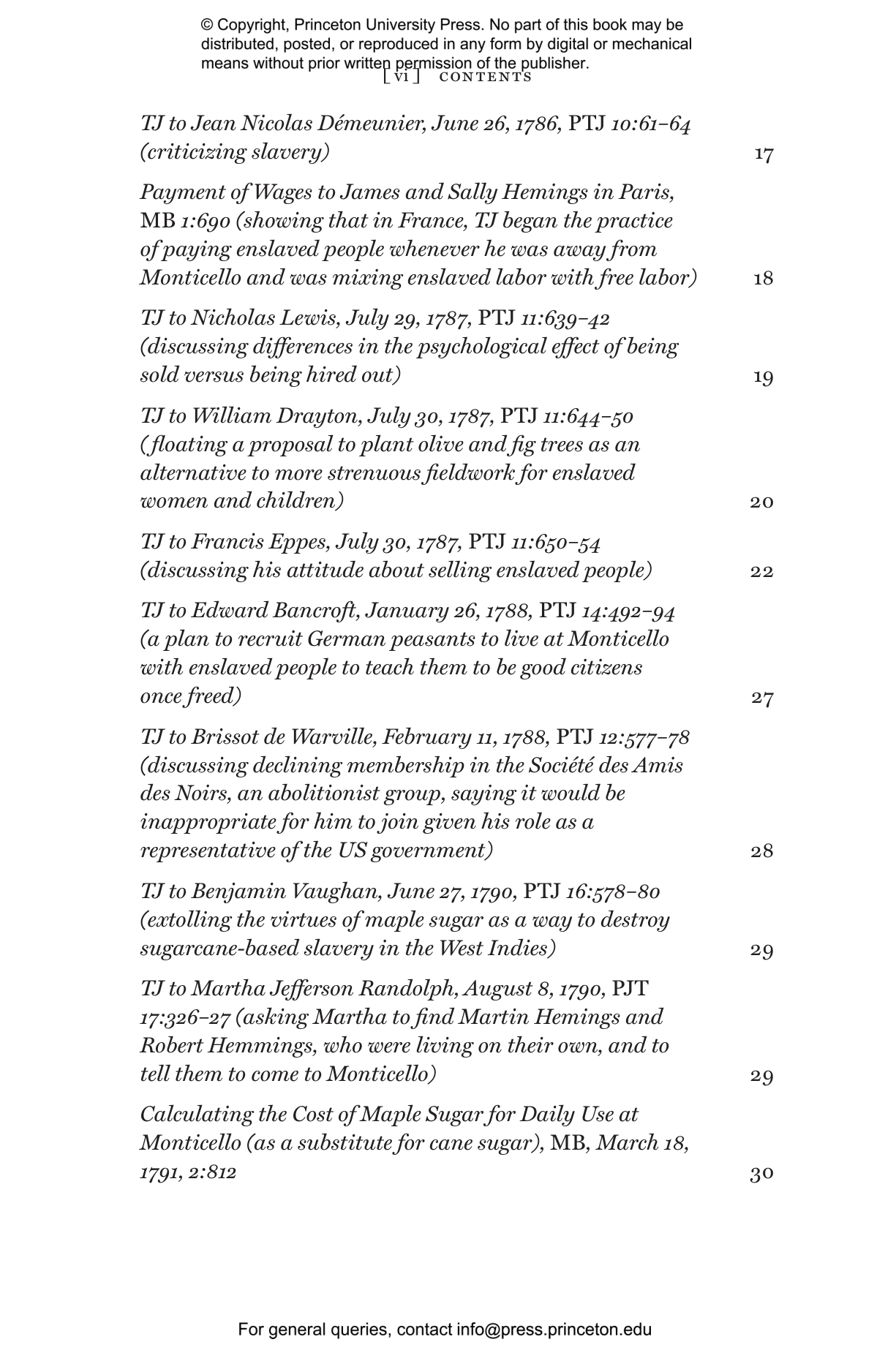
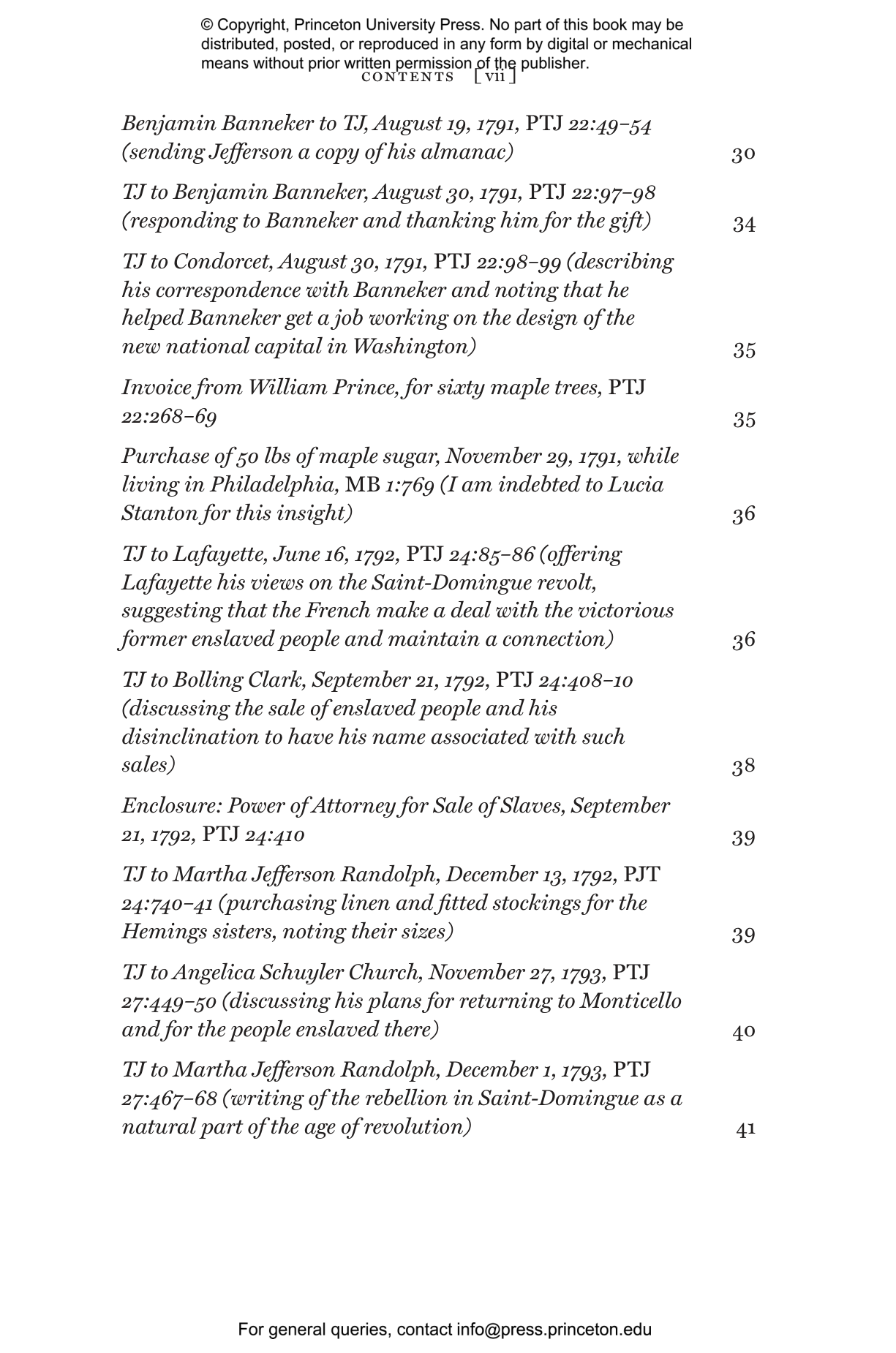
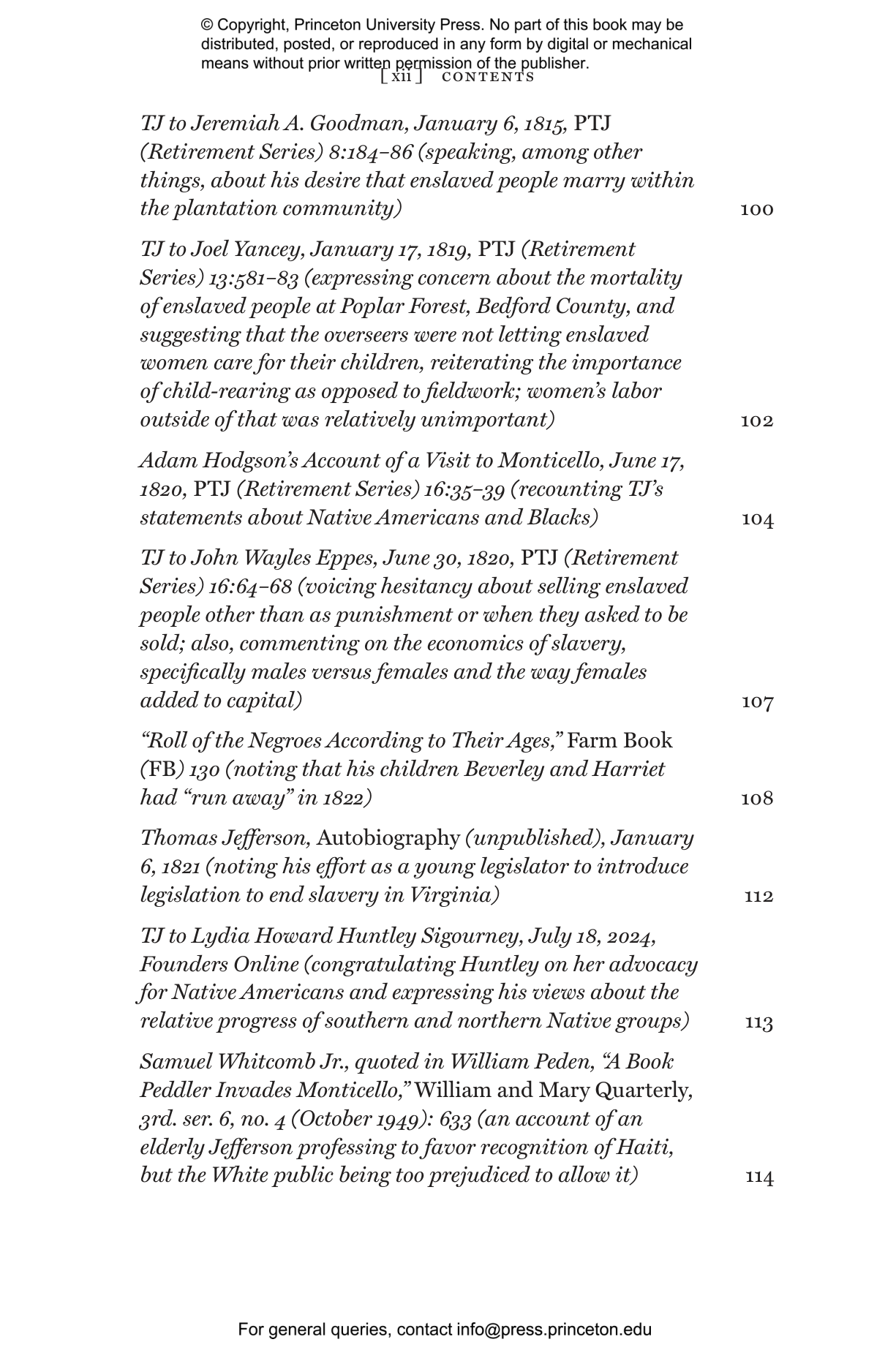
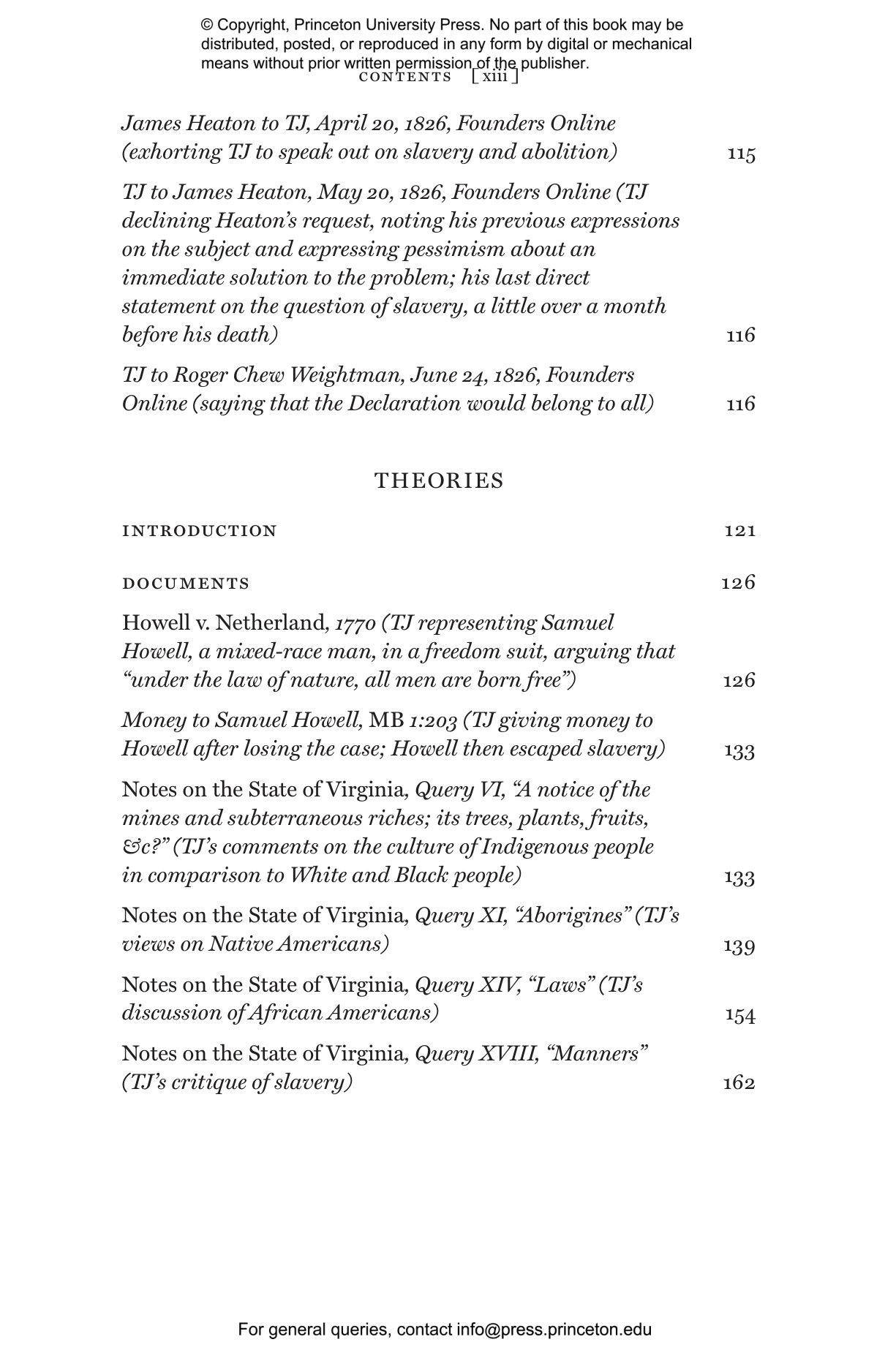
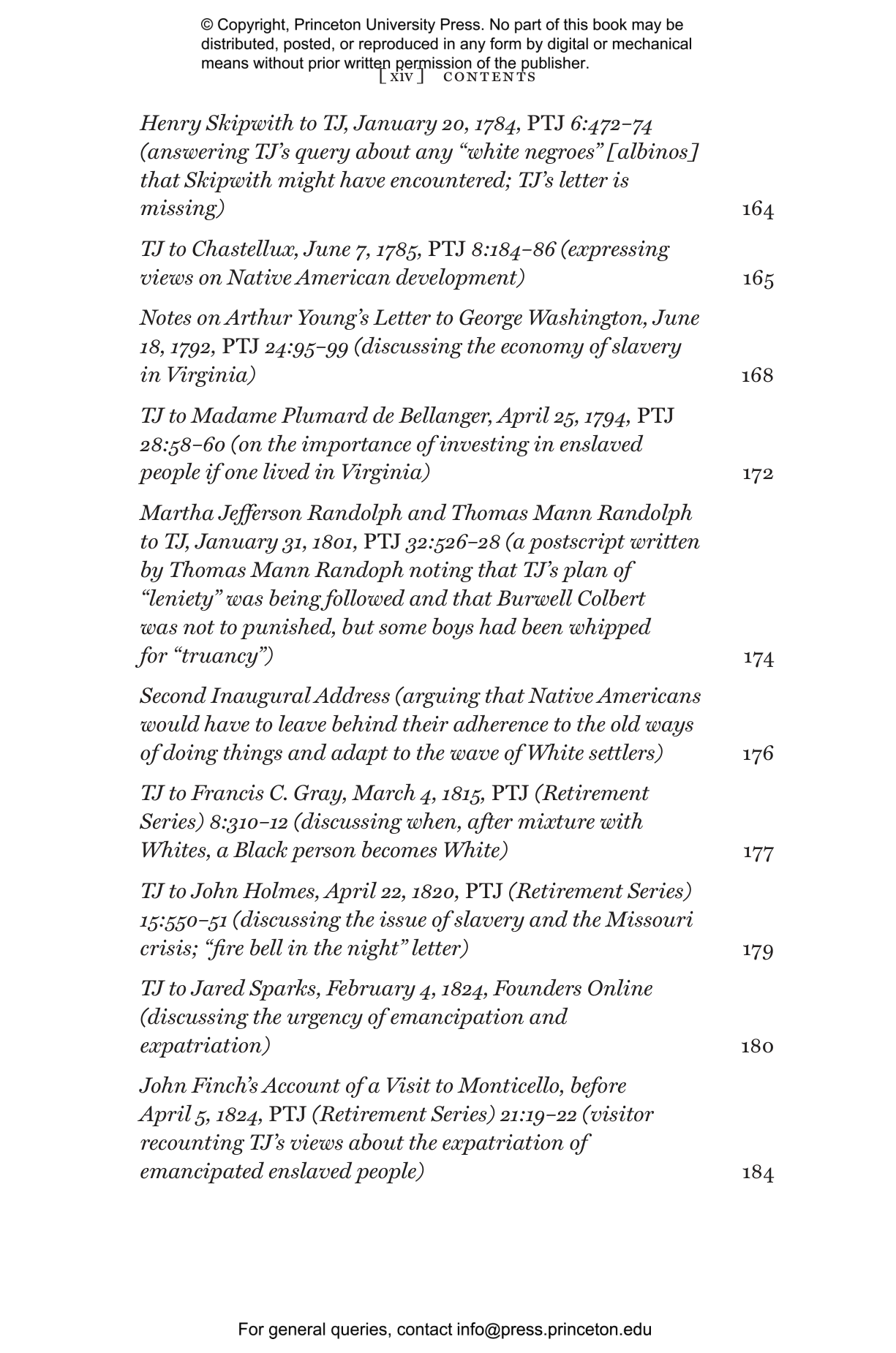
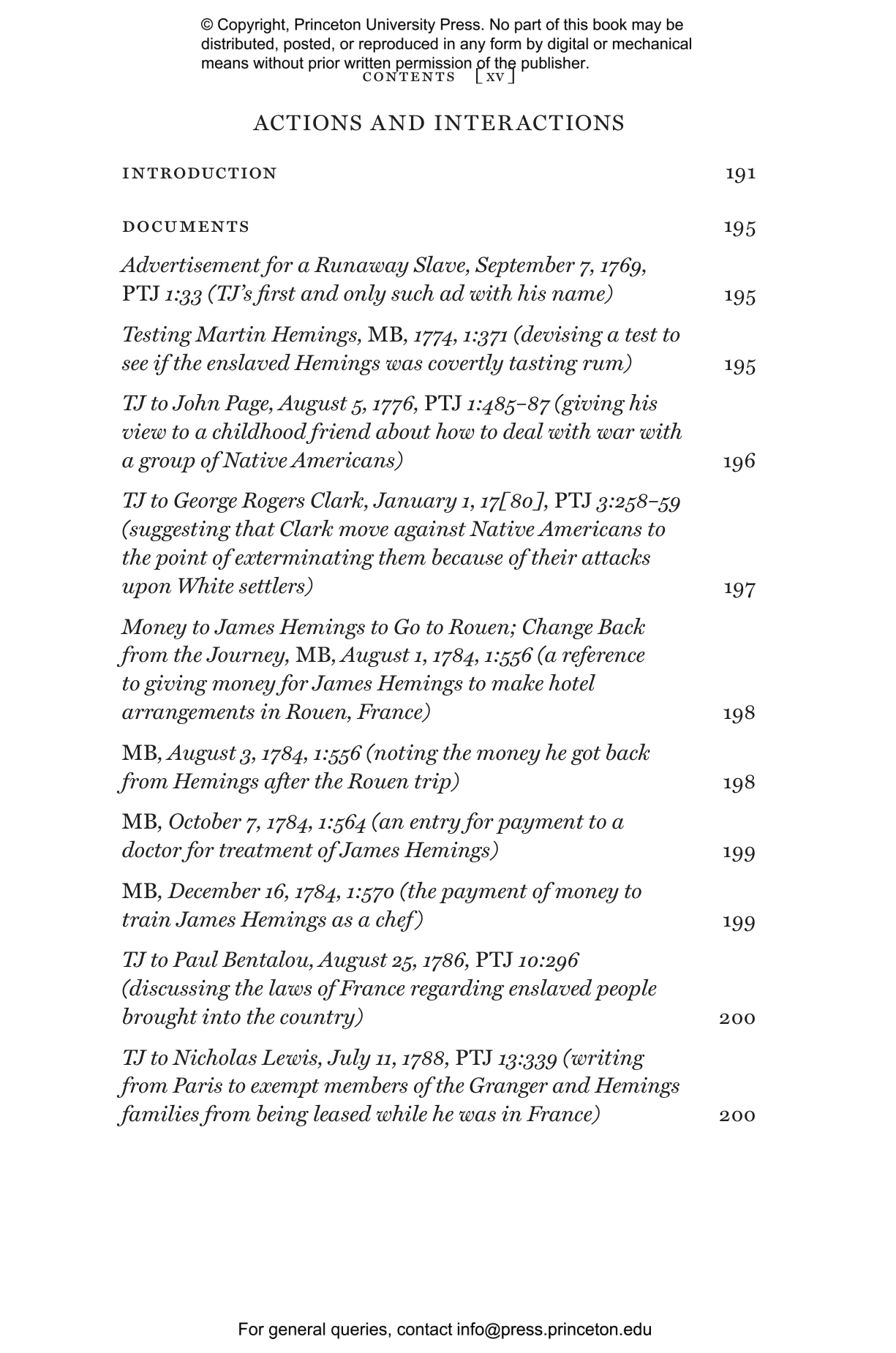
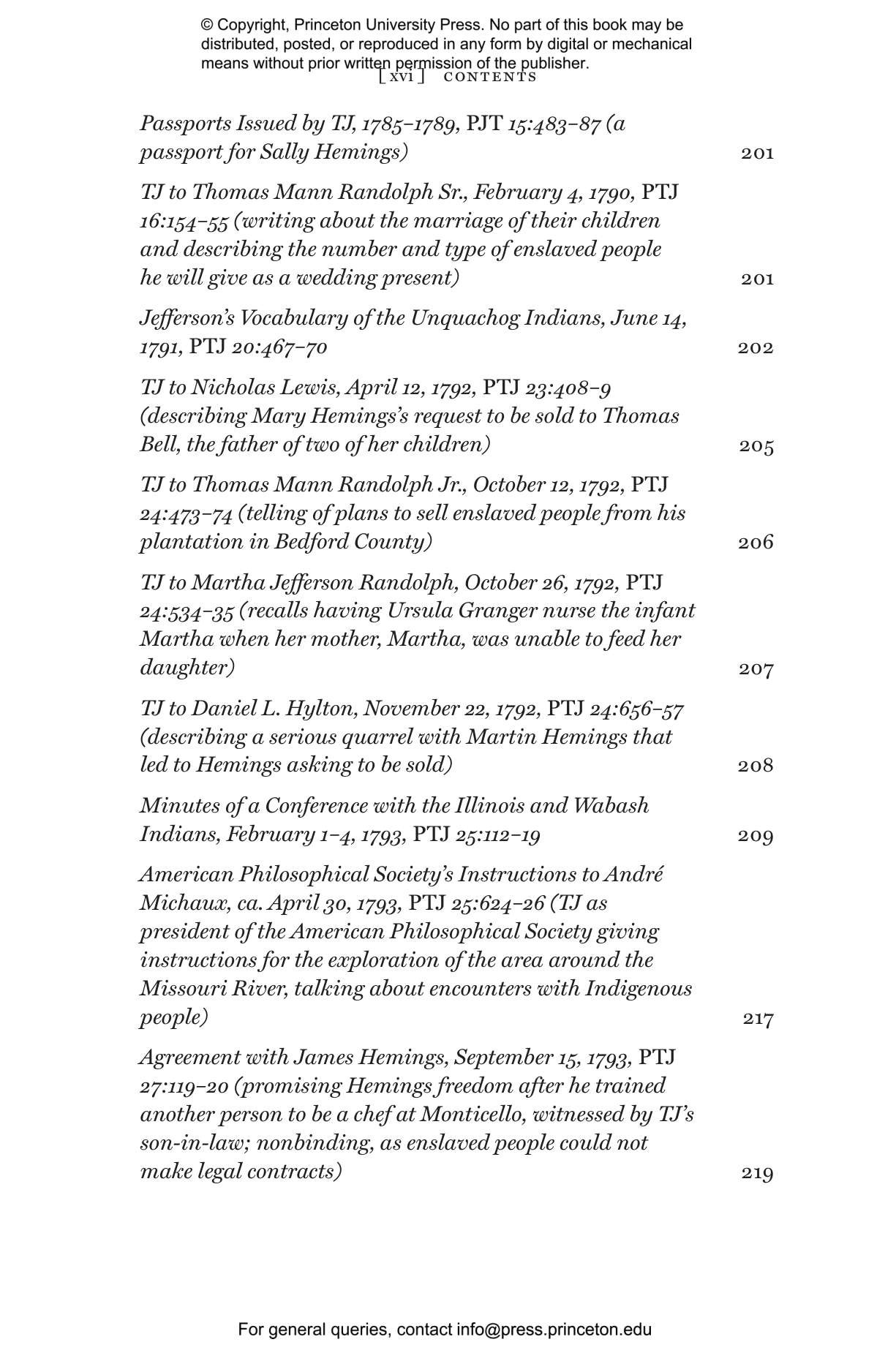
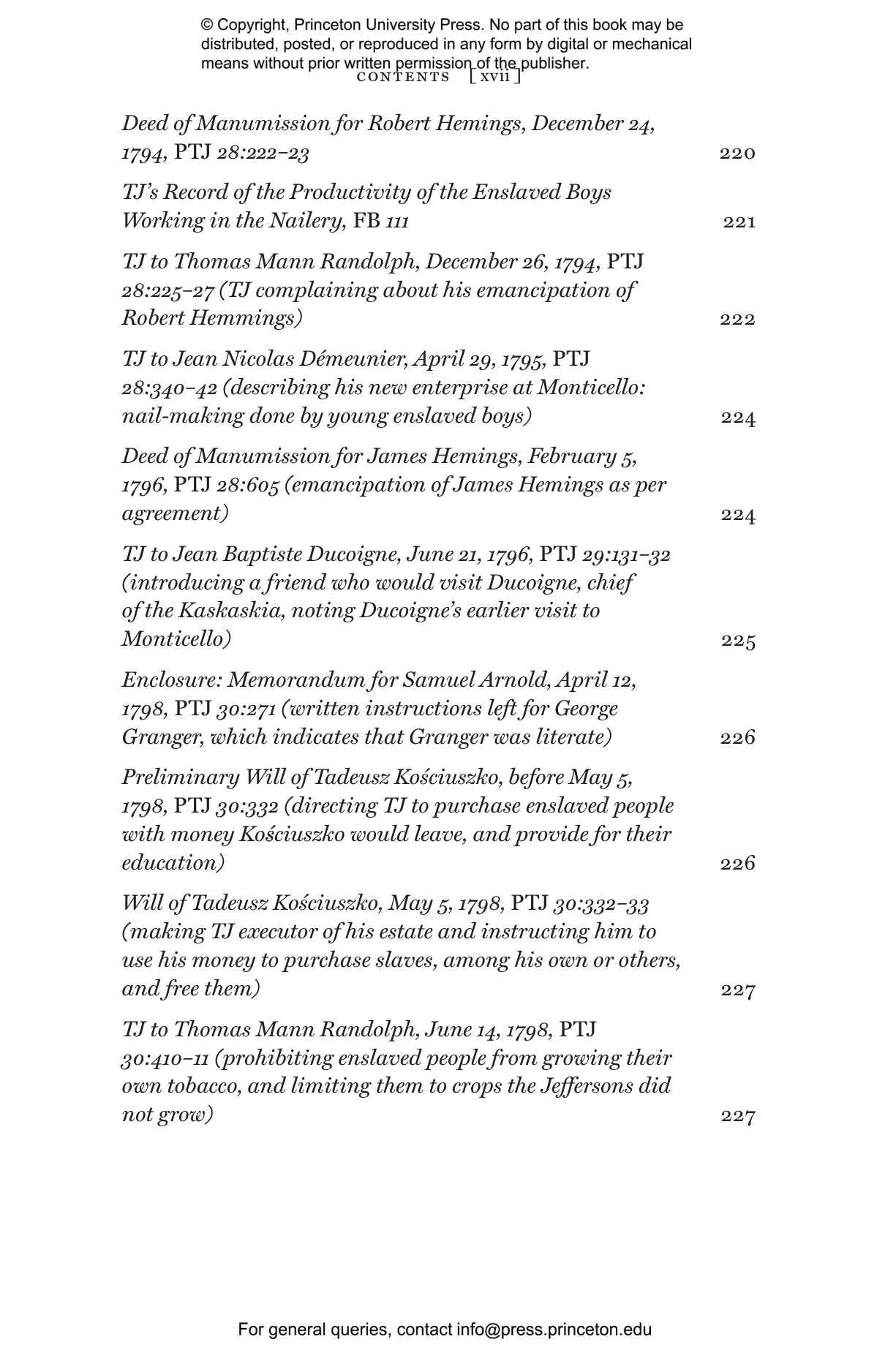
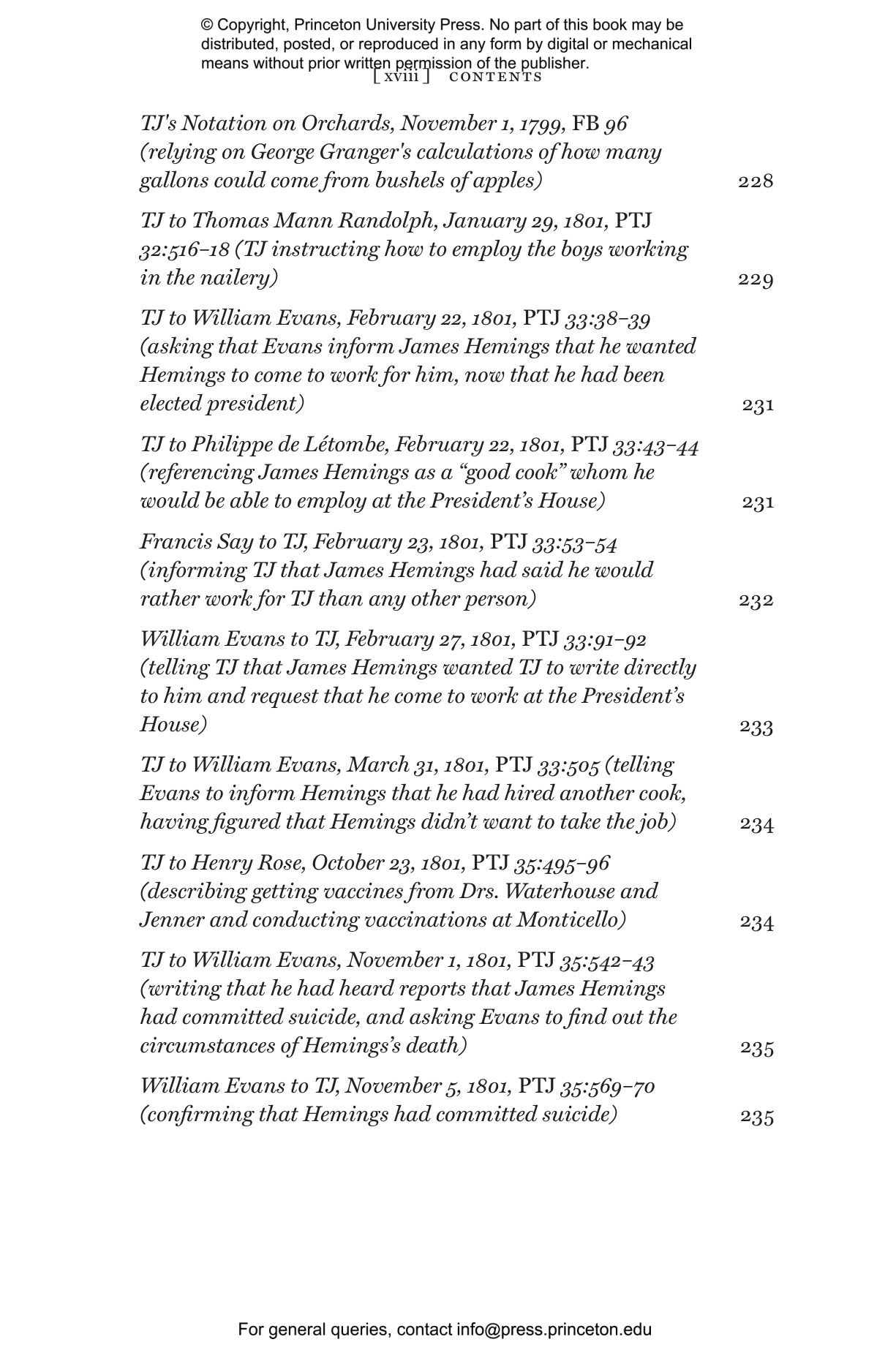
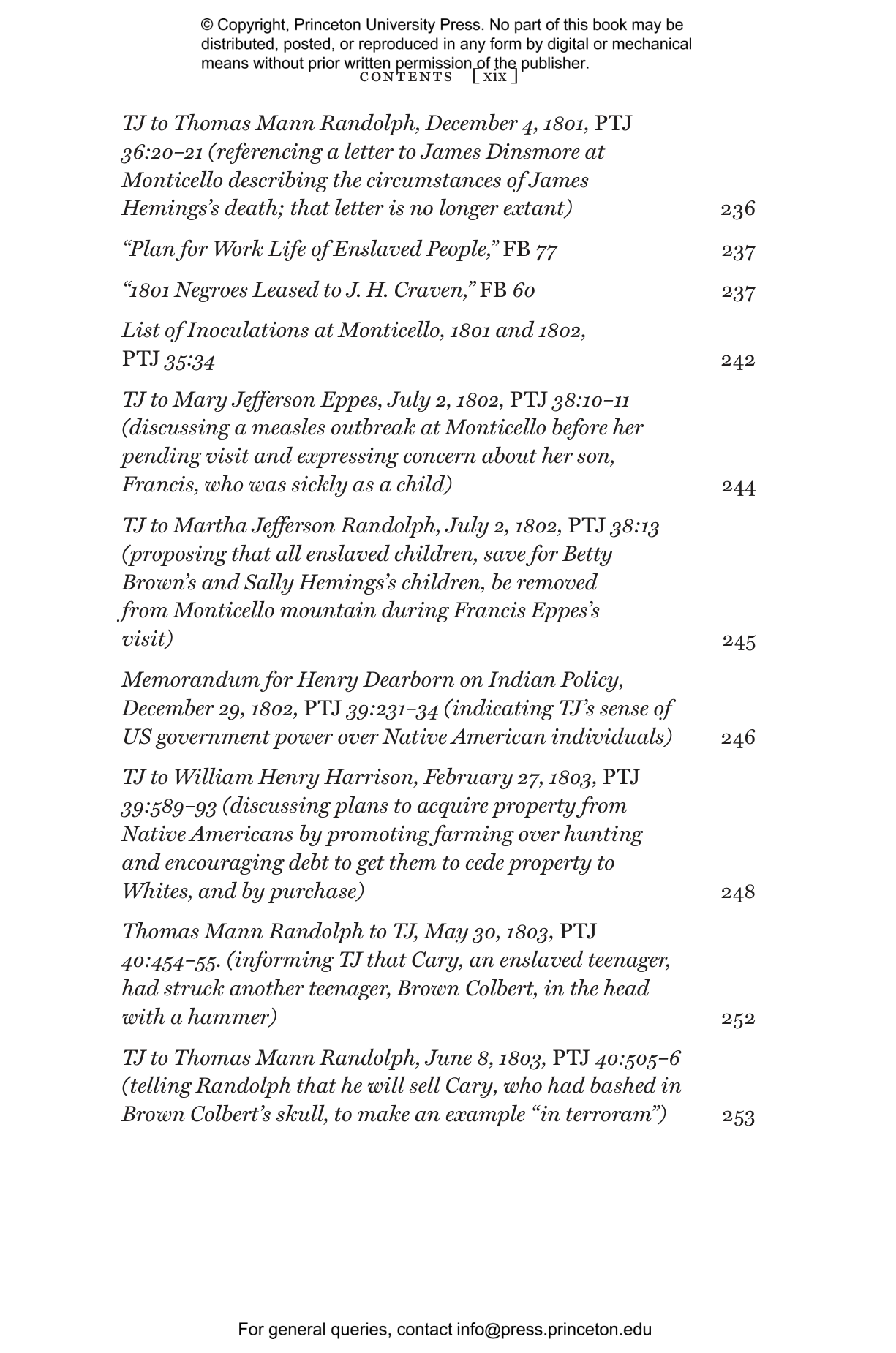
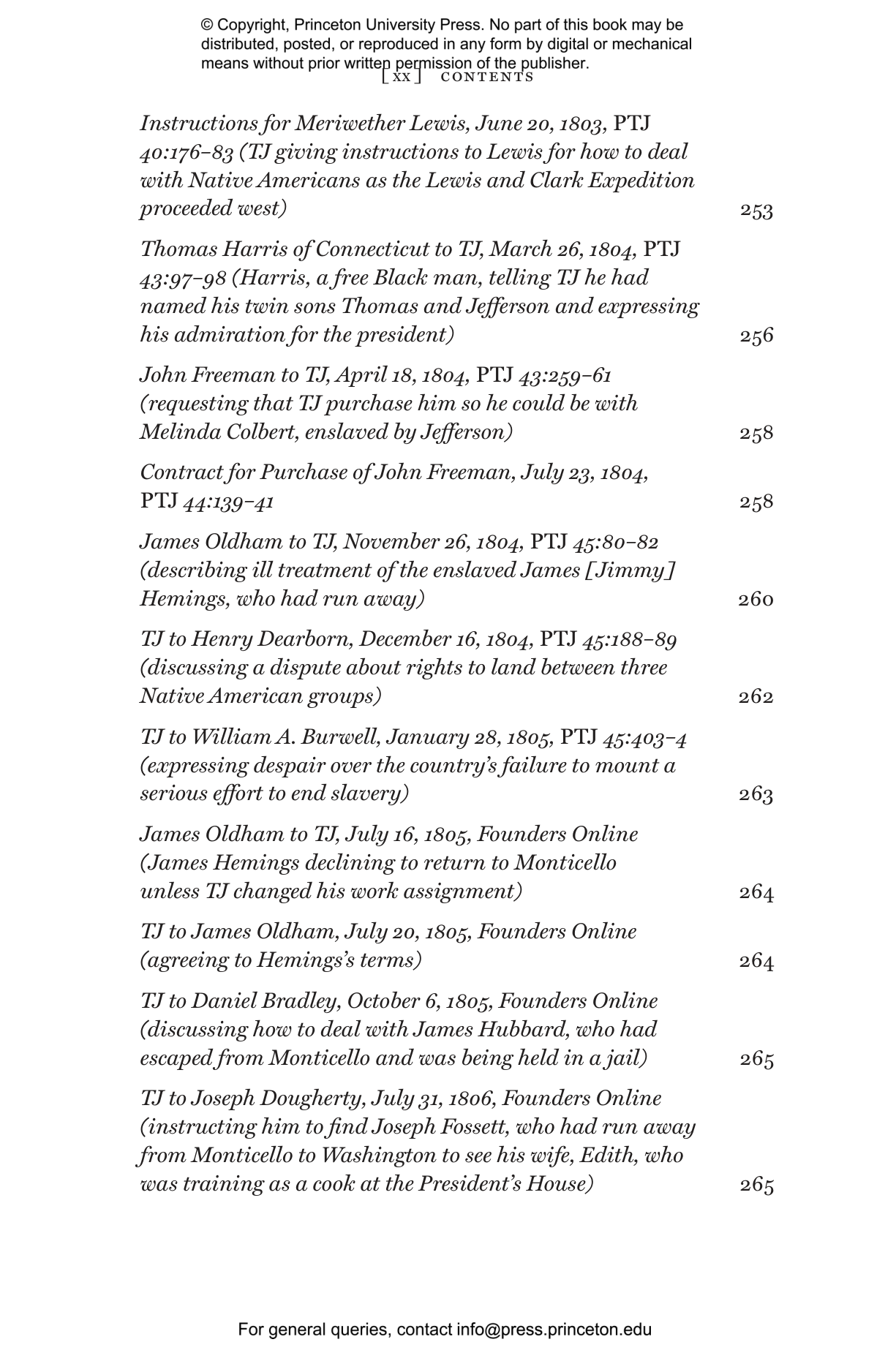
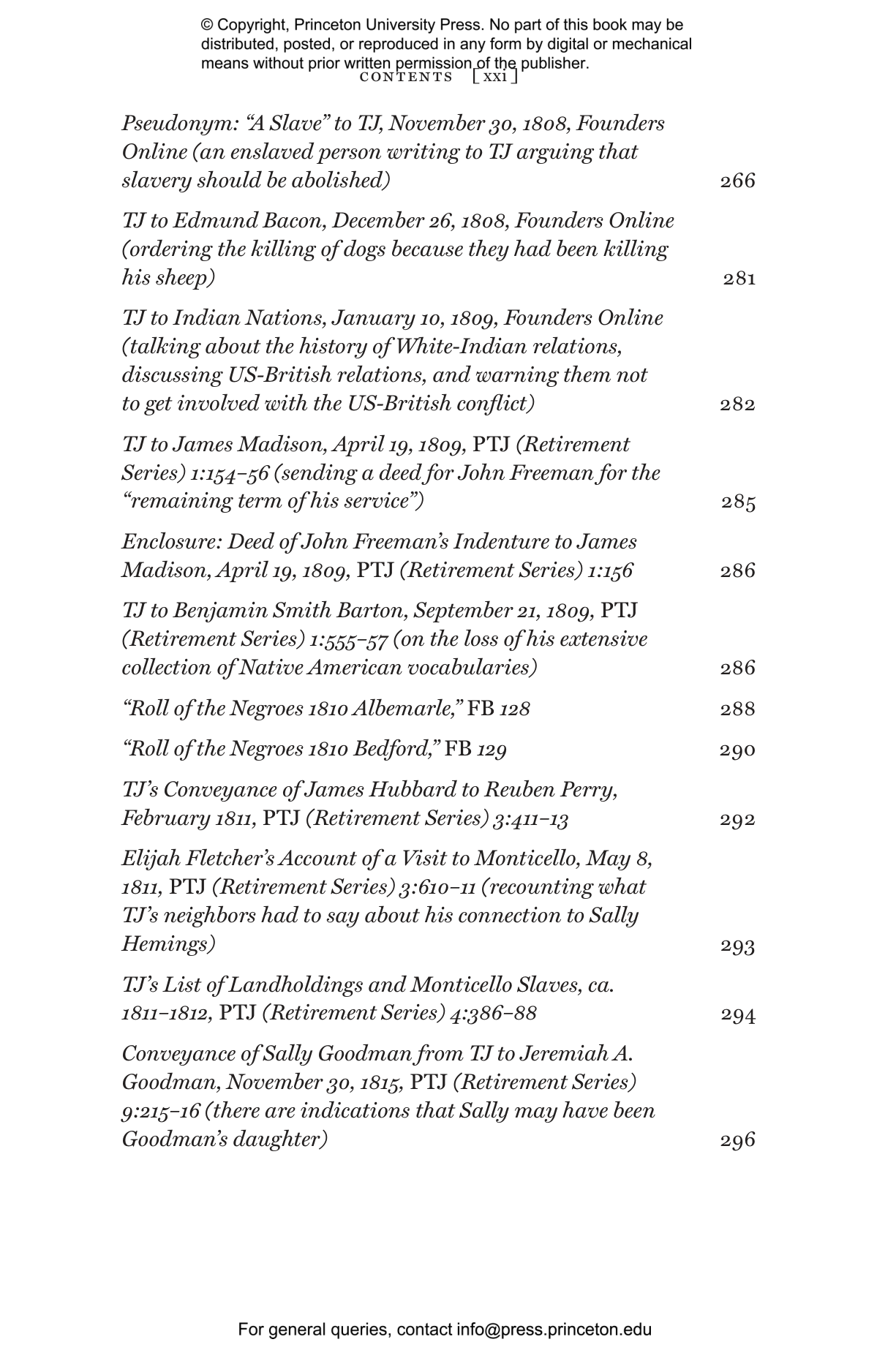
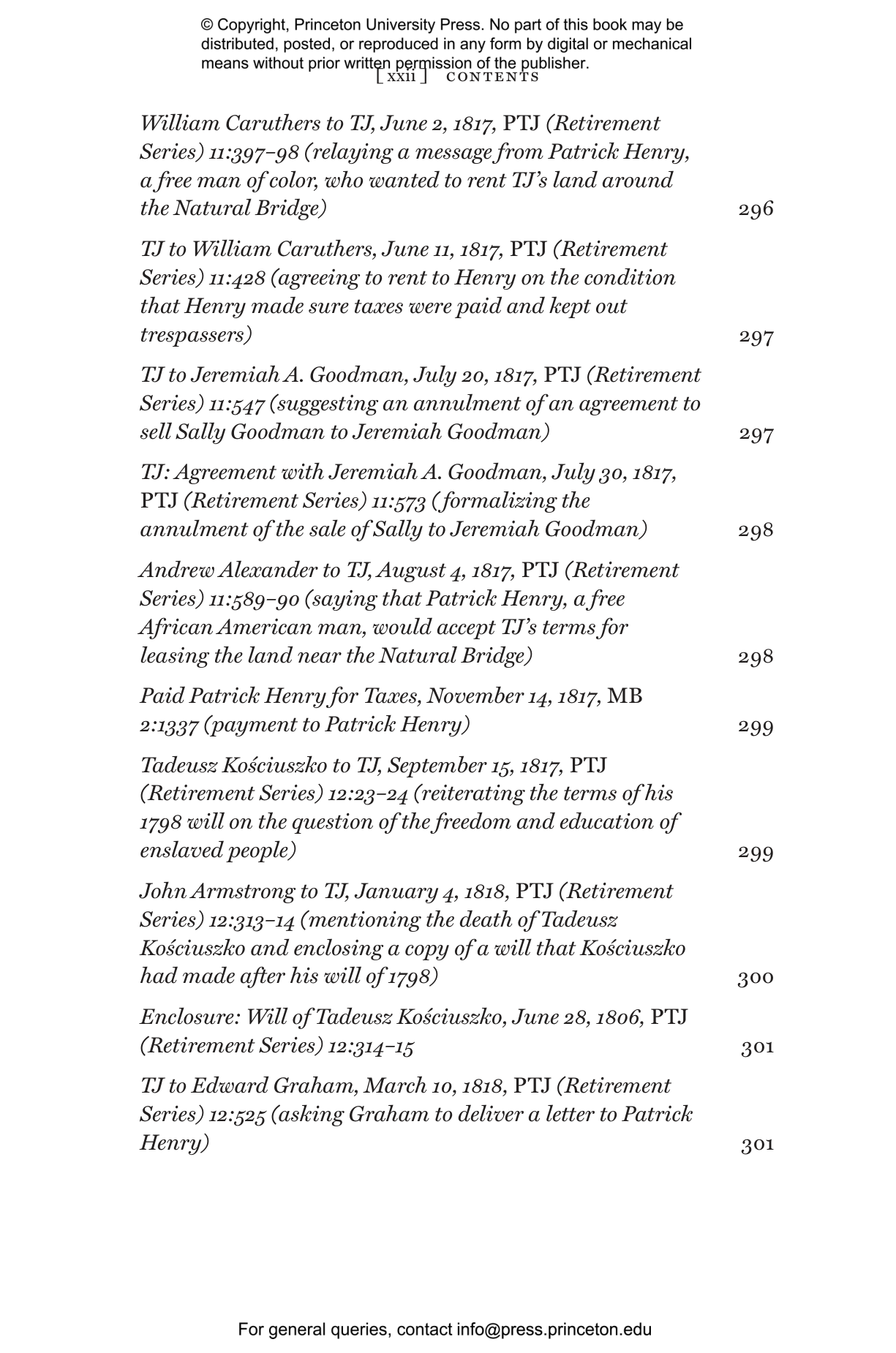
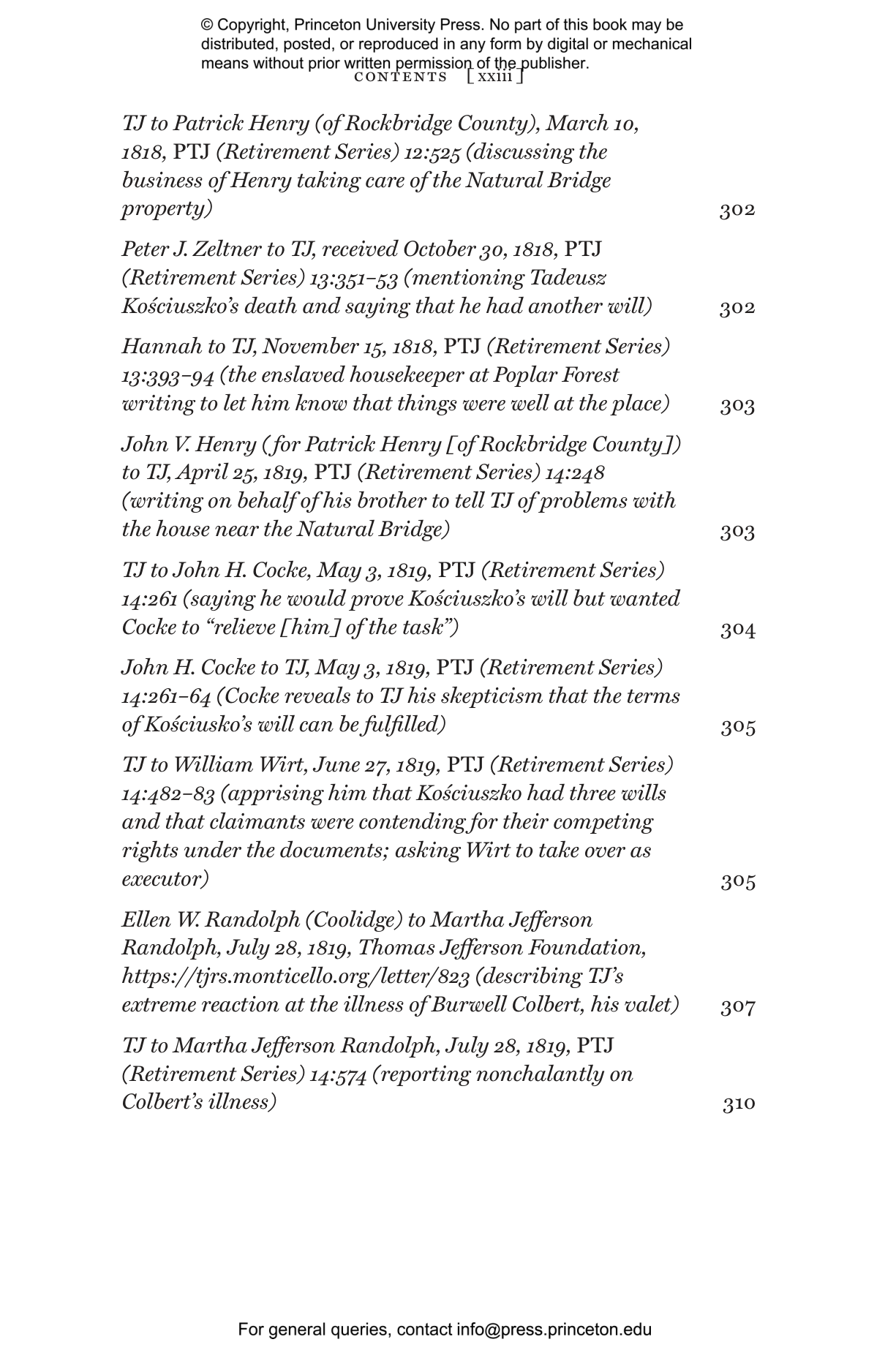
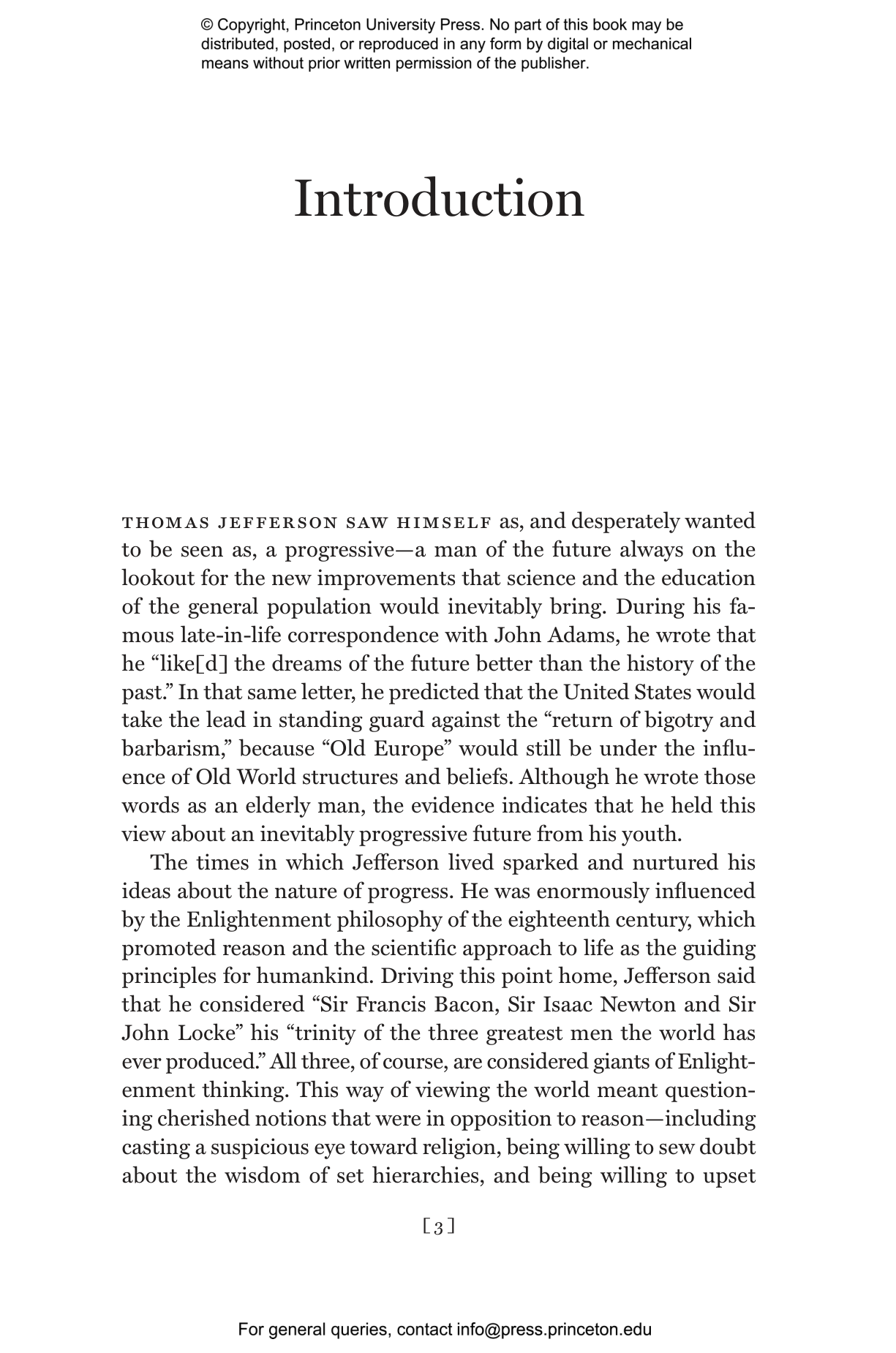
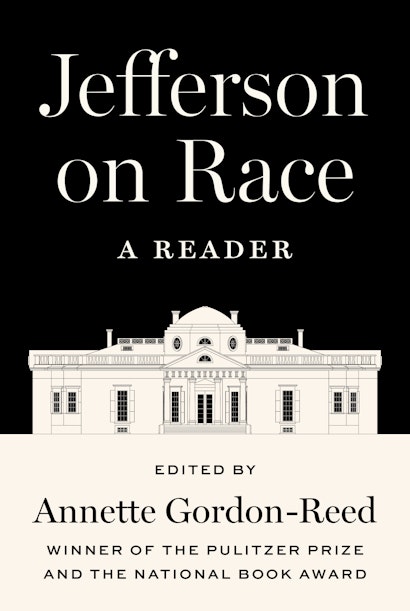
Among America鈥檚 Founding Fathers, none was more deeply, personally, or controversially entangled with race and slavery than Thomas Jefferson. The man whose Declaration of Independence proclaimed that 鈥渁ll men are created equal鈥� enslaved more than 600 people of African descent even as he acknowledged the injustice of slavery, saw himself as its opponent, and condemned it in his writings. How is this possible? In Jefferson on Race, Pulitzer Prize鈥搘inning historian Annette Gordon-Reed gathers Jefferson鈥檚 most revealing writings about African Americans, slavery, and Native Americans, enabling readers as never before to directly explore his complex and contradictory thoughts, feelings, and decisions on these subjects鈥攖he most hotly debated aspect of his legacy.
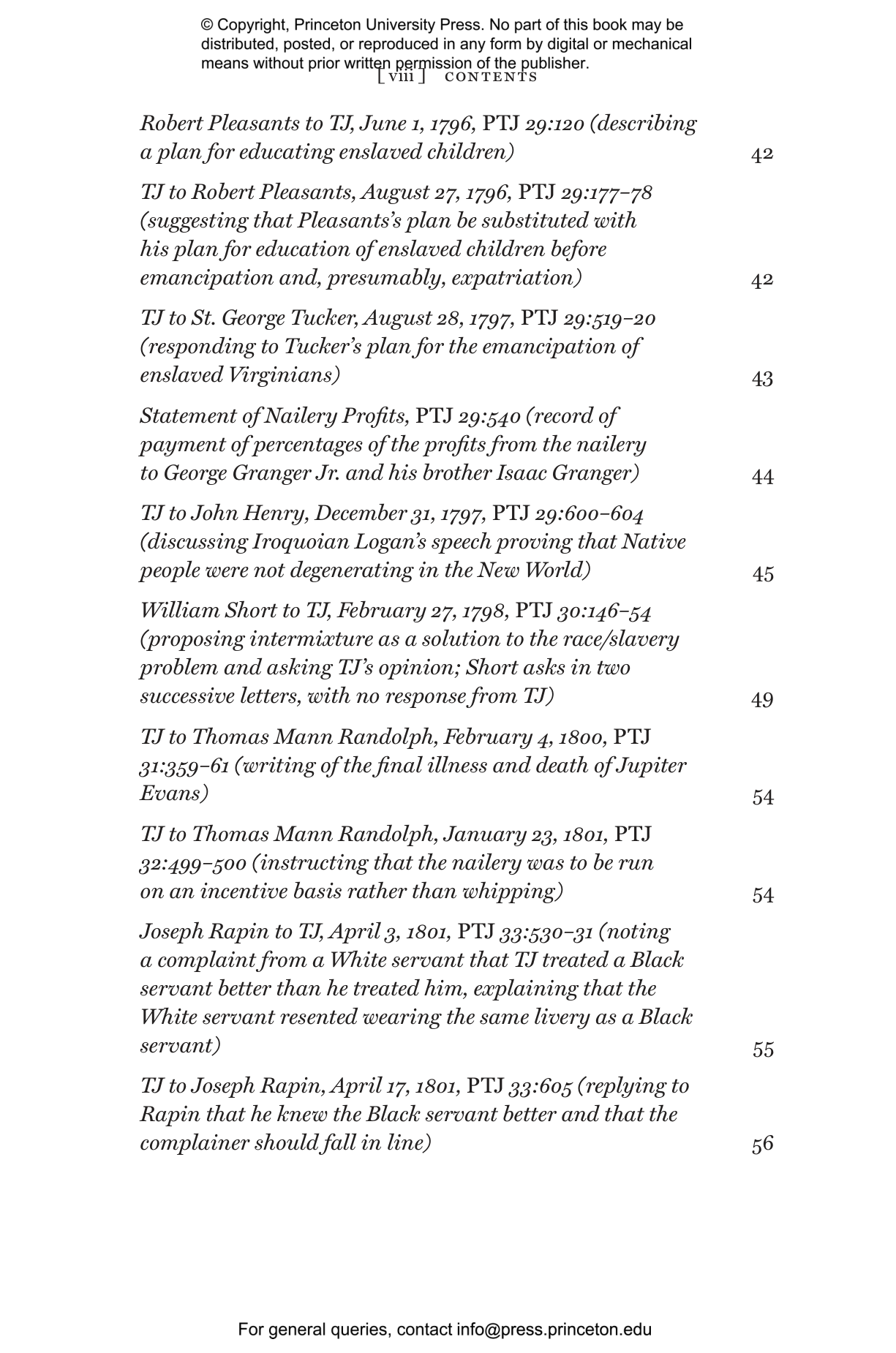
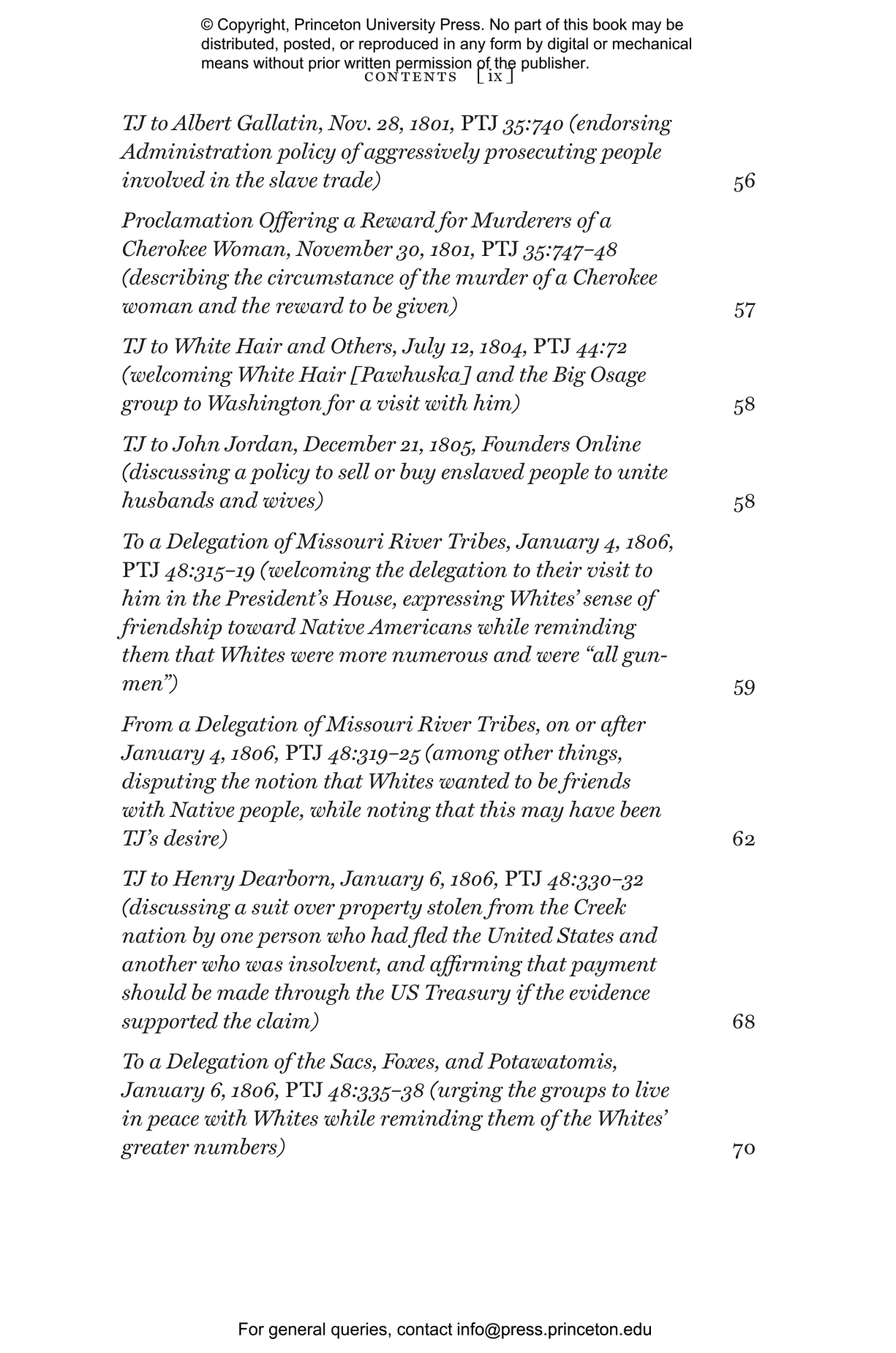
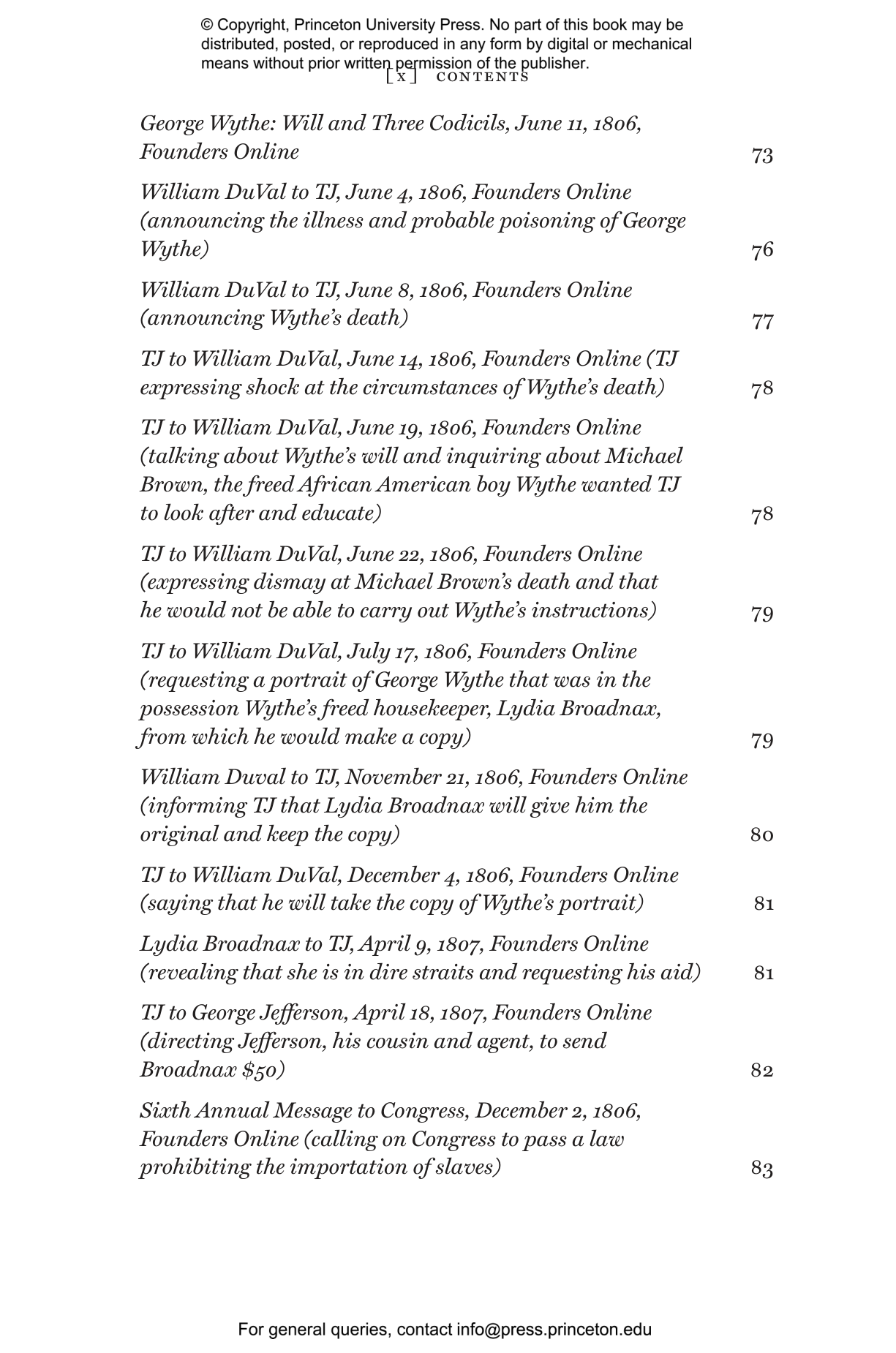
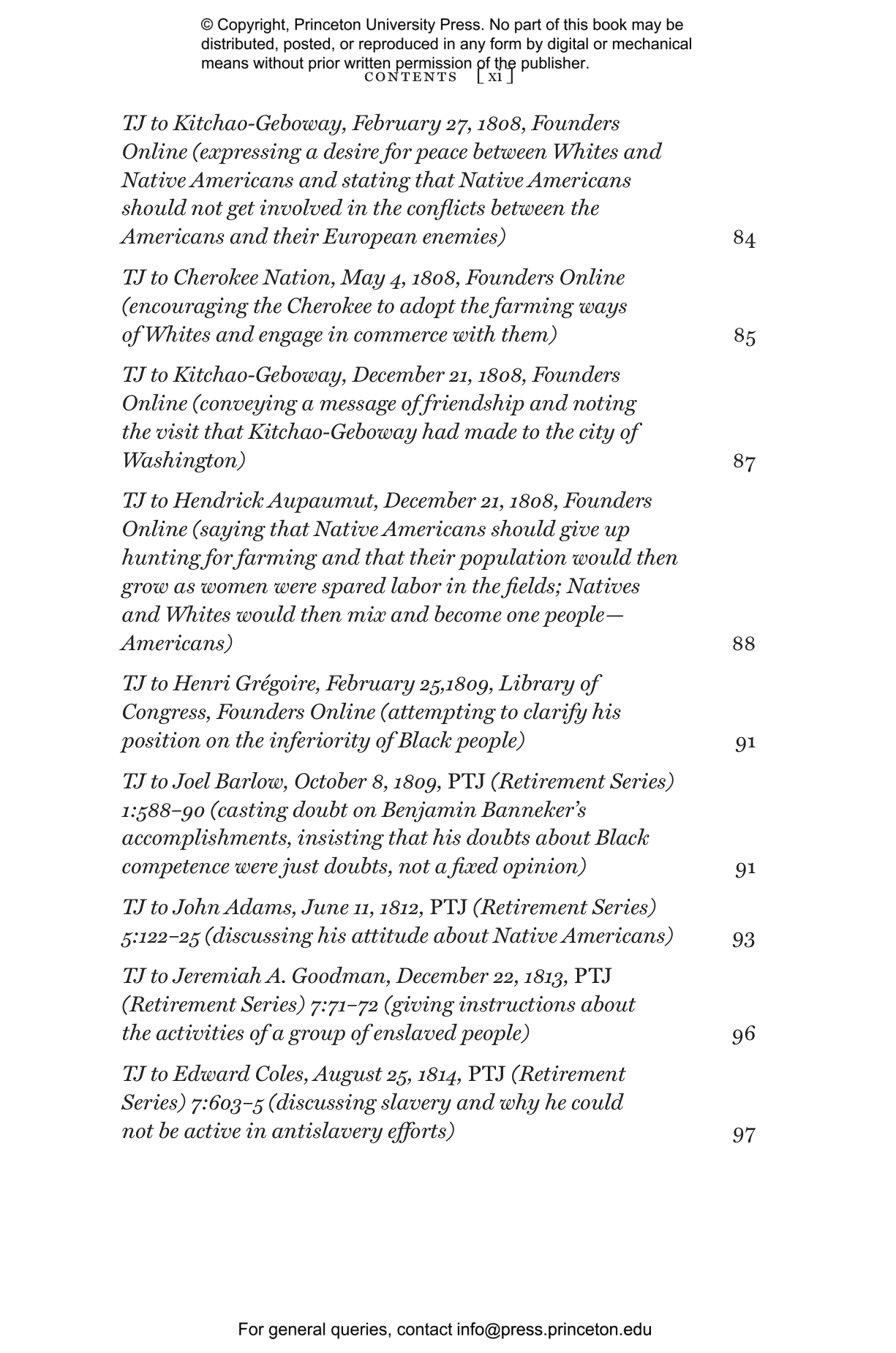
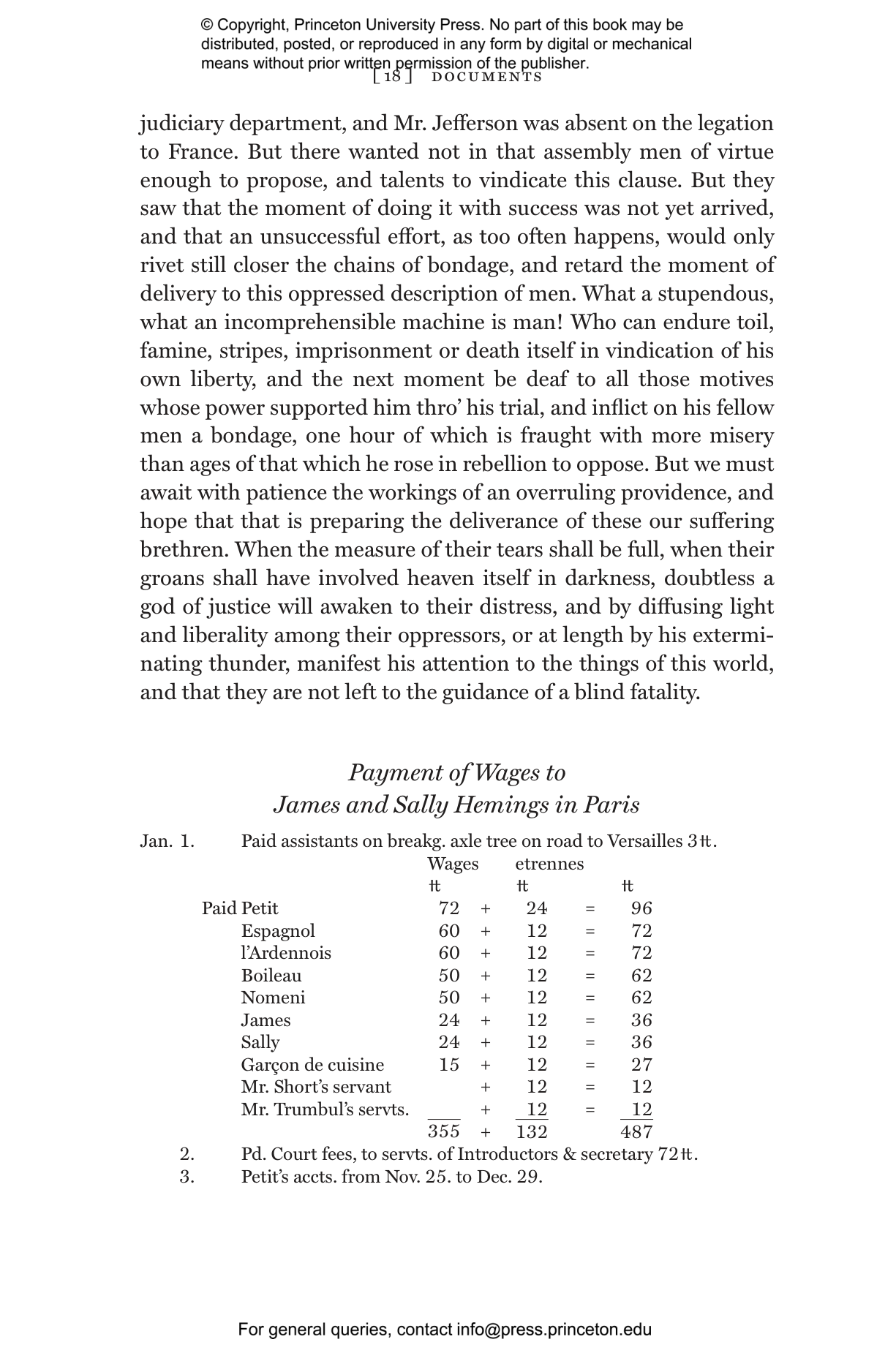
These selections come from Jefferson鈥檚 public and private writings, letters, and plantation records, as well as accounts by contemporaries, including his son Madison Hemings and three other people formerly enslaved at Monticello. The book documents Jefferson鈥檚 ideas about鈥攁nd self-image in relation to鈥擜frican Americans, slavery, and Native Americans, as well as his conduct, including interactions with individual Black and Native people. The writings show how Jefferson responded to living in a multiracial slave society while professing progressive ideals, and how his views on race and slavery were shaped by his experiences with enslaved Black people.
Jefferson on Race is essential reading for anyone seeking to understand Jefferson鈥檚 conflicted attitudes鈥攁nd the impact of race and slavery on American history.
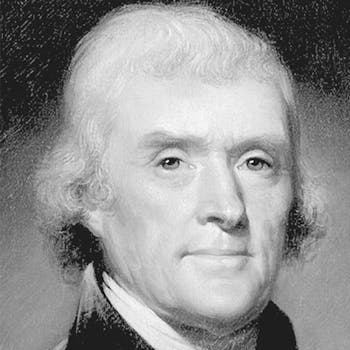
Thomas Jefferson (1743–1826), one of America’s most important Founding Fathers, was the third president of the United States, the founder of the University of Virginia, the principal author of the Declaration of Independence, and the author of Notes on the State of Virginia. Annette Gordon-Reed is a New York Times–bestselling historian and the Carl M. Loeb University Professor at Harvard University. Her books include The Hemingses of Monticello: An American Family, which won the Pulitzer Prize and National Book Award, Thomas Jefferson and Sally Hemings: An American Controversy, and (with Peter S. Onuf) Most Blessed of the Patriarchs: Thomas Jefferson and the Empire of the Imagination.
"An extraordinary work about an extraordinarily complicated man."鈥擩oe Scarborough, MS NOW's Morning Joe
"Gordon-Reed writes of Jefferson almost like family: Family members can hurt us, but they remain our relatives. Jefferson on Race collects an array of his writings about blacks and Native Americans, ranging from state papers to plantation records."鈥擱ichard Brookhiser, Wall Street Journal
"Rather than relying on modern interpretations, Gordon-Reed allows readers to wrestle with Jefferson largely through his own writings, letters, and personal notes. The result is a remarkable and deeply unsettling portrait of one of the most brilliant—and contradictory—men in American history, a forefather with thought-provoking ideas about how this new country would address issues of emancipation, liberty, and equality."鈥擧ermene Hartman, N'Digo
“There is no one on earth better equipped to take on the formidable subject of Thomas Jefferson and race than Annette Gordon-Reed. Wise, fearless, and brilliant, she has given us a vital collection of documents that repay our careful attention. Gordon-Reed is indispensable, and so is this book.”—Jon Meacham, Pulitzer Prize–winning author of Thomas Jefferson: The Art of Power
“Annette Gordon-Reed is the world’s preeminent Jefferson scholar, and in this fascinating collection she has achieved something many of us have long reached for, in vain: a single volume gathering Jefferson’s wide-ranging writings on race. Accessible, well-curated, and absorbing to read, Jefferson on Race lifts the veil on the many-angled person behind the author of the Declaration of Independence.”—Henry Louis Gates, Jr., Harvard University
“An extraordinary collection of documents that illuminates Thomas Jefferson’s complicated attitudes toward slavery and race (including Indigenous peoples). It has been put together and introduced by Annette Gordon-Reed, the scholar who knows the most about Jefferson and slavery. In her discussion of the documents, Gordon-Reed is thoroughly honest and fair-minded. Indeed, she and her superb scholarship are helping us save our dream of an integrated nation.”—Gordon S. Wood, Pulitzer Prize–winning author of Empire of Liberty: A History of the Early Republic, 1789–1815
“Annette Gordon-Reed is the leading interpreter of Jeffersonian thought in America today. In Jefferson on Race, she offers a penetrating window into the mind of the founding hero who maintained that ‘all men are created equal’ while also enslaving hundreds of human beings. As the country celebrates its 250th anniversary, Gordon-Reed’s work serves as a timely rebuttal to propagandists who are inclined to simplify and whitewash the story of the founding.”—Brent Staples, Pulitzer Prize–winning journalist