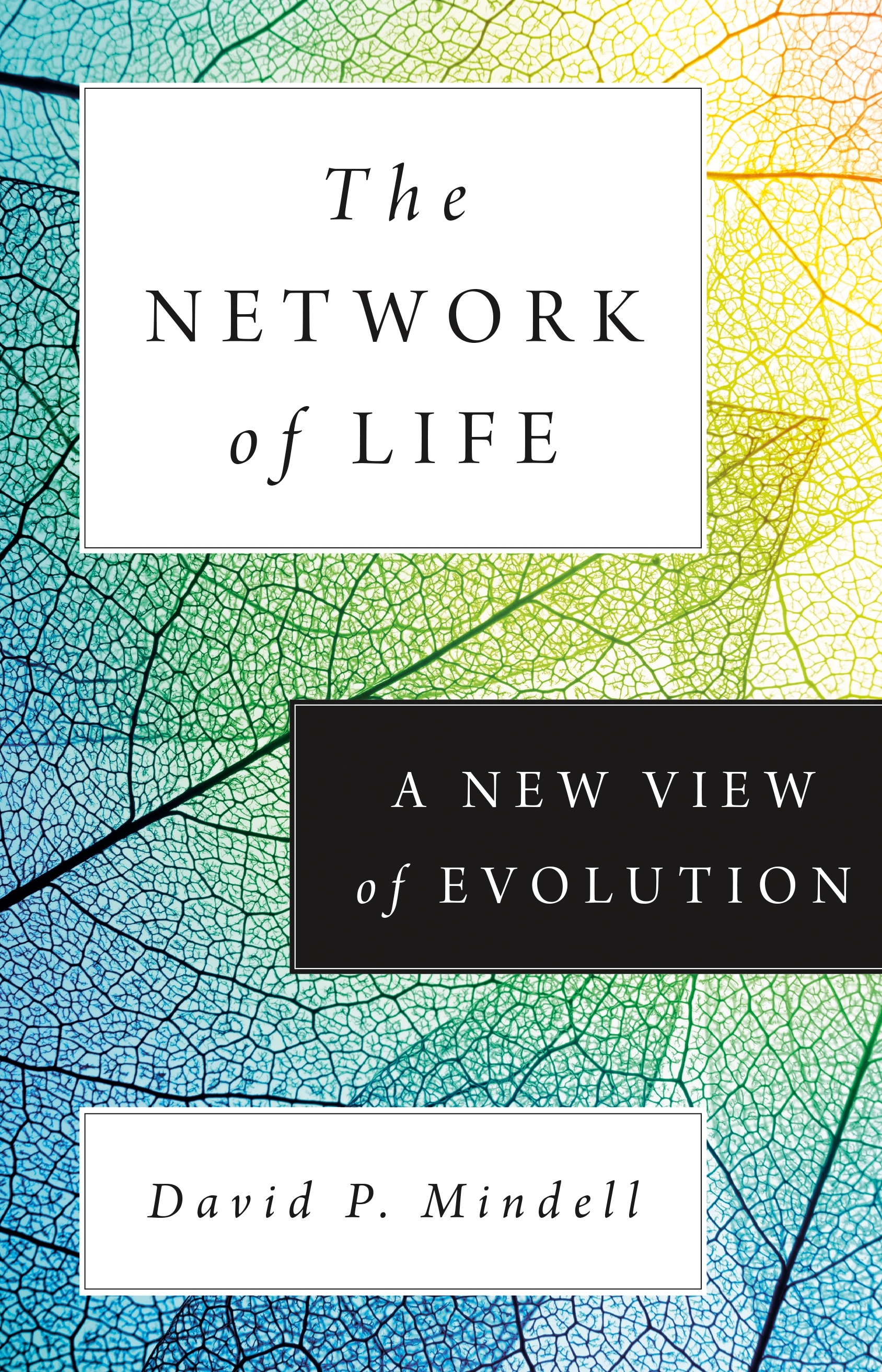
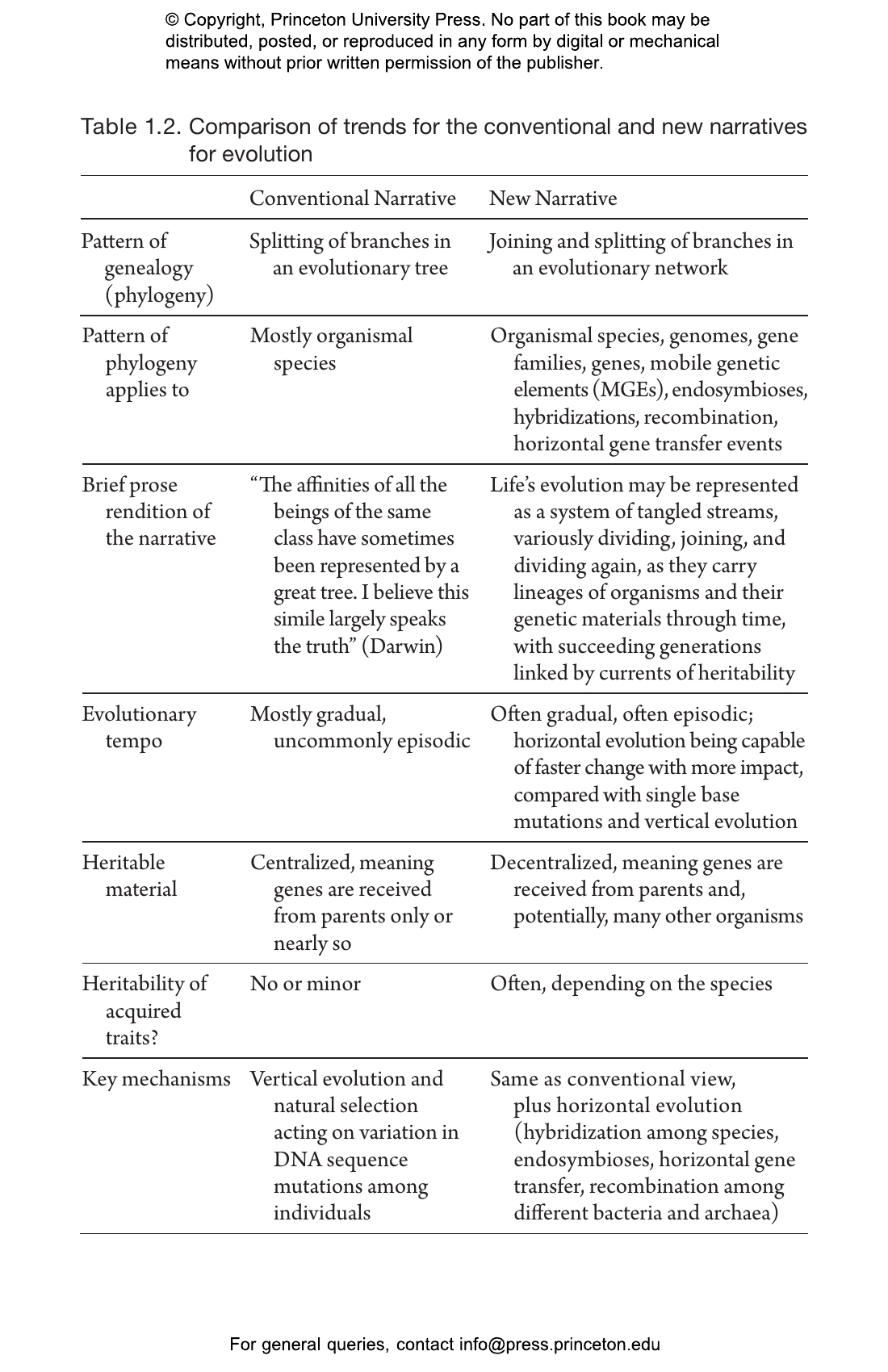
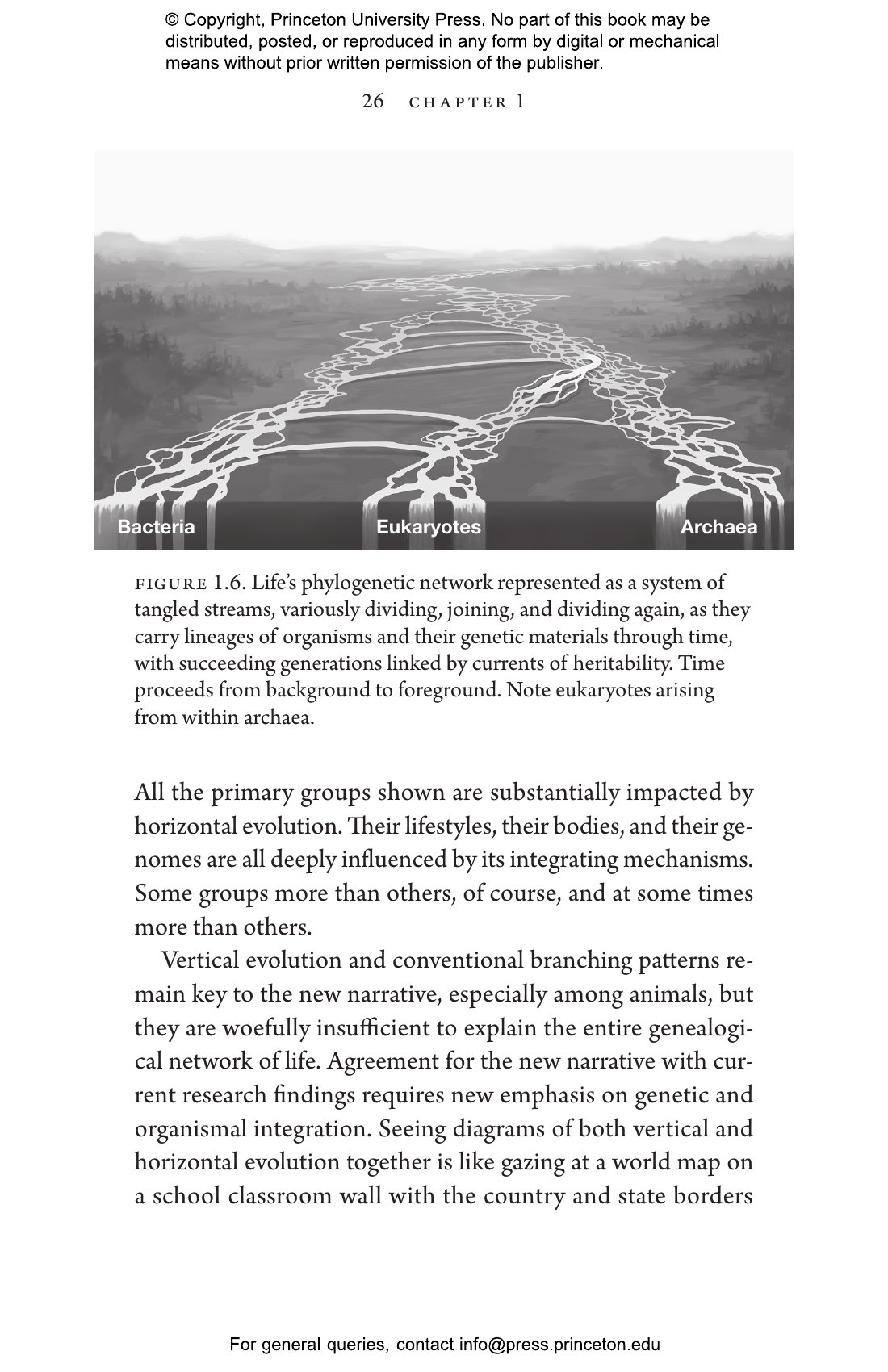
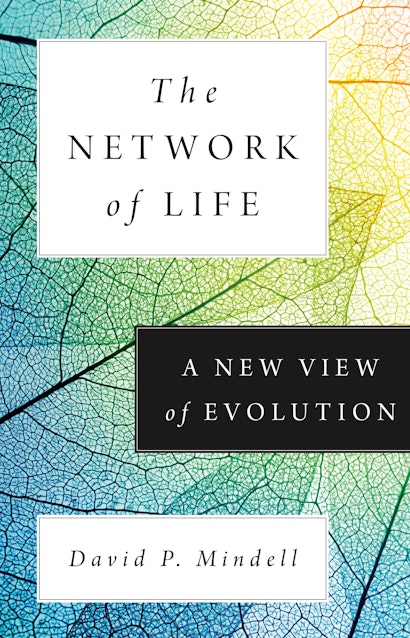
In The Network of Life, David Mindell explains why the conventional narrative of evolution needs to evolve. Ever since Darwin, evolution has largely been thought to work like a family tree in which species are related through a series of branching events. But, today, a growing knowledge of the ways species share genetic materials in a process known as horizontal evolution has revealed that evolution is actually a network of shared genealogy in which species are more interconnected than previously thought. In this book, Mindell presents this new narrative of life鈥檚 evolution and its profound implications for all life on Earth.
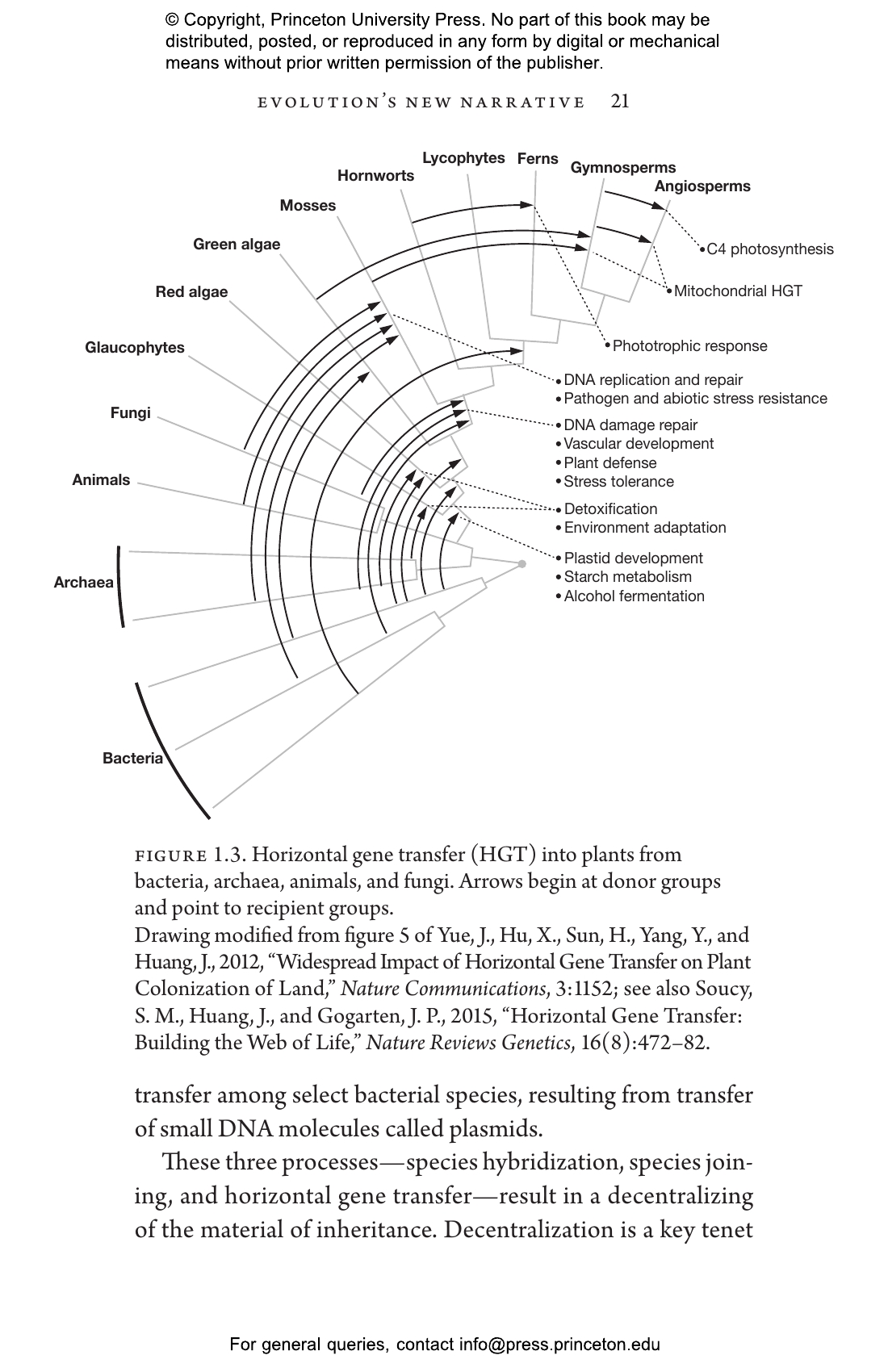
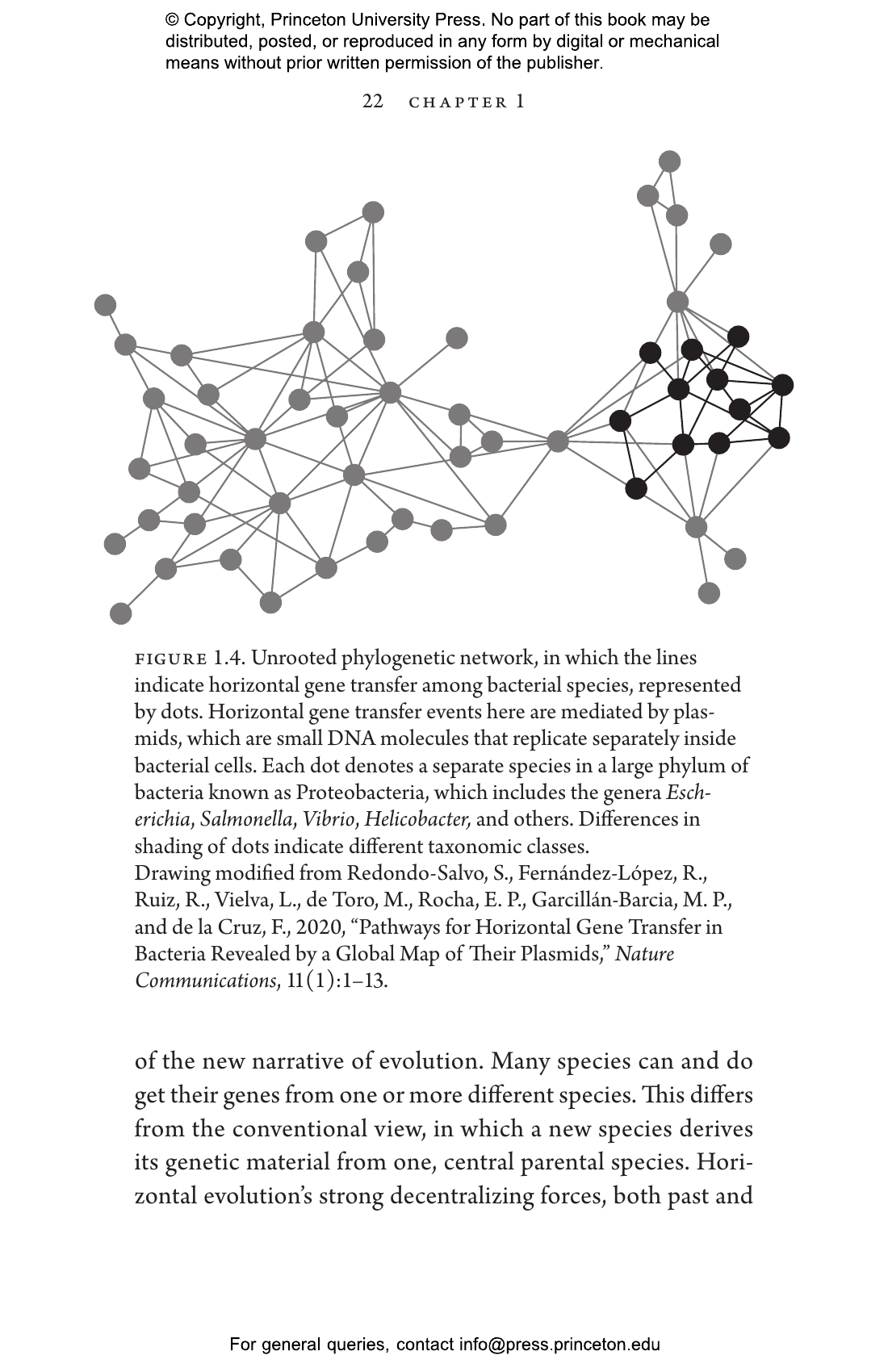
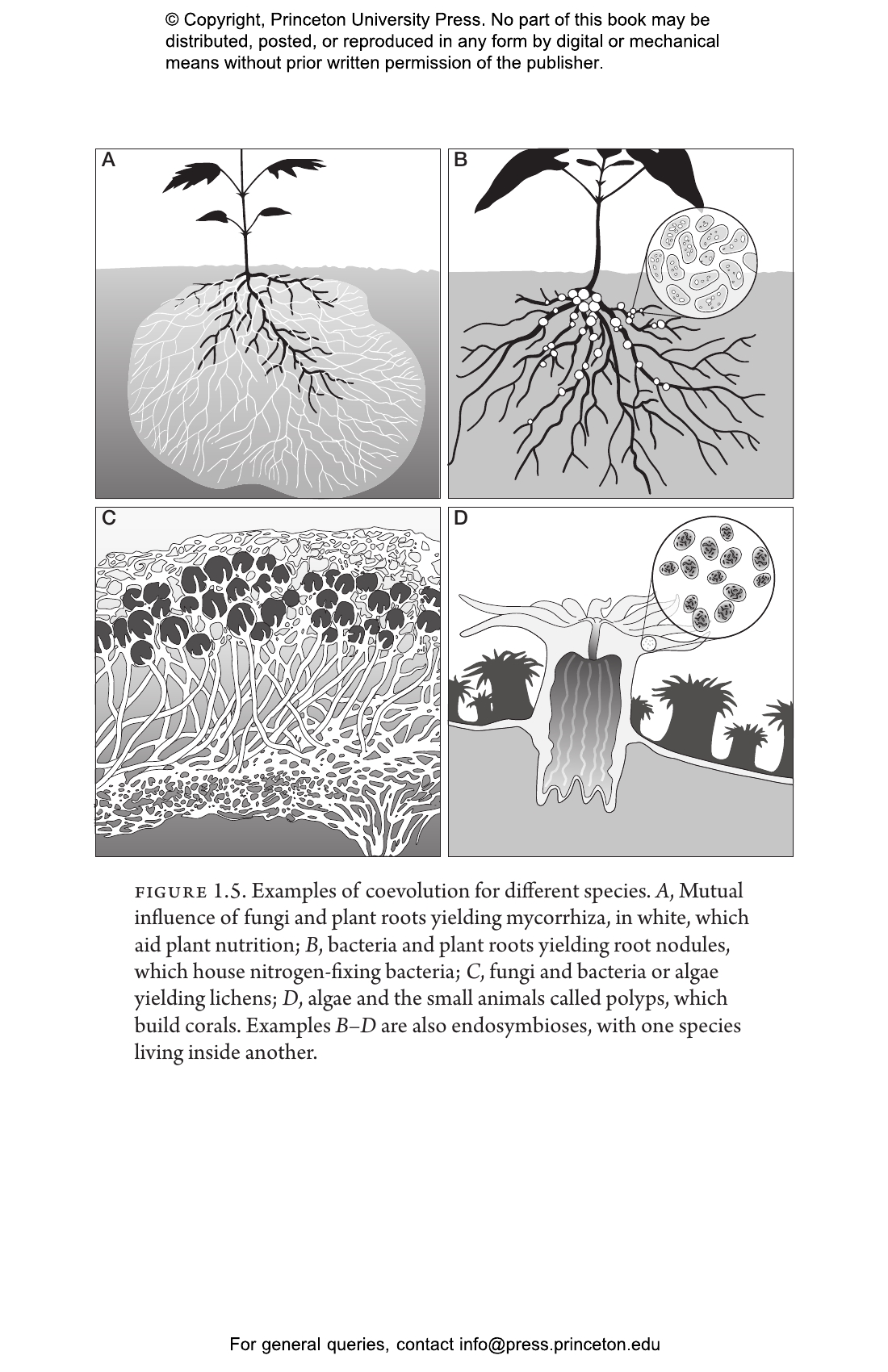
The Network of Life describes the drivers of horizontal evolution鈥攊nterbreeding and genetic recombination, the merger of species, horizontal gene transfer, and coevolution. The network view of evolution that emerges supports a new symbiotic theory of health, which holds that the future health of humans, other species, and our shared environments depends on evolution and adaptation across life鈥檚 network.
Difficult times lie ahead for many of Earth鈥檚 species as climates and habitats transform. At the same time, new and altered life-forms are arising and spreading in association with human activities. We are also learning to reshape and create life by mimicking the mechanisms of horizontal evolution, and we are coevolving with technology as we enhance our bodies, brains, and life spans. The Network of Life shows why and how increasing our knowledge of horizontal evolution can provide critical lessons as we navigate our looming challenges.
Awards and Recognition
- A Choice Outstanding Academic Title of the Year
"Mindell is an excellent guide to this complex picture. . . . [The Network of Life] offers good, solid science and a clear illustration of an emerging perspective that is beginning to pay dividends in our understanding of evolution."鈥擠avid P. Barash, Wall Street Journal
"An outstanding and thought-provoking book."鈥擩im Lynch, The Biologist
"Eye-opening analysis. . . . The heady ideas will change how readers understand some of biology’s most fundamental concepts."鈥�Publishers Weekly
"A perspective-shifting reconceptualization of evolution."鈥擶ade Lee-Smith, Library Journal
"There are many rewards to reading the book. . . . The Network of Life is engaging and contains exciting text."鈥擜rturo Becerra, Quarterly Review of Biology
"I am quite sure that Darwin, were he alive today, would embrace this added view of evolution and would be foremost in its supporters. . . . The book is beautifully written and thought-provoking in myriad ways."鈥擠avid Gascoigne, Travels with Birds
"There are a number of books on networks in the biological and computer sciences, but none that explore the horizontal connections that Mindell finds so important. A valuable book."鈥�Choice
"An important book."鈥擠avid Lorimer, Paradigm Explorer
“Mindell’s wide-ranging inquiry into the network of life is as mind-expanding as it is bold. Mindell does nothing less than trace the outlines of a new view of life and the implications of humanity’s coexistence with nature, technology, and an ever-changing planet. From bacteria to birds, from Aristotle to Emily Dickinson (and of course Darwin), the breadth of scholarship and integration of emerging concepts is breathtaking.”—Scott V. Edwards, Harvard University
“In this excellent book, David Mindell presents a new picture of evolution. He compellingly argues that decentralization brought about by horizontal evolution is indispensable for biological innovation. Highly recommended for anyone interested in quickly grasping the recent paradigm shift in evolutionary biology.”—Eugene Koonin, National Institutes of Health
“Exploring the intersection of human evolution and the history of life on Earth, The Network of Life asks us to envision the future of humanity and biological diversity in the context of the benefits and threats of an increasingly technological world. This is an expansive and stimulating book.”—Joel L. Cracraft, American Museum of Natural History
“I’d always thought of evolution as primarily a matter of ‘descent with modification’—a treelike process, only sometimes interrupted by horizontal exchange. Lately, however, I’m coming to realize that the important events in evolution—those leading to evolutionary innovation—might well be the horizontal ones. This is a paradigm shift, and Mindell’s book is what finally convinced me.”—W. Ford Doolittle, coauthor of Can Microbial Communities Regenerate? Uniting Ecology and Evolutionary Biology
“Beautifully written, The Network of Life convincingly challenges the conventional vertical narrative of evolution. Full of novel ideas, this is a thought-provoking, iconoclastic book that will inspire many rich discussions in evolutionary biology.”—Axel Meyer, University of Konstanz, Germany