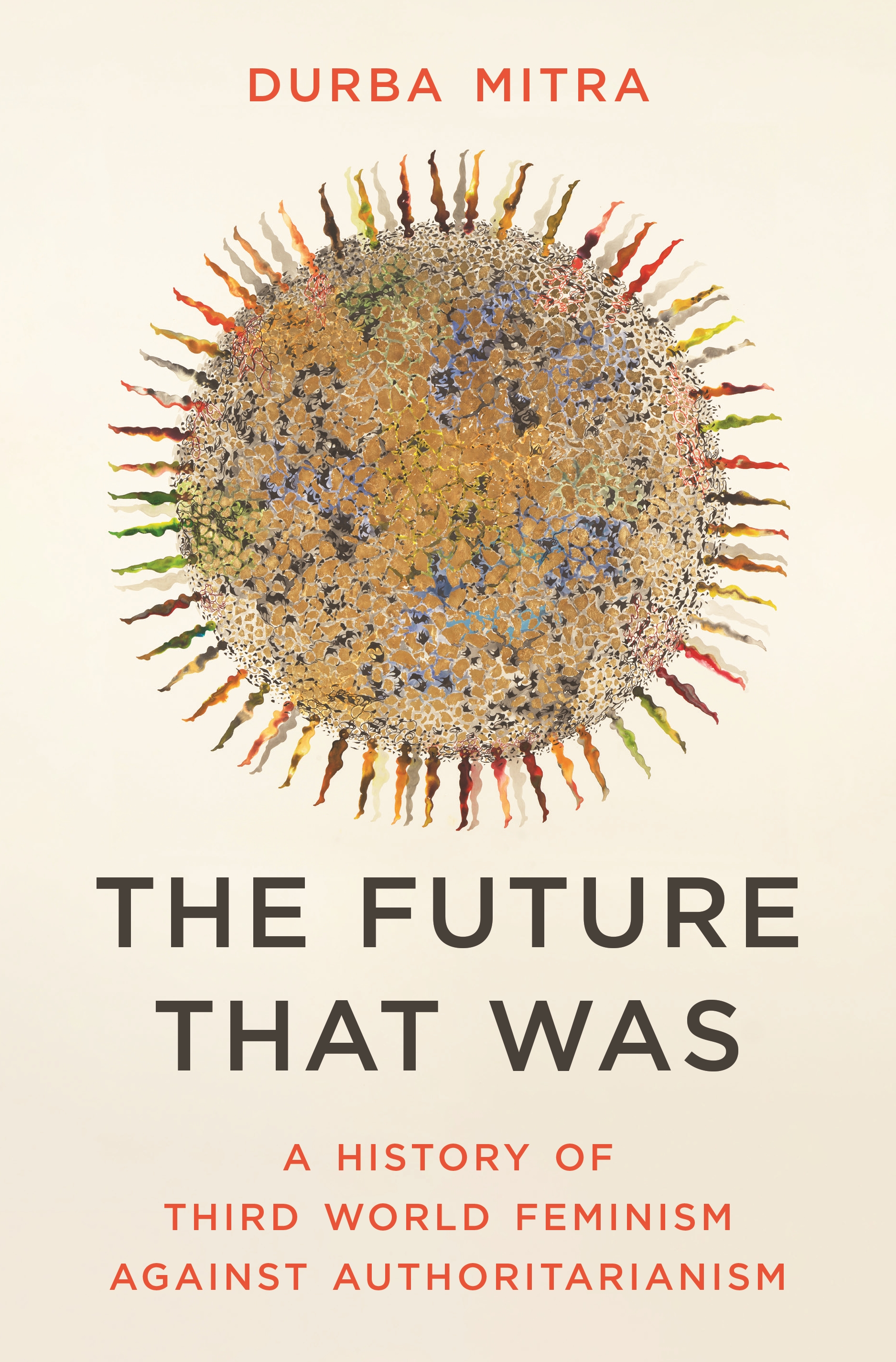
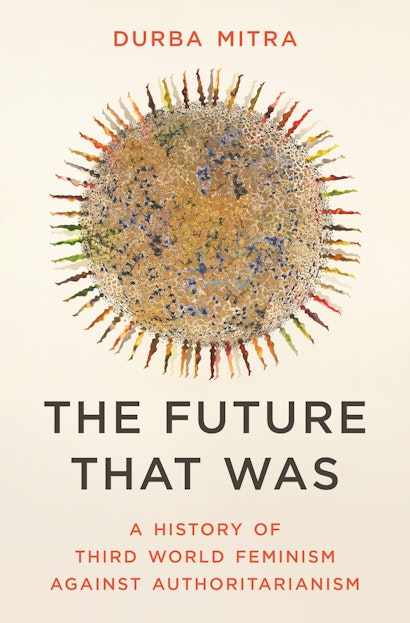
Beginning in the 1970s, women of the decolonizing world offered new visions of liberation that centered the ideas and lives of women. Galvanized by International Women鈥檚 Year in 1975 and the UN鈥檚 Decade of Women, Third World women developed novel ideas of equality and self-determination, building a new internationalism in opposition to neocolonialism and postcolonial authoritarianism. In The Future That Was, feminist historian Durba Mitra offers a pathbreaking account of how these women wrote Third World feminism into being, catalyzing a momentous expansion of knowledge about women, gender, and sexuality that transformed emancipatory politics across the globe.
Mitra shows how women from former colonies in South Asia, Africa, the Caribbean, and beyond envisioned a radically just world鈥攁nd did so by insisting that research on the world鈥檚 women lay at the heart of debates about global inequality, development, and human rights. Women gathered at international conferences, wrote reports on the dangers facing women, and took to the streets in protest, building a world of knowledge that contested the devastating effects of patriarchy and colonialism. Yet, despite hundreds of laws, institutions, and publications created through the efforts of these women, the future they imagined was never fully realized. The Future That Was transforms the story of decolonization and its aftermath through the history and ideas of women. By excavating these vital pasts, Mitra shows how we might envision a future of our own that is freer than the present.
Awards and Recognition
- A Ms. Magazine Most Anticipated Feminist Book of the Year
Durba Mitra is the author of Indian Sex Life: Sexuality and the Colonial Origins of Modern Social Thought (快色直播).
"[A] rich and enlightening examination of Third World feminism, including its origins, hopes, challenges and visions for the future. Deeply researched, this is a valuable and engaging volume."鈥擪arla J. Strand, Ms. Magazine
“The Future That Was brilliantly captures the sense of possibility and longing that animated this generation of activist intellectuals: that if they could guide the feminist and anticolonial energy of the moment in a more liberatory direction, their lives would be transformed. Their labors would be recognized, their sexual lives would center on their own desires, and they would have greater standing in their households and communities. Along the way, Mitra offers a master class in how to defamiliarize and analyze seemingly mundane objects to understand them in all their complexity and to show what was at stake for these Third World feminists.”—Jocelyn Olcott, author of International Women’s Year: The Greatest Consciousness-Raising Event in History
“Durba Mitra’s superb survey of Third World feminism demonstrates how inspiring promises of liberation were stymied by the narrow methodology of policy research dictated by large foundations and multinational NGOs, creating a privileged domain of world-traveling scholars fluent in the global languages of development. But the archive of conferences, reports, books, and journals from the 1970s and 1980s survives, preserving the memory of courageous anti-authoritarian protests and resolute anti-imperialist solidarities and announcing a future that was and still can be.”—Partha Chatterjee, author of The Nation and Its Fragments: Colonial and Postcolonial Histories
“As the early hopes of decolonization foundered against the rocks of authoritarianism and neocolonialism, feminists of the Third World turned to research on the world’s women as an instrument of collective liberation. In telling the story of these feminist thinkers and actors—the knowledge they created, the transnational networks they forged, and the horizon of freedom toward which they struggled—Durba Mitra has given us a formidable and riveting piece of intellectual history. This is the work of a world-class scholar firing on all cylinders."—Amia Srinivasan, author of The Right to Sex: Feminism in the Twenty-First Century
“In this vibrant book, Durba Mitra gives us a new history of Third World feminism. In the 1970s and 1980s—from international conferences to local protests—women worked together not only for gender equity but also for global equality in a neocolonial, authoritarian, patriarchal world. Mitra shows us the promise of their radical vision and the limits of their legacy. Essential reading for our troubled times.”—Joanne Meyerowitz, author of A War on Global Poverty: The Lost Promise of Redistribution and the Rise of Microcredit