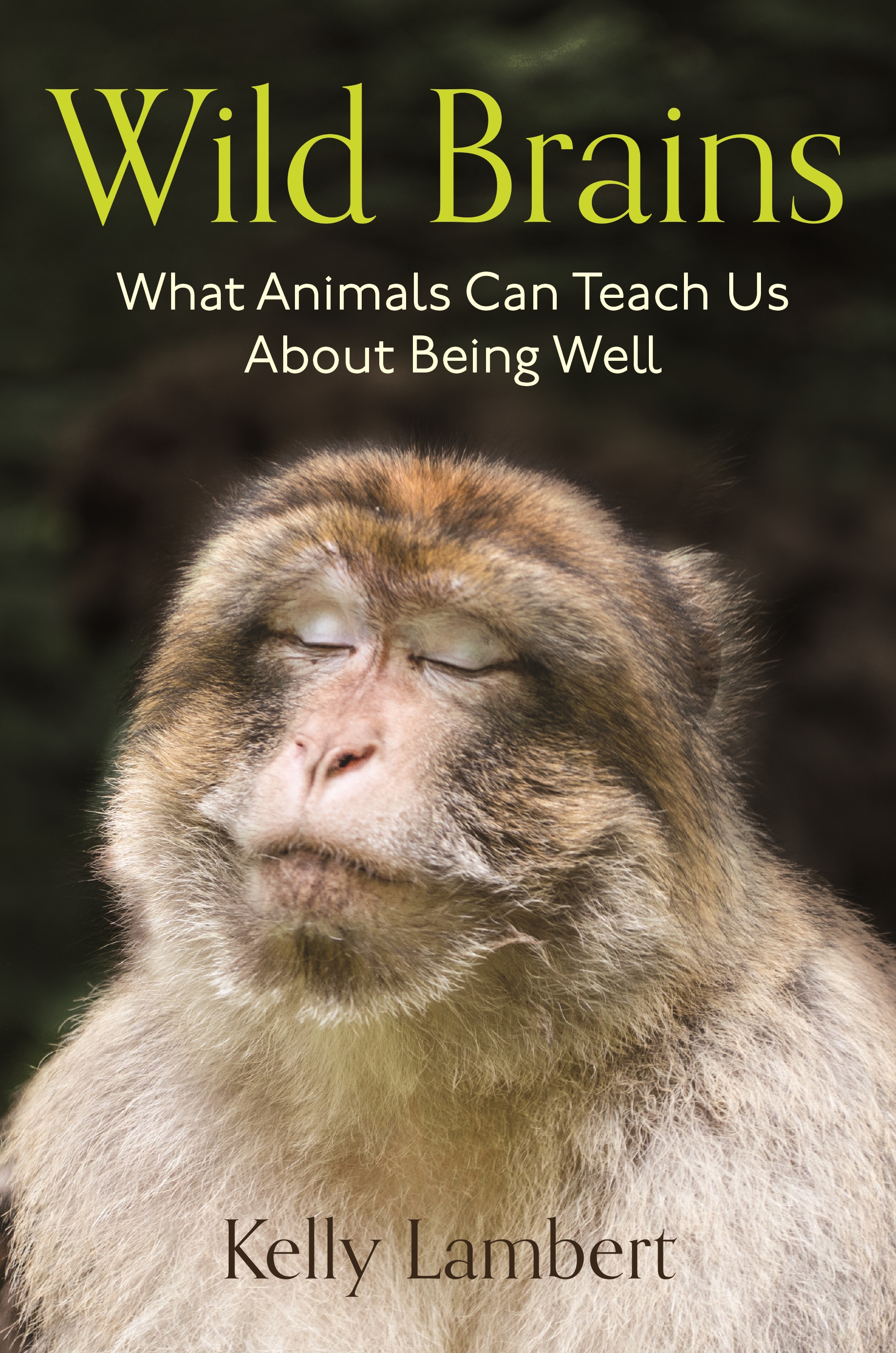
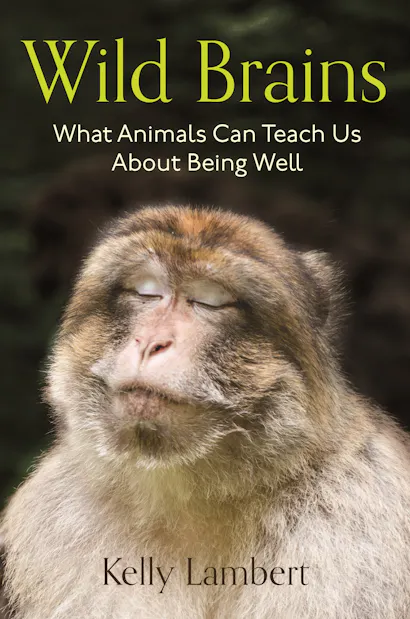
Despite a century of impressive advances in neuroscience, few true breakthroughs in mental health treatment have emerged. At a time of escalating mental health challenges across the globe, what have we missed by focusing on rats and mice in brain research and neglecting other species with equally complex and adaptive brains? In Wild Brains, Kelly Lambert invites readers on a captivating journey to rethink traditional animal research models, venturing beyond the confines of the laboratory to explore the extraordinary promise of studying animal brains in the wild.
With Lambert as your guide, you鈥檒l discover neural clues that help us understand the mischievous raccoon, the shape-shifting octopus, the family-focused owl monkey, the industrious beaver, and elephants that engage in deceptive behavior. Can naked mole rats unlock secrets to aging well? Could the play behaviors of animals offer mood-boosting strategies for humans? Can prairie voles help us decode the neural roots of human connection? Lambert draws on historical insights as well as her own groundbreaking research鈥攆rom teaching rats to drive tiny cars to testing the problem-solving skills of mouse lemurs in Madagascar鈥攖o reveal what wild brains can teach us about emotional resilience, stress regulation, social bonding, and longevity.
A bold case for diversifying our brain research to include more species and habitats, Wild Brains blends cutting-edge neuroscience with vivid storytelling to open new pathways for understanding the human brain and advancing mental health through more ecologically informed strategies.
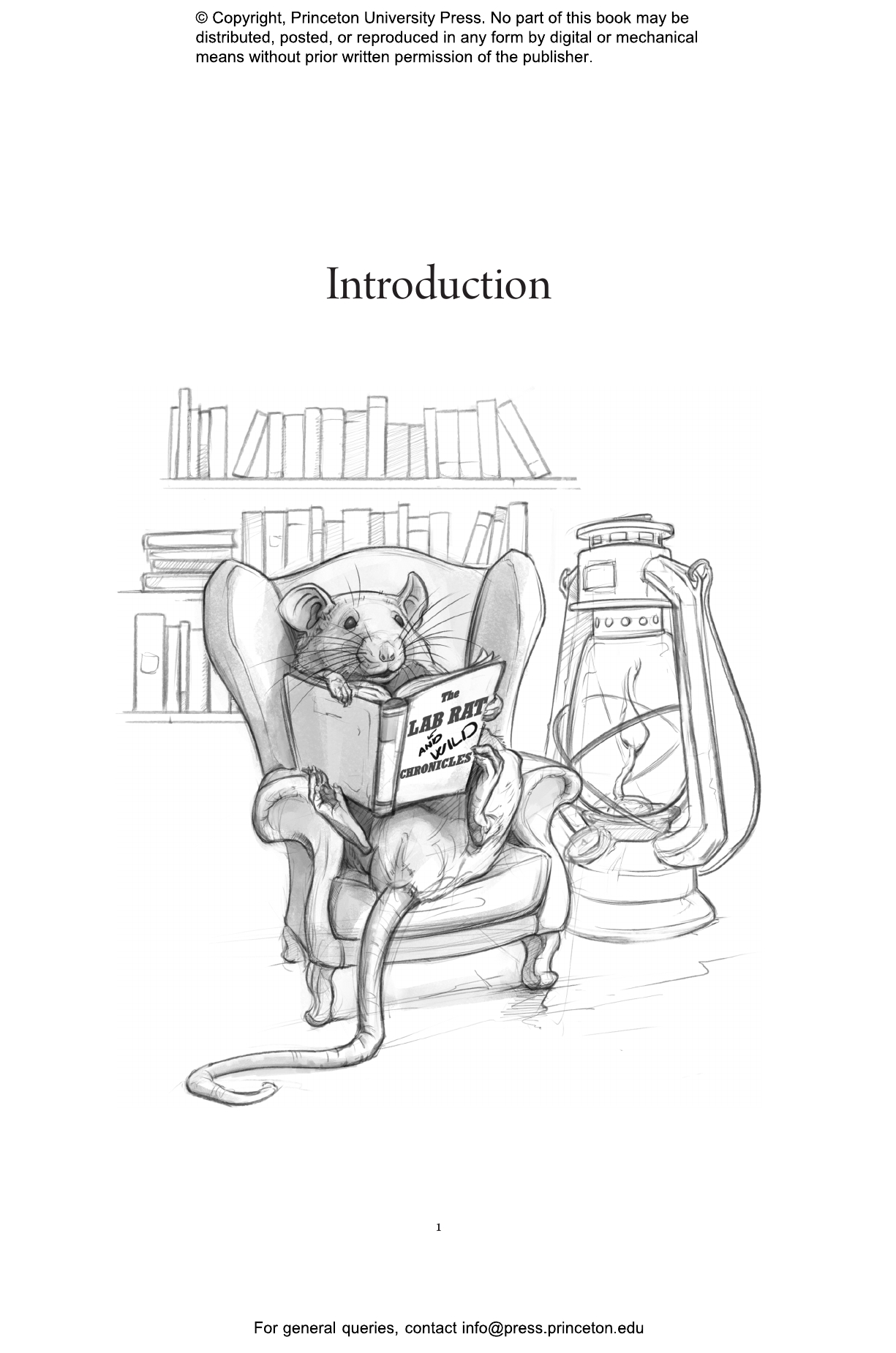
Kelly Lambert is professor of behavioral neuroscience at the University of Richmond and the author of Lifting Depression, The Lab Rat Chronicles, and Well-Grounded. Her research has been featured on Netflix’s The Hidden Lives of Pets, CBS News Sunday Morning, CNN, and NPR, and in leading publications such as National Geographic, Scientific American, The New York Times, and The Washington Post. She is the recipient of the Society for Neuroscience’s Science Educator Award and was named Virginia’s Professor of the Year by the Carnegie Foundation and the Council for Advancement and Support of Education (CASE).
“Nature has done many of the most important experiments for us. In Wild Brains, Kelly Lambert helps us to appreciate many of these experiments, reminding us that we have much to learn outside of the bounds of laboratory research. This is an important message beautifully conveyed by a brilliant neuroscientist.”—Thomas Insel, former director of the National Institute of Mental Health and author of Healing: Our Path from Mental Illness to Mental Health
“In this lively and enlightening book, Lambert explores the secrets of wild minds, from raccoons off the islands of Georgia to mouse lemurs in Madagascar, with the insights of a lab neuroscientist. Through this lens, she gives us a refreshing perspective and a deeper understanding of how valuable the challenges of nature are to the fundamentals of brain development.”—Patricia Chapple Wright, winner of the Indianapolis Prize and founder of the Centre ValBio Research Campus, Madagascaar
“With a casual eloquence and an unsurpassed understanding of the brain, Kelly Lambert expands the vision of both the biological and the behavioral sciences. She presents us with a revelation: living things and their behavior can only be fully understood as indivisible components and adaptive expressions of the environments that have brought them into being.”—Joe Hutto, author of Illumination in the Flatwoods and subject of PBS Nature’s “My Life as a Turkey”
“If you have a brain, you will benefit from this sharp and pathbreaking book. Lambert lovingly critiques a science that is too reliant on inbred rats in featureless cages, making a passionate case for taking neurobiology out into the beautifully messy world. This book is curious, wide-ranging, and in love with nature’s ceaseless capacity for invention.”—Ben Naddaff-Hafrey, senior producer and host of The Last Archive and Revisionist History
“Wild Brains offers a compelling expansion of how we think about neuroscience and overall health. At a time when progress in treatment has lagged behind discovery, Lambert points us toward the rich, adaptive intelligence of animals in their natural environments and the living world. The result is both scientifically rigorous and refreshingly original.”—William A. Haseltine, biophysicist, philanthropist, and author of My Lifelong Fight Against Disease
“Every scientist on Earth should read this book. Our brain and our body organs are shaped by our experiences. Why, then, do we continue to study animal models that are deprived of anything approaching a normal experiential life? In Wild Brains, Lambert shows us, with many enlightening examples, that just like we humans, animals and their brains are a lot more interesting and capable in the real world.”—Michael Merzenich, author of Soft-Wired: How the New Science of Brain Plasticity Can Change Your Life