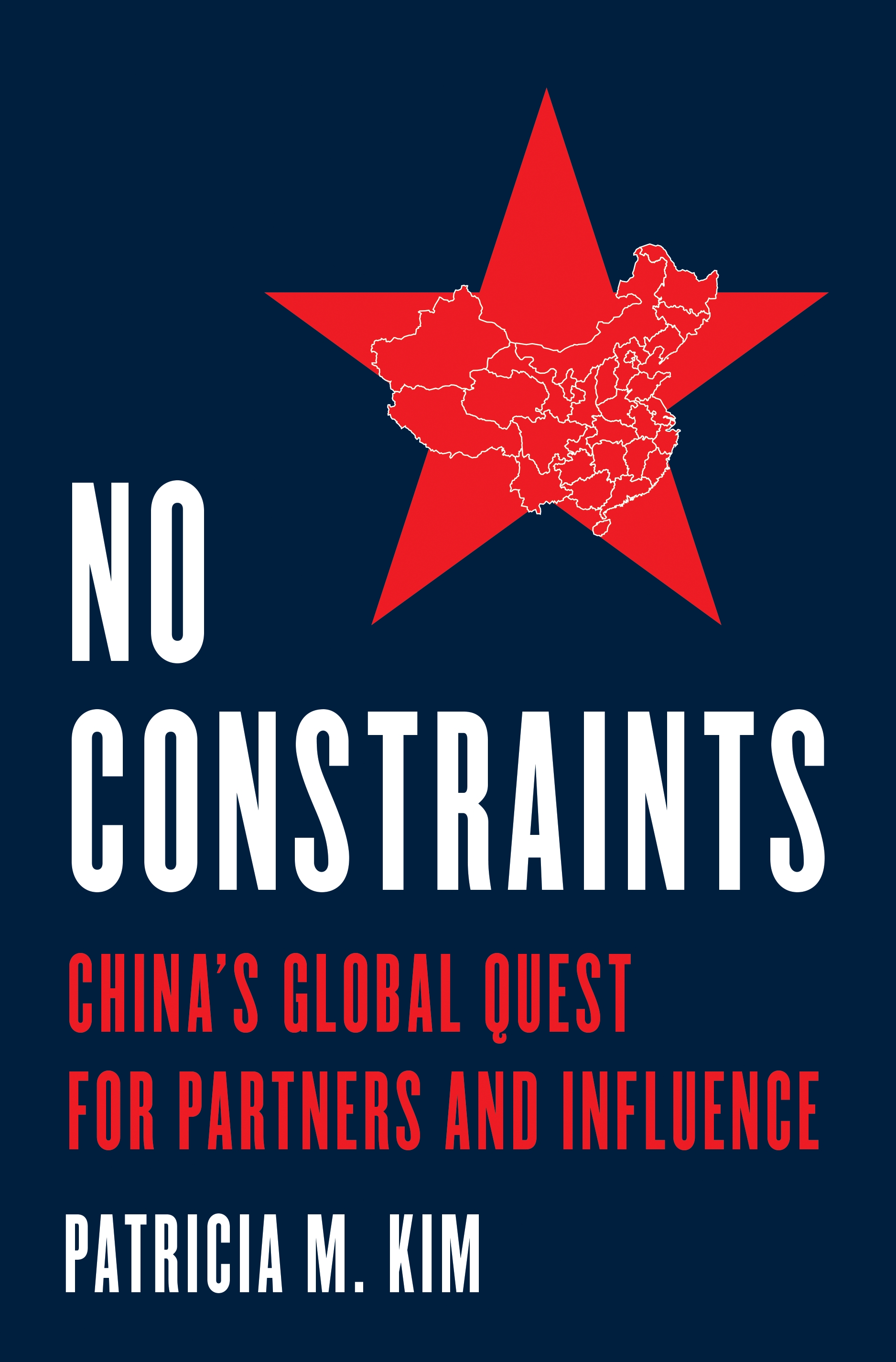
No Constraints: China's Global Quest for Partners and Influence
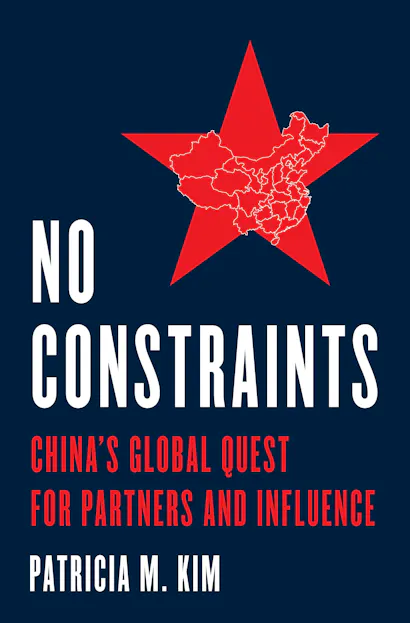
Hardcover
- Price:
- $29.95/拢25.00
- ISBN:
- Published (US):
- Jan 12, 2027
- Published (UK):
- Mar 9, 2027
- Pages:
- 320
- Size:
- 6.13 x 9.25 in.
- 0 illustrations
ebook (EPUB via app)
ebook (PDF via app)
Beijing wants global influence without global entanglements. That ambition is not new鈥攊t has been decades in the making. Rather than building rigid alliances, China has cultivated a vast and flexible web of partnerships spanning ideological divides. These ties鈥攚ith Russia, North Korea, Global South states, and key US-aligned powers鈥攁re designed to avoid binding commitments, counter perceived containment, and expand Beijing鈥檚 room for maneuver amid intensifying great power competition. No Constraints offers an unprecedented look at this approach, showing how China鈥檚 global strategy is driven by a persistent fear of strategic encirclement and a relentless drive to break free of it.
In a study spanning China鈥檚 Cold War alliances to its search for partners today, Patricia Kim reveals how Beijing has managed and mismanaged its most consequential relationships. She demonstrates how China鈥檚 preference for autonomy, embrace of authoritarian regimes, and reliance on coercive tactics have often reinforced the very threats it seeks to diffuse. Its rejection of formal alliances raises hard questions about whether its partners would provide real support in a crisis. At the center of this story stands China鈥檚 enduring struggle with the United States. Kim traces a recurring cycle of attempted grand bargains, coercive pressure, and recalibration as Beijing seeks to resolve strategic encirclement at its source.
Written by an internationally recognized expert on Chinese foreign policy, No Constraints offers a clear-eyed assessment of what China鈥檚 global strategy means for a world in which alignments are fluid, order is contested, and global leadership is increasingly up for grabs. The book concludes with a warning that the greater danger lies less in a China bent on outright global domination, but one that destabilizes the existing order behind a veneer of global leadership.
