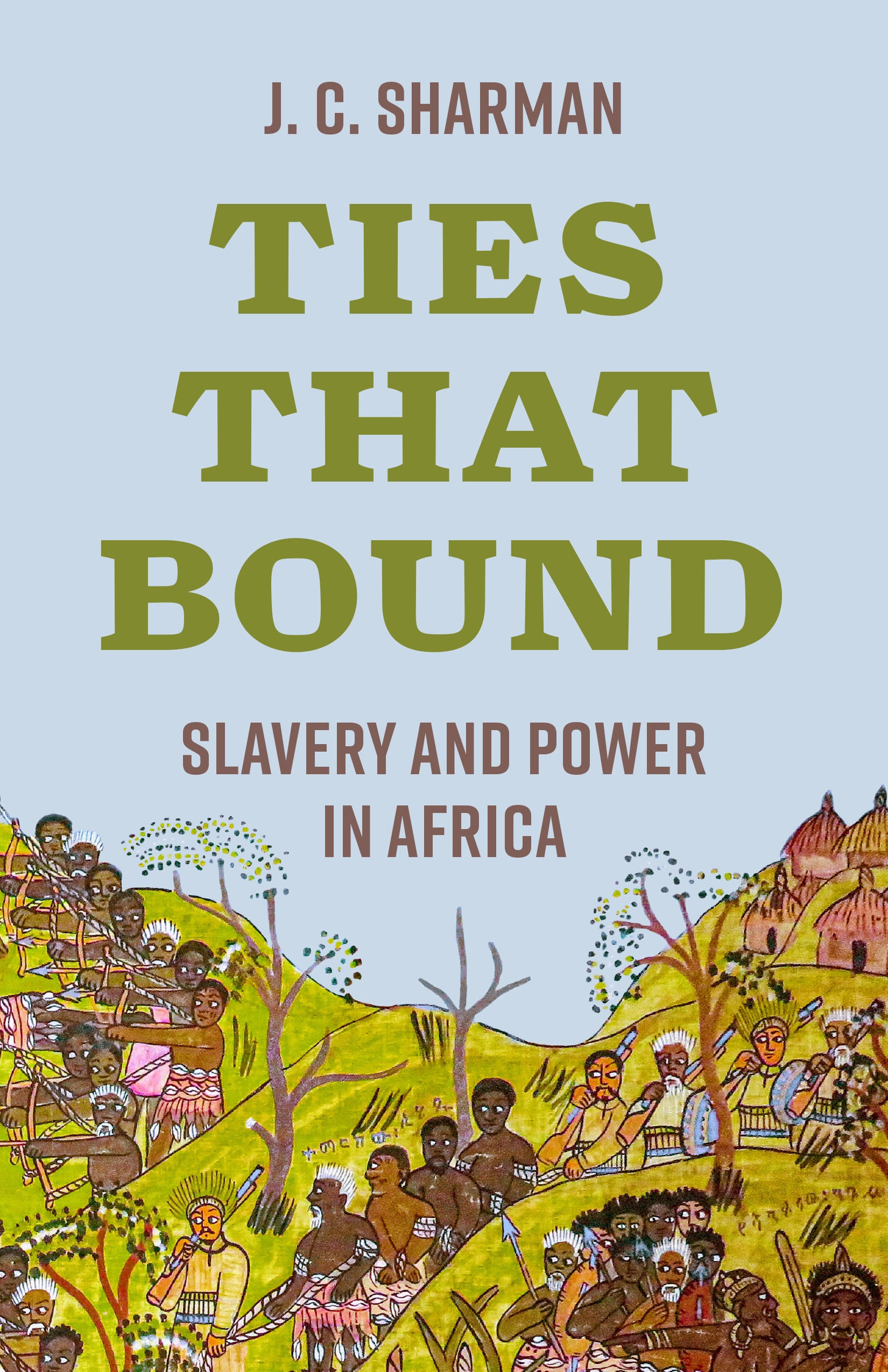
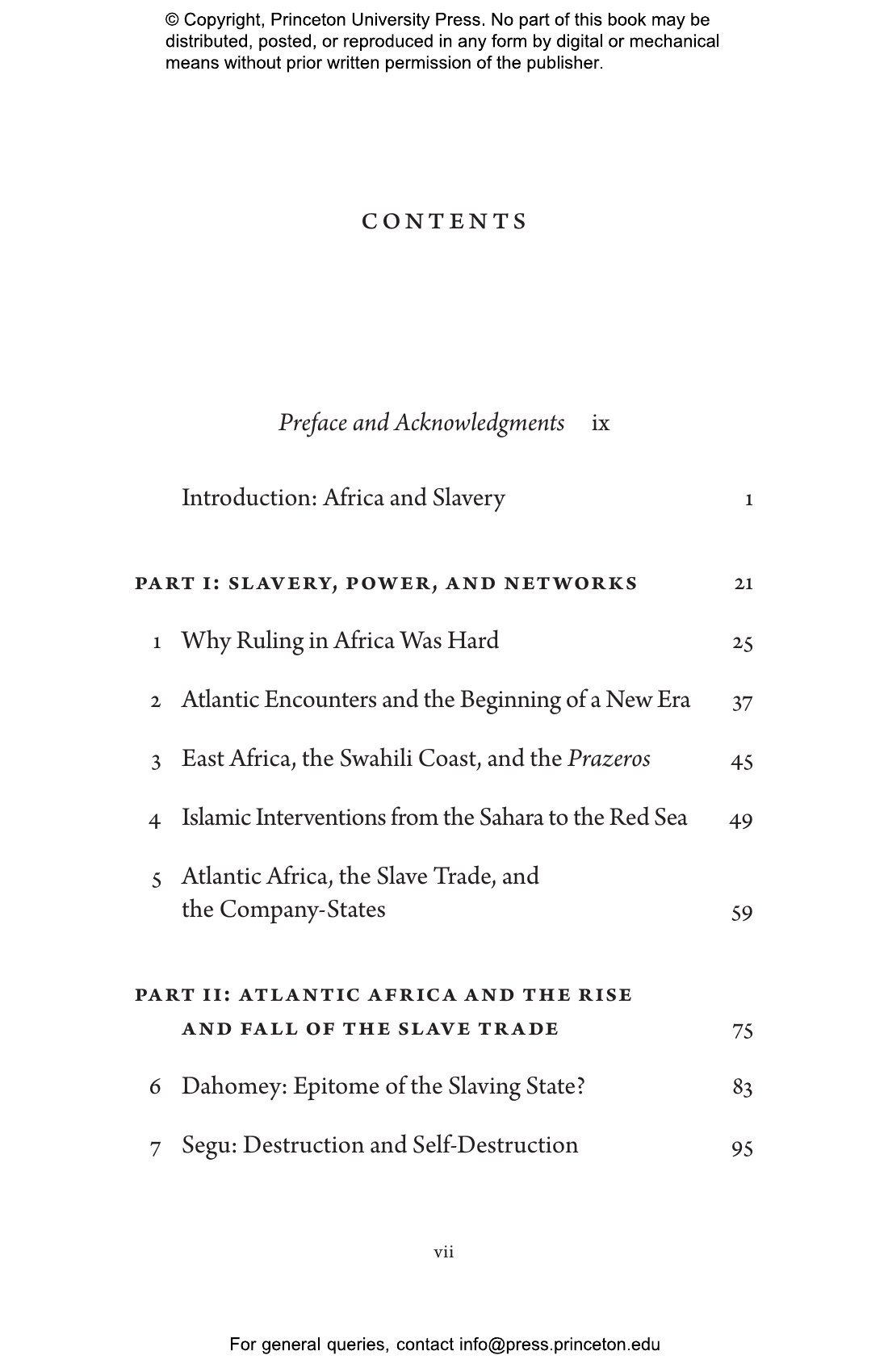
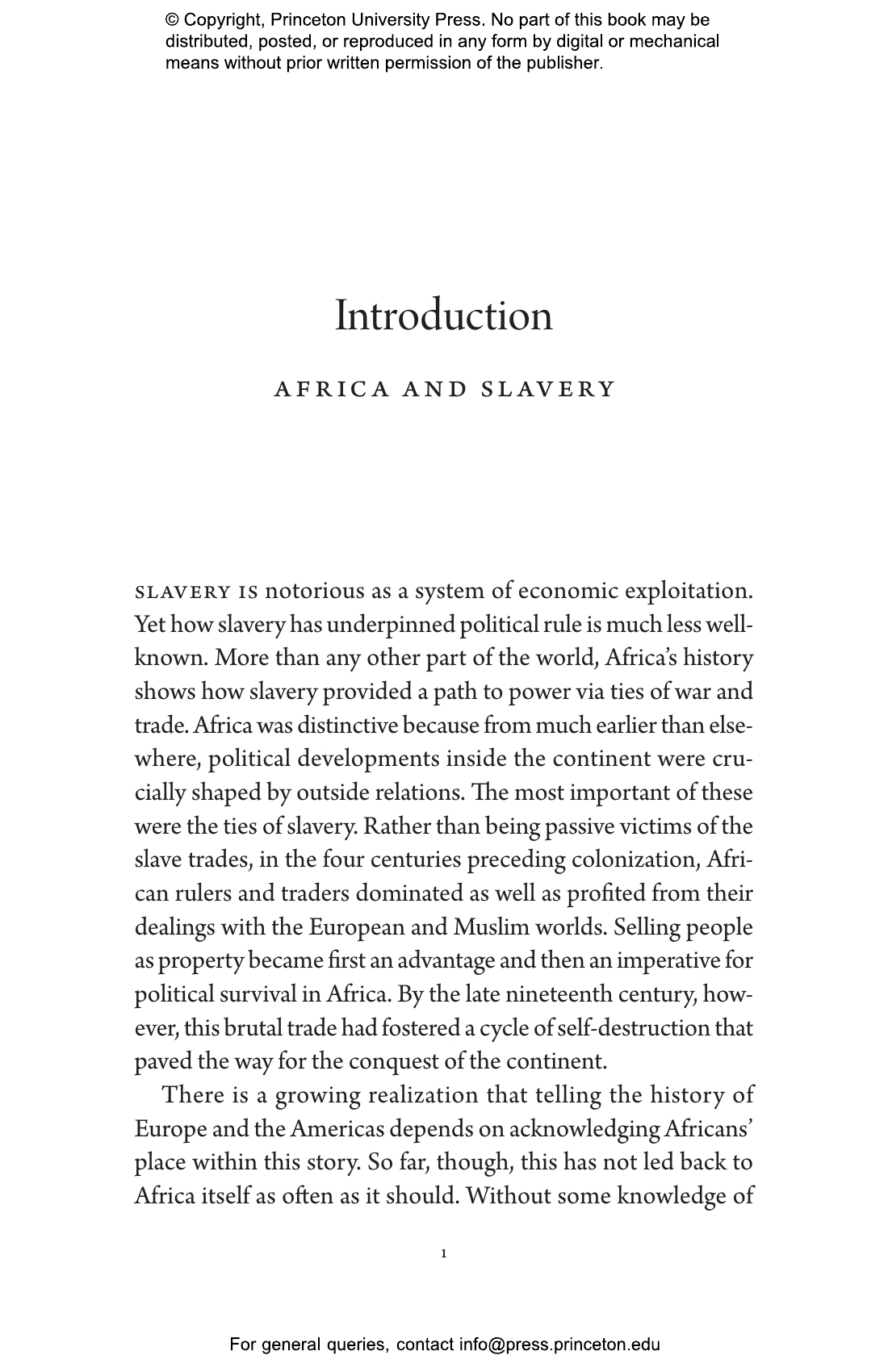
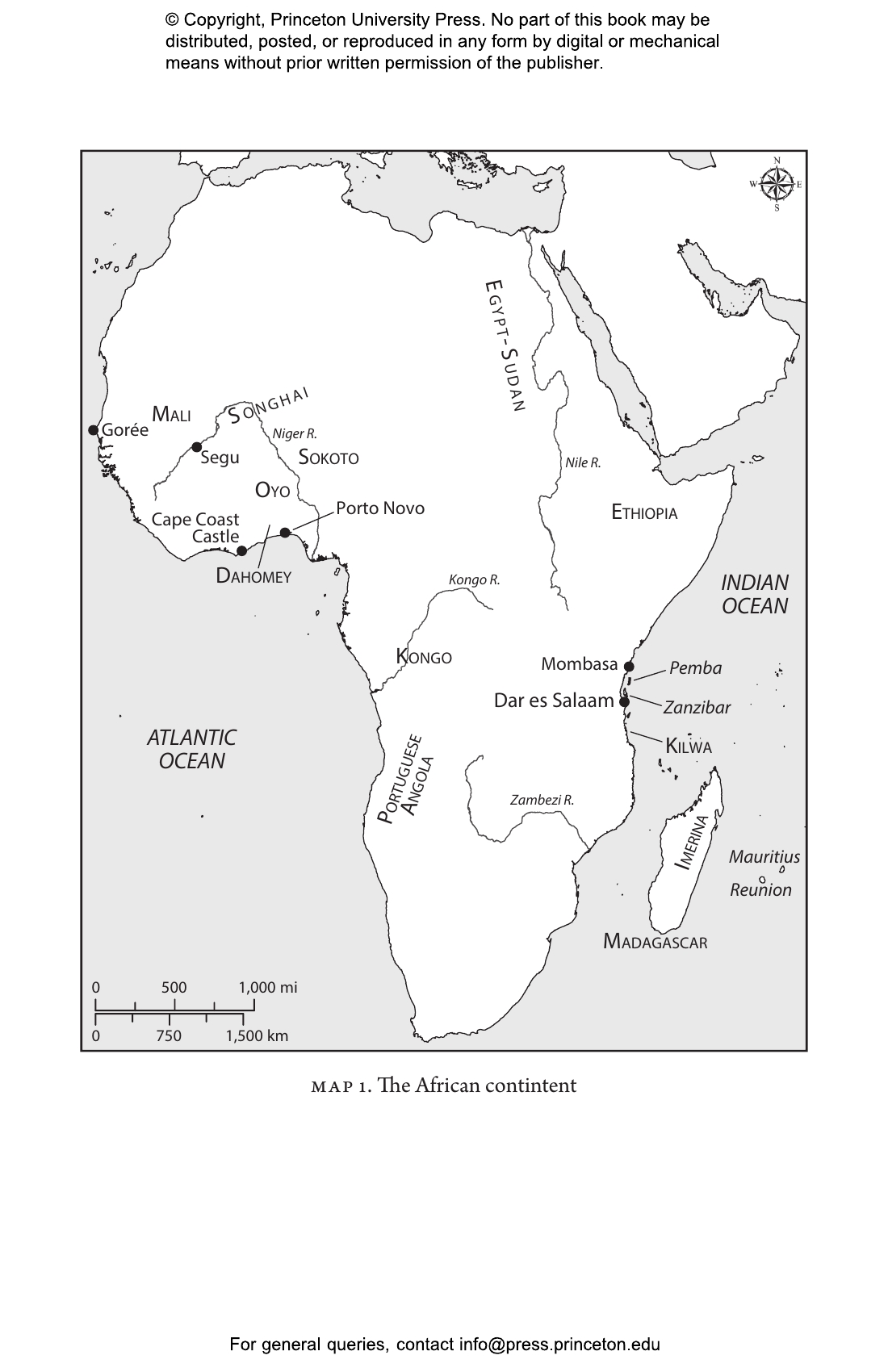
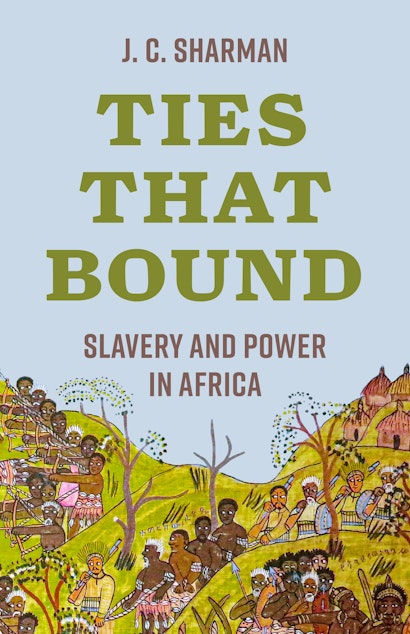
Across history, slavery has been central to political power. By the nineteenth century, African rulers dominated the slave trade with the European and Islamic worlds. In Ties That Bound, J. C. Sharman shows how these rulers were empowered by slavery, converting profits from the market for humans into political might. As demand for African captives grew, a new breed of African bandit slave traders鈥搕urned鈥搆ings leveraged the increasing returns to seize and hold power, paying off followers and buying weapons. Eventually, there were more enslaved Africans within Africa than in the Americas; African kingdoms were secured and administered by slave soldiers and slave officials. Engaging in the slave trade became vital for political survival; success for a few powerful leaders meant misery for millions across the continent.
Arguing that slavery is fundamentally political and relational, Sharman examines the effects of Africa鈥檚 slavery-centered connections and linkages with the wider world. This route to power by enslaving others required engagement with other countries, sometimes in war, sometimes in trade and sometimes in both. More than any other region, Africa鈥檚 experiences show how slavery as a foundation of power depended on ties between insiders and outsiders. Sharman describes how African rulers became locked into increasingly destructive competition with each other. As much of the continent was ravaged by warlords, the very factors that strengthened rulers individually weakened them collectively, and the resulting destruction paved the way for European conquest in the late nineteenth century鈥檚 鈥淪cramble for Africa.鈥�
J. C. Sharman is the Sir Patrick Sheehy Professor of International Relations at the University of Cambridge and a Fellow of King’s College, Cambridge. He is the author of Empires of the Weak: The Real Story of European Expansion and the Creation of the New World Order and the coauthor of Outsourcing Empire: How Company-States Made the Modern World (both 快色直播).
“Sharman highlights the political roots of slavery in Africa through a challenging global perspective that focuses on the corrosive impact of human bondage in shaping historical process.”—Paul E. Lovejoy, author of Transformations in Slavery: A History of Slavery in Africa
“A brave, powerful and important book which situates slavery in its African context. Sharman argues that slavery in Africa was much more than a system of economic exploitation; it was a fundamental political institution which African leaders used to maintain and expand their power.”—Justin Marozzi, author of Captives and Companions: A History of Slavery and the Slave Trade in the Islamic World
“In an extraordinary and penetrating analysis, Sharman confronts the uncomfortable yet crucial links between Africa, its political order and slavery. Moving beyond earlier arguments about African agency in integrating their political economy into the external slave trades, this book offers fresh insights and a nuanced analysis of the history of slavery in Africa. It provides provocative perspectives on how slavery was used to bolster political power and mechanisms, and it invites readers to reconsider the implications of the relationship between political order, the expansion of slavery and European colonial conquest.”—Ismael M. Montana, managing editor of Journal of Global Slavery
“J. C. Sharman’s Ties That Bound will be of value to the field of African history and to those general readers interested in an introduction to the evolution of the continent. Sharman has done an excellent job providing a comprehensive picture of the relationship between slavery and power in African polities, zooming in and out to provide both granular detail and the big picture of what was happening at scale in various moments of history. The scholarship and the audacity of the argument will attract many readers and incite much conversation.”—Jeffrey Herbst, author of States and Power in Africa: Comparative Lessons in Authority and Control