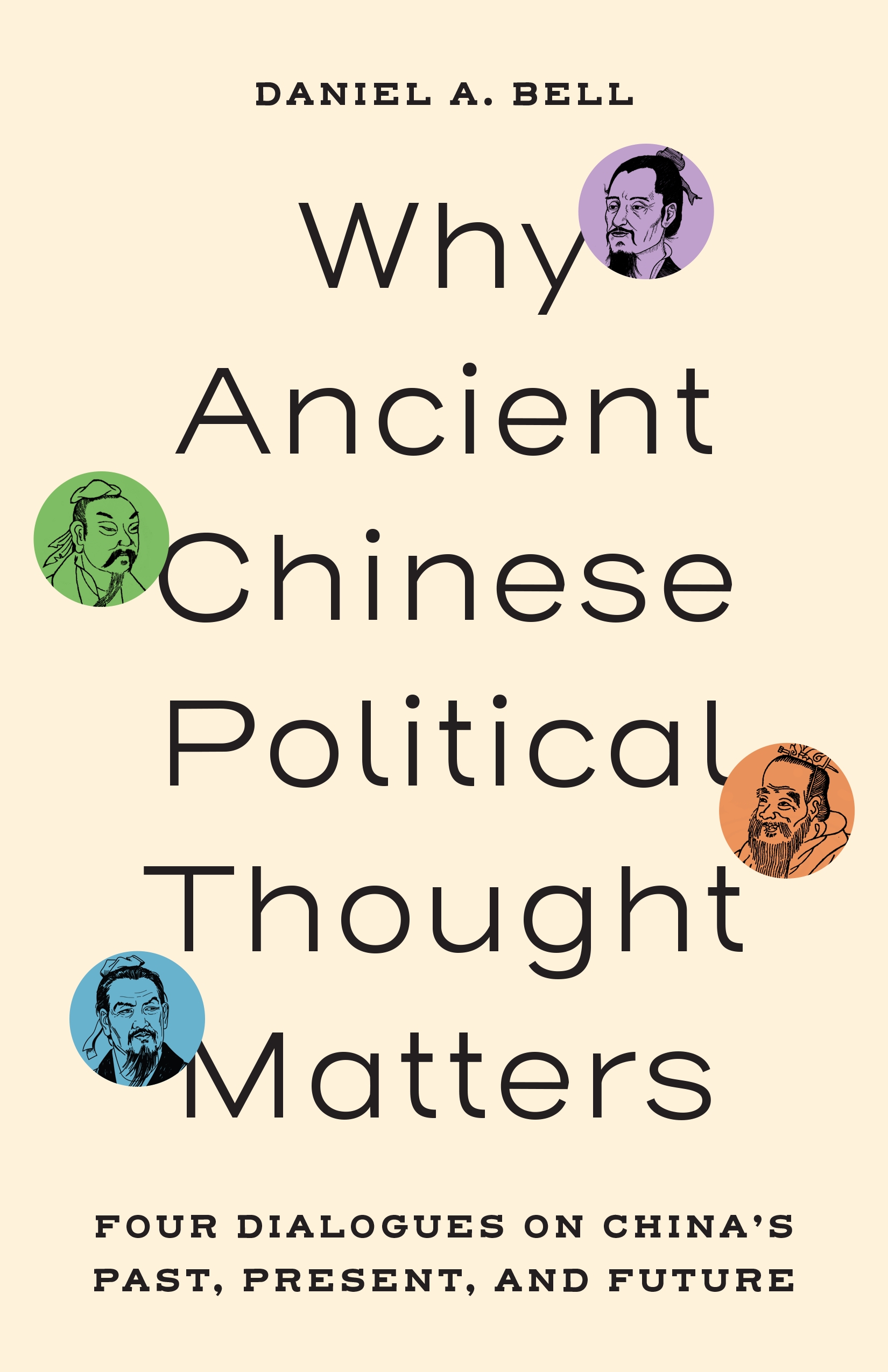
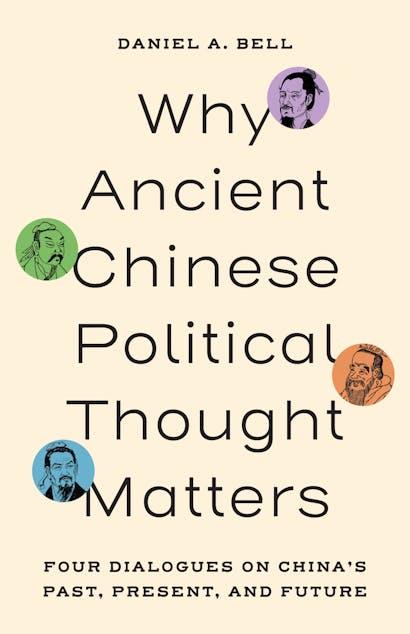
China鈥檚 most original, diverse, and fascinating political debates took place more than two millennia ago, but they have profoundly shaped Chinese political thinking and practice ever since and, remarkably, their influence on the country鈥檚 leaders is only growing today. Yet these timeless debates鈥攚hich are very likely to influence the answers to such questions as whether China should use military force to take control of Taiwan鈥攁re still far too little understood in the West. In this enlightening and entertaining book, Daniel Bell, a leading expert on Chinese political thought, takes the greatest thinkers from China鈥檚 past鈥擟onfucius, Mencius, Xunzi, Shang Yang, Han Feizi, Zhuangzi, and Mozi鈥攁nd puts them in dialogue with each other in modern settings. The result is a creative and engaging introduction to ancient Chinese political thought that reveals its relevance to the future of China and the rest of the world.
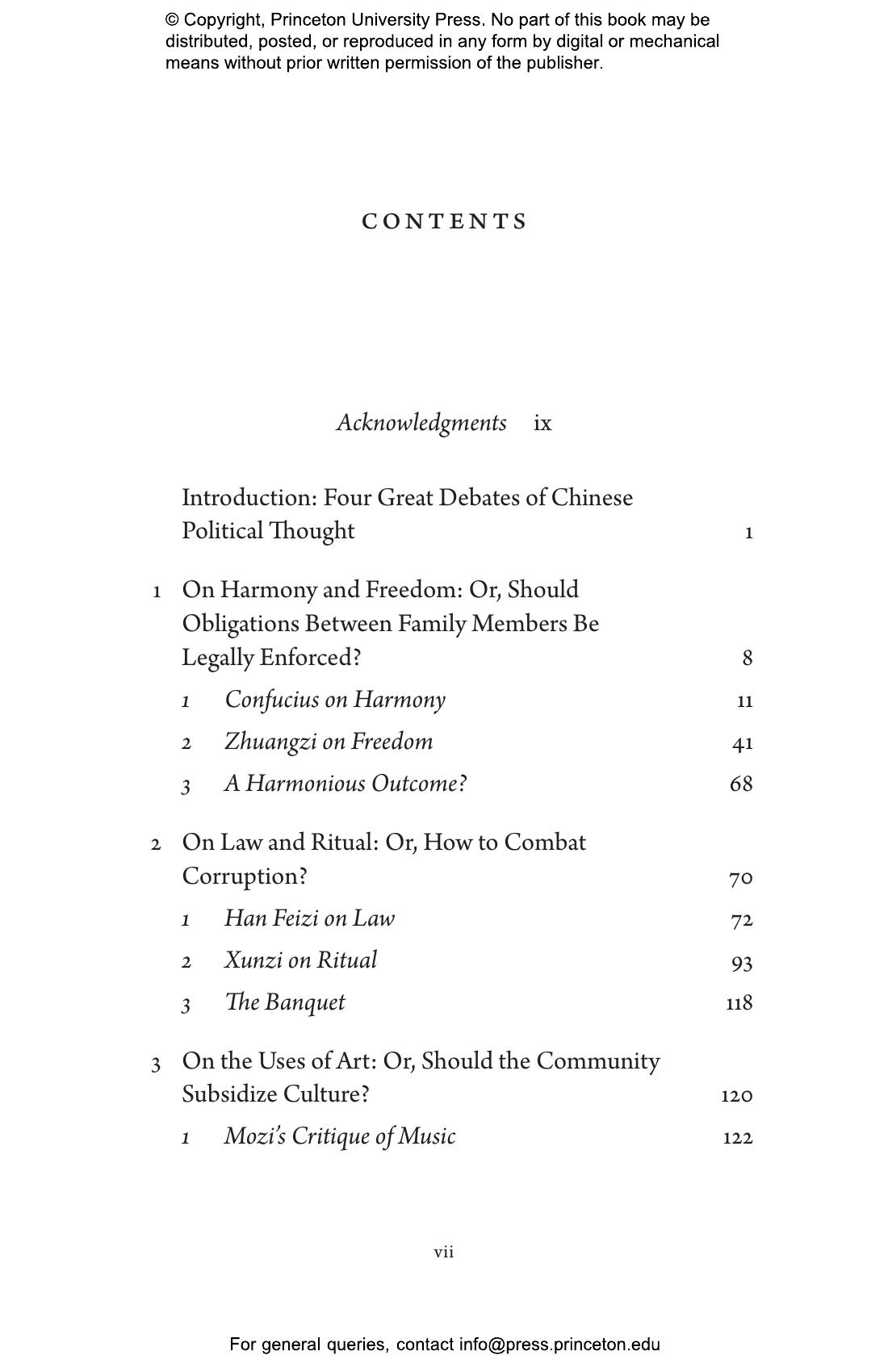
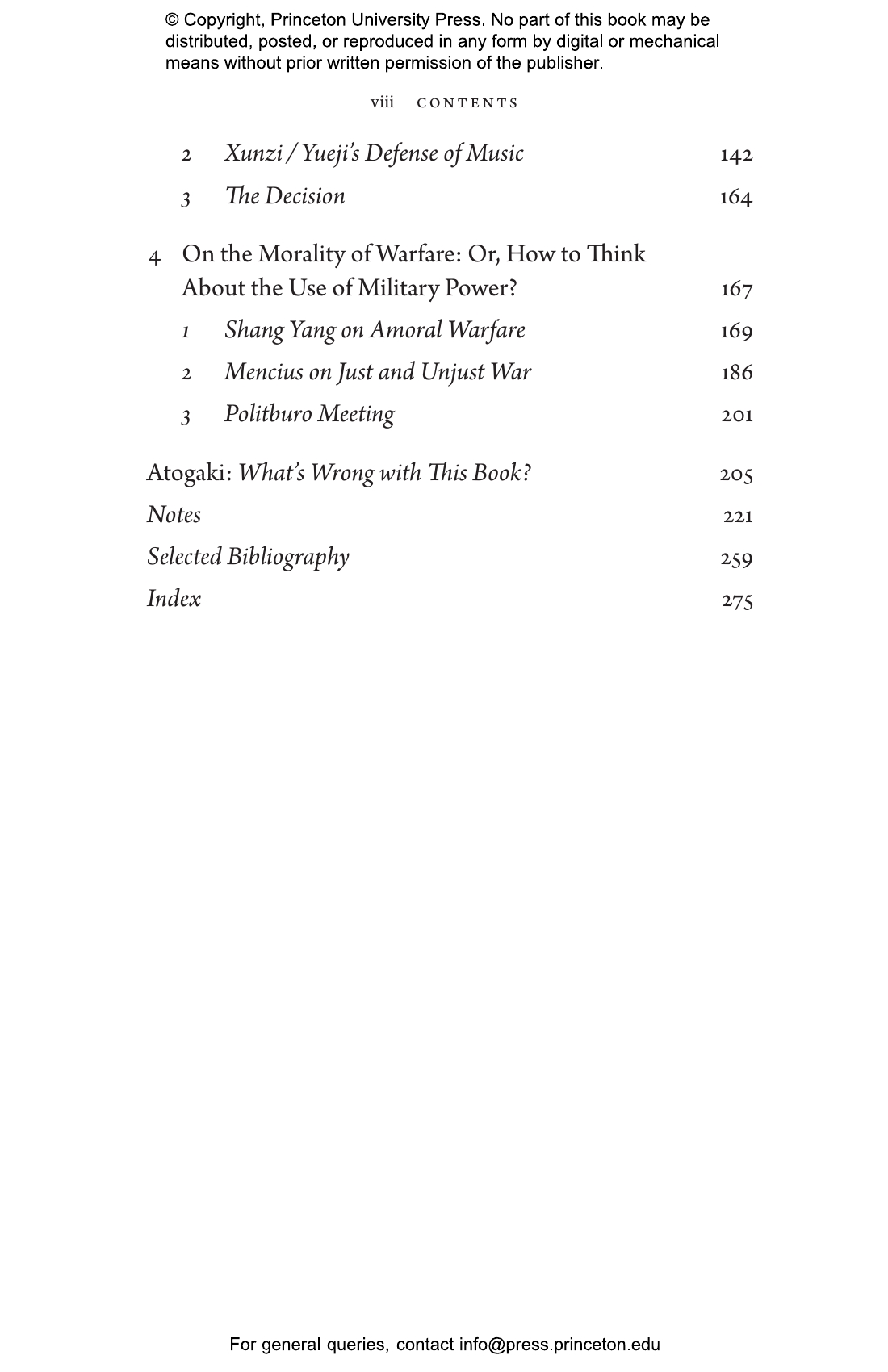
Before China鈥檚 unification in 221 BCE, the brilliant political thinkers who founded Confucianism, Daoism, Legalism, and Mohism roamed from state to state, argued with each other, and tried to persuade rulers to follow their ideas. Bell draws on their debates鈥攁bout such perennial issues as war, corruption, government involvement in family life, and whether the state should subsidize culture鈥攖o create vivid imaginative dialogues about important contemporary social and political controversies.
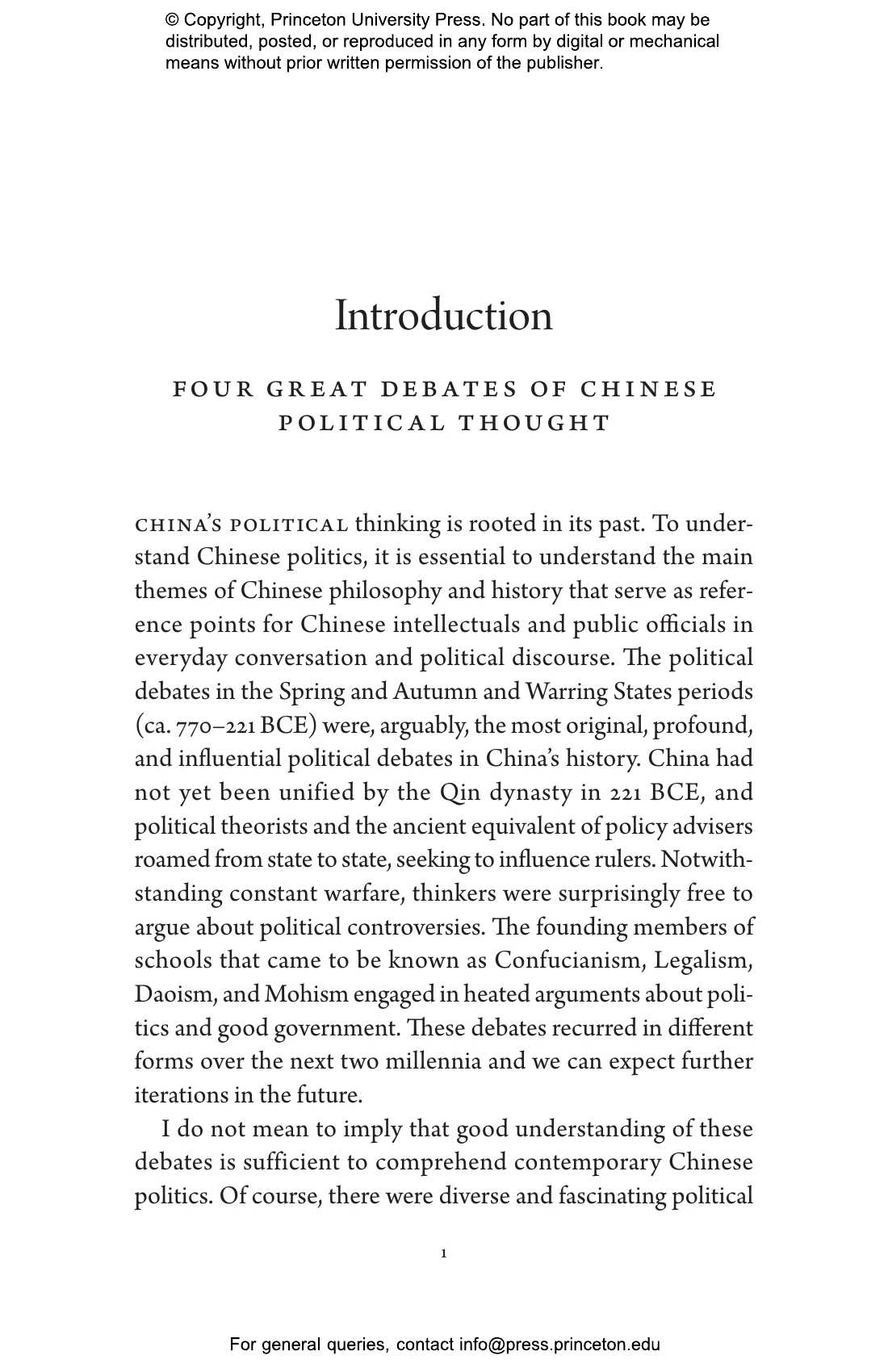
China鈥檚 political thinking is rooted in its past. Understanding what ancient Chinese political thought can teach us about today鈥檚 critical debates is essential to understanding the future of China and the world.
"Few contemporary academics have played a more important role than Daniel Bell in explaining the philosophical and cultural roots of modern Chinese rule to a foreign audience. . . . [Why Ancient Chinese Political Thought Matters] has the virtue of being entertaining, even funny, in some places."鈥擜lex Lo, South China Morning Post
"An entertaining introduction that examines — in the form of lively dialogues between these schools of thought, set in the near future — their relevance to modern political questions in China and globally."鈥擜lec Ash, China 快色直播 Review
"Accessible in tone, these conversations provide a chatty introduction to the various thinkers’ ideas, without forcing readers to struggle through primary texts. By setting them in the present day, Bell can also use them to shed light on vexing modern social issues, from reforms to divorce laws to tackling corruption."鈥擩ames Crabtree, Financial Times
“For anyone, like me, who’s ever stared at a shelf of Chinese classics and thought ‘where do I even start?’—start here. Bell makes China’s ancient debates feel alive, witty, and politically urgent.”—Alexandre Lefebvre, author of Liberalism as a Way of Life
“Drinks are poured, jokes are exchanged, and the banquet is set. In this book, Daniel Bell invites us to eavesdrop on fascinating, candid, and witty discussions between imagined contemporary descendants of great Chinese philosophers. Their dialogue provides a dynamic understanding of key philosophical ideas in classical China that are as relevant to our lives as ever. This is serio ludere, or serious play, at its finest.”—Anna Sun, author of Confucianism as a World Religion
“Daniel Bell makes this deep dive into ancient Chinese political thought an easy and entertaining business. While the original Chinese texts themselves offer little by way of structure and context, by organizing them into a lively dialogue, Bell provides them with lucidity and coherence. Indeed, he furnishes these early thinkers with a stage on which to debate both their own theories and the contemporary issues that he would have them answer.”—Roger T. Ames, author of Living Chinese Philosophy
“Daniel Bell is one of the most innovative political theorists of the twenty-first century, transcending the boundaries of Western theoretical traditions and bridging cultural and intellectual traditions. In this ambitious and thought-provoking book, Bell creatively fills gaps in the understanding of Chinese political philosophy and underscores its enduring relevance. The dialogues bring complex philosophical debates to life and are brimming with wisdom and profound insight.”—Baogang He, coauthor of China’s Galaxy Empire
“Ancient political thought, exemplified by the classical Chinese perspectives in Bell’s luminary dialogues, matters because it grapples with questions about human society—loyalty, power, culture, and justice—that remain urgent for rethinking the political today.”—Shadi Bartsch, author of Plato Goes to China: The Greek Classics and Chinese Nationalism
“With a unique dialogue form that reflects how the Chinese tradition itself developed, this book opens creative avenues for engaging with some of the most urgent social and political issues in contemporary China.”—Paul J. D’Ambrosio, coauthor of Genuine Pretending: On the Philosophy of the Zhuangzi