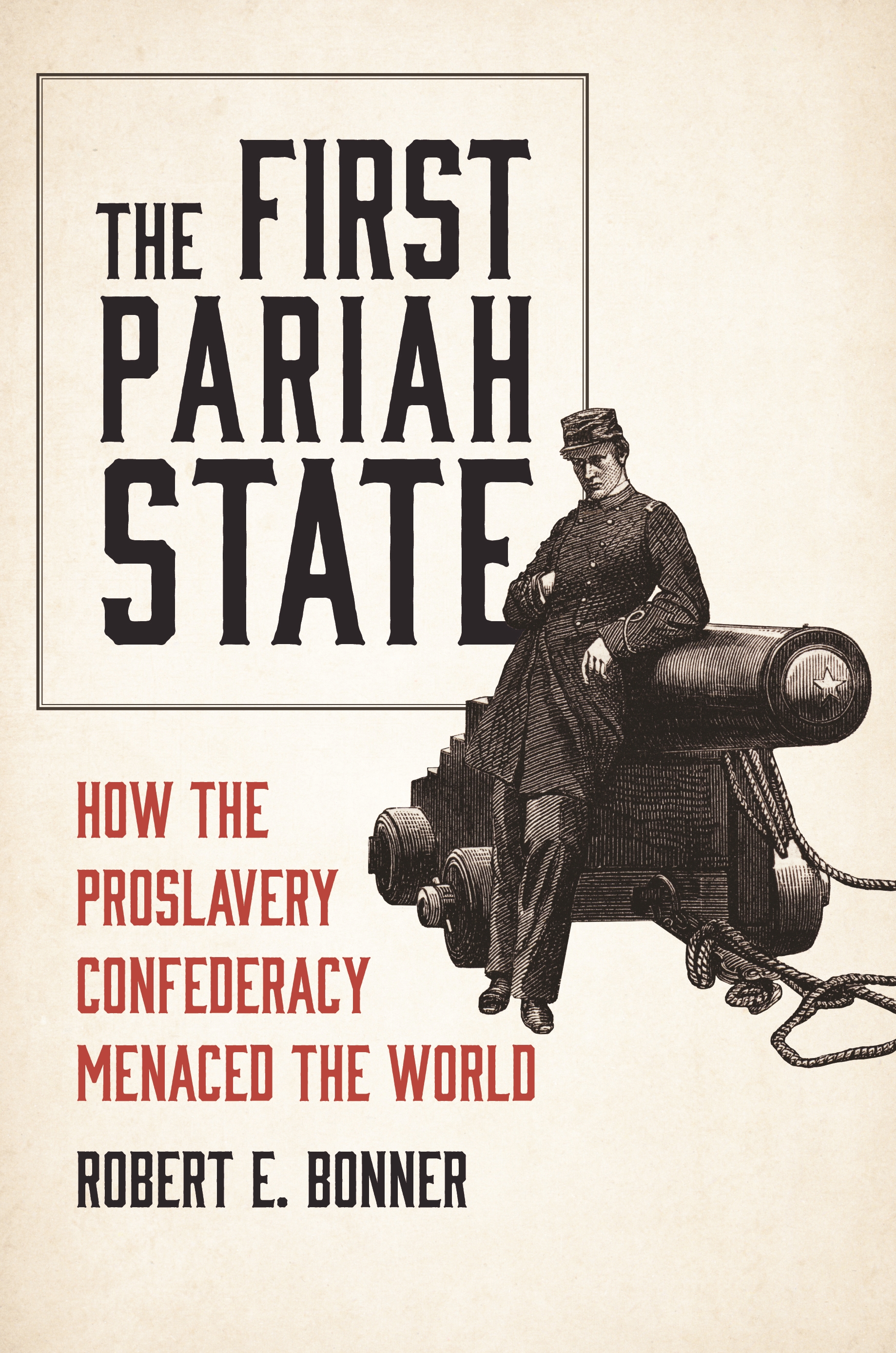
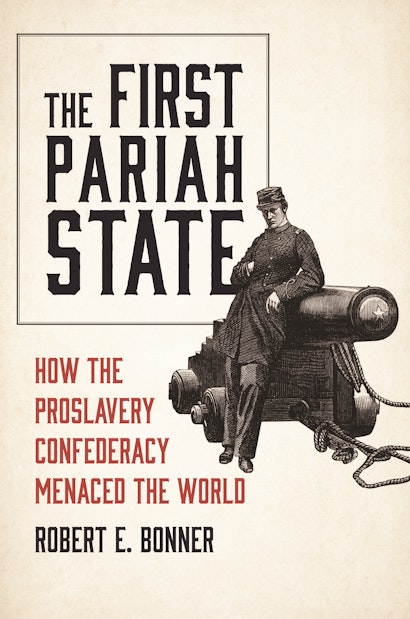
In 1861, proslavery secessionists severed ties with the United States, launched the Confederacy, and readied their new government to join the international community as a sovereign nation. In The First Pariah State, Robert Bonner tells the story of how a transatlantic publicity campaign dashed Confederate hopes by ostracizing its rebellion as an immoral, global menace.
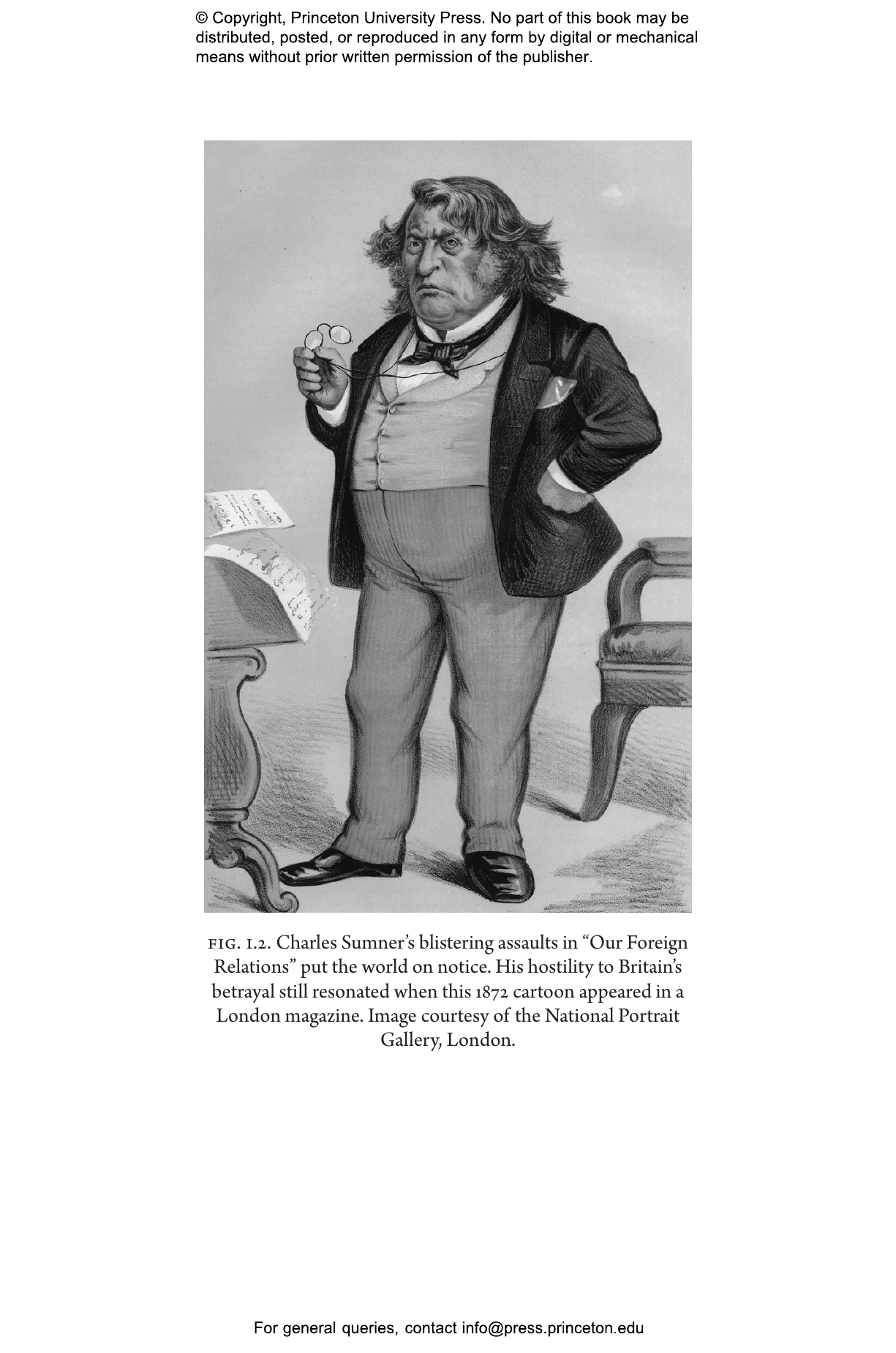
The international anti-Confederate campaign built on existing antislavery themes but moved far beyond them. Improvised indictments circulated secessionists鈥� most incendiary words across the world. The Union and its foreign allies condemned the marauding Southern navy for disrupting high-seas commerce, violating civilized norms, and preparing for the resumption of the African slave trade. Abraham Lincoln and Senator Charles Sumner sought to convert rhetorical barbs and maritime anxieties into novel doctrines of international law designed to counter rogue regimes. And Union opinion-makers, including Black abolitionists, worked with European supporters to stymie the South鈥檚 naval expansion, war finances, and diplomatic efforts to gain formal recognition.
International worries about the Confederate rebellion waned after U.S. victory, and the Southern pariahdom of the 1860s left few enduring traces in international law or overseas remembrances. In fact, over the next century and a half, the pro-Confederate 鈥淟ost Cause鈥� mythology proved to be as powerful abroad as it was within the restored United States.
Robert E. Bonner is professor of history and the Kathe Tappe Vernon Professor in Biography at Dartmouth College. He is the author of Mastering America: Southern Slaveholders and the Crisis of American Nationhood; The Soldier’s Pen: Firsthand Impressions of the Civil War; and Colors and Blood: Flag Passions of the Confederate South (快色直播).
"I and probably many of you have read lots of books about the Civil War, so I want to praise one that opened for me an entirely new window. Robert Bonner’s The First Pariah State: How Proslavery Confederacy Menaced the World . . . shows how the 1861 assertion by Alexander Stephens that slavery was 'the cornerstone' of the Confederacy became a soundbite heard round much of the world."鈥擬arvin Olasky, Discovery Institute
"The First Pariah State offers insight into how the actions of the seceding states were received in Europe. . . . [A] strong contribution to the growing body of work on Civil War diplomacy and offers a valuable outside-looking-in perspective."鈥擜aron Stoyack, Emerging Civil War
“Bonner offers an engaging, authoritative intellectual reimagining of the international impact of the Civil War, the public campaign waged by both sides, the defeat of the Confederate dream of a new nation based on slavery, and, critically, the survival and growth of racist ideas that fueled the emergence of the Lost Cause.”—Richard J. M. Blackett, author of The Captive’s Quest for Freedom: Fugitive Slaves, the 1850 Fugitive Slave Law, and the Politics of Slavery
“In this extraordinary book, Robert Bonner has brilliantly made the seaborne Civil War central to our understanding of how the Confederacy, instead of winning recognition and independence, became a pariah state shunned by the world of nations. Bonner’s achievement represents a major advance in the new international history of the Civil War era.”—Don H. Doyle, author of The Age of Reconstruction: How Lincoln's New Birth of Freedom Remade the World
“Robert Bonner reveals how a long-forgotten global antislavery discourse in the 1860s effectively ostracized and shamed backers of the Confederacy into withholding the international recognition that the ‘first pariah state’ needed to survive. The ability of the Union to convince potential allies that the Confederacy posed a mortal threat to international order was a victory, Bonner shows, as great as any on the battlefield. This is a novel interpretation of rhetoric and foreign relations during the Civil War era with clear implications for the present.”—Amy S. Greenberg, author of A Wicked War: Polk, Clay, Lincoln, and the 1846 U.S. Invasion of Mexico
“The First Pariah State insightfully probes the crucial Civil War struggles that took place overseas, with the rest of the world confronting tough questions about whether a new slaveholding republic should be admitted into—or banished from—the international community. As the world continues to reckon with the legacies of slavery and the Confederacy, Bonner’s reappraisal of 1860s international opinion is essential reading.”—Paul Quigley, author of Shifting Grounds: Nationalism and the American South, 1848–1865