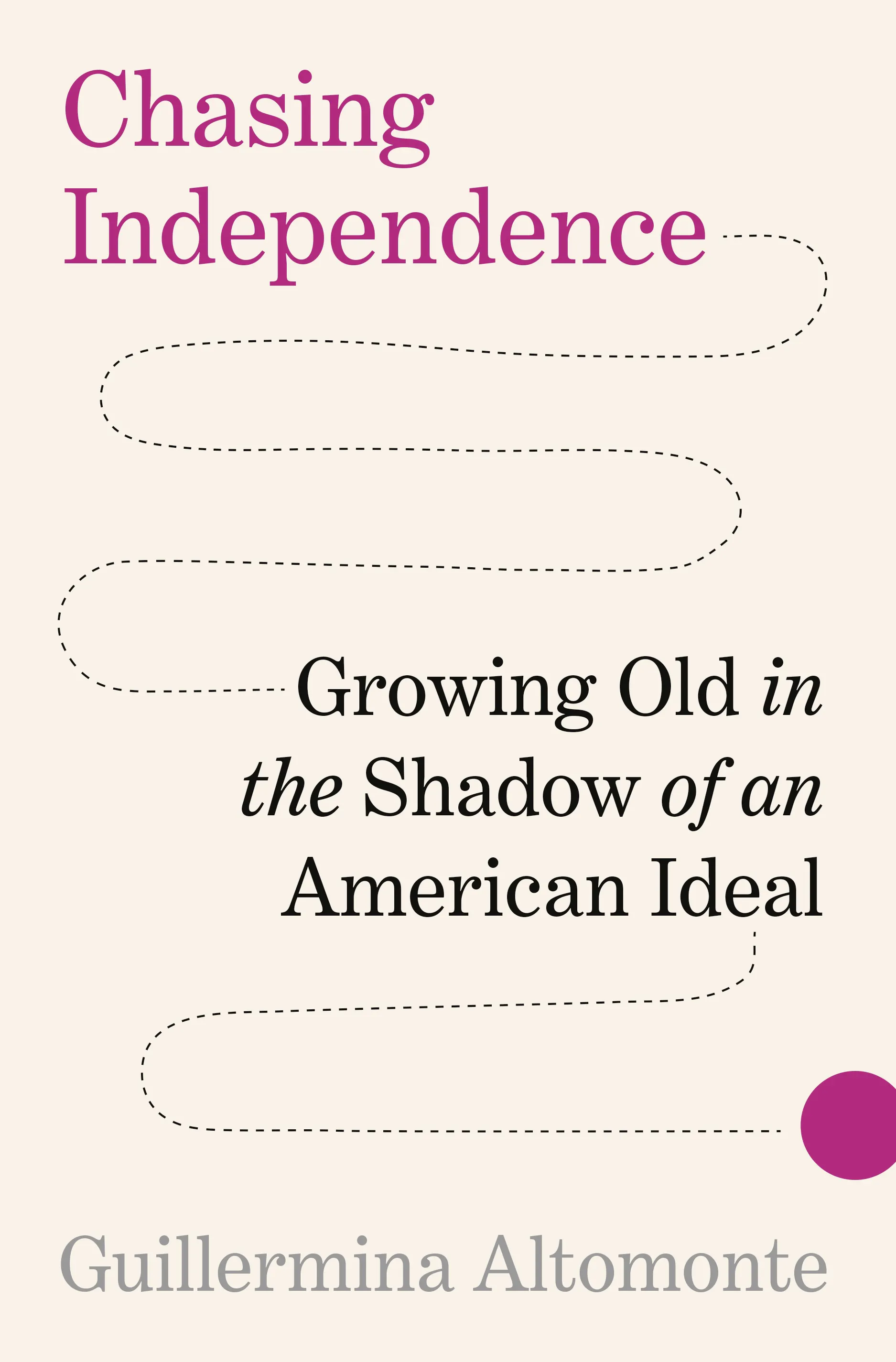
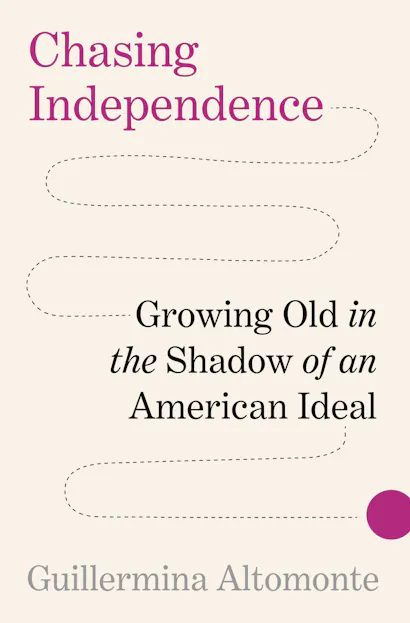
In twenty-first-century America, as people live longer than ever before, it鈥檚 taken for granted that older adults should be active and self-reliant. News stories describe nonagenarians who run marathons, reality shows feature attractive older women competing for the love of a widowed bachelor, and policymakers encourage aging 鈥渋n place鈥� rather than in a nursing home. In Chasing Independence, Guillermina Altomonte turns a critical eye on these expectations and asks what happens when independence becomes the yardstick by which we measure the quality of old age. Drawing on ethnographic observations in a skilled nursing facility in New York City, interviews with older adults and healthcare workers, and historical materials, she shows how independence operates as an unquestioned standard for medical assessments, allocation of services, and even as a way to determine an older person鈥檚 identity and self-worth.
Despite the elevation of independence as the dominant ideal of aging, Altomonte reports, it is always a moving target, redefined and pushed out of reach by individual, economic, and social constraints. She examines the immense effort that older people, their families, and healthcare workers invest as they chase independence鈥攁nd what happens when those efforts fall short. Exploring the conundrums and dramas, the meanings and connections that older people experience in the relentless struggle to maintain independence, Altomonte shows that the American obsession with this cultural value often obscures real needs for support and care.
Guillermina Altomonte is an assistant professor in the Sociology Department at New York University.
“Chasing Independence is insightful and nuanced, deep and theoretically sophisticated, and yet it maintains accessibility and readability throughout. This book is a milestone in the social studies of aging; it could very well be the best ethnographic account to date of aging in the aftermath of deinstitutionalization in the United States.”—Roi Livne, author of Values at the End of Life: The Logic of Palliative Care
“With remarkable clarity and depth, Altomonte shows how the moral ideal of independence shapes healthcare policies, care practices, and identity, obscuring the realities of dependence among older adults aging in place. Chasing Independence is a sophisticated and compelling contribution to the sociology of aging.”—Jason Rodriquez, author of Labors of Love: Nursing Homes and the Structures of Care Work
“Altomonte has written an important and deeply human contribution to the sociology of valuation, showing that older Americans yearn to meet the dominant moral imperative of independence, although aging unavoidably makes us vulnerable, constrained, and less self-reliant. I was enriched by it, and readers will be as well.”—Mich猫le Lamont, author of Seeing Others: How to Redefine Worth in a Divided World
“There’s a lovely subtlety at work in this rich ethnographic account of the elderly and their caregivers in a post–acute care facility for those recovering from surgery or other temporary health problems. A keen observer of contradiction and irony, Altomonte argues that independence is a cultural project, with diffuse symbolic meanings. Chasing Independence decries just how few supports are provided to help people’s quest for independence, while also lamenting the cultural inability to acknowledge and accept dependence as part of an honorable path through life. But most of all, readers will remember the older people themselves—feisty, humorous, despairing, they are caught in the grip of a moral project with profound consequences for their status as people.”—Allison Pugh, author of The Last Human Job: Seeing Each Other in an Age of Automation