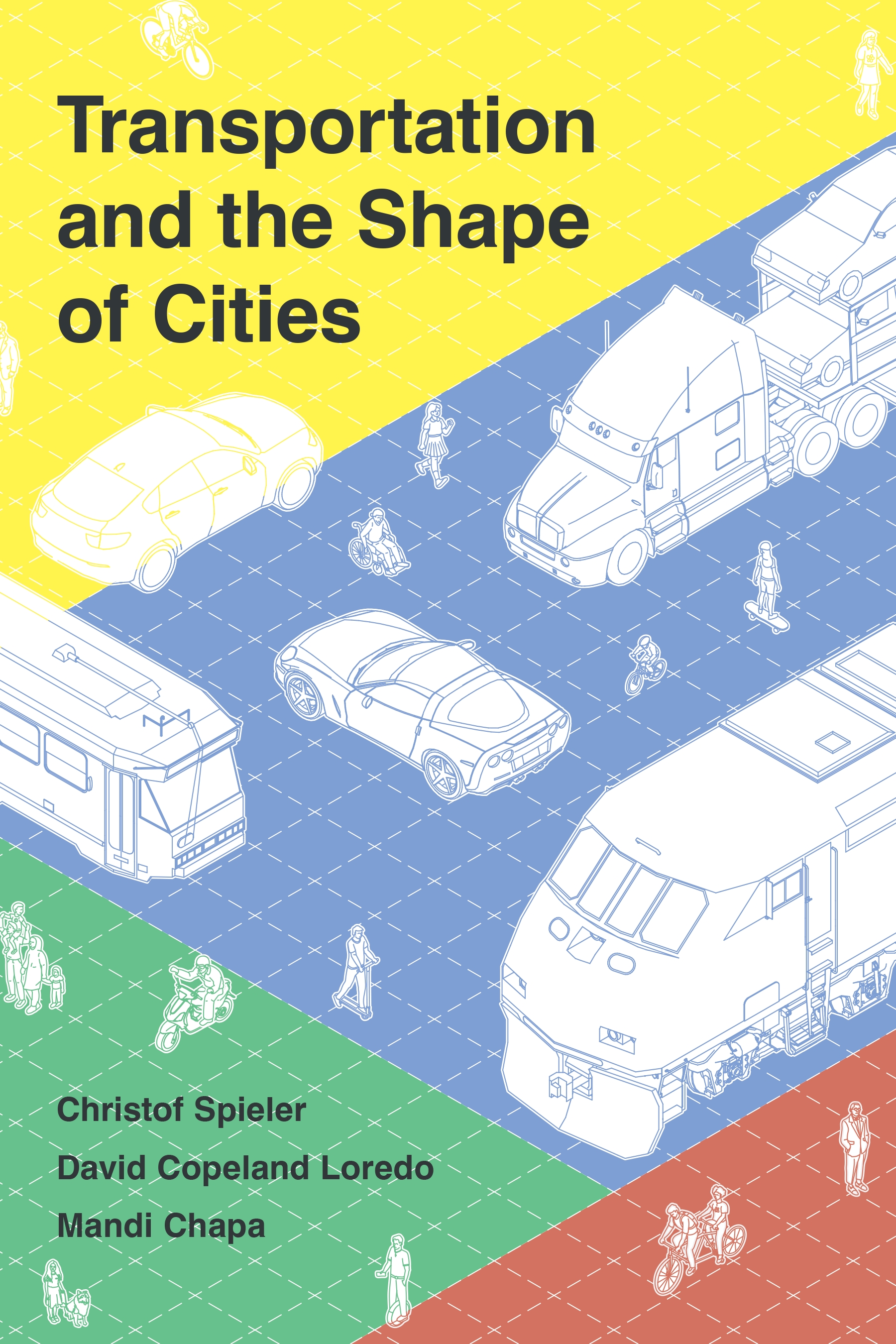
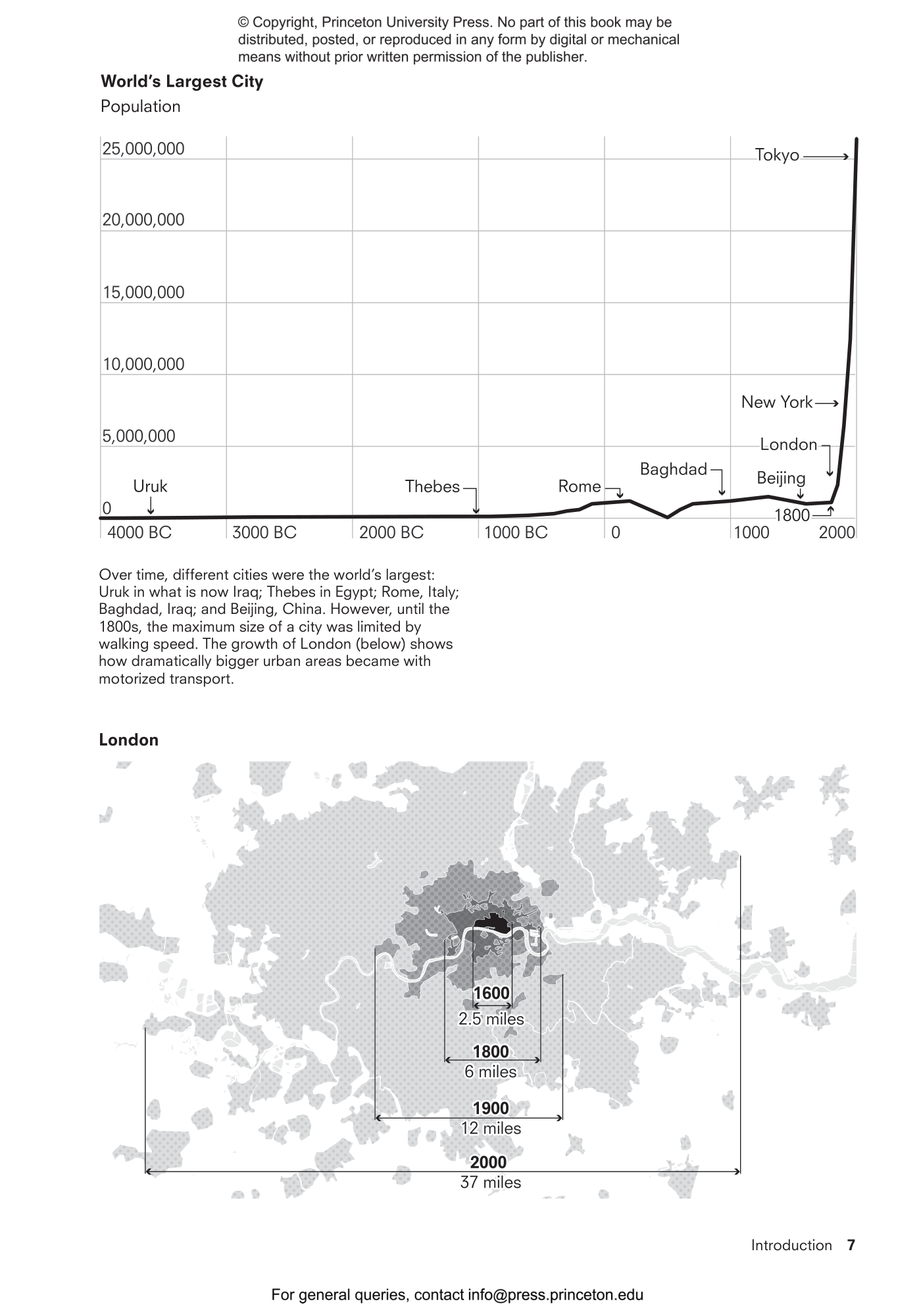
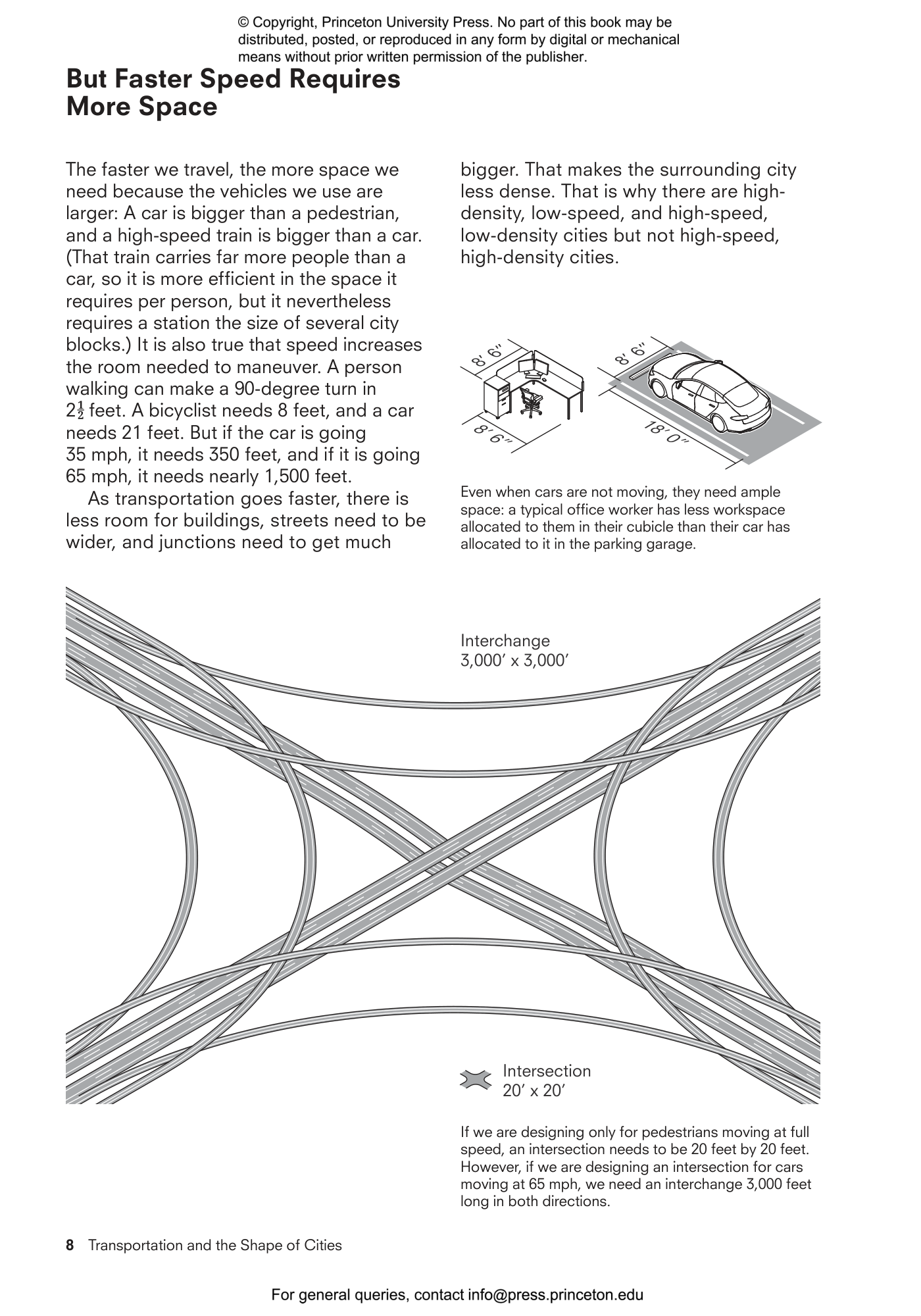
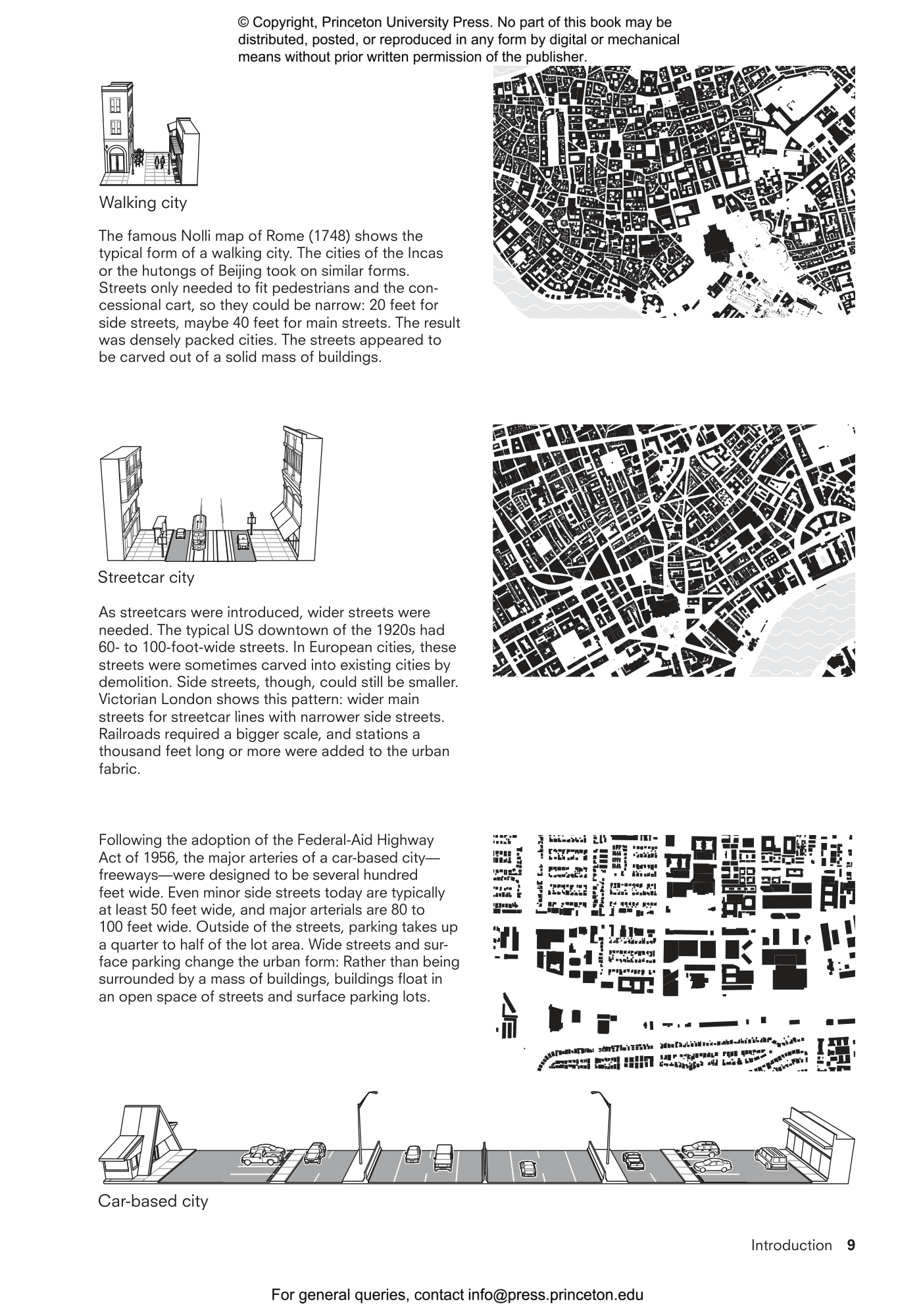
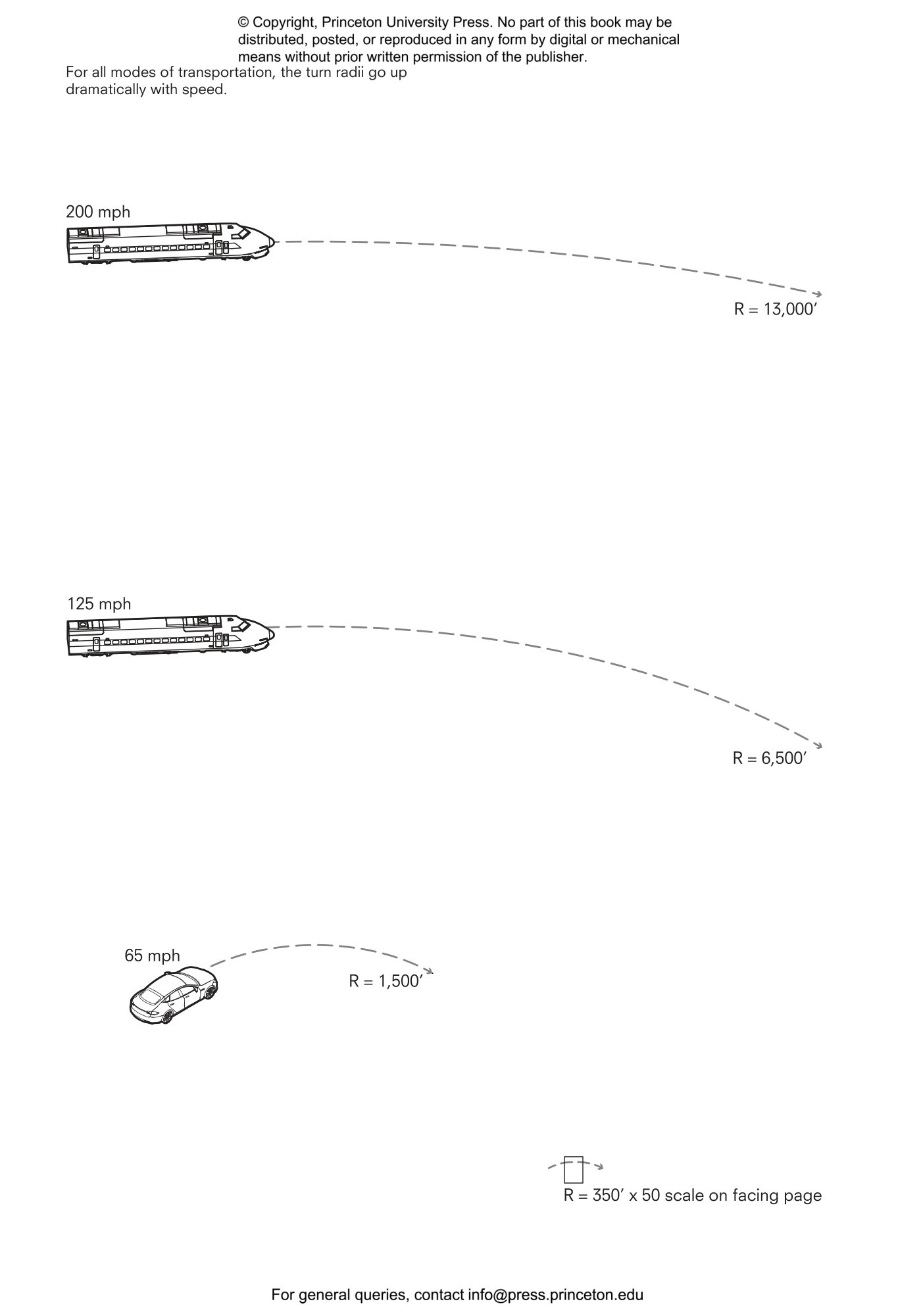
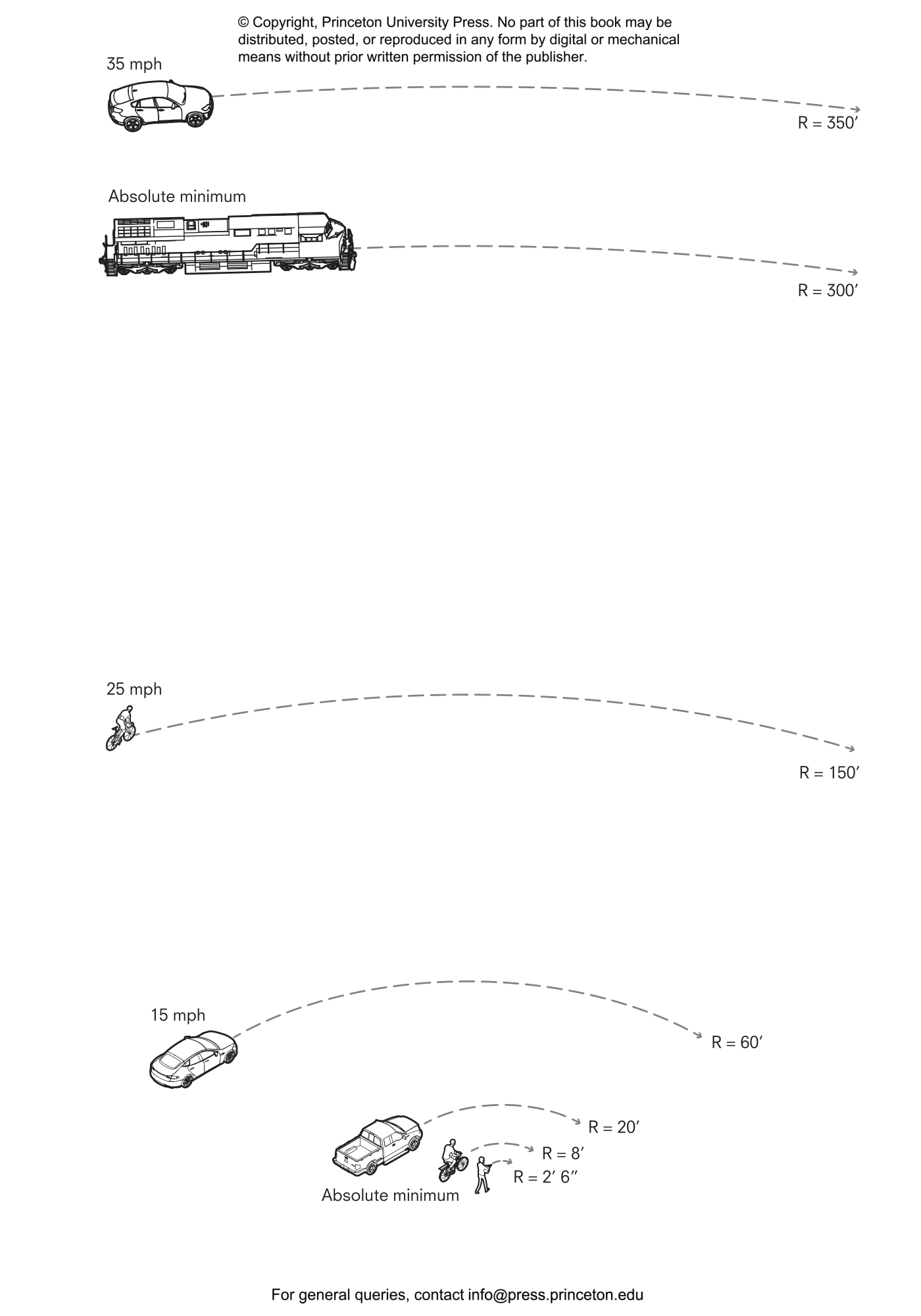
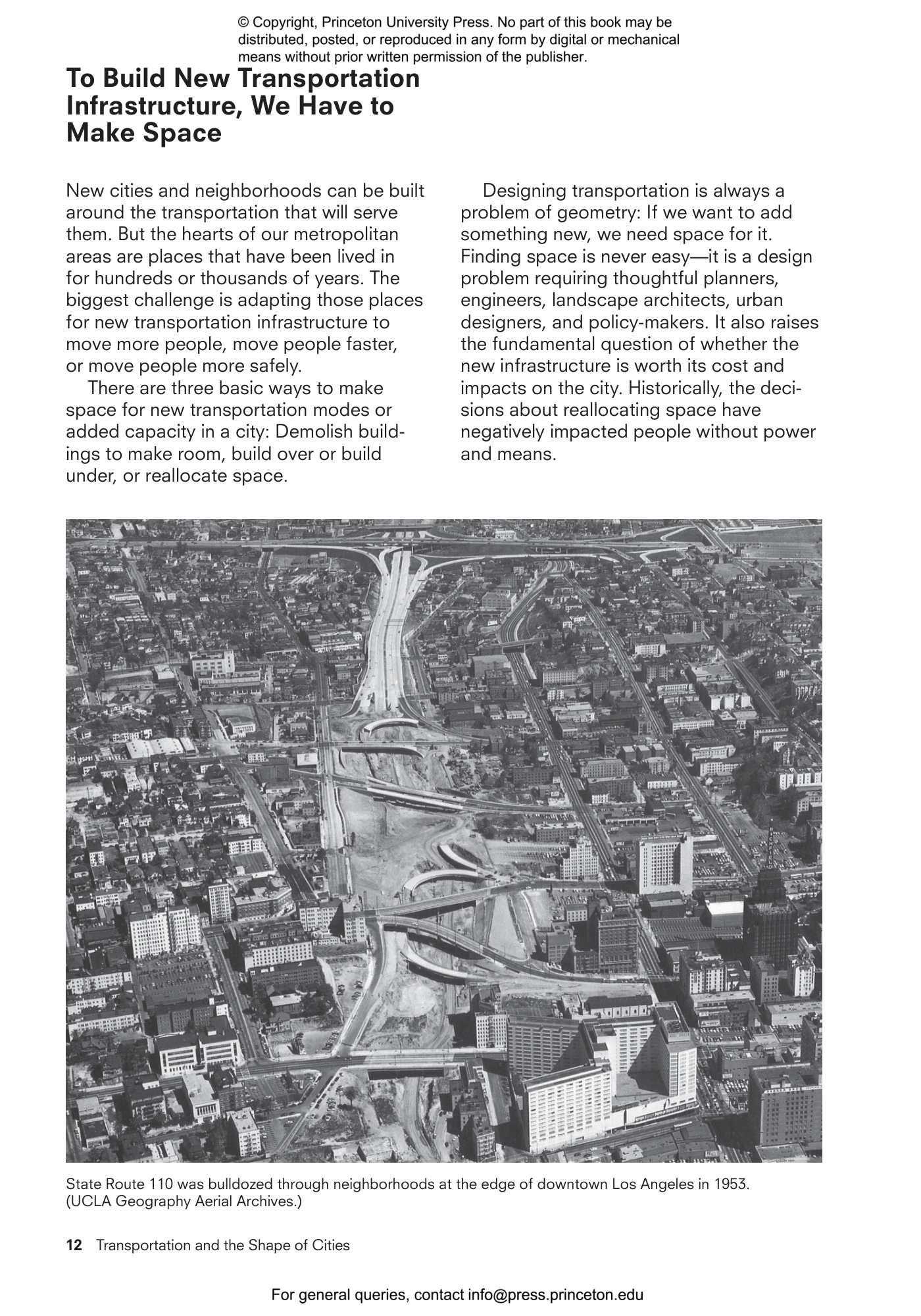
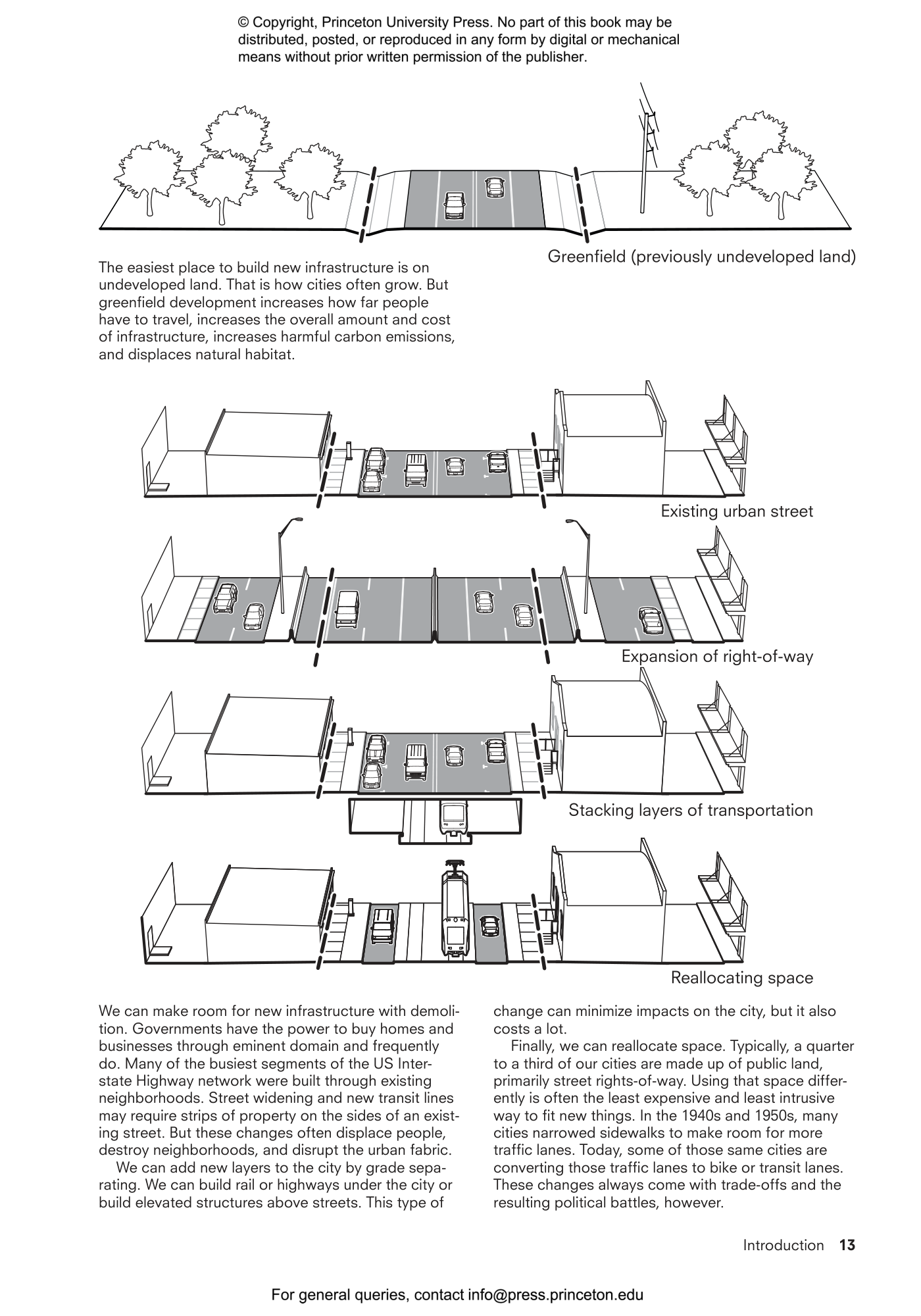
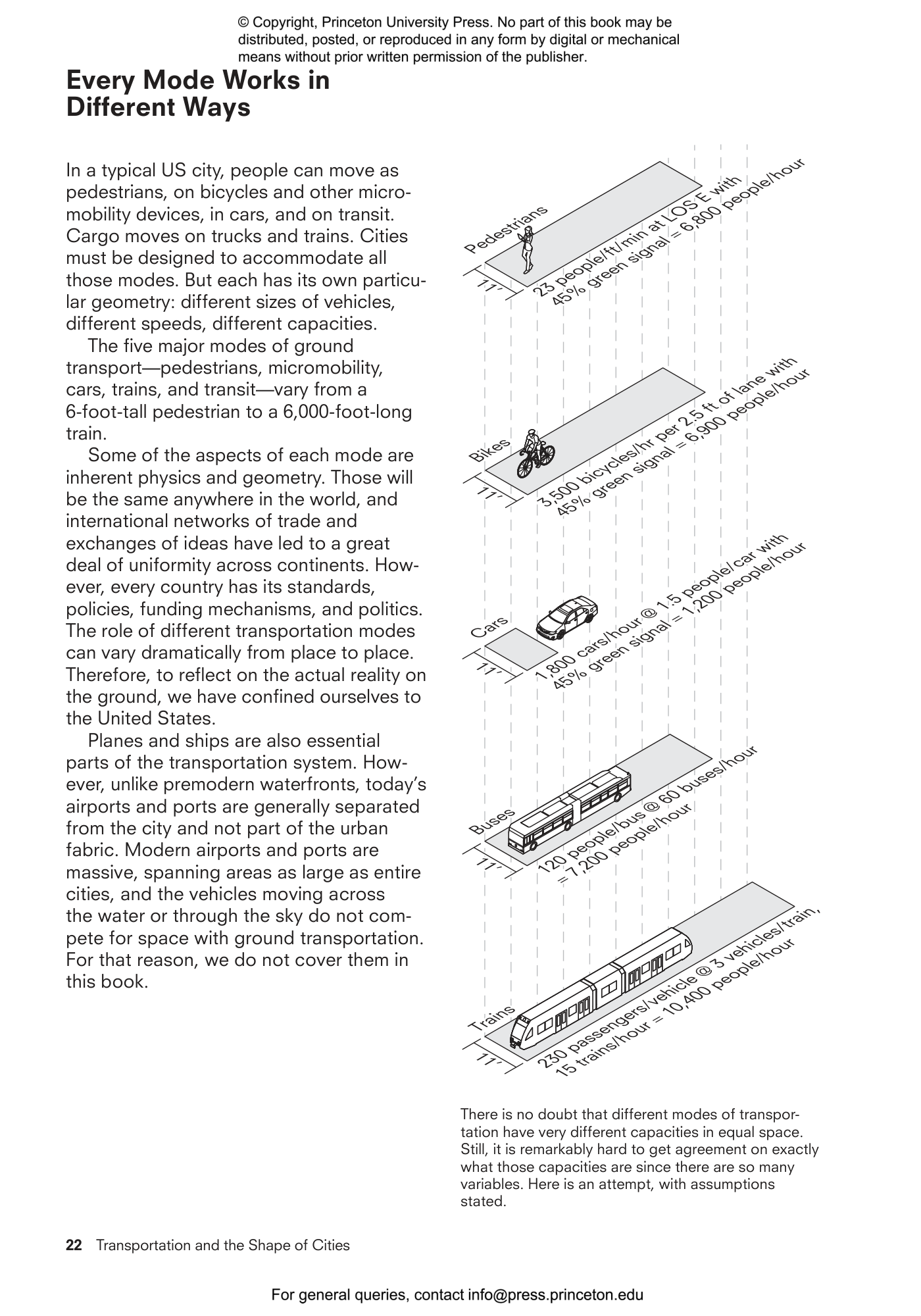
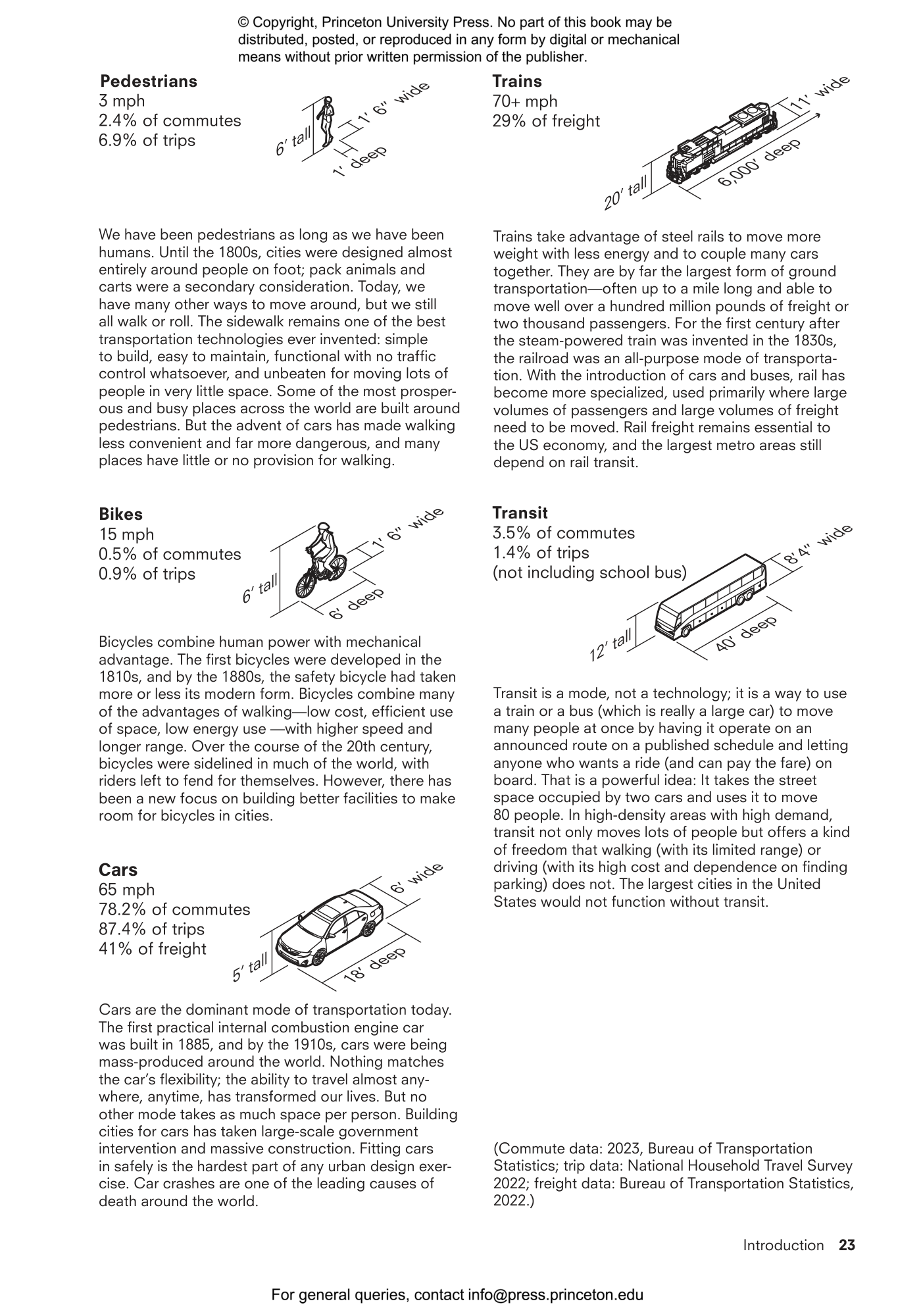
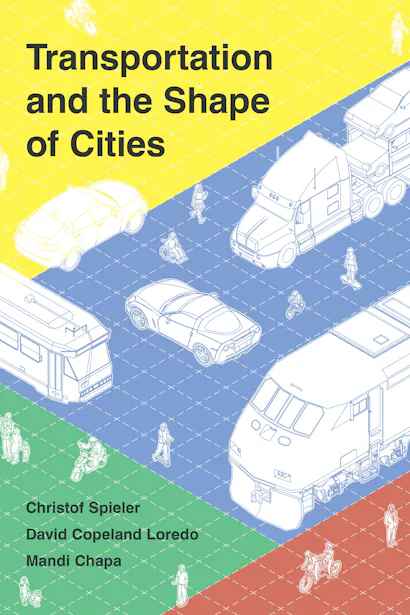
Transportation in cities has one undeniable limitation: space. Each mode of urban transportation has inherent geometric properties that no amount of policy or design can change.
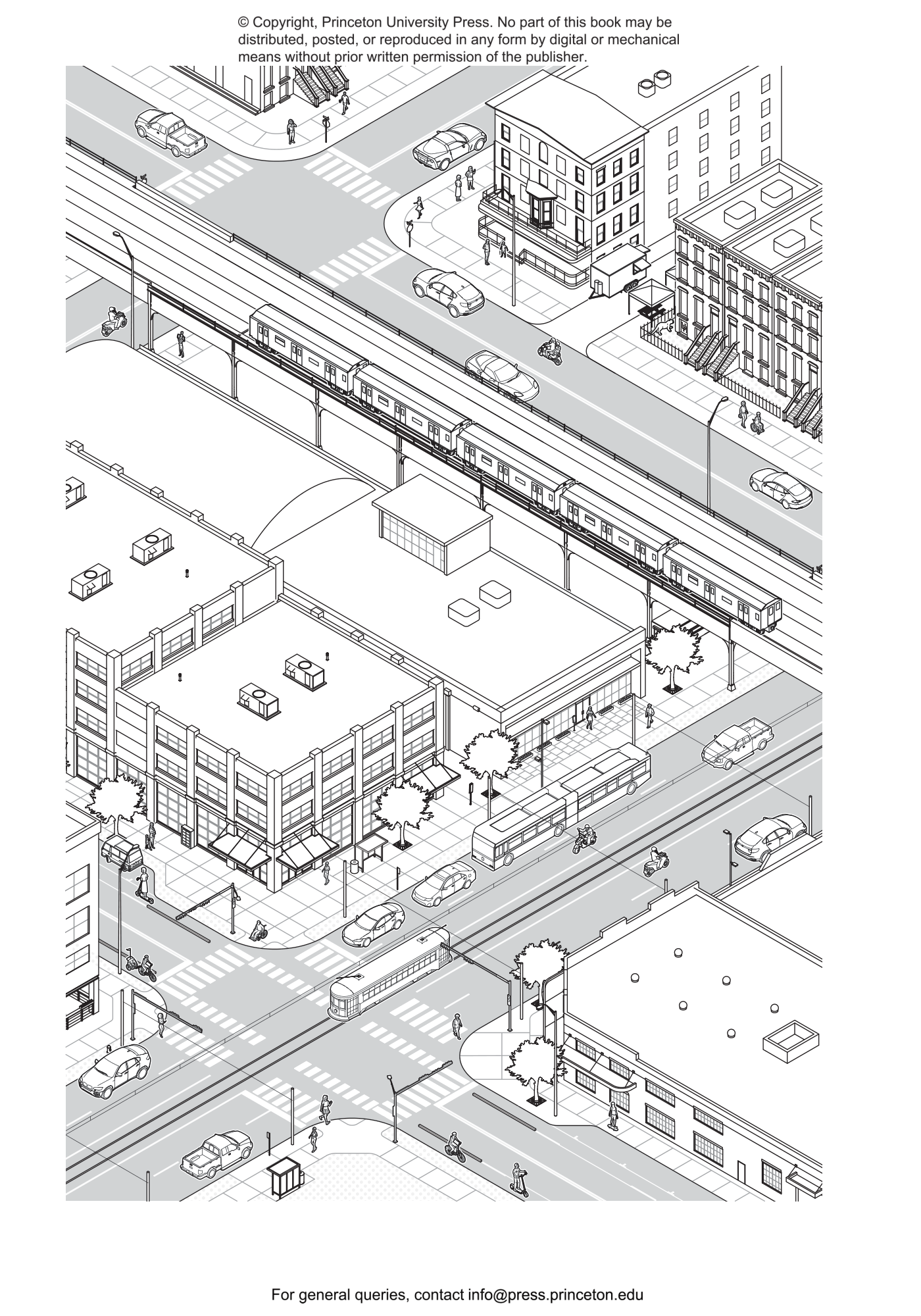
In Transportation and the Shape of Cities, transportation experts Christof Spieler, David Copeland Loredo, and Mandi Chapa take a comprehensive look at the five major modes of US transportation鈥攑edestrian, micromobility (including the bicycle), car, train, and transit. For each, they consider the theory and discuss its geometry, how it works as a network, its role in the transportation system, and how it fits into urban design.
Transportation matters because it shapes all of our lives. We can make transportation networks better through thoughtful design, informed policy, and inclusive conversations. Transportation and the Shape of Cities is designed to help professionals to do that in whatever role they are in.
Christof Spieler, PE, AICP, LEED AP, is Director of Transportation for Madison, Wisconsin. He was previously a planner in Houston, working with cities and agencies across the United States. He also taught at Rice University and served on the board of Houston METRO. He is the author of two editions of Trains, Buses, People, published in 2018 and 2021 by Island Press. David Copeland Loredo, AICP, is a planner from Houston. His focus is on enhancing the quality of life through design. His work emphasizes legibility, accessibility, and enjoyability in projects ranging from logos to city planning. David excels in graphic storytelling, cartography, and digital visualizations, aiming to communicate complex ideas and champion community identity. Mandi Chapa is a practicing planner with a background in architecture. She has contributed to projects in the Houston region and across the United States, focusing on design, equity, inclusion, and creating connected places shaped by the community. Mandi is a Principal at Lionheart Places and senior lecturer at Rice University, where she teaches urban transportation in the School of Architecture.
"Handy. . . . and concise."鈥擳om Vanderbilt, Vertical Urbanism Magazine
"Transportation and the Shape of Cities . . . has changed how I view the challenge of moving city dwellers around. . . . [The book] is predominantly written for planners, engineers, architects, and other professionals in urban design and city management. But it is packed with information that would appeal to an average city dweller who’s curious about their surroundings."鈥擫aurie Winkless, Forbes
鈥淭ransportation affects how we live, work, and play, but not many books explain how the whole system actually fits together. This is a practical, easy-to-read resource for professionals, students, and anyone who wants to understand how transportation shapes our communities. Honestly, it鈥檚 the kind of book our industry needs.鈥�鈥擵eronica O. Davis, PE, civil engineer and author of Inclusive Transportation
鈥淚f you have anything to do with designing transportation or cities, this book should be on your desk. When I was a young engineer, I was taught that bigger means better. It doesn鈥檛. We鈥檇 all be better off if designers understood the geometry of each transportation mode and how those limits shape our cities.鈥�鈥擶es Marshall, PhD, PE, professor at the University of Colorado Denver, cohost of the Look Both Ways with David & Wes podcast, and author of Killed by a Traffic Engineer
鈥淒istilling the essentials from other noted urbanists, Spieler, Copeland Loredo, and Chapa offer a primer on the role for each mode of transportation and how they work together to make鈥攐r damage鈥攇reat cities. Their main point is critical: functional urban transport is not about ideology but geometry. They help us explore a timeless question: How should we design cities鈥� limited street rights-of-way to best move people and goods and achieve our economic, social, and environmental goals?鈥�鈥擩effrey Tumlin, former executive director of the San Francisco Municipal Transportation Agency
鈥淓very page of this book is a lesson, conveying important concepts in a clear and visually engaging way. It should be on the desk of any elected official, city leader, professional, student, or community member who wants to make their transportation system work better for people.鈥�鈥擩ennifer Dill, Portland State University