The human tolls of cultural messaging to push oneself beyond the limits to achieve excellence have become all too familiar: anxiety, distractibility, burnout, imposter syndrome, depression, and more.
For students, parents, educators, and learners of all ages heading to the start of a new school year, we humbly offer a salve: a curated selection of timeless wisdom to help you return to your pursuits with renewed focus and balance. These 鈥済uidebooks鈥� draw on insights from poetry, philosophy, and pedagogy, collected across continents and millennia, to help us reframe perhaps our most universal鈥攁nd most unexamined鈥攁spirations: success and happiness. This Back-to-School season, we hope you enjoy these contemplative, incisive, and, at times, humorous meditations on what our priorities ought to be, how we may faithfully maintain them, and why doing so just might reveal the true meaning of life.
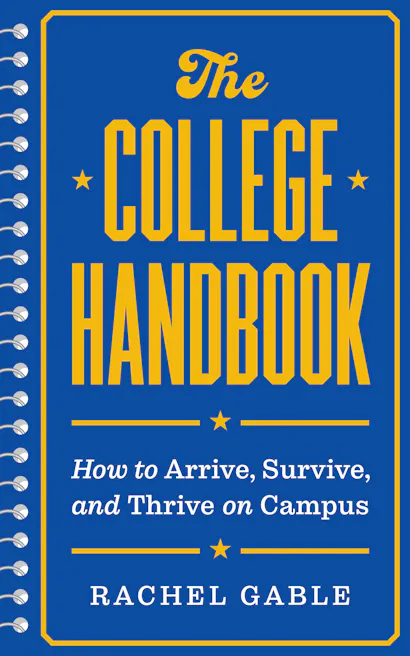
The College Handbook: How to Arrive, Survive, and Thrive on Campus, by Rachel Gale is an invaluable guide for every step of the college experience, from deciding if and where to go to maximizing academic, social, personal, and professional opportunities.

We live in a world oriented toward greatness, one in which we feel compelled to be among the wealthiest, most powerful, and most famous. This book explains why no one truly benefits from this competitive social order, and reveals how another way of life is possible鈥攁 good-enough life for all.
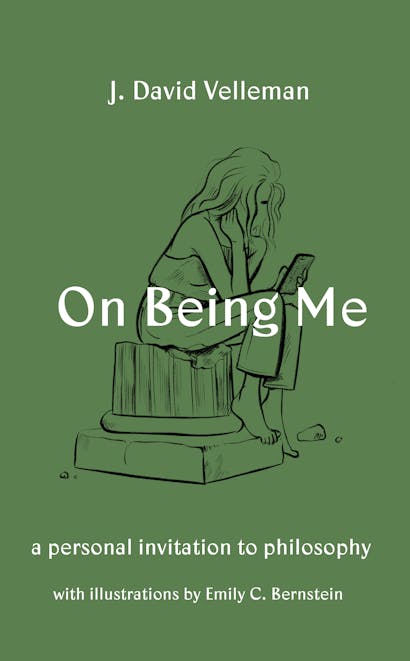
We鈥檝e all had to puzzle over such profound matters as birth, death, regret, free will, agency, and love. How might philosophy help us think through these vital concerns? In On Being Me, renowned moral philosopher J. David Velleman presents a concise, accessible, and intimate exploration into subjects that we care deeply about, offering compelling insights into what it means to be human.
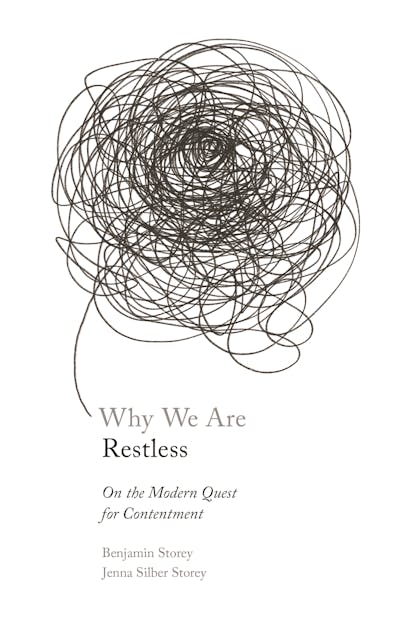
We live in an age of unprecedented prosperity, yet everywhere we see signs that our pursuit of happiness has proven fruitless. Dissatisfied, we seek change for the sake of change鈥攅ven if it means undermining the foundations of our common life. In Why We Are Restless, Benjamin and Jenna Storey offer a profound and beautiful reflection on the roots of this malaise and examine how we might begin to cure ourselves.

In an overloaded, superficial, technological world, in which almost everything and everybody is judged by its usefulness, where can we turn for escape, lasting pleasure, contemplation, or connection to others? While many forms of leisure meet these needs, Zena Hitz writes, few experiences are so fulfilling as the inner life, whether that of a bookworm, an amateur astronomer, a birdwatcher, or someone who takes a deep interest in one of countless other subjects. Drawing on inspiring examples, from Socrates and Augustine to Malcolm X and Elena Ferrante, and from films to Hitz鈥檚 own experiences as someone who walked away from elite university life in search of greater fulfillment, Lost in Thought is a passionate and timely reminder that a rich life is a life rich in thought.
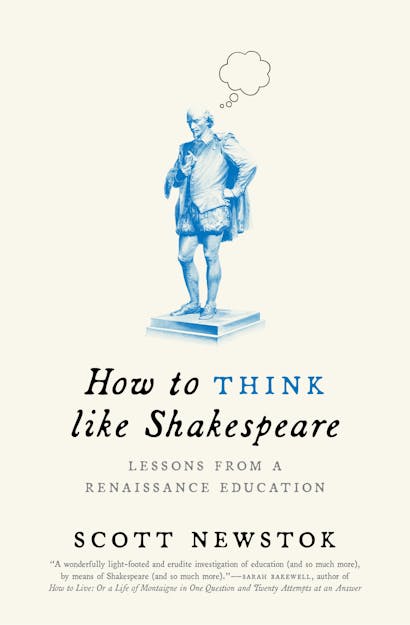
How to Think like Shakespeare is a brilliantly fun exploration of the craft of thought鈥攐ne that demonstrates what we鈥檝e lost in education today, and how we might begin to recover it. In fourteen brief chapters that draw from Shakespeare鈥檚 world and works, and from other writers past and present, Scott Newstok distills enduring practices that can make learning more creative and pleasurable.
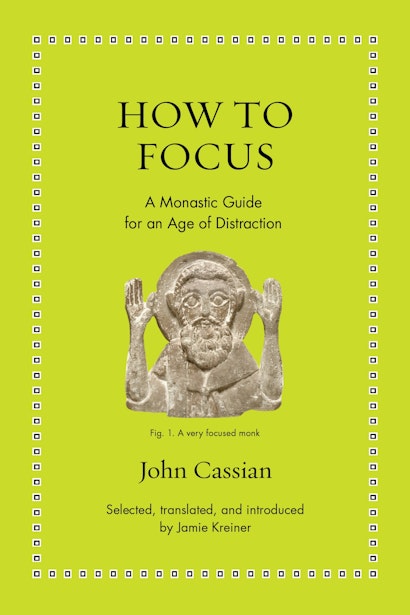
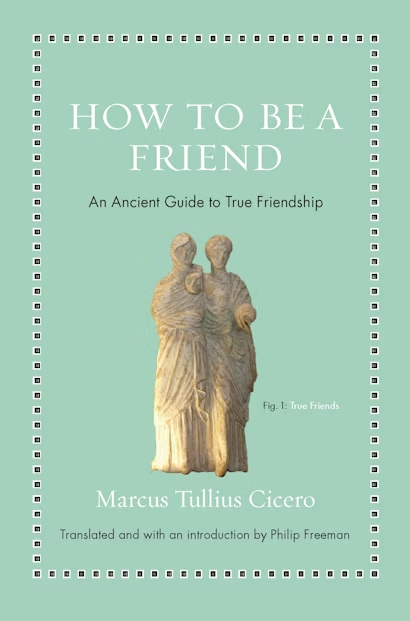
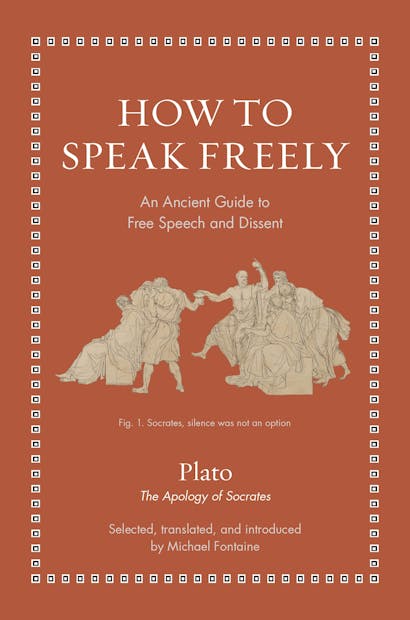
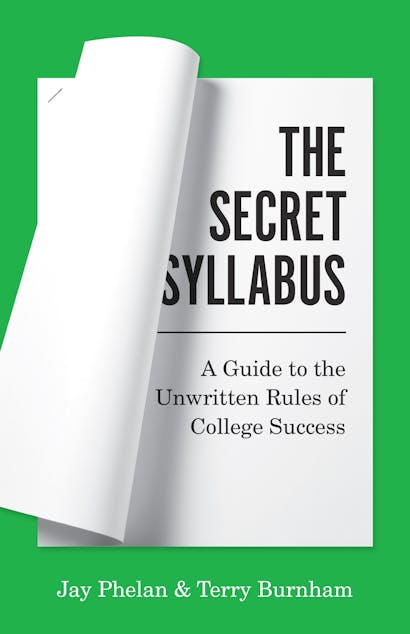
The Secret Syllabus equips students with the tools they need to succeed, revealing the unwritten rules and cultural norms and expectations not included in the official curriculum. Left to figure out on their own how the academic world works, students frequently stumble, underperform, and miss opportunities. Without mastery of the secret syllabus, too many miss out on the full, rich experience available to them in college.