
These books are by and about women who have pushed boundaries, effected change, redefined roles, or who have complicated our understanding of what it means to be powerful.
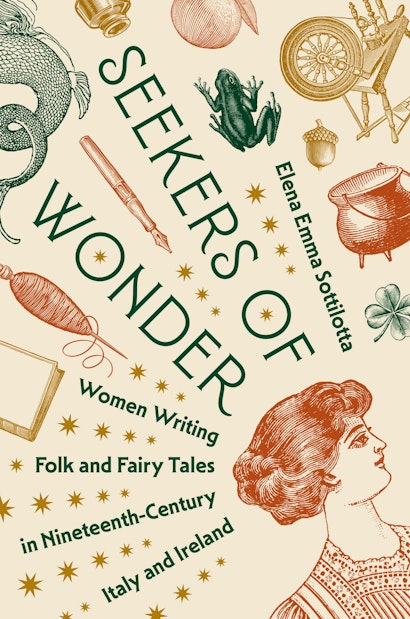
With Seekers of Wonder, Elena Sottilotta offers the first comparative study of women鈥檚 manifold roles in the collection of Italian and Irish folklore and fairy tales between 1870 and 1920. Sottilotta views the often-overlooked work of these women from an interdisciplinary perspective, considering both the politics and poetics of seeking wonder. In so doing, she centers women鈥檚 influence on the preservation and dissemination of oral traditions, bringing work that was once relegated to the margins into dialogue with work long regarded as canonical.
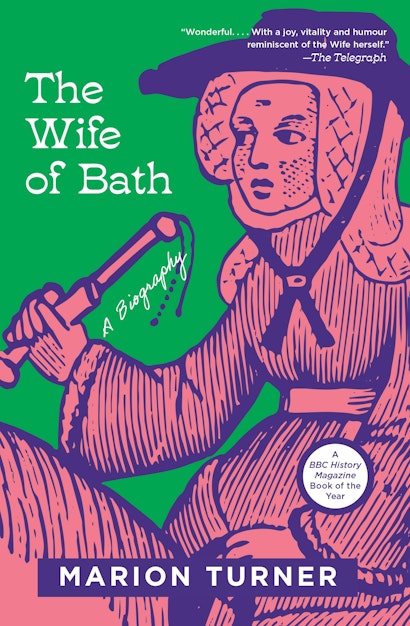
Ever since her triumphant debut in Chaucer鈥檚 Canterbury Tales, the Wife of Bath, arguably the first ordinary and recognisably real woman in English literature, has obsessed readers鈥攆rom Shakespeare to James Joyce, Voltaire to Pasolini, Dryden to Zadie Smith. Few literary characters have led such colourful lives or matched her influence or capacity for reinvention in poetry, drama, fiction, and film. In The Wife of Bath, Marion Turner tells the fascinating story of where Chaucer鈥檚 favourite character came from, how she related to real medieval women, and where her many travels have taken her since the fourteenth century, from Falstaff and Molly Bloom to #MeToo and Black Lives Matter.
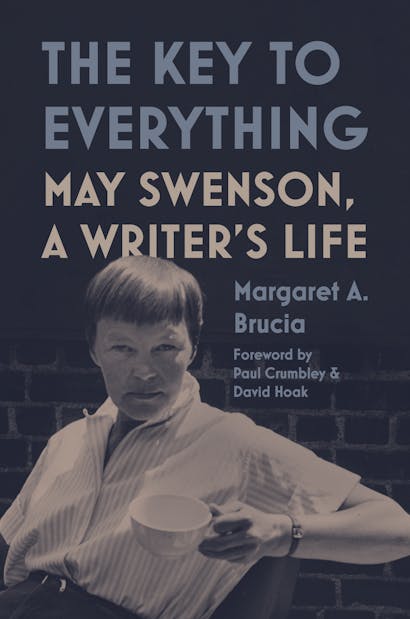
May Swenson (1913鈥�1989) was one of the most important and original poets of the twentieth century. The Key to Everything is a biography of this experimental American modernist that draws directly from her unpublished diaries and her letters to friends, family, and colleagues, most notably Elizabeth Bishop. In 1952, Swenson wrote in her diary, 鈥淚 want to confirm my life in a narrative鈥攎y Lesbianism, the hereditary background of my parents, grandparents, origins in the 鈥榦ld country.鈥欌�� Taking up Swenson鈥檚 uncompleted autobiographical plan, Margaret Brucia tells Swenson鈥檚 story as much as possible through her own words.
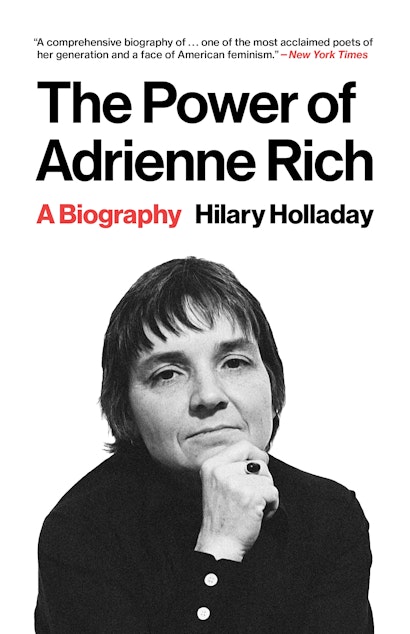
A major American writer, thinker, and activist, Adrienne Rich (1929鈥�2012) transformed herself from a traditional, Radcliffe-educated lyric poet and married mother of three sons into a path-breaking lesbian-feminist author of forceful, uncompromising prose as well as poetry. In doing so, she emerged as an architect and exemplar of the feminist movement, breaking ranks to denounce the male-dominated literary establishment and paving the way for women writers to take their places in the cultural mainstream.
Ono-isms is a collection of provocative and powerful quotations from influential artist, musician, songwriter, and peace activist Yoko Ono, providing a richer understanding of this important cultural icon. Since emerging on the international art scene in the early 1960s, Ono has made profound contributions to visual and performance art, filmmaking, and music in work that often radically questions the division between art and the everyday. In recent years she has embraced social media to communicate her artistic and activist messages to even broader audiences around the world.
Since the 1980s, Marilyn Minter has been a pioneer of sex-positive feminism in the contemporary art world, pushing the boundaries of what kind of imagery is acceptable in fine art, especially when produced by women. In her photorealistic paintings, including of celebrities such as Madonna, Lady Gaga, and Lizzo, Minter draws on the aesthetics of fashion magazines, depicting cropped women鈥檚 faces and bodies laden with jewels and couture accessories. In some of her work, she has explored how the meaning of pornographic imagery changes when it鈥檚 appropriated and transformed by a woman artist. Gathered from interviews, articles, and other sources, Minter-isms is a compelling collection of quotations that presents Minter鈥檚 revealing thoughts on art, women, power, sexuality, pornography, politics, and more. Filled with wisdom and humor, the book offers new insights about the life, work, and mind of this groundbreaking artist.
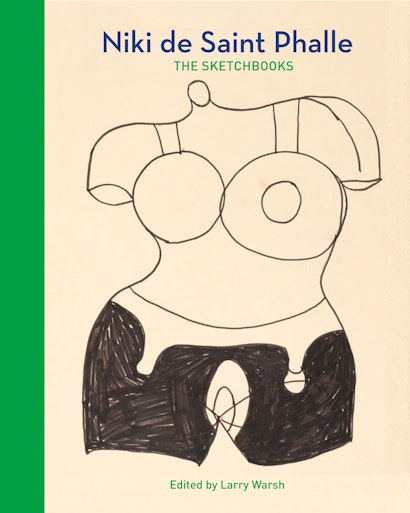
The French-American artist Niki de Saint Phalle is best known for her Nanas鈥攋oyful and brightly colored monumental sculptures of goddess-like female figures. But her work, which was grounded in her visionary beliefs about social experiments and personal freedom, ranged much more widely鈥攆rom painting, film, architecture, and books to theater sets, clothing, and jewelry. Niki de Saint Phalle: The Sketchbooks presents a beautiful collection of previously unpublished drawings, notes, and other preparatory work from Saint Phalle鈥檚 private sketchbooks. Culled from a vast archive of never-before-seen materials, these drawings shed new light on Saint Phalle鈥檚 fascinating artistic evolution, style, and interior life.
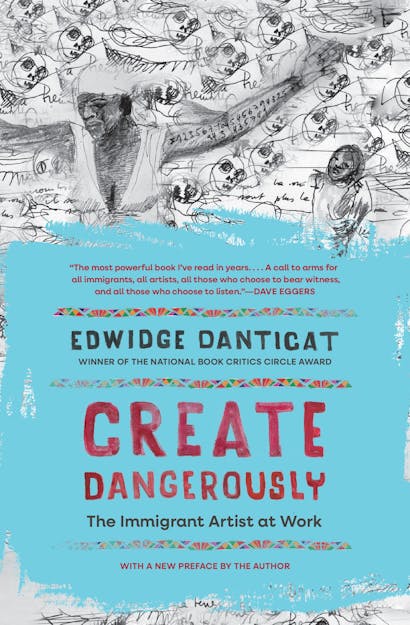
In this deeply personal book, the celebrated Haitian-American writer Edwidge Danticat reflects on art and exile, examining what it means to be an immigrant artist from a country in crisis. Inspired by Albert Camus鈥� lecture, 鈥淐reate Dangerously,鈥� and combining memoir and essay, Danticat tells the stories of artists, including herself, who create despite鈥攐r because of鈥攖he horrors that drove them from their homelands.
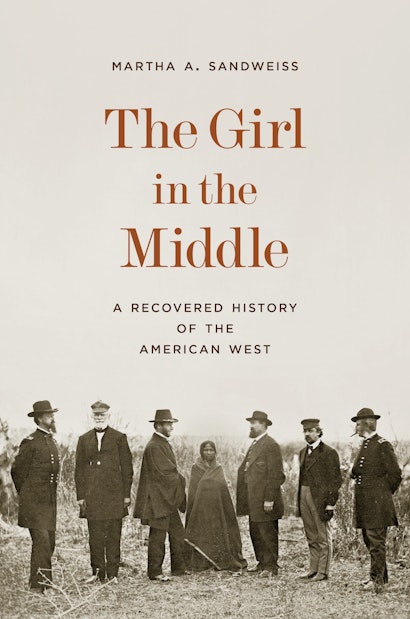
In 1868, celebrated Civil War photographer Alexander Gardner traveled to Fort Laramie to document the federal government鈥檚 treaty negotiations with the Lakota and other tribes of the northern plains. Gardner, known for his iconic portrait of Abraham Lincoln and his visceral pictures of the Confederate dead at Antietam, posed six federal peace commissioners with a young Native girl wrapped in a blanket. The hand-labeled prints carefully name each of the men, but the girl is never identified. As The Girl in the Middle goes in search of her, it draws readers into the entangled lives of the photographer and his subjects.
In 1907, eight years before she published her first novel, a twenty-five-year-old Virginia Woolf drafted three interconnected comic stories chronicling the adventures of a giantess named Violet鈥攁 teasing tribute to Woolf鈥檚 friend Mary Violet Dickinson. But it was only in 2022 that Woolf scholar Urmila Seshagiri discovered a final, revised typescript of the stories. The typescript revealed that Woolf had finished this mock-biography, making it her first fully realized literary experiment and a work that anticipates her later masterpieces. Published here for the first time in its final form, The Life of Violet blends fantasy, fairy tale, and satire as it transports readers into a magical world where the heroine triumphs over sea-monsters as well as stifling social traditions.
Choice touches virtually every aspect of our lives, from what to buy and where to live to whom to love, what profession to practice, and even what to believe. But the option to choose in such matters was not something we always possessed or even aspired to. At the same time, we have been warned by everybody from marketing gurus to psychologists about the negative consequences stemming from our current obsession with choice. It turns out that not only are we not very good at realizing our personal desires, we are also overwhelmed with too many possibilities and anxious about what best to select. The Age of Choice tells the long history of the invention of choice as the defining feature of modern freedom.
Beginning in the 1970s, women of the decolonizing world offered new visions of liberation that centered the ideas and lives of women. Galvanized by International Women鈥檚 Year in 1975 and the UN鈥檚 Decade of Women, Third World women developed novel ideas of equality and self-determination, building a new internationalism in opposition to neocolonialism and postcolonial authoritarianism. In The Future That Was, feminist historian Durba Mitra offers a pathbreaking account of how these women wrote Third World feminism into being, catalyzing a momentous expansion of knowledge about women, gender, and sexuality that transformed emancipatory politics across the globe.
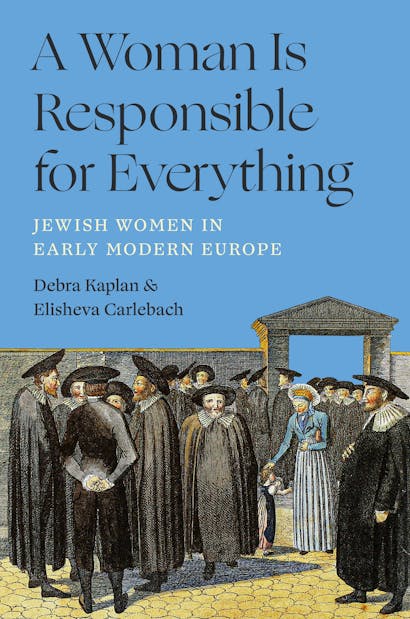
In small villages, bustling cities, and crowded ghettos across early modern Europe, Jewish women were increasingly active participants in the daily life of their communities, managing homes and professions, leading institutions and sororities, and crafting objects and texts of exquisite beauty. A Woman Is Responsible for Everything marshals a dazzling array of previously untapped archival sources to tell the stories of these woman for the first time.

Mothers and fathers use their time differently, with women spending roughly twice as many hours on family labor as men. But what about the gendered differences in the ways women and men think? What鈥檚 on Her Mind provides an illuminating look at the cognitive labor that families depend on and reveals why this essential aspect of family life is disproportionately handled by women鈥攅ven in couples that aspire to practice equality.

Ella Briggs (1880鈥�1977) was a talented architect, designer, and writer whose influence was felt on both sides of the Atlantic. She trained with the Viennese Secessionists and brought their radical ideas to Gilded Age New York. She designed modernist housing for the masses in Austria, was jailed as a suspected spy in Mussolini鈥檚 Italy, and thrived in Weimar Germany before suffering persecution under the Nazis. Fleeing to London, she contributed to England鈥檚 postwar reconstruction. Yet despite a long and prolific career, her name is largely forgotten today. Finding Ella Briggs restores Briggs to her rightful place in the history of modernist design.
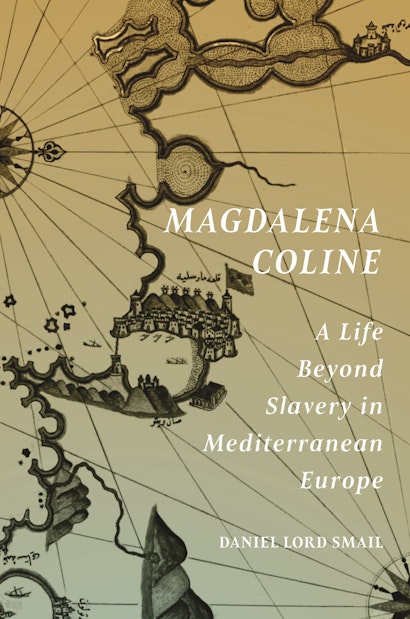
In 1387, a young Muslim woman from North Africa was captured on a galley in the Bay of Naples and brought to Marseille as a slave. For more than ten years, she was held in bondage to a shipwright and privateer named Peire Huguet. Daniel Lord Smail tells the extraordinary story of Magdalena Coline, a woman who dared to file suit against the man who called himself her master, and whose passage from servitude to freedom raises tantalizing questions about how the people of her time made sense of slavery as a social category.
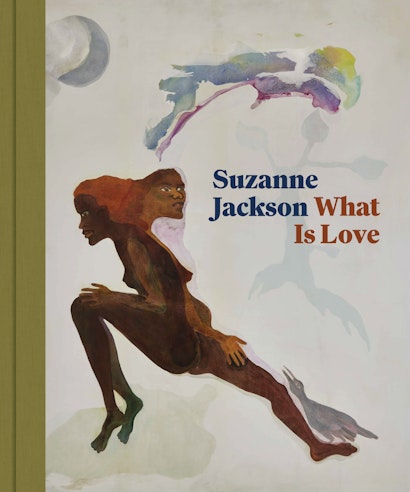
First and foremost a painter, Suzanne Jackson has worked for six decades in a dizzying array of genres, including drawing, printmaking, poetry, dance, and theater design. Suzanne Jackson: What Is Love reveals Jackson鈥檚 achievements as a leading and influential artist who has been in dialogue with her contemporaries, from Betye Saar and Emory Douglas to Senga Nengudi and Mary Lovelace O鈥橬eal.
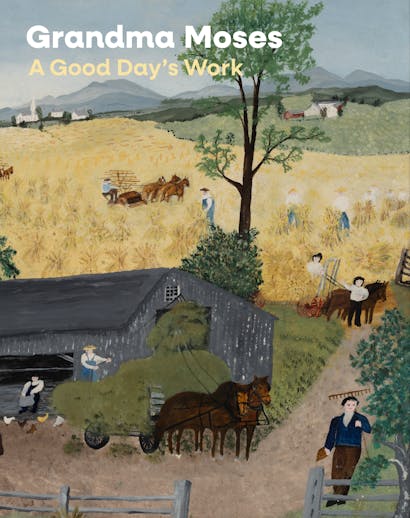
Grandma Moses: A Good Day鈥檚 Work repositions Anna Mary Robertson 鈥淕randma鈥� Moses (1860鈥�1961) as a multidimensional force in American art, whose beloved recollections of rural life earned her a distinctive place in the cultural imagination of the postwar era. Moses was eighty years old when Otto Kallir, a New York art dealer and recent 茅migr茅 from Nazi-held Austria, introduced her to the world. 鈥淕randma Moses,鈥� as the press dubbed her, quickly became a polarizing figure, beloved by the public yet dismissed by the art world for her story-time scenes and lack of formal training.