
Just as various winds blow, one by one, through the sky 鈥�
eastern, western, northern, and southern, dusty and dustless, cold and hot,
breezes and gales 鈥�
so too do feelings come about in this very body,
arising as pleasant, painful, and neutral.
Roughly twenty-five centuries ago in northern India, the Buddha learned to watch his feelings in order to forge new kinds of relationships with them. Usually we experience the world with and through our emotions, only rarely turning them into objects of scrutiny. Instead, the Buddha advised mindful attention toward our feelings where we learn to step back and notice them as feelings. Then, at some remove from their turbulence, we can watch them come and go, much like winds coursing through the open sky.
When we see feelings and emotions in this way, we can spot their ephemerality. Feelings won鈥檛 last long, and the sky through which they waft or gust will soon be clear and still again. We can also notice their valence, noting if they are pleasant, painful, or neither. Learning to attend to the tones of our experience as objects invites additional scrutiny of both the immediate causes and long term conditions of our affective states. These insights invite a sense of agency, as we may then choose to lean into certain patterns of experience or gently let go of more afflictive tendencies.
Of course, we may not be able to forestall all painful feeling. Sometimes we will find ourselves like a man struck with an arrow; we can鈥檛 always dodge the darts of pain and loss that invariably afflict us in a changing and imperfect world. But too often, the Buddha suggests, we inflict a second arrow on ourselves by how we react to the first. We tend to take the initial arrow personally. The mental suffering, reactivity, and anguish we bring to our pain is a second arrow鈥攐ne we can learn not to shoot.
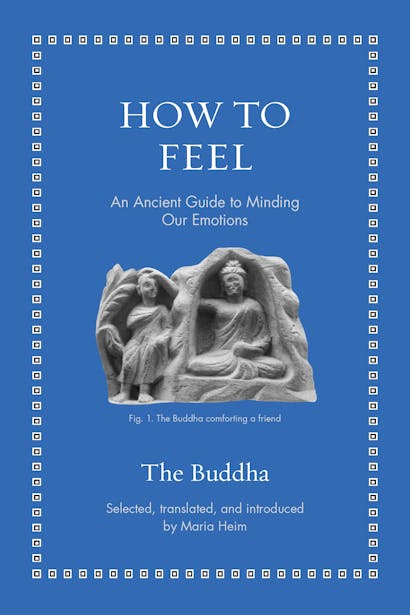
Such are some of the considerations in the ancient Buddhist scriptures I鈥檝e translated in How to Feel: An Ancient Guide to Minding Our Emotions. These ideas about feelings can offer therapeutic strategies of mindfulness that may help alleviate our conditioned tendencies toward the patterns of stress, anxiety, and suffering that the Buddha identified as dukkha (鈥渟uffering鈥�), the fundamental problem at the heart of human life.
The flipside of the texts鈥� therapies for suffering is their techniques for happiness. These grapple with several classic paradoxes philosophers and psychologists observe about the pursuit of happiness. One conundrum suggests that lasting happiness cannot be found within the reward-based systems of gratification and repulsion that drive our ordinary experience. Even when we manage to secure pleasure, it is transient and followed by further grasping for the next or higher pleasure; invariably we swing back into loss and dissatisfaction, given the impermanence and conditioned nature of experience and our own restless appetites. The phenomenon of adaptation that scientists call the 鈥渉edonic treadmill鈥� suggests that eventually we slide back to our baseline level of happiness (or lack thereof) regardless of whatever windfalls or tempests come our way.
A related paradox of happiness is that the more we pursue it, the more elusive it becomes. Happiness isn鈥檛 something we can just will into being, demanding by fiat that it appear. In fact, the more we chase it, the more we feel our lack of it, finding it ever just out of reach.
How then can we bring about happiness?
Buddhist texts spot the conundrums of the hedonic treadmill and the elusive pursuit of running harder and faster on it in ways that only make happiness recede further into the distance. And yet they hold out happiness as the aim of their practices: nirvana is often referred to as 鈥渂liss鈥� or 鈥渉appiness鈥� (sukha) in the early texts (a point not recognized often enough in contemporary interpretations).
One way forward is the Buddha鈥檚 basic insight that one鈥檚 鈥渕ind comes to be inclined toward whatever it frequently ponders and thinks about.鈥� At the moment-by-moment level, we are what we experience; we are what we think and feel. And it turns out that there are better and worse contents with which to fill our minds. When thoughts based on greed, hatred, and delusion flood in, our experience is shaped and constructed by them鈥攊ndeed, comprised by them. To the extent that they are present, they contrict our vision and emotional range. But when we can identify these and other afflictive states, and learn to watch where they come from and where they lead, we can urge that they move on, freeing up the mind for more positive, happier states.
The Buddhist sources suggest that getting rid of problematic states鈥攇reed, hatred, delusion, anger, cruelty, and so on鈥攊s the condition for happy states to arise. We can鈥檛 force the happy states in, but they seem to emerge quite naturally鈥攐r perhaps magically鈥攚hen the toxic stuff is gone. Happiness may turn out to have a lot to do with calm, bright, and wide open skies.
Maria Heim is the George Lyman Crosby 1896 & Stanley Warfield Crosby Professor in Religion at Amherst College. She is the author of Words for the Heart: A Treasury of Emotions from Classical India and one of the translators of How to Lose Yourself: An Ancient Guide to Letting Go (both 快色直播).