
As the United States approaches its 250th anniversary, our series of reading lists is an invitation to reflect on and reckon with the ideas, conflicts and aspirations that have impacted the nation over two and a half centuries. Immigration has been integral to the United States from its conception and continues to redefine belonging today. This list explores what it means to be an immigrant and how the politics of immigration control have impacted the quest for citizenship.
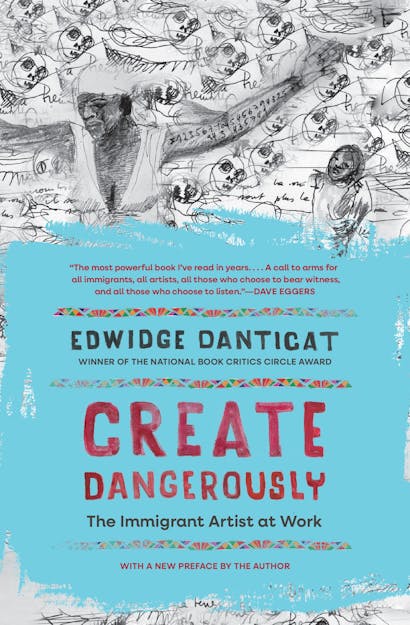
In this deeply personal book, the celebrated Haitian-American writer Edwidge Danticat reflects on art and exile, examining what it means to be an immigrant artist from a country in crisis. Inspired by Albert Camus鈥� lecture, 鈥淐reate Dangerously,鈥� and combining memoir and essay, Danticat tells the stories of artists, including herself, who create despite鈥攐r because of鈥攖he horrors that drove them from their homelands.
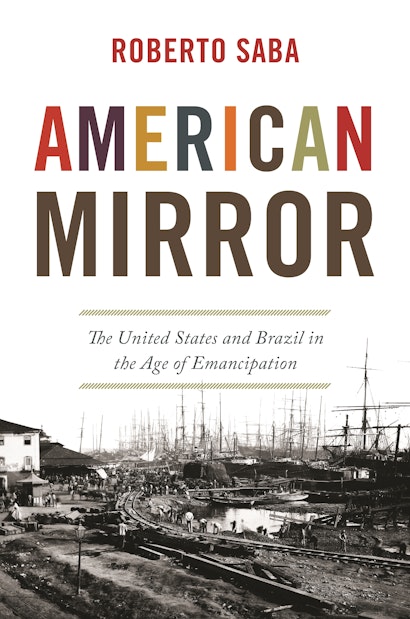
In the nineteenth century, the United States and Brazil were the largest slave societies in the Western world. The former enslaved approximately four million people, the latter nearly two million. Slavery was integral to the production of agricultural commodities for the global market, and governing elites feared the system鈥檚 demise would ruin their countries. Yet, when slavery ended in the United States and Brazil, in 1865 and 1888 respectively, what resulted was immediate and continuous economic progress. In American Mirror, Roberto Saba investigates how American and Brazilian reformers worked together to ensure that slave emancipation would advance the interests of capital.
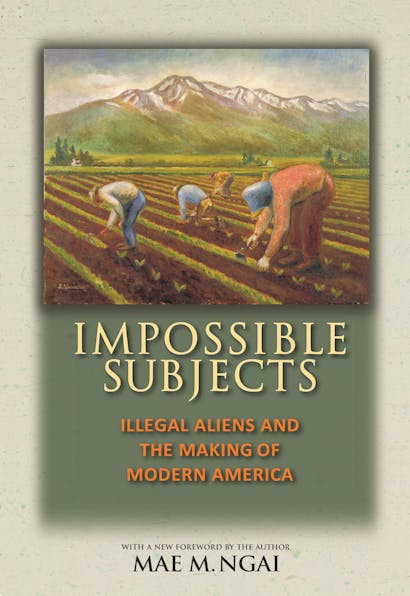
This book traces the origins of the 鈥渋llegal alien鈥� in American law and society, explaining why and how illegal migration became the central problem in U.S. immigration policy鈥攁 process that profoundly shaped ideas and practices about citizenship, race, and state authority in the twentieth century. Mae Ngai offers a close reading of the legal regime of restriction that commenced in the 1920s鈥攊ts statutory architecture, judicial genealogies, administrative enforcement, differential treatment of European and non-European migrants, and long-term effects. She shows that immigration restriction, particularly national-origin and numerical quotas, remapped America both by creating new categories of racial difference and by emphasizing as never before the nation鈥檚 contiguous land borders and their patrol.
Constant headlines about deportations, detention camps, and border walls drive urgent debates about immigration and what it means to be an American in the twenty-first century. The Deportation Machine traces the long and troubling history of the US government鈥檚 systematic efforts to terrorize and expel immigrants over the past 140 years. This provocative, eye-opening book provides needed historical perspective on one of the most pressing social and political issues of our time.
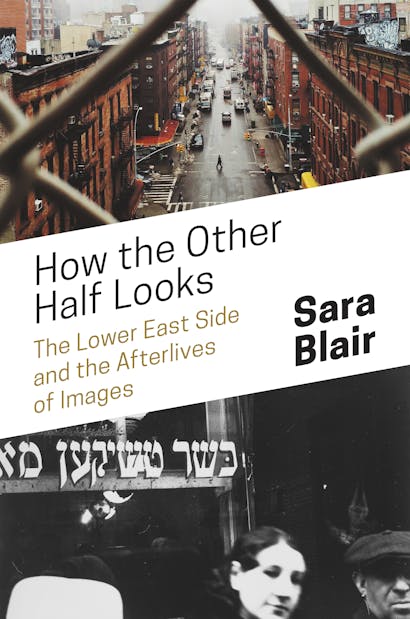
New York City鈥檚 Lower East Side, long viewed as the space of what Jacob Riis notoriously called the 鈥渙ther half,鈥� was also a crucible for experimentation in photography, film, literature, and visual technologies. Sara Blair traces the career of the Lower East Side as a place where image-makers, writers, and social reformers tested new techniques for apprehending America鈥攁nd their subjects looked back, confronting the means used to represent them. This dynamic shaped the birth of American photojournalism, early cinema, and the changing life of print culture as well as the work of such figures as Stephen Crane, Henry Roth, Ben Shahn, Allen Ginsberg, Martha Rosler, and LeRoi Jones.
The history of Jews in the United States is often told as if they immigrated, gained citizenship, and almost immediately achieved full legal rights. Yet this story fundamentally misses how citizenship rights worked for Jews and countless others who arrived on American shores. In Who Is American? Lila Corwin Berman draws on case law, statutes, and debates to argue that both the laws of American citizenship and Jews鈥� position in them changed repeatedly across the twentieth century.
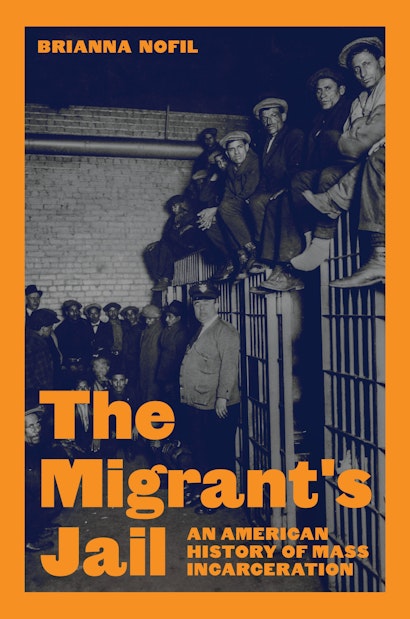
Today, U.S. Immigration & Customs Enforcement (ICE) detains an average of 37,000 migrants each night. To do so, they rely on, and pay for, the use of hundreds of local jails. But this is nothing new: the federal government has been detaining migrants in city and county jails for more than 100 years. In The Migrant鈥檚 Jail, Brianna Nofil examines how a century of political, ideological, and economic exchange between the U.S. immigration bureaucracy and the criminal justice system gave rise to the world鈥檚 largest system of migrant incarceration. Migrant detention is not simply an outgrowth of mass incarceration; rather, it has propelled carceral state鈥揵uilding and fostered intergovernmental policing efforts since the turn of the twentieth century.
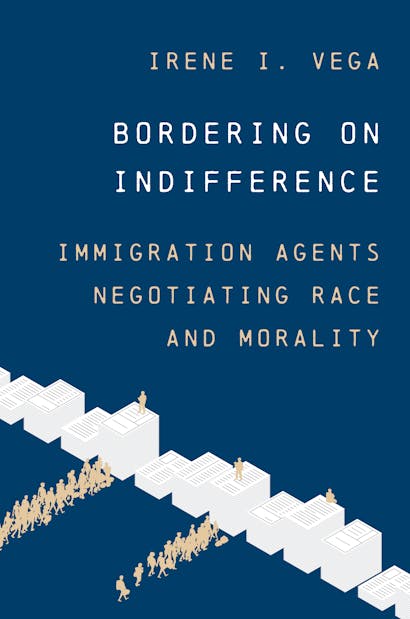
Immigration agents have a frontline view of the racial, economic, and legal inequalities that undocumented migration reflects鈥攁nd yet most agents do not think of the role their jobs play in those inequalities. Instead, they consider themselves law enforcers, trained to confine their work strictly to crime control and security. In Bordering on Indifference, Irene Vega offers an original, detailed analysis of the rationales that shape how U.S. immigration agents understand and carry out their professional responsibilities. Drawing on interviews with ninety immigration agents鈥擝order Patrol Agents and ICE Deportation Officers, most of whom are Mexican Americans from the region around the border鈥擵ega examines why they took the job and how their training and socialization shape the ways that they grapple with the racial and moral issues raised by their work.
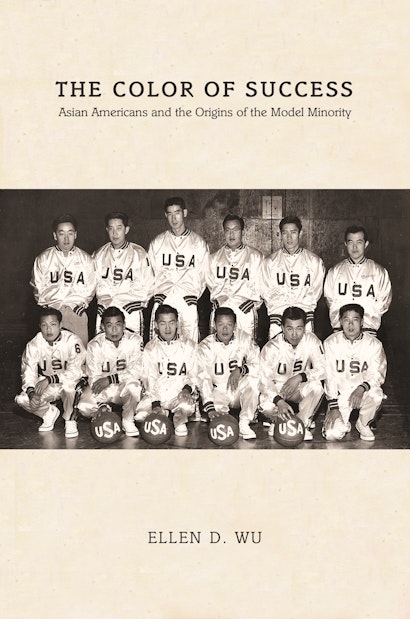
The Color of Success tells of the astonishing transformation of Asians in the United States from the 鈥測ellow peril鈥� to 鈥渕odel minorities鈥濃�攑eoples distinct from the white majority but lauded as well-assimilated, upwardly mobile, and exemplars of traditional family values鈥攊n the middle decades of the twentieth century. As Ellen Wu shows, liberals argued for the acceptance of these immigrant communities into the national fold, charging that the failure of America to live in accordance with its democratic ideals endangered the country鈥檚 aspirations to world leadership.
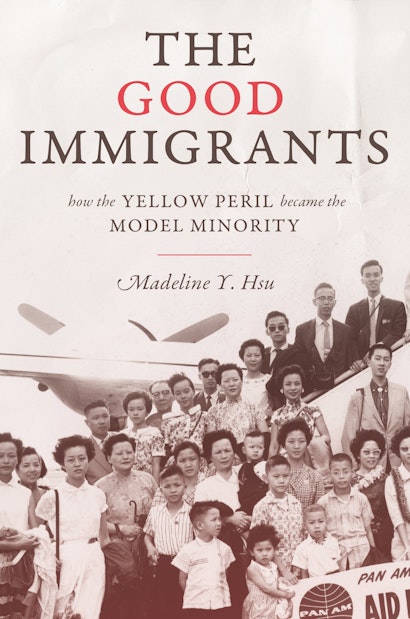
Conventionally, US immigration history has been understood through the lens of restriction and those who have been barred from getting in. In contrast, The Good Immigrants considers immigration from the perspective of Chinese elites鈥攊ntellectuals, businessmen, and students鈥攚ho gained entrance because of immigration exemptions. Exploring a century of Chinese migrations, Madeline Hsu looks at how the model minority characteristics of many Asian Americans resulted from US policies that screened for those with the highest credentials in the most employable fields, enhancing American economic competitiveness.
Some eleven million undocumented immigrants reside in the United States, carving out lives amid a growing web of surveillance that threatens their and their families鈥� societal presence. Engage and Evade examines how undocumented immigrants navigate complex dynamics of surveillance and punishment, providing an extraordinary portrait of fear and hope on the margins.
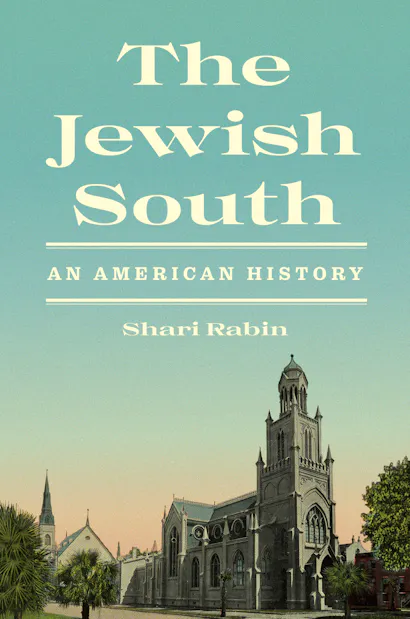
In 1669, the Carolina colony issued the Fundamental Constitutions of Carolina, which offered freedom of worship to 鈥淛ews, heathens, and other dissenters,鈥� ushering in an era that would see Jews settle in cities and towns throughout what would become the Confederate States. The Jewish South tells their stories, and those of their descendants and coreligionists who followed, providing the first narrative history of southern Jews.
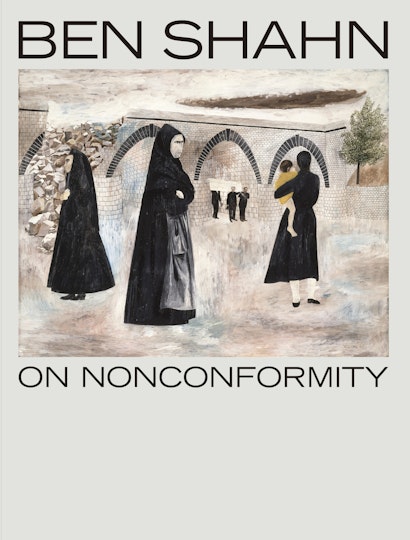
Ben Shahn, On Nonconformity offers a fresh and wide-ranging account of the work of Ben Shahn (1898鈥�1969), a Jewish immigrant from Russian-controlled Lithuania who became one of America鈥檚 most prominent and prolific 鈥渟ocial viewpoint鈥� artists from the Great Depression through the Vietnam War.
The 1965 Hart-Celler Act transformed the American immigration system by abolishing national quotas in favor of a seemingly egalitarian approach. But subsequent demographic shifts resulted in a backlash over the social contract and the rights of citizens versus noncitizens. In The Walls Within, Sarah Coleman explores those political clashes, focusing not on attempts to stop immigration at the border, but on efforts to limit immigrants鈥� rights within the United States through domestic policy. Drawing on new materials from the Carter, Reagan, and Clinton administrations, and immigration and civil rights organizations, Coleman exposes how the politics of immigration control has undermined the idea of citizenship for all.
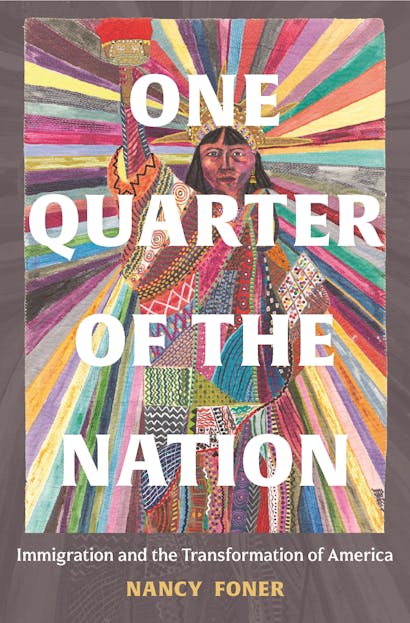
The impact of immigrants over the past half century has become so much a part of everyday life in the United States that we sometimes fail to see it. This deeply researched book by one of America鈥檚 leading immigration scholars tells the story of how immigrants are fundamentally changing this country.