Vegan, low fat, low carb, slow carb: Every diet seems to promise a one-size-fits-all solution to health. But they ignore the diversity of human genes and how they interact with what we eat.
Where and what is the place of the wild? Is the goal of preserving biodiversity across the landscape of North America compatible with contemporary Western culture?
Place of the Wild brings together original essays from an exceptional...
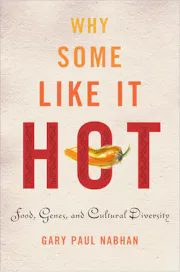
Do your ears burn whenever you eat hot chile peppers? Does your face immediately flush when you drink alcohol? Does your stomach groan if you are exposed to raw milk or green fava beans? If so, you are probably among the one-third of...
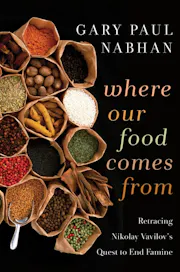
The future of our food depends on tiny seeds in orchards and fields the world over. In 1943, one of the first to recognize this fact, the great botanist Nikolay Vavilov, lay dying of starvation in a Soviet prison. But in the years...
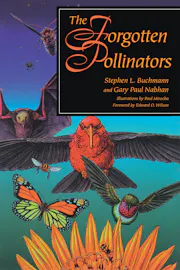
Consider this: Without interaction between animals and flowering plants, the seeds and fruits that make up nearly eighty percent of the human diet would not exist.
In The Forgotten Pollinators, Stephen L. Buchmann, one of the world's...
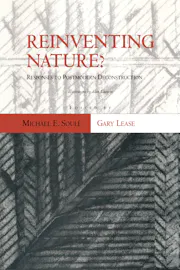
How much of science is culturally constructed? How much depends on language and metaphor? How do our ideas about nature connect with reality? Can nature be "reinvented" through theme parks and malls, or through restoration?
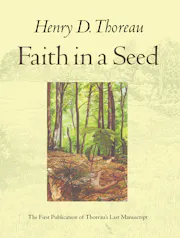
Faith in a Seed contains the hitherto unpublished work The Dispersion of Seeds, one of Henry D. Thoreau's last important research and writing projects, and now his first new book to appear in 125 years.
Faith in a Seed contains the hitherto unpublished work The Dispersion of Seeds, one of Henry D. Thoreau's last important research and writing projects, and now his first new book to appear in 125 years.