History of Science & Knowledge
Where Our Food Comes From: Retracing Nikolay Vavilov's Quest to End Famine

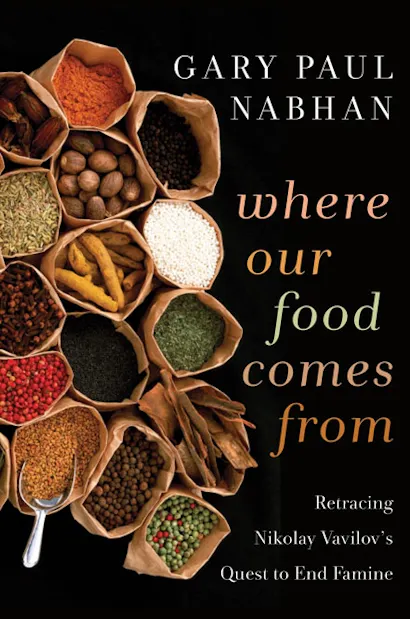
Paperback
- Price:
- $32.00/拢28.00
- ISBN:
- Published:
- Mar 16, 2011
- Copyright:
- 2011
- Pages:
- 264
- Size:
- 6 x 9 in.
- 8 color pages
ebook (EPUB via app)
ebook (PDF via app)
The future of our food depends on tiny seeds in orchards and fields the world over. In 1943, one of the first to recognize this fact, the great botanist Nikolay Vavilov, lay dying of starvation in a Soviet prison. But in the years before Stalin jailed him as a scapegoat for the country鈥檚 famines, Vavilov had traveled over five continents, collecting hundreds of thousands of seeds in an effort to outline the ancient centers of agricultural diversity and guard against widespread hunger. Now, another remarkable scientist鈥攁nd vivid storyteller鈥攈as retraced his footsteps.
In Where Our Food Comes From, Gary Paul Nabhan weaves together Vavilov鈥檚 extraordinary story with his own expeditions to Earth鈥檚 richest agricultural landscapes and the cultures that tend them. Retracing Vavilov鈥檚 path from Mexico and the Colombian Amazon to the glaciers of the Pamirs in Tajikistan, he draws a vibrant portrait of changes that have occurred since Vavilov鈥檚 time and why they matter.
In his travels, Nabhan shows how climate change, free trade policies, genetic engineering, and loss of traditional knowledge are threatening our food supply. Through discussions with local farmers, visits to local outdoor markets, and comparison of his own observations in eleven countries to those recorded in Vavilov鈥檚 journals and photos, Nabhan reveals just how much diversity has
already been lost. But he also shows what resilient farmers and scientists in many regions are doing to save the remaining living riches of our world.
It is a cruel irony that Vavilov, a man who spent his life working to foster nutrition, ultimately died from lack of it. In telling his story, Where Our Food Comes From brings to life the intricate relationships among culture, politics, the land, and the future of the world鈥檚 food.