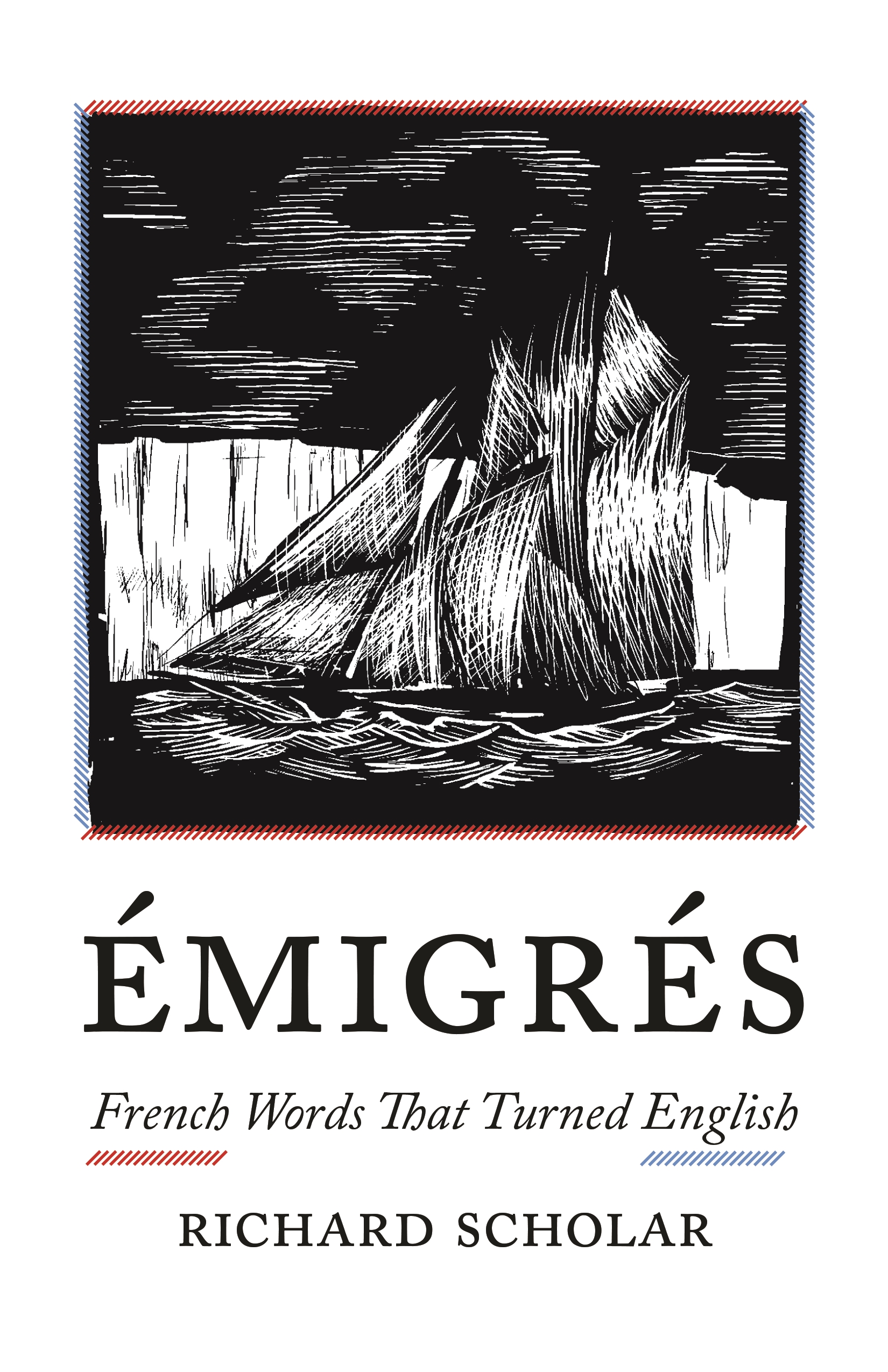
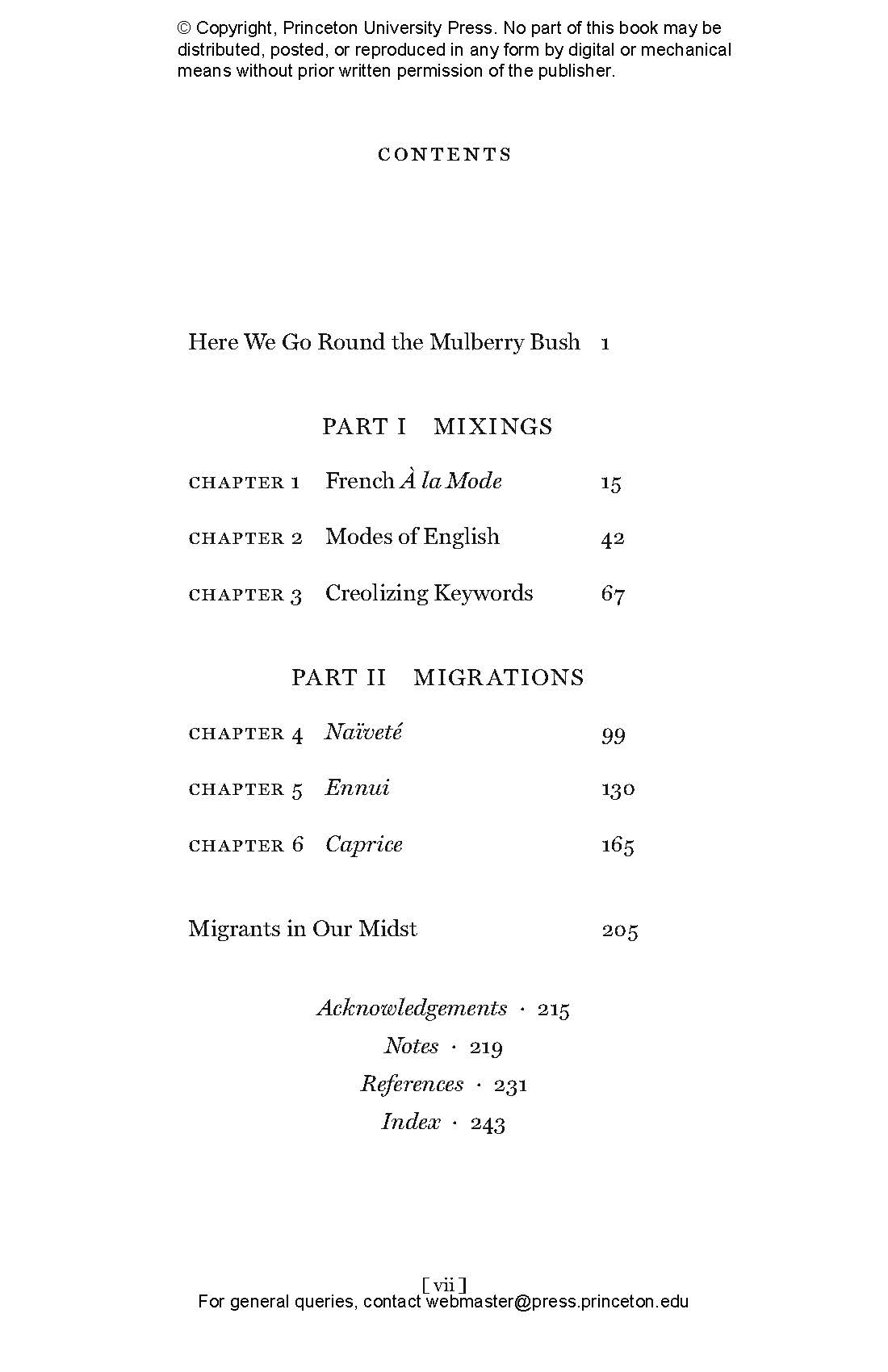
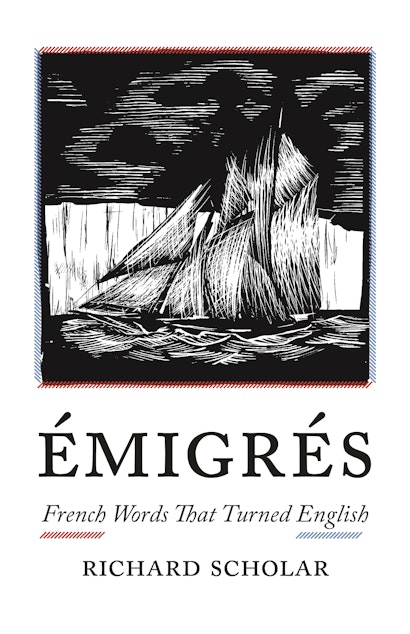
English has borrowed more words from French than from any other modern foreign language. French words and phrases鈥攕uch as 脿 la mode, ennui, 苍补茂惫别迟茅 and caprice鈥攍end English a certain je-ne-sais-quoi that would otherwise elude the language. Richard Scholar examines the continuing history of untranslated French words in English and asks what these words reveal about the fertile but fraught relationship that England and France have long shared and that now entangles English- and French-speaking cultures all over the world.
脡尘颈驳谤茅蝉 demonstrates that French borrowings have, over the centuries, 鈥渢urned鈥� English in more ways than one. From the seventeenth-century polymath John Evelyn鈥檚 complaint that English lacks 鈥渨ords that do so fully express鈥� the French ennui and 苍补茂惫别迟茅, to George W. Bush鈥檚 purported claim that 鈥渢he French don鈥檛 have a word for entrepreneur,鈥� this unique history of English argues that French words have offered more than the mere seasoning of the occasional mot juste. They have established themselves as 鈥渃reolizing keywords鈥� that both connect English speakers to鈥攁nd separate them from鈥擣rench. Moving from the realms of opera to ice cream, the book shows how migrant French words are never the same again for having ventured abroad, and how they complete English by reminding us that it is fundamentally incomplete.
At a moment of resurgent nationalism in the English-speaking world, 脡尘颈驳谤茅蝉 invites native Anglophone readers to consider how much we owe the French language and why so many of us remain ambivalent about the migrants in our midst.
"Who needs ennui when we have old-fashioned boredom? . . . Scholar鈥檚 茅尘颈驳谤茅蝉 often manage to be posh and phoney at the same time, while still carrying a kind of precision it would be hard to find without them. . . . [In 脡尘颈驳谤茅蝉] words have historical lives and tell us stories we may not know how to hear."鈥擬ichael Wood, London Review of 快色直播
"A well-researched, convincing account of how our language has welcomed foreign words鈥攂ut not always their native speakers."鈥�Kirkus Reviews
"Scholar . . . reflects thoughtfully and sometimes surprisingly on the use of French words in English. . . . Given the current interest in immigration, Scholar鈥檚 book on immigrant words is erudite, witty, and surprisingly timely."鈥�Publishers Weekly
"Like the 茅migr茅 lexical items themselves, 贰尘颈驳谤茅蝉 crackles with hidden energy and is worth serious study."鈥�Choice
"The 茅尘颈驳谤茅蝉 that Scholar highlights鈥�脿 la mode, galanterie, 苍补茂惫别迟茅, ennui, and caprice鈥攄on鈥檛 assimilate and, in this act of resistance, reveal new ways of being."鈥擬eghan K. McGinley, AmeriQuests
"This thoughtful summation of how much English owes to French, and other languages, has a certain je-ne-sais-quoi and cultural relevance."鈥擠avid Caddy, Tears in the Fence
"[A] lively and always entertaining book. . . . Although Professor Scholar clearly has a wealth of learning at his fingertips, enjoyment of 脡尘颈驳谤茅蝉 need not be limited to academic readers. The book will be readily understood by academic and non-specialist readers alike. . . . The habit of using 茅migr茅 words is infectious: for his sang-froid, savoir faire, and bonhomie in guiding us on this voyage through the complexities of our national love-hate relationship with French鈥攁nd the French鈥攚e are all indebted to Richard Scholar."鈥擜nnette Tomarken, H-France Review
"The 鈥樏┏揪辈蛋┎踱�� of this engaging book . . . occupy an uneasy centre ground between donor and borrower language, being neither French nor fully integrated into English. This ambiguity, Richard Scholar argues, reflects a long-standing ambivalence in English cultural attitudes to things French, ranging from fascination to disdain. . . . The book takes us on an eclectic journey from Restoration comedy to Winnie-the-Pooh鈥檚 companion Eeyore, John Le Carr茅 and the Oscar-winning Little Miss Sunshine."鈥擠avid Hornsby, Modern Language Review
"脡尘颈驳谤茅蝉 . . . takes an approach informed by both French and English literature, and sets its findings in a cultural context which is wider still. This is pleasing, as the historical study of language perishes in a vacuum. . . . [A] humane and humanistic book."鈥擜nthony Grant, French Studies
"The dream of a primordial linguistic simplicity has a flip side: the fear of linguistic creolization followed by a loss of national identity. Richard Scholar鈥檚 book exorcises this atavistic fear."鈥擬aria Neklyudova, Shagi / Steps.
"Fascinating and informative. His research is excellent, he writes clearly, and the book is full of charming and memorable detail . . . .[Scholar] has written a captivating book in an accessible style. It would be good if reading him became de rigueur among students of language and literature, but perhaps 莽a serait trop beau."鈥擜lan Dent, Northern Review of 快色直播
"This is a rich and rewarding book with plenty of linguistic faits divers and an impressive array of cultural references. . . .An excellent case for reconsidering the cultural and political significance of terms that retain their foreignness, even in a language as globally dominant as English."鈥擡mma Herdman, Forum for Modern Language Studies
"At once fascinating, entertaining and insightful, Richard Scholar's 脡尘颈驳谤茅蝉 reveals the power of language as a source of cultural diversity and tolerance in an age of resurgent nationalism. A necessary and important book to help break down borders in our minds and societies."鈥擱oman Krznaric, author of The Good Ancestor and Empathy
鈥淭his is a beautiful piece of work鈥攁nd a book we need. Without relation there is no living, the living is relation, every living language is relation.鈥濃�擯atrick Chamoiseau, author of Migrant Brothers and Texaco
鈥淭his is a marvelous book. Richard Scholar provides fresh insight everywhere.鈥濃�擱oland Greene, Stanford University
鈥淭his is a fascinating and compelling book, which I read with great pleasure.鈥濃�擜lexis Tadi茅, Sorbonne University
Caprice in the Time of COVID -
Caprice in the Time of COVID -
Caprice in the Time of COVID -
No known hazards or warnings
Accessibility Features
-
Unknown accessibility
-
Table of contents navigation
-
Single logical reading order
-
Landmark navigation
-
Index navigation
-
All non-decorative content supports reading without sight
-
No known hazards or warnings