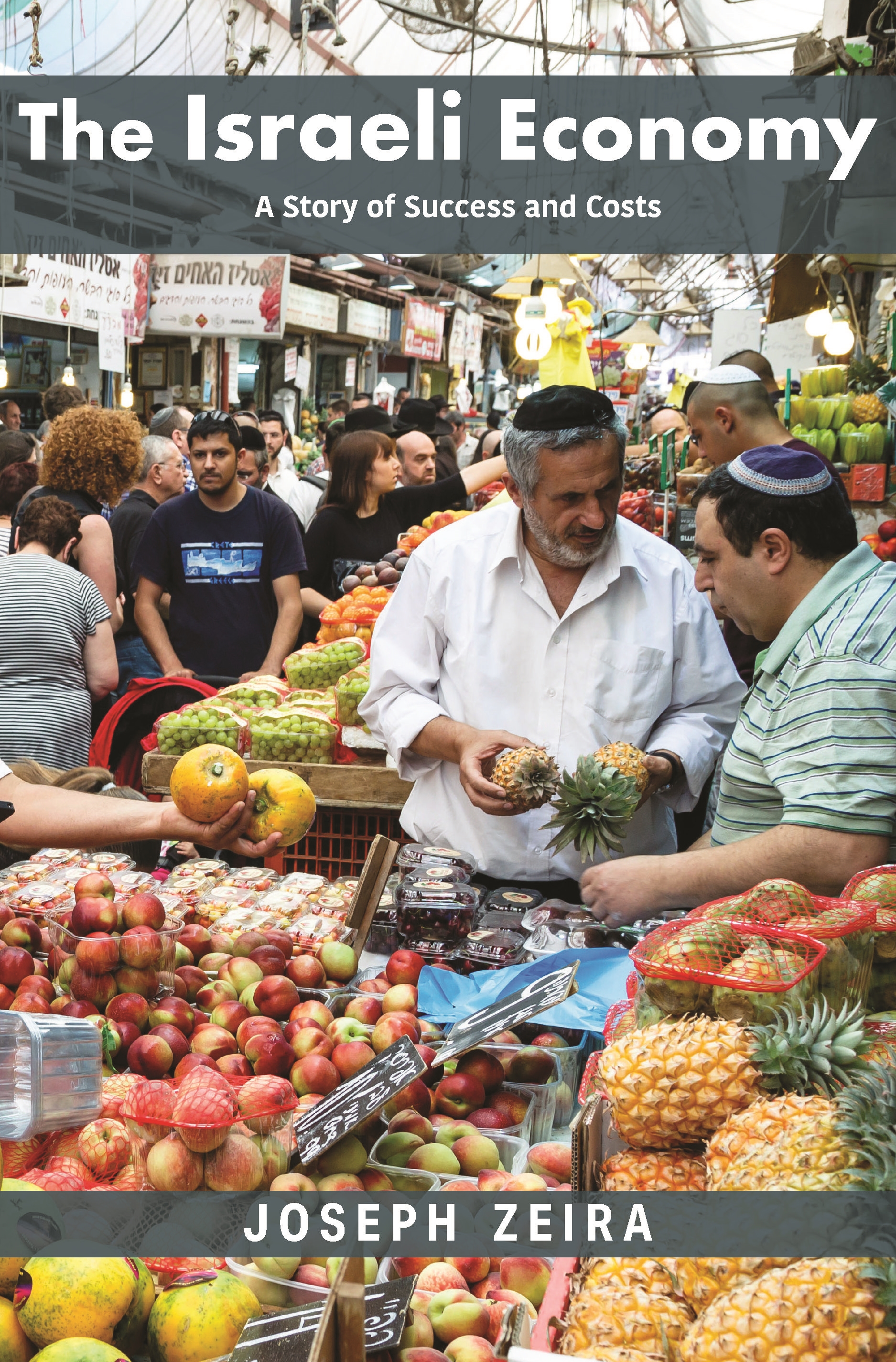
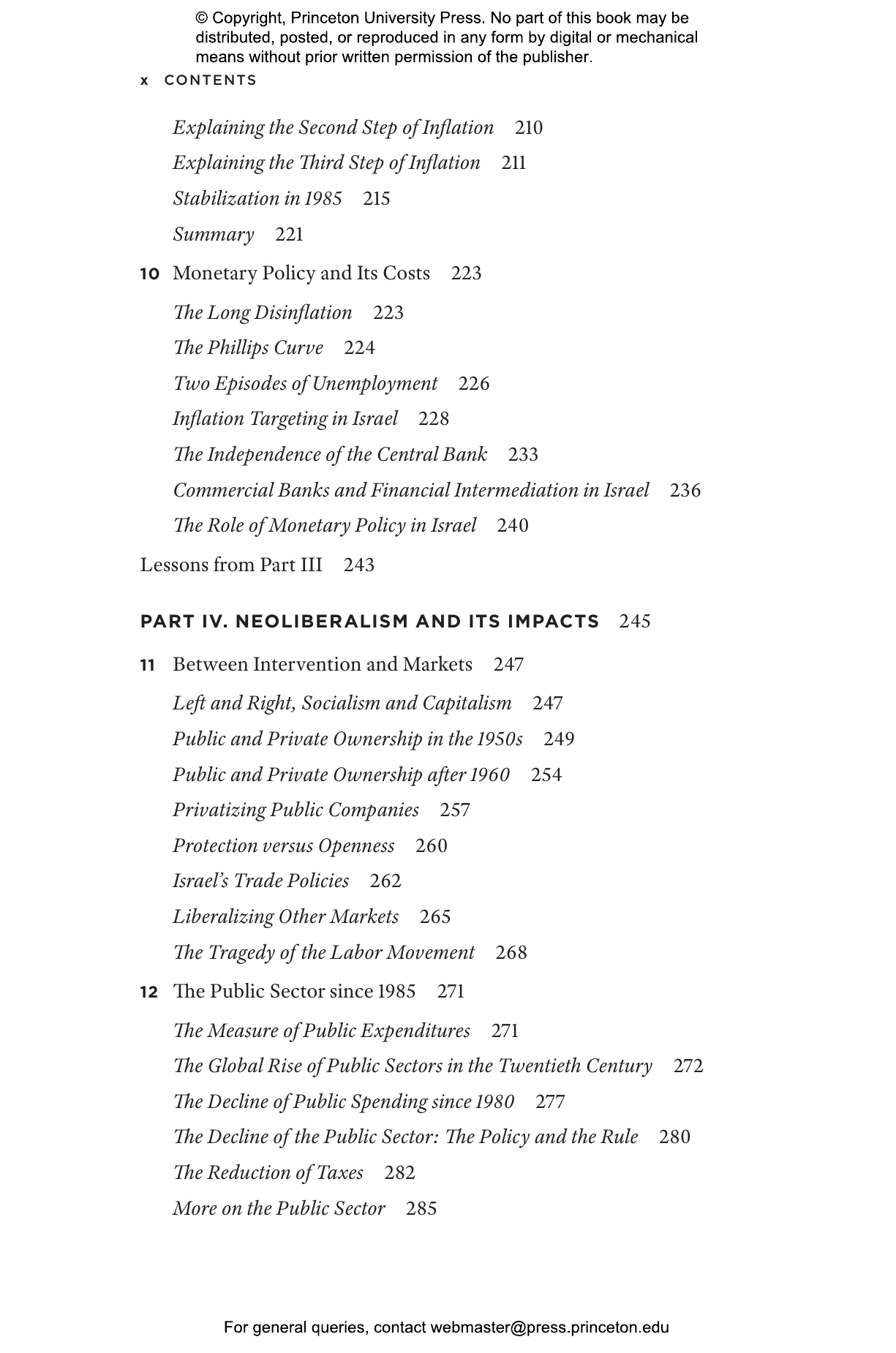
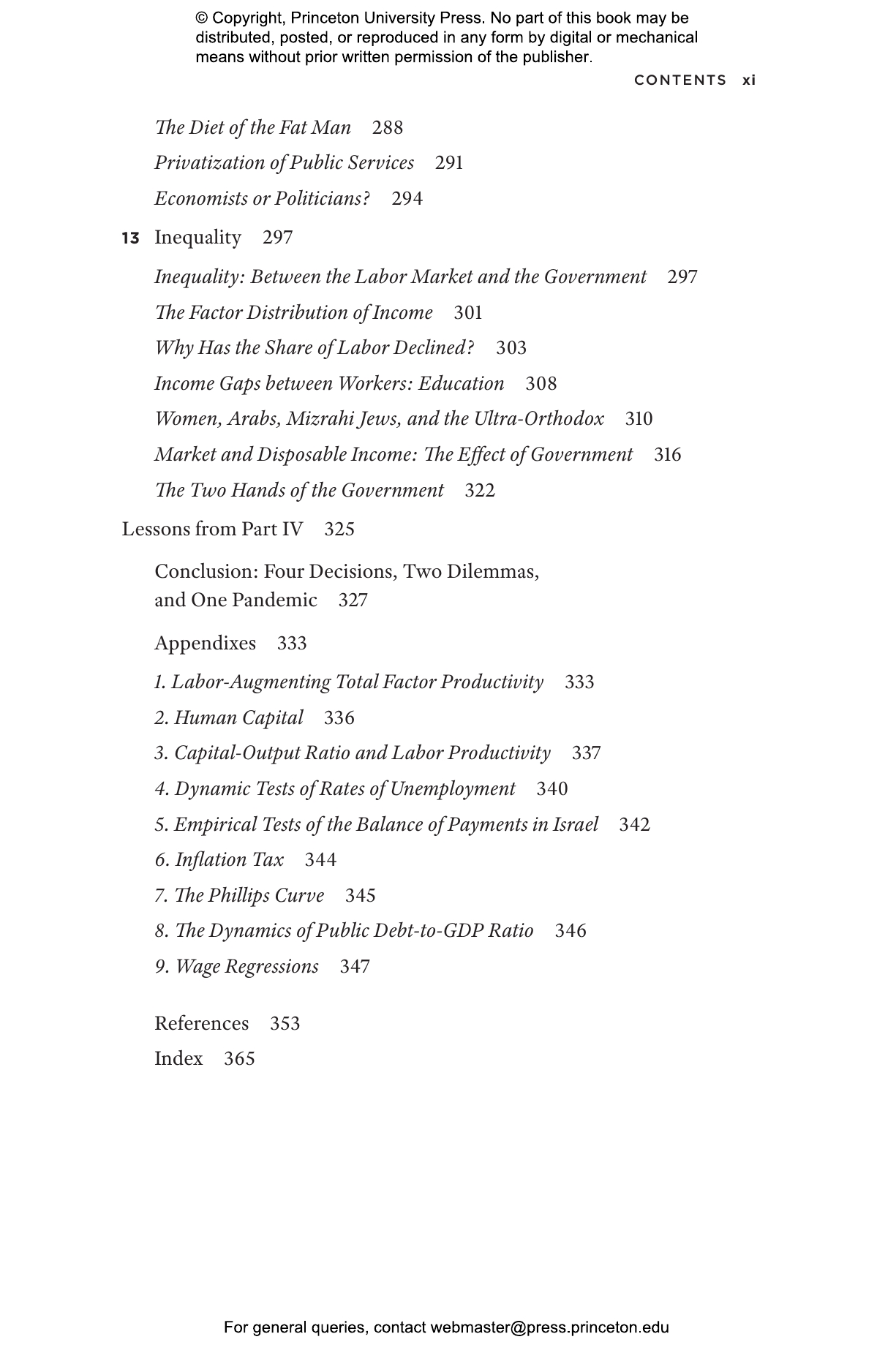
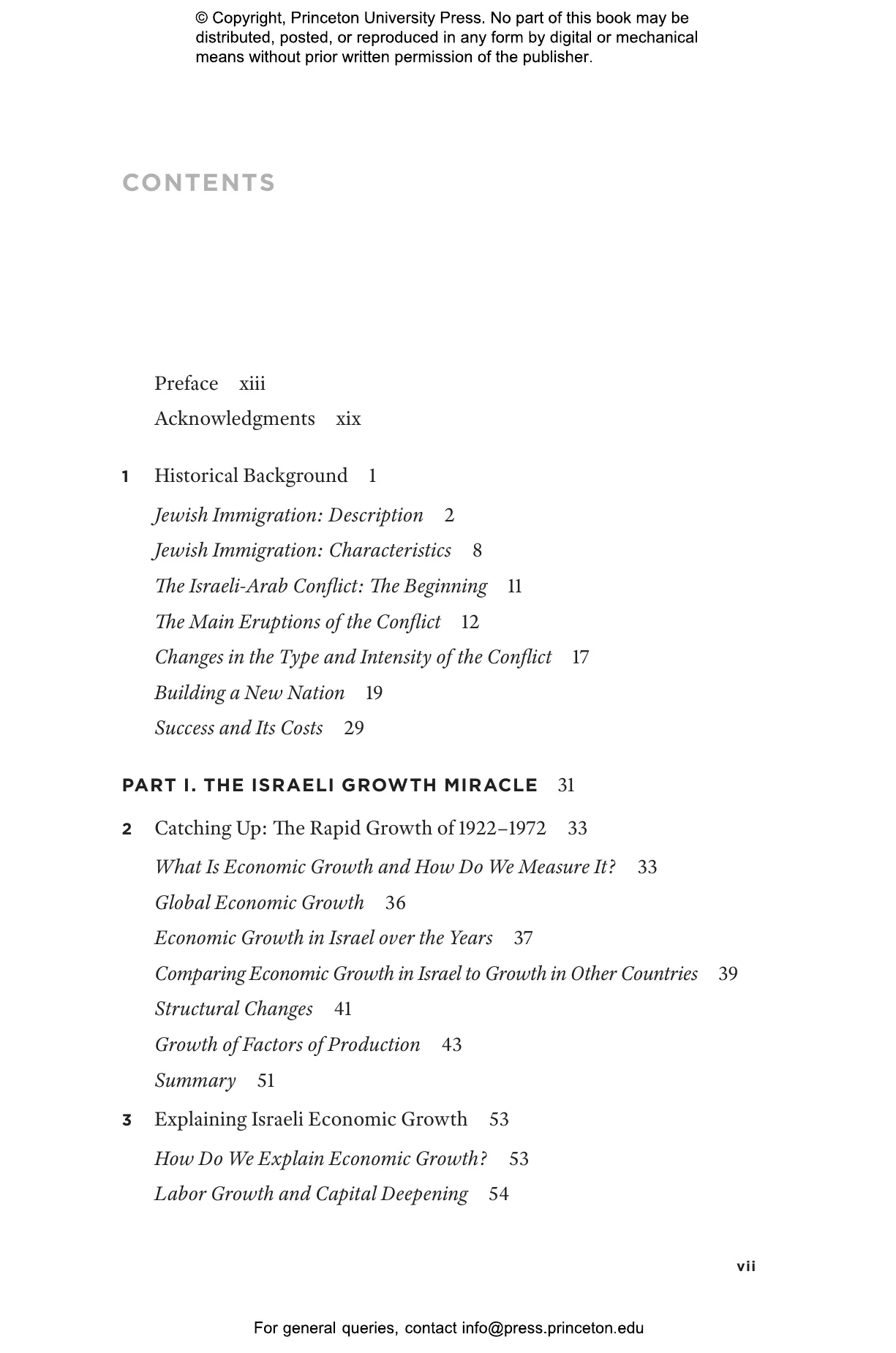
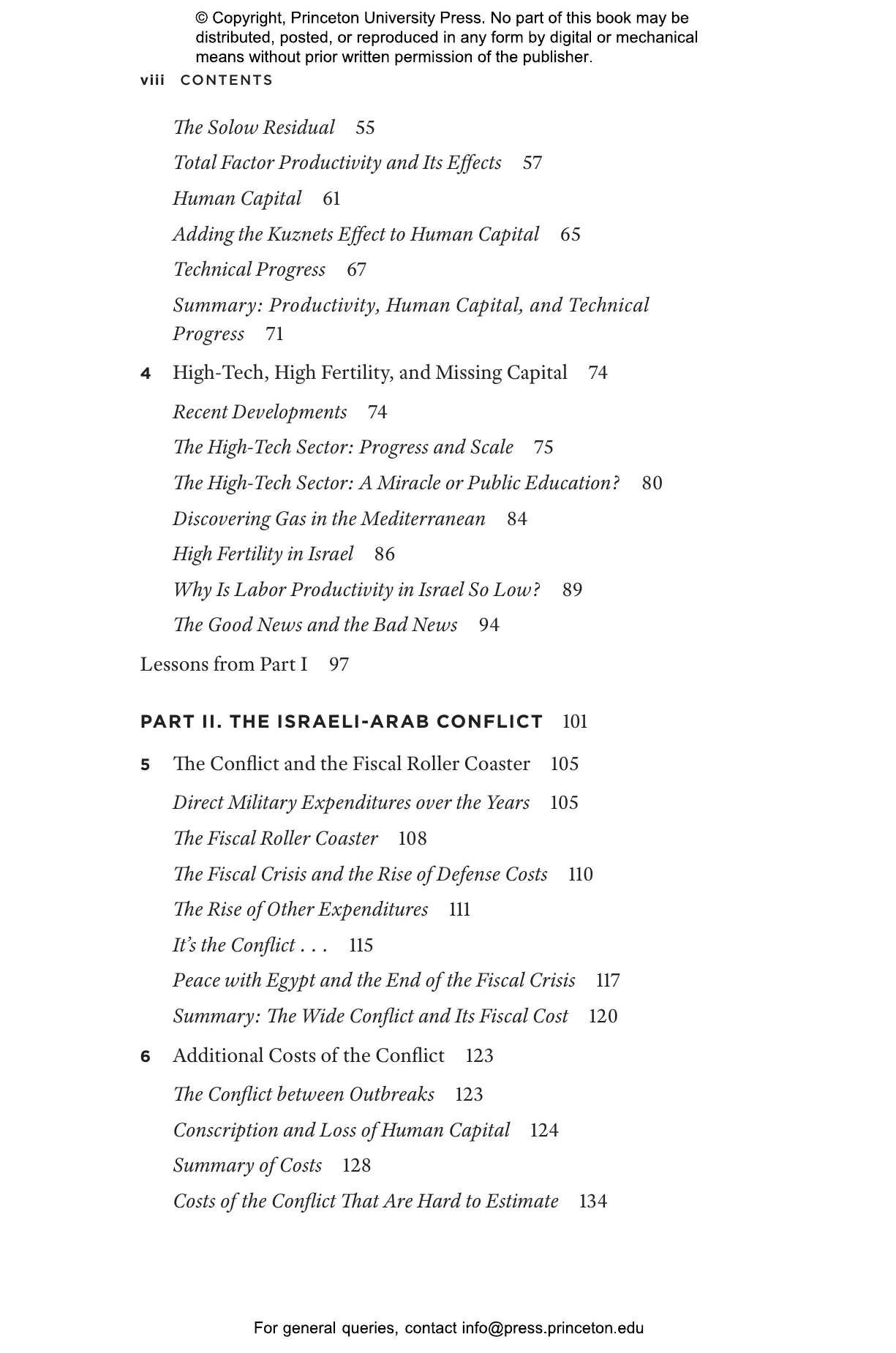
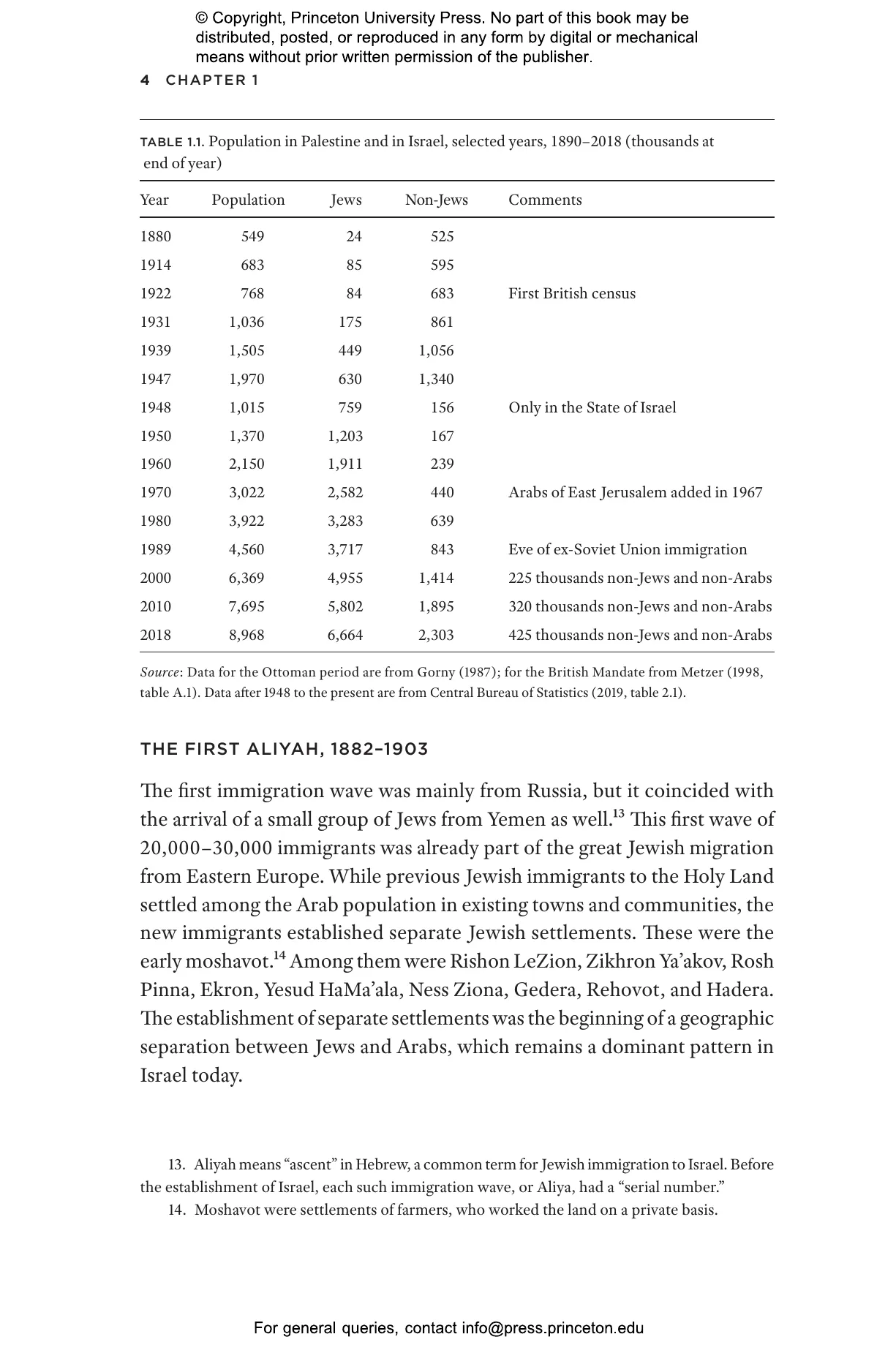
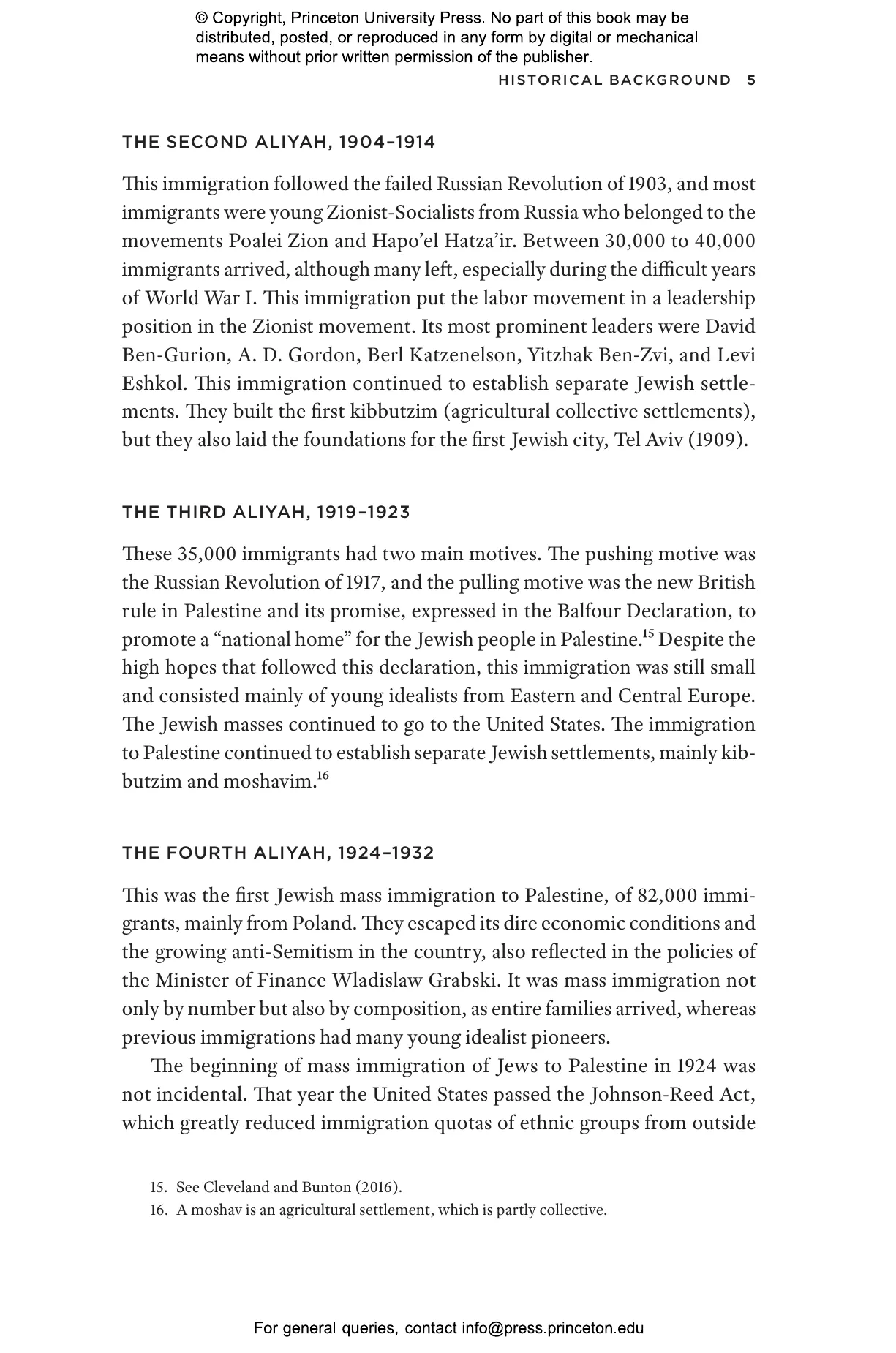
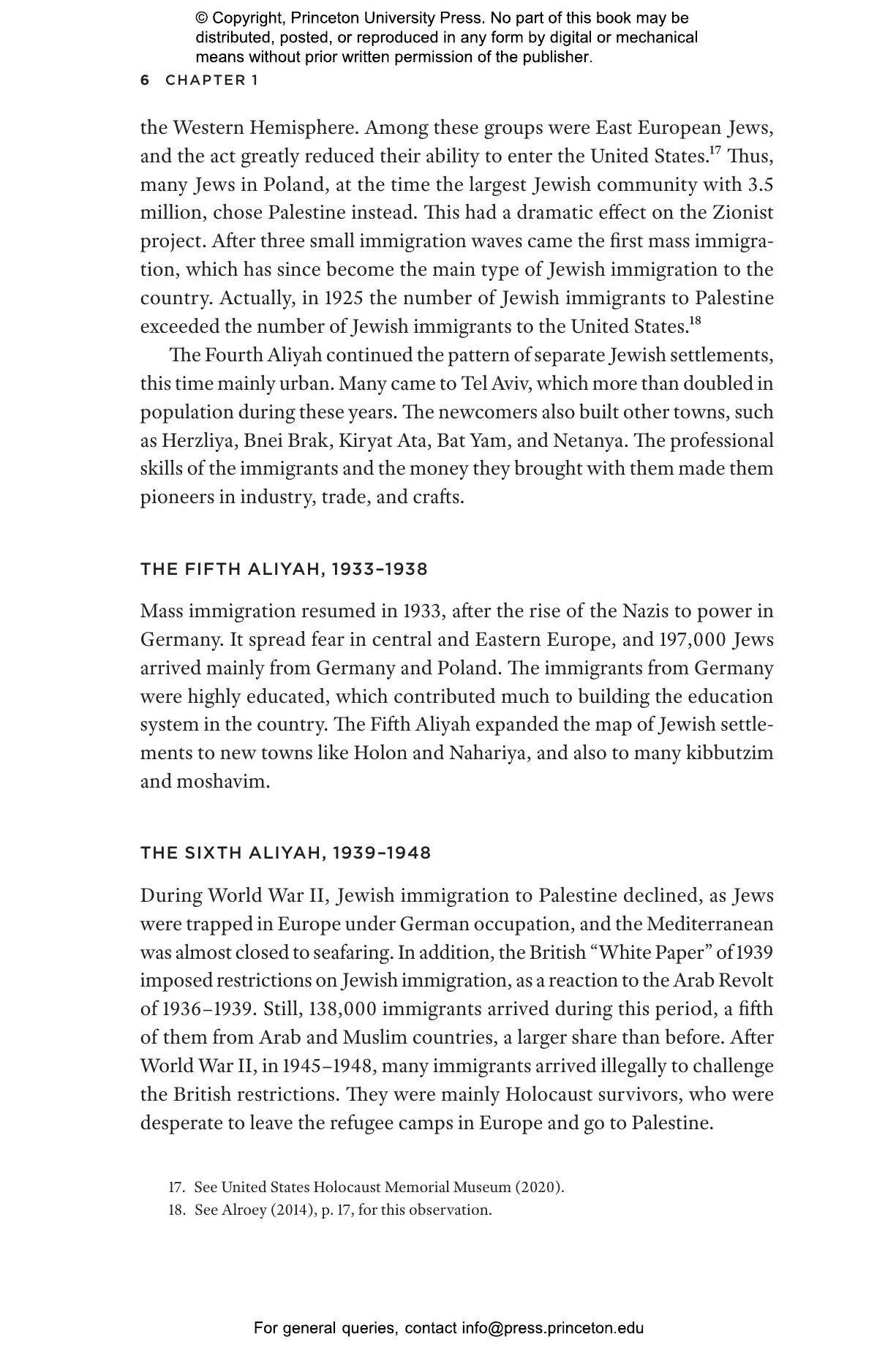
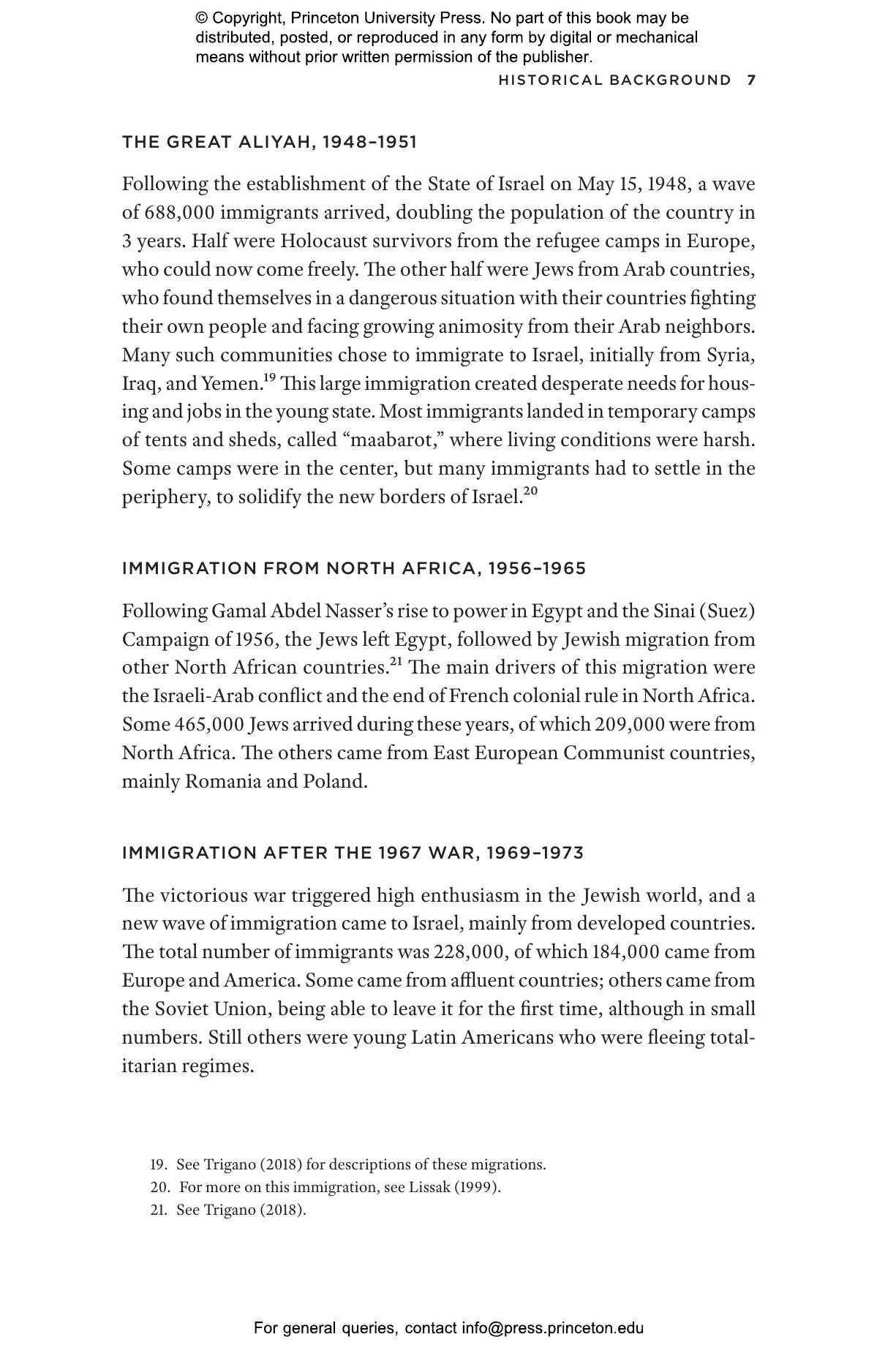
In 1922, there were ninety thousand Jews in Palestine, a small country in a poor and volatile region. Today, Israel has a population of nine million and is one of the richest countries in the world. The Israeli Economy tells the story of this remarkable transformation, shedding critical new light on Israel’s rapid economic growth.
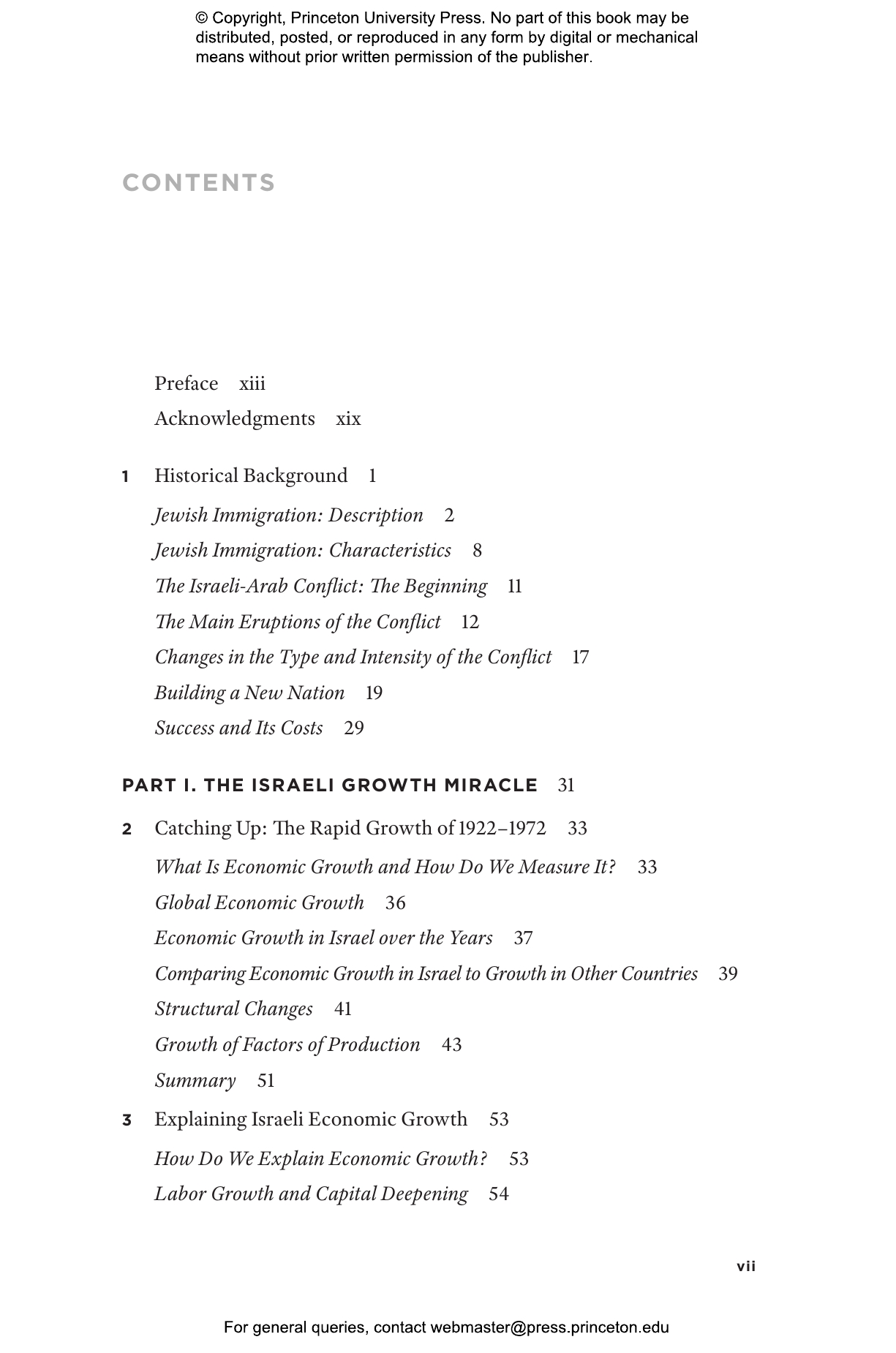
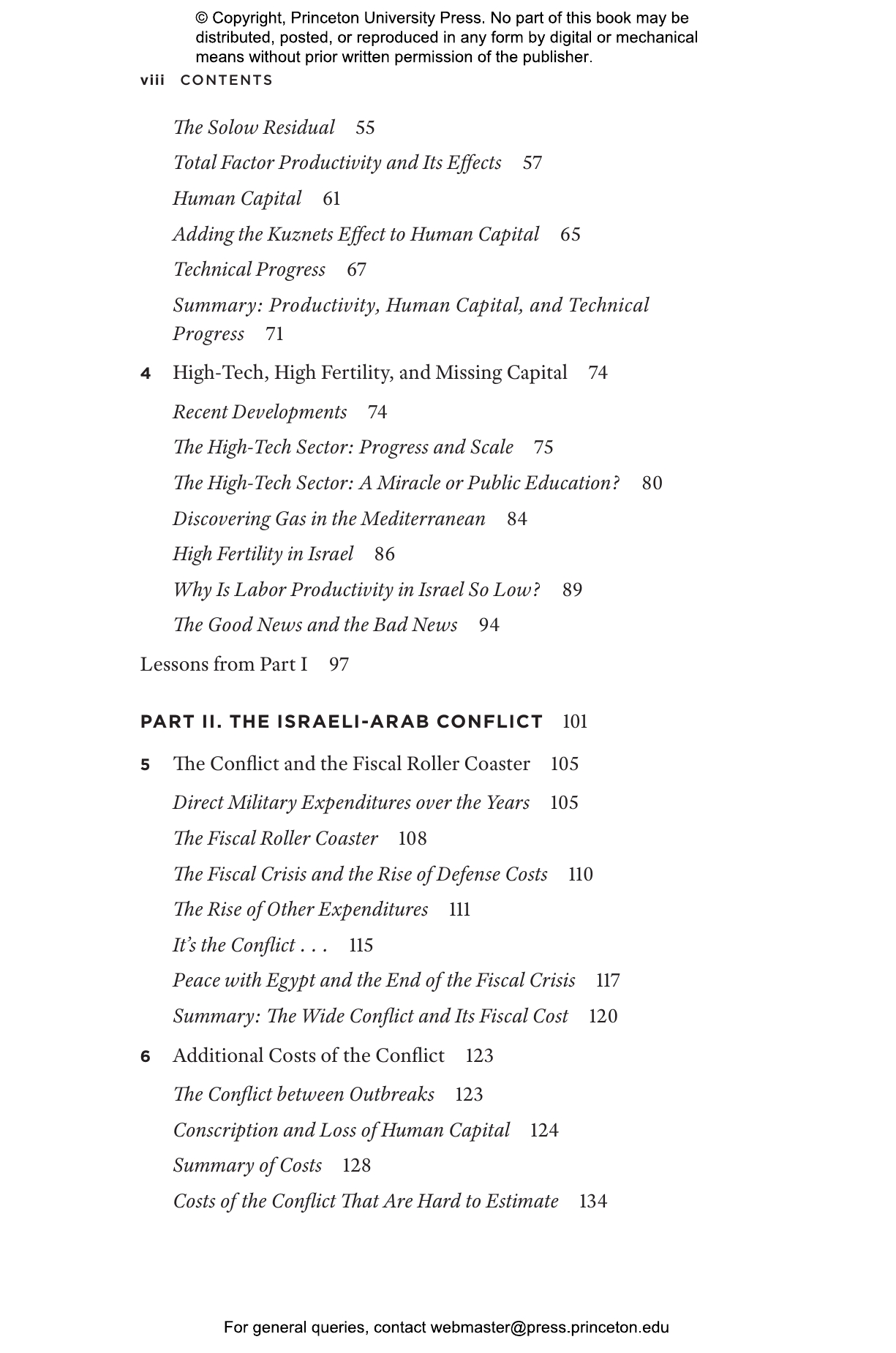
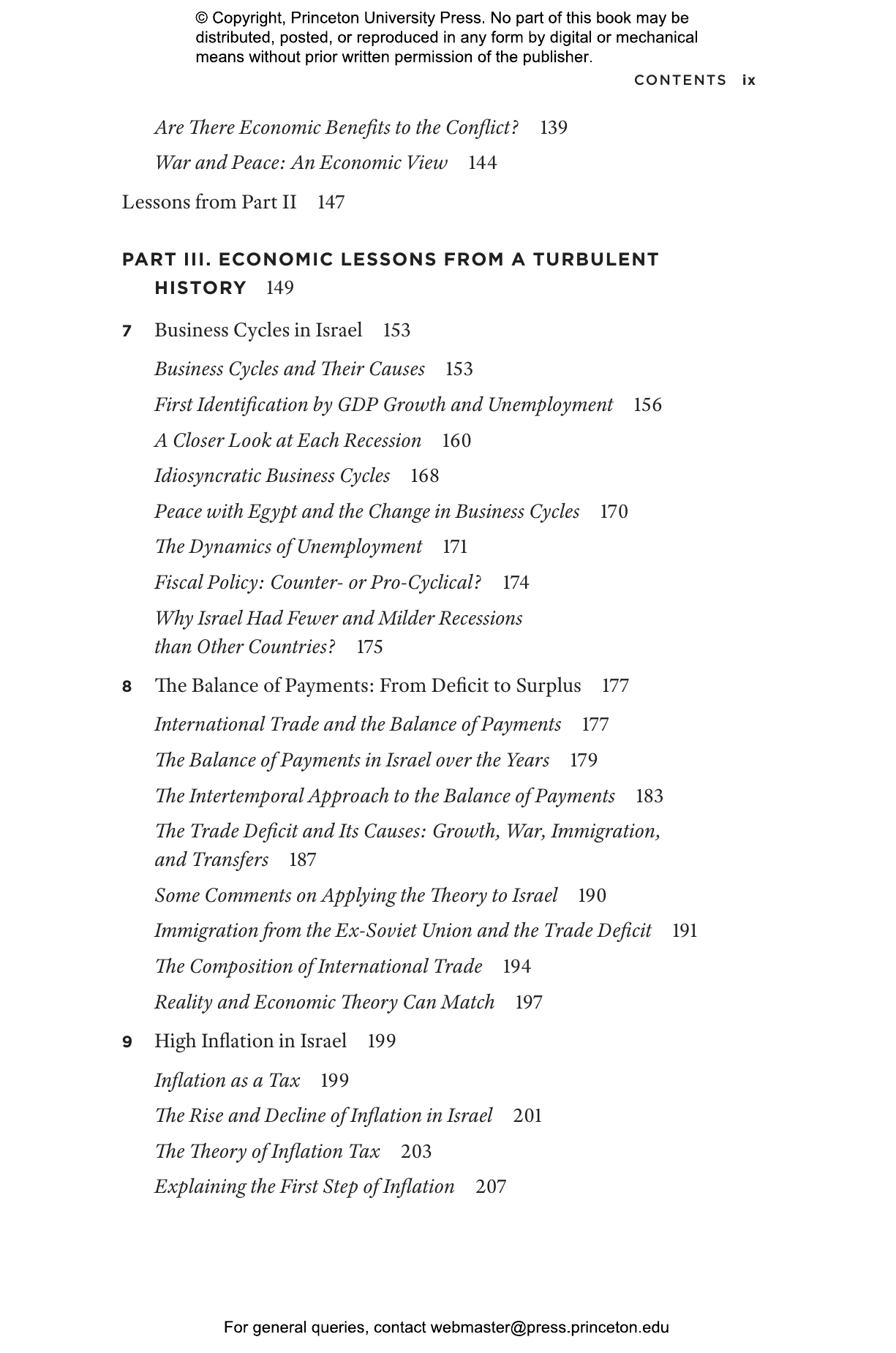
Joseph Zeira takes readers from those early days to today, describing how Israel’s economic development occurred amid intense fighting with the Palestinians and neighboring Arab countries. He reveals how the new state’s astonishing growth continued into the early 1970s, and traces this growth to public investment in education and to large foreign transfers. Zeira analyzes the costs of the Arab-Israeli conflict, demonstrating how economic output could be vastly greater with a comprehensive peace. He discusses how Israel went through intensive neoliberal economic policies in recent decades, and shows how these policies not only failed to enhance economic performance, but led to significant social inequality.
Based on more than two decades of groundbreaking research, The Israeli Economy is an in-depth survey of a modern economy that has experienced rapid growth, wars, immigration waves, and other significant shocks. It thus offers important lessons for nations around the world.
Joseph Zeira is professor of economics at the Hebrew University of Jerusalem. He lives in Jerusalem. Website josephzeira.weebly.com
鈥淎n excellent overview of the Israeli economy. Long before Israel became known as the Start-Up Nation, there were wars and massive immigration waves and hyperinflation. Zeira鈥檚 brilliant book analyzes the factors that led to Israel鈥檚 remarkable economic development, and also offers a sober assessment of some of the most pressing economic challenges the nation faces today.鈥濃�擡ffi Benmelech, Northwestern University
鈥淎 fascinating analysis of how, despite a tough geopolitical environment, a small and poor country became one of the richest countries in the world. Joseph Zeira does a masterful job of showing the role of human capital, fast technological adoption, and a good quality public sector in the Israeli economic success. These are important conclusions, and important lessons for other countries to learn from.鈥濃�擮livier J. Blanchard, Peterson Institute for International Economics
鈥淲ritten by one of the finest macroeconomic theorists in the world, this book tells the fascinating story of Israel鈥檚 miracle growth, covering a range of topics from the phenomenal success of the high-tech sector to the nation鈥檚 unacceptable levels of inequality. The Israeli Economy will be of value not just to those interested in Israel but to students of development economics as well as policymakers in emerging economies trying to crack the secrets of growth.鈥濃�擪aushik Basu, former chief economist at the World Bank
鈥淎n insightful history. Zeira uses data, institutional facts, and economics to trace the development of the modern Israeli economy and provides an insightful analysis of the lessons to be learned from Israel鈥檚 experiences. The book should be of great interest to economists and noneconomists alike. Highly recommended.鈥濃�擬artin S. Eichenbaum, Northwestern University
This publication has been produced to meet accepted Accessibility standards and contains various accessibility features including concise image descriptions, a table of contents, a page list to navigate to pages corresponding to the print source version, elements such as headings for structured navigation, and math formulas in accessible format. Appearance of the text and page layout can be modified according to the capabilities of the reading system.
Accessibility Features
-
WCAG v2.2
-
WCAG level AA
-
Table of contents navigation
-
Single logical reading order
-
Short alternative textual descriptions
-
Print-equivalent page numbering
-
Next / Previous structural navigation
-
Landmark navigation
-
Index navigation
-
Epub Accessibility Specification 1.1
-
ARIA roles provided
-
All non-decorative content supports reading without sight
-
Accessible math content as MathML
-
No known hazards or warnings