Economics & Finance

-
Joe Jackson
Senior Editor, Economics -
Hannah Paul
Associate Editor, Economics & Political Science -
Rebecca Brennan
Senior Editor, Social Sciences (Europe)
快色直播 publishes the most influential and groundbreaking books in economics and finance, books that actively influence how the field defines and redefines itself through a broad range of new and challenging ideas and an increasingly diverse group of authors and perspectives.
Our economics list is extraordinary, and we aim to elevate this tradition to new heights to help the field of economics do the same. We publish textbooks that anticipate new courses, monographs that bring together monumental work in new ways, and bestsellers that directly influence policy and inform the daily lives of all readers.
New & Noteworthy
Featured Audiobooks
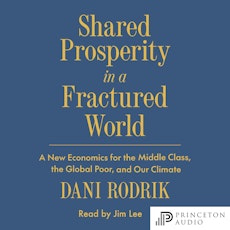
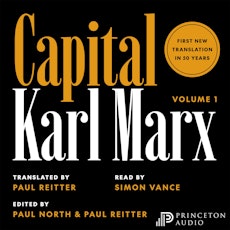
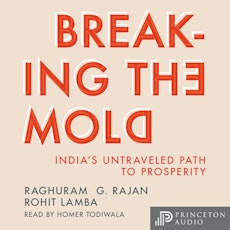
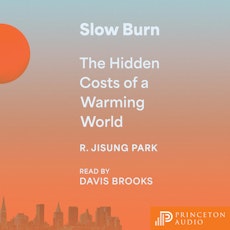
Series
Ideas
-
Listen in: The 5 Questions for Ethical Decisions

The 5 Questions for Ethical Decisions: How to Succeed Without Selling Your Soul by David W. Miller is a practical guide for professionals, corporate executives, entrepreneurs, and college students who want to achieve personal success without compromising their morals.
-
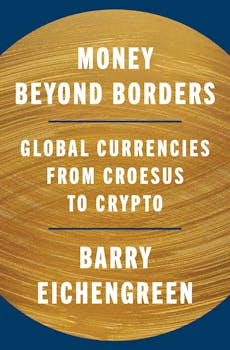
Barry Eichengreen on Money Beyond Borders

In Money Beyond Borders, the leading authority on international currencies, Barry Eichengreen, puts the dollar鈥檚 prospects in deep historical perspective by chronicling the entire history of cross-border currencies, from the invention of coins in the seventh century BCE to the cryptocurrencies of today and the central bank digital currencies of tomorrow.
-
PUP Speaks: R. Jisung Park on the hidden health impacts of wildfires

It鈥檚 hard not to feel anxious about the problem of climate change, especially if we think of it as an impending planetary catastrophe. R. Jisung Park encourages us to view climate change through a different lens.
-
Ruth Braunstein on My Tax Dollars

Ruth Braunstein maps the contested moral landscape in which Americans experience and make sense of the tax system.
-
Our Money

In Our Money, Leah Downey makes a principled case against central bank independence (CBI) by both challenging the economic theory behind it and developing a democratic rationale for sustaining the power of the legislature to determine who can create money and on what terms.