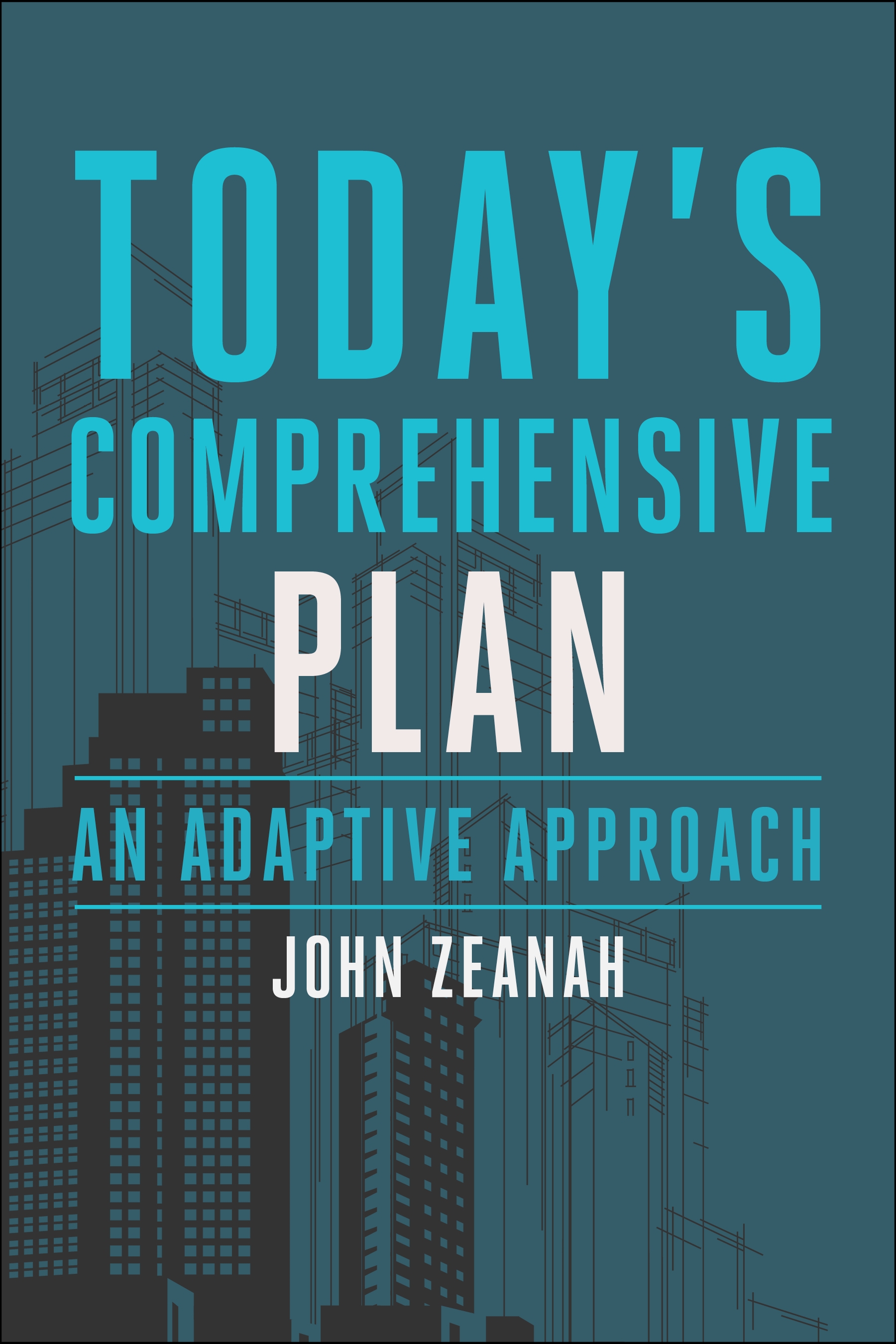
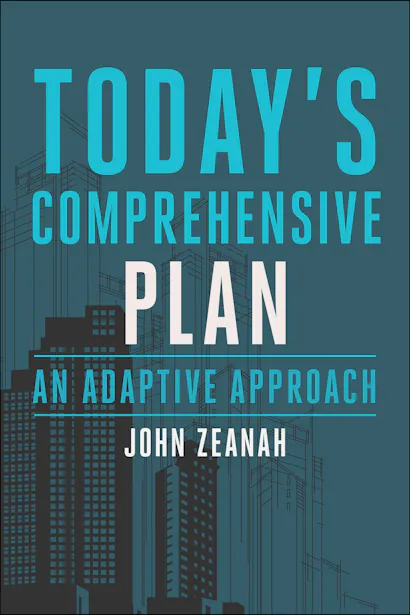
Today's Comprehensive Plan: An Adaptive Approach
A new model of comprehensive planning as a living process rather than a static document

Paperback
ebook (EPUB via app)
ebook (PDF via app)
- Sale Price:
- $24.50/拢21.00
- Price:
-
$35.00/拢30.00 - ISBN:
- Published:
- Jun 9, 2026
- Copyright:
- 2026
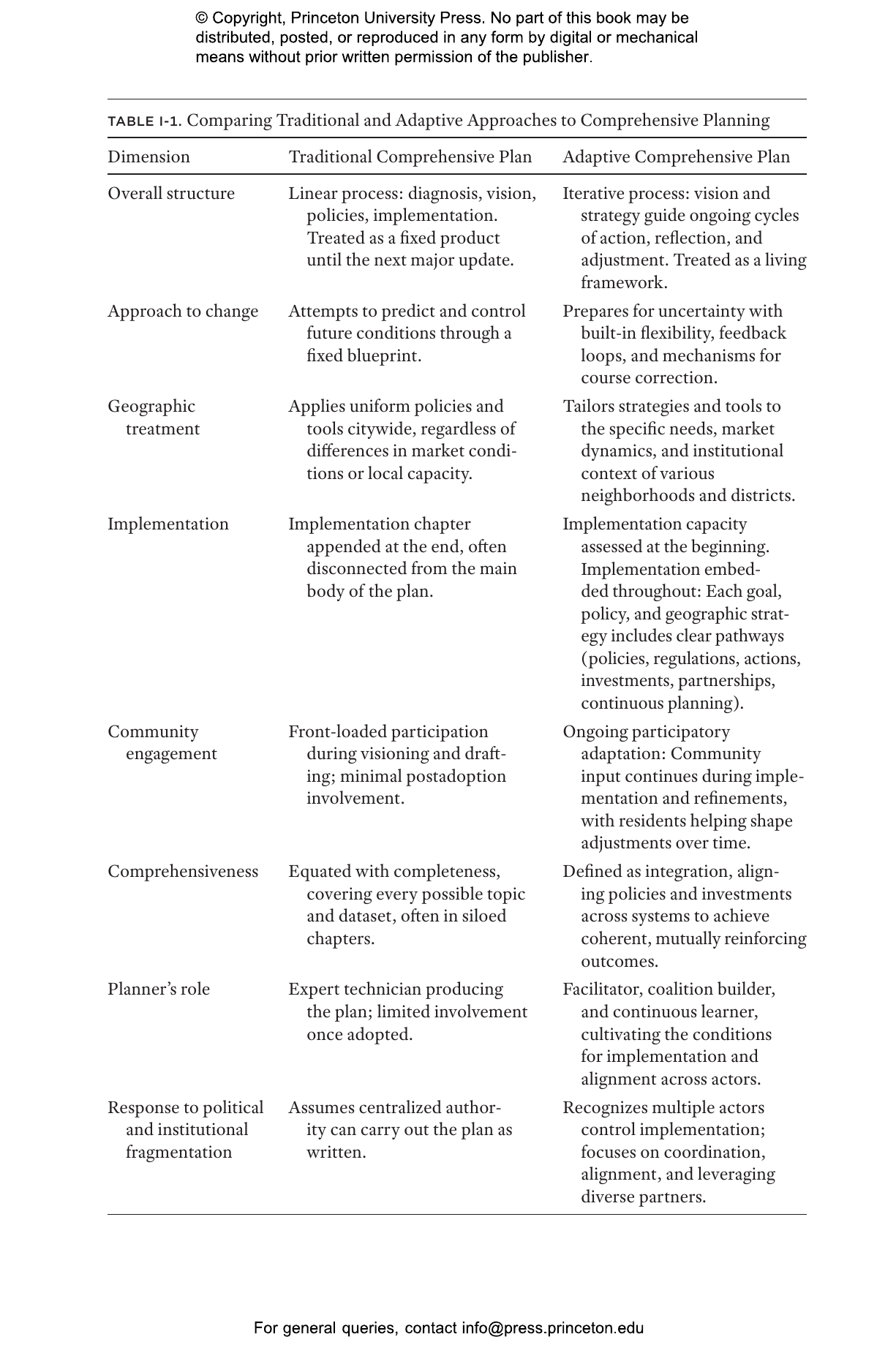
- 9 b/w illus. 2 tables.
30% off with code PUP30
-
Audio and ebooks (EPUB and PDF) purchased from this site must be accessed on the
快色直播 app. After purchasing, you will receive an email with
instructions to access your purchase.
About audio and ebooks - Request Exam Copy
How does your community map out a long-term vision for the built environment? Most US cities and counties have long used the comprehensive plan for this purpose. While the plan was conceived to meet the existential issues of the twentieth century, too often today鈥檚 plans fail to consider fragmented political and market environments, how implementation occurs, and how plans should adapt over time. How can this critical tool be updated for today鈥檚 challenges?
In Today鈥檚 Comprehensive Plan: An Adaptive Approach, planner John Zeanah builds on his experience leading the Memphis 3.0 Comprehensive Plan鈥攖he city鈥檚 first comprehensive plan in forty years鈥攖o help planners create better, more adaptive plans and more effective outcomes. Zeanah offers a new approach: the adaptive comprehensive plan, a model grounded in implementation, participatory adaptation, and structured intervals for recalibration.
Zeanah demonstrates how plans can evolve through cycles of action and learning, ensuring that strategies remain relevant as conditions change. By highlighting the connection of vision and strategy, the importance of structured flexibility, and how to orient the plan for implementation pathways, he equips planners with practical methods for making comprehensive plans successful and keeping plans alive through change.
Today鈥檚 Comprehensive Plan is not about replacing the tools in the planner鈥檚 toolbox. It is about better understanding these policies, tools, and methods of planning and implementation to improve the practice and effectiveness of comprehensive planning. It makes the case for the comprehensive plan as the cornerstone of continuous, inclusive, and equitable planning鈥攇uiding growth, development, connectivity, and opportunity in ways that respond to the realities of the twenty-first century. This book will be invaluable for planners and policymakers seeking to design plans that adapt, endure, and deliver results.