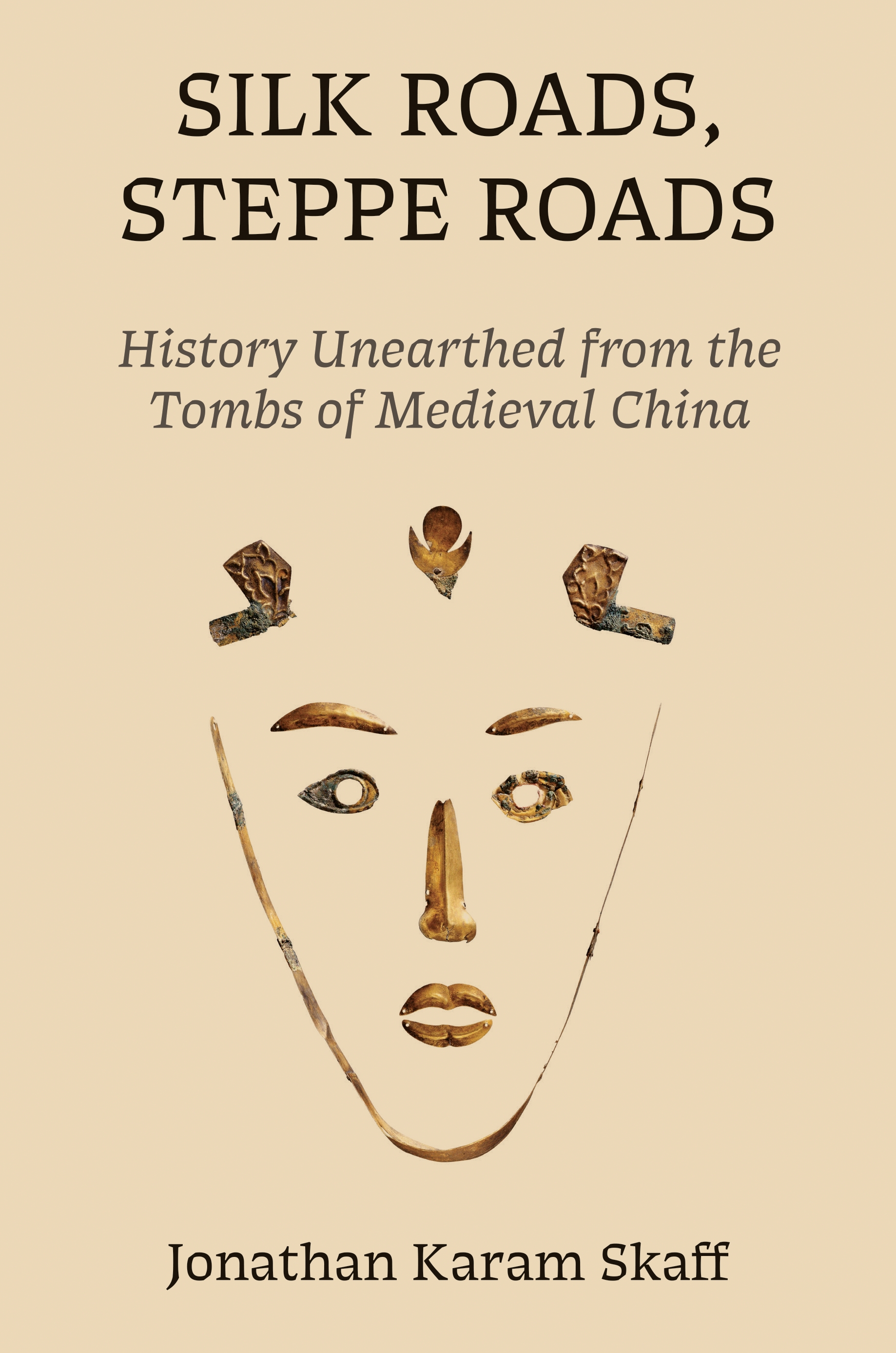
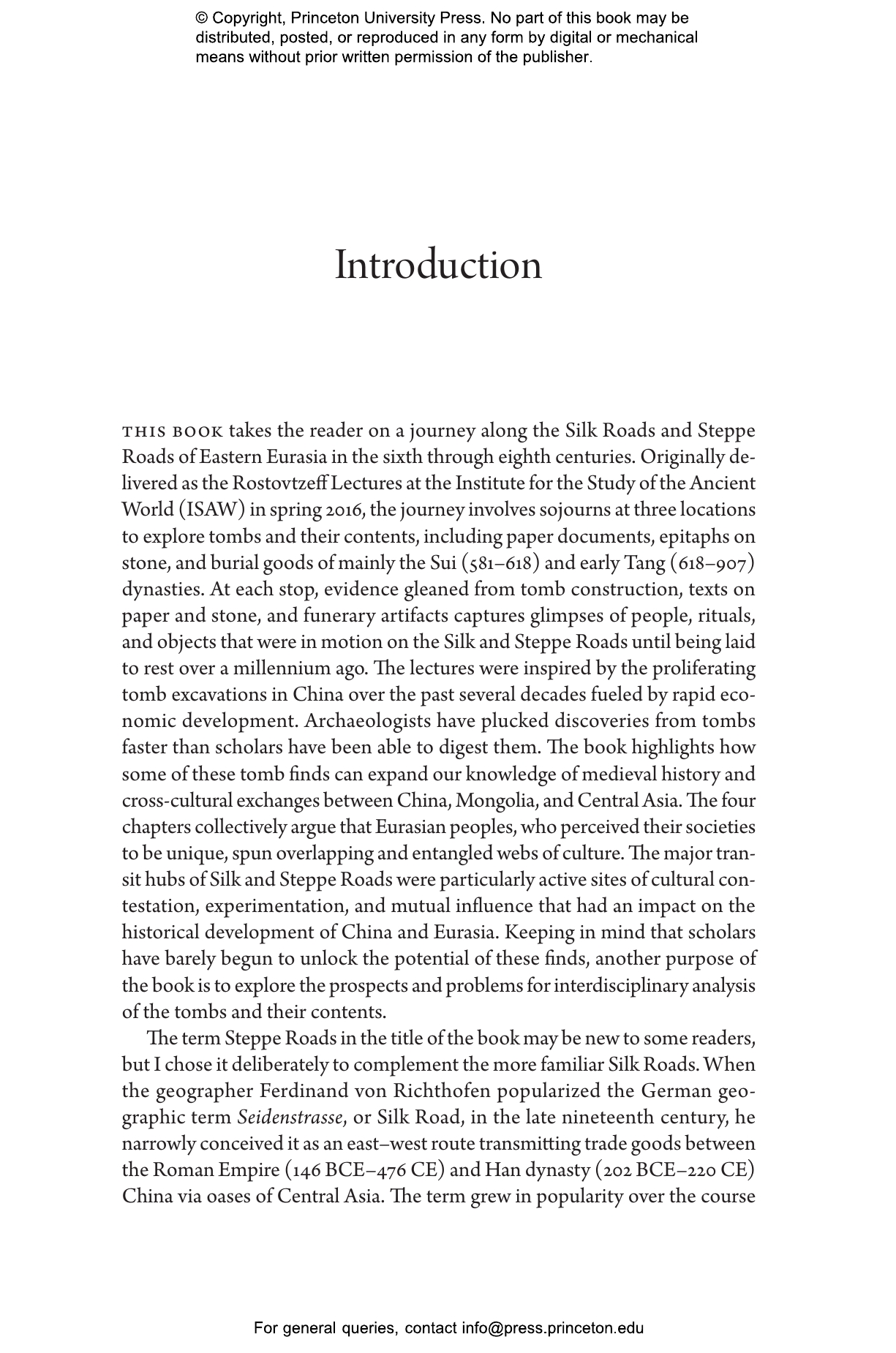
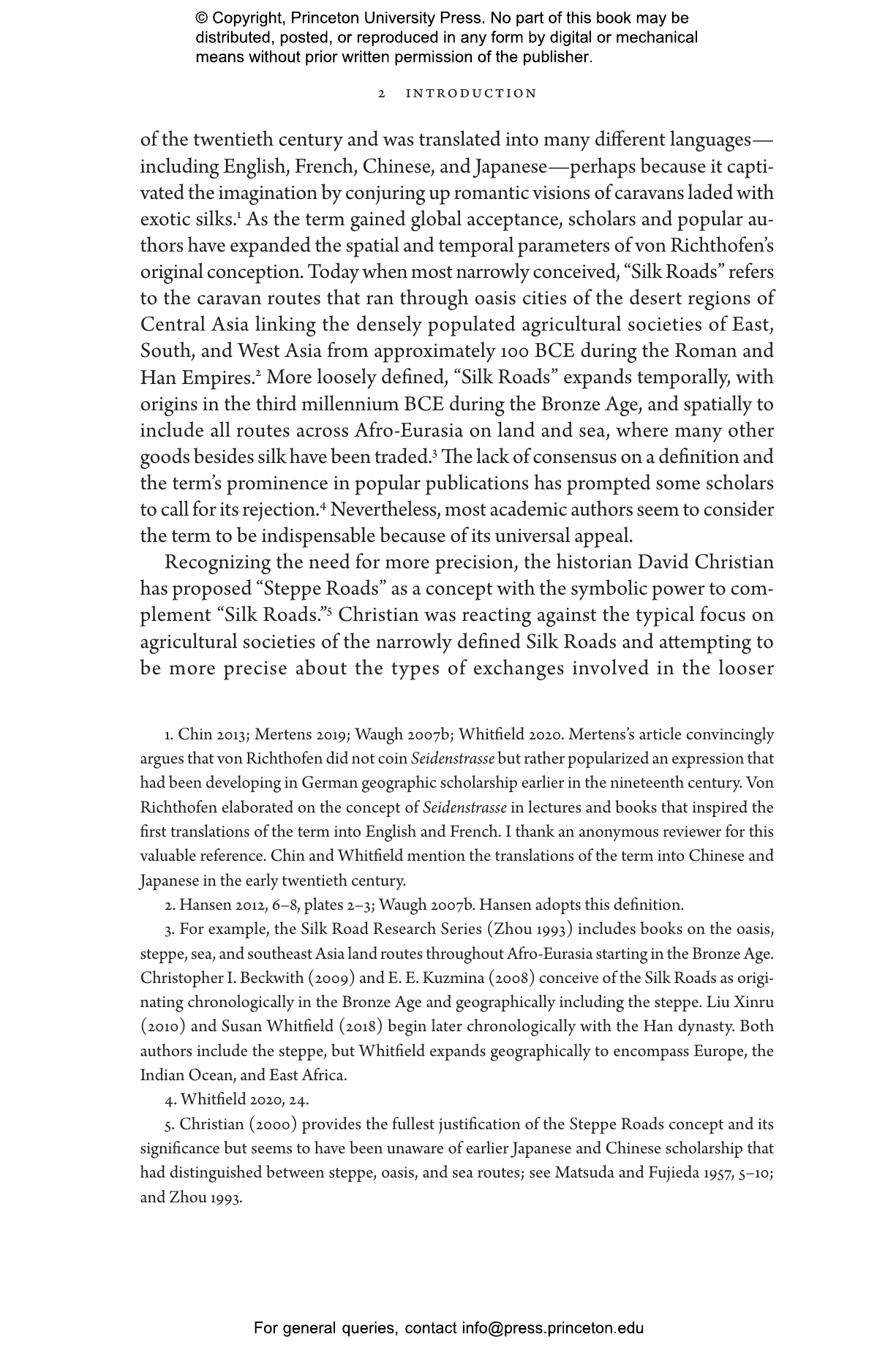
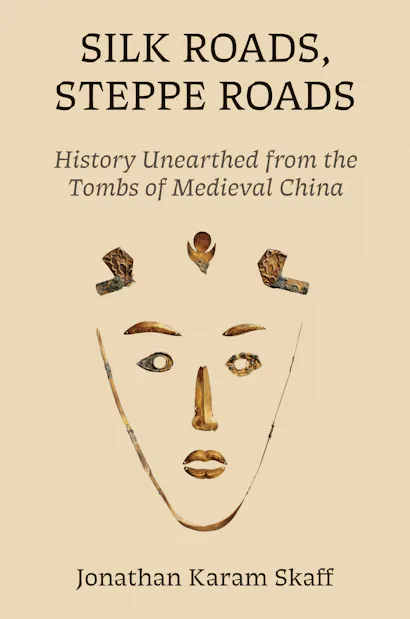
Silk Roads, Steppe Roads takes the reader on a journey to three sites in northwestern China and Mongolia to investigate medieval Chinese tombs containing evidence of Eastern Eurasian cultural contacts and exchanges. The construction, artifacts, and texts on paper and stone found at these tombs of the Sui (581鈥�618) and early Tang (618鈥�907) dynasties reveal glimpses of people, rituals, and objects that were in motion on the Silk and Steppe roads until being laid to rest over a millennium ago.
Jonathan Karam Skaff shows how the major transit hubs of the Silk and Steppe roads were particularly active sites of cultural contestation, experimentation, and mutual influence that had an impact on the historical development of China and Inner Asia. Challenging the idealized image of the Silk Road, he also examines travel permits and sales contracts that document the trade of enslaved people over the route.
Innovatively drawing on both textual and archaeological sources, Silk Roads, Steppe Roads shows how Eurasian peoples, despite believing their societies to be unique, spun overlapping and entangled webs of culture.
Jonathan Karam Skaff is professor emeritus of history at Shippensburg University of Pennsylvania. He is the author of Sui-Tang China and Its Turko-Mongol Neighbors: Culture, Power, and Connections.
“This book is a major step forward in our historical knowledge of cultural change, assimilation, and adaptation in Tang China. Skaff’s meticulous study of written and material evidence proposes a rich and varied picture of a time in which China was especially open to foreign influence. The book's wide-ranging investigation of archaeological remains sets a new standard for future interpretations of the role and meaning of what is called the 'Silk Road' in medieval China.”—Nicola Di Cosmo, coauthor of Venice and the Mongols: The Eurasian Exchange That Transformed the Medieval World
“This is a book of tremendous importance, offering a much more accurate and human picture of life in medieval Eurasia than we have had before. Jonathan Skaff skillfully demonstrates the complexity of identities of many different figures, ranging from enslaved people and borderland herders to government interpreters and elite nomadic leaders. Using textual and material sources drawn from archaeological discoveries in medieval East Eurasian tombs in the past few decades, many of which have not been seriously treated in English before, Skaff makes an original argument for the complicated nature of transregional and transcultural exchanges, uncovering a previously unknown world.”—Xin Wen, author of The King’s Road: Diplomacy and the Remaking of the Silk Road
“Written with great clarity and skillfully using evidence from written and archaeological sources, Silk Roads, Steppe Roads offers profound insights into the organization of daily life in medieval Eastern Eurasia.”—Shing Mu虉ller, Ludwig Maximilian University of Munich
“An important contribution to the field.”—Susan Whitfield, author of Silk, Slaves, and Stupas: Material Culture of the Silk Road