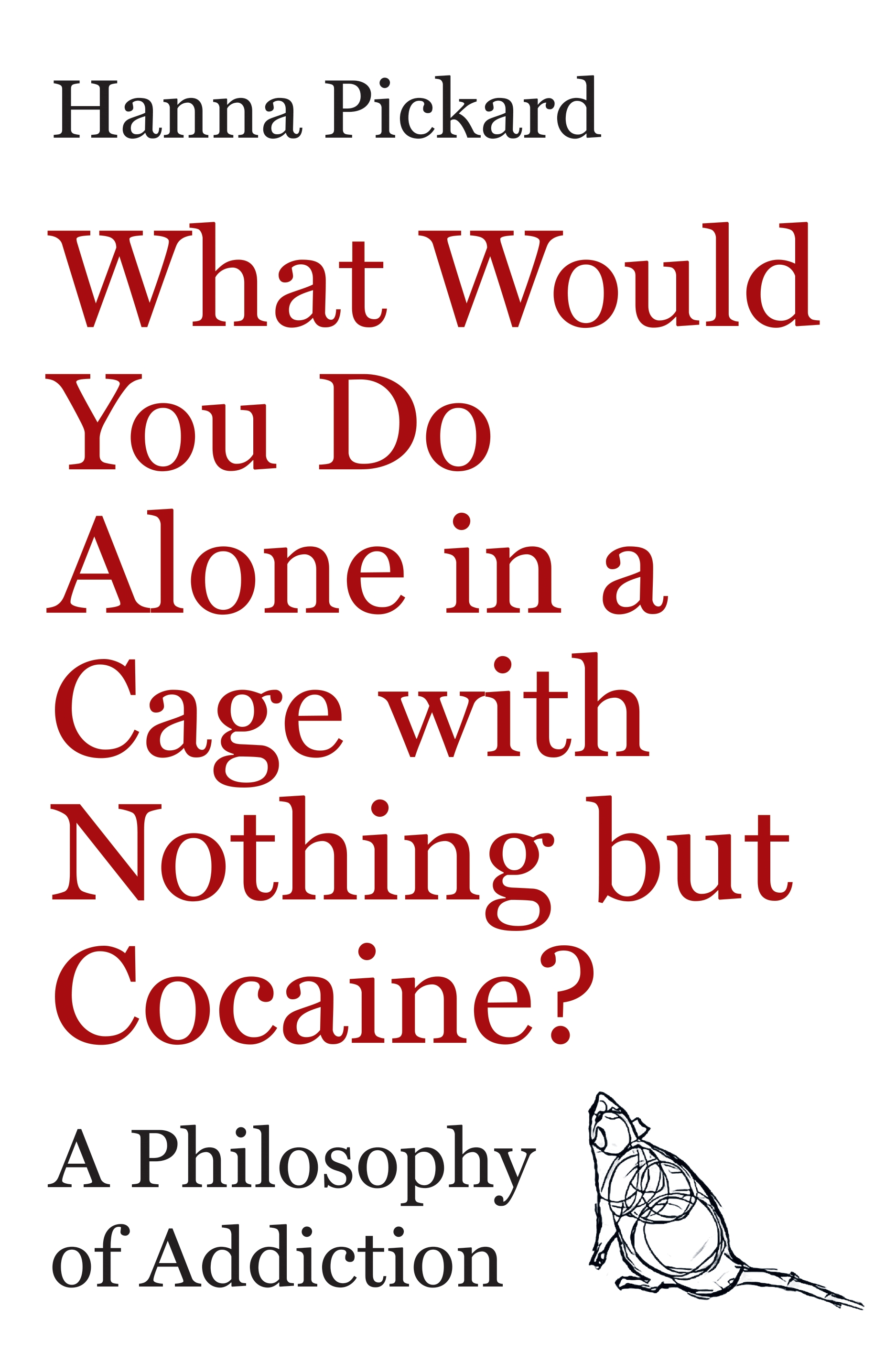
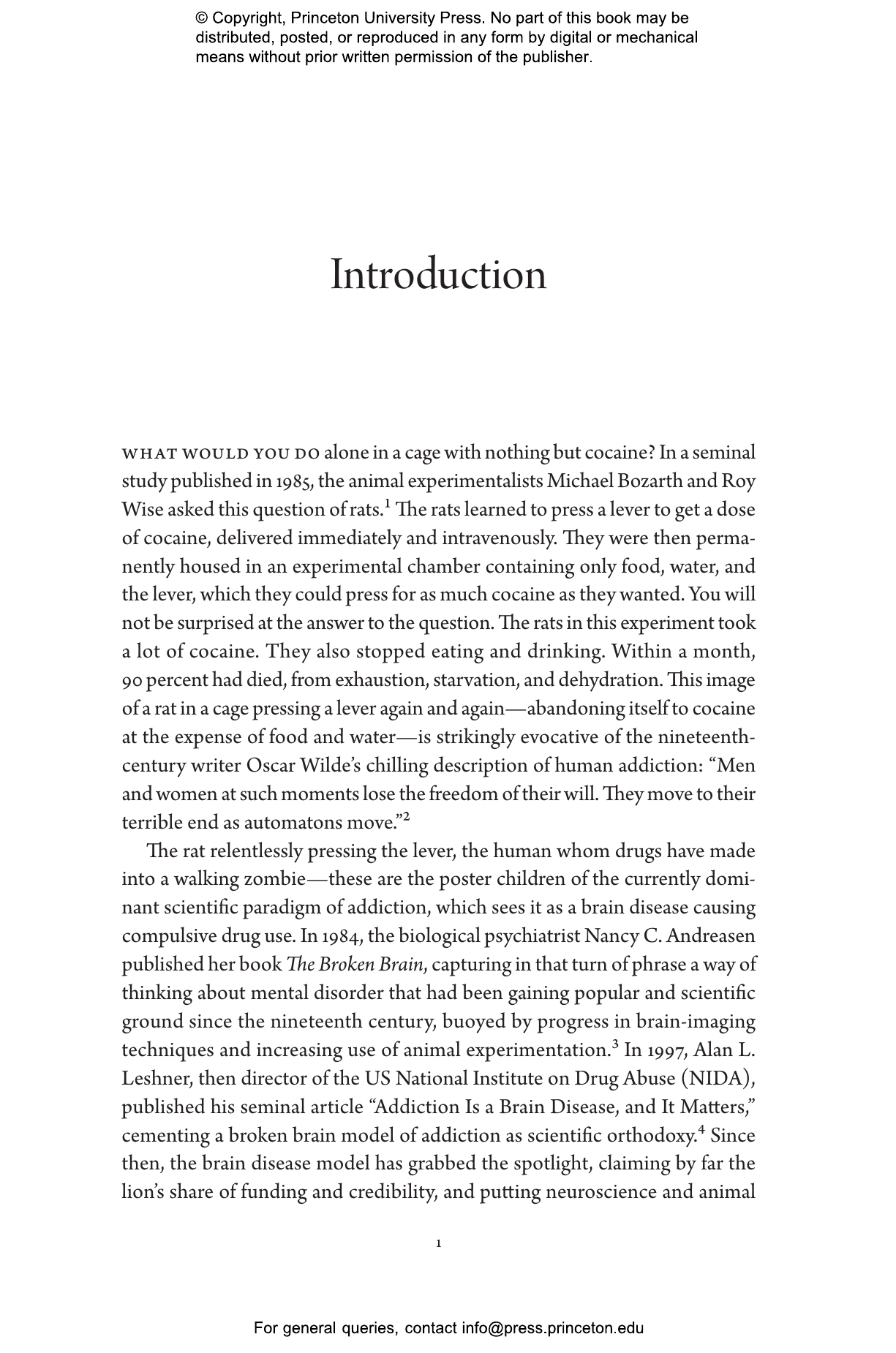
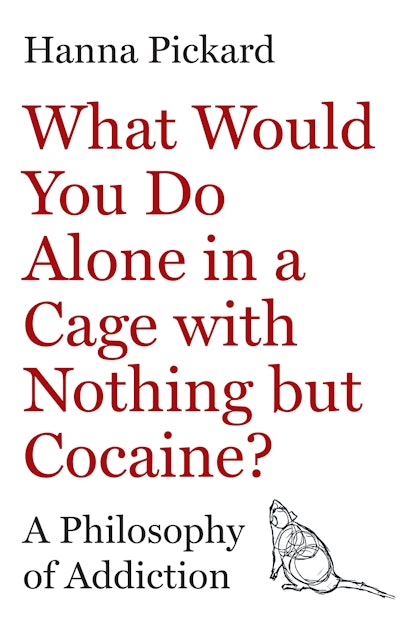
Why do people with addiction use drugs self-destructively? Why don鈥檛 they quit out of self-concern? Why does the rat in the experiment, alone in a cage, press the lever again and again for cocaine鈥攖o the point of death? In this pathbreaking book, Hanna Pickard proposes a new paradigm for understanding the puzzle of addiction. For too long, our thinking has been hostage to a false dichotomy: either addiction is a brain disease, or it is a moral failing. Pickard argues that it is neither, and that both models stifle addiction research and fail people who need help.
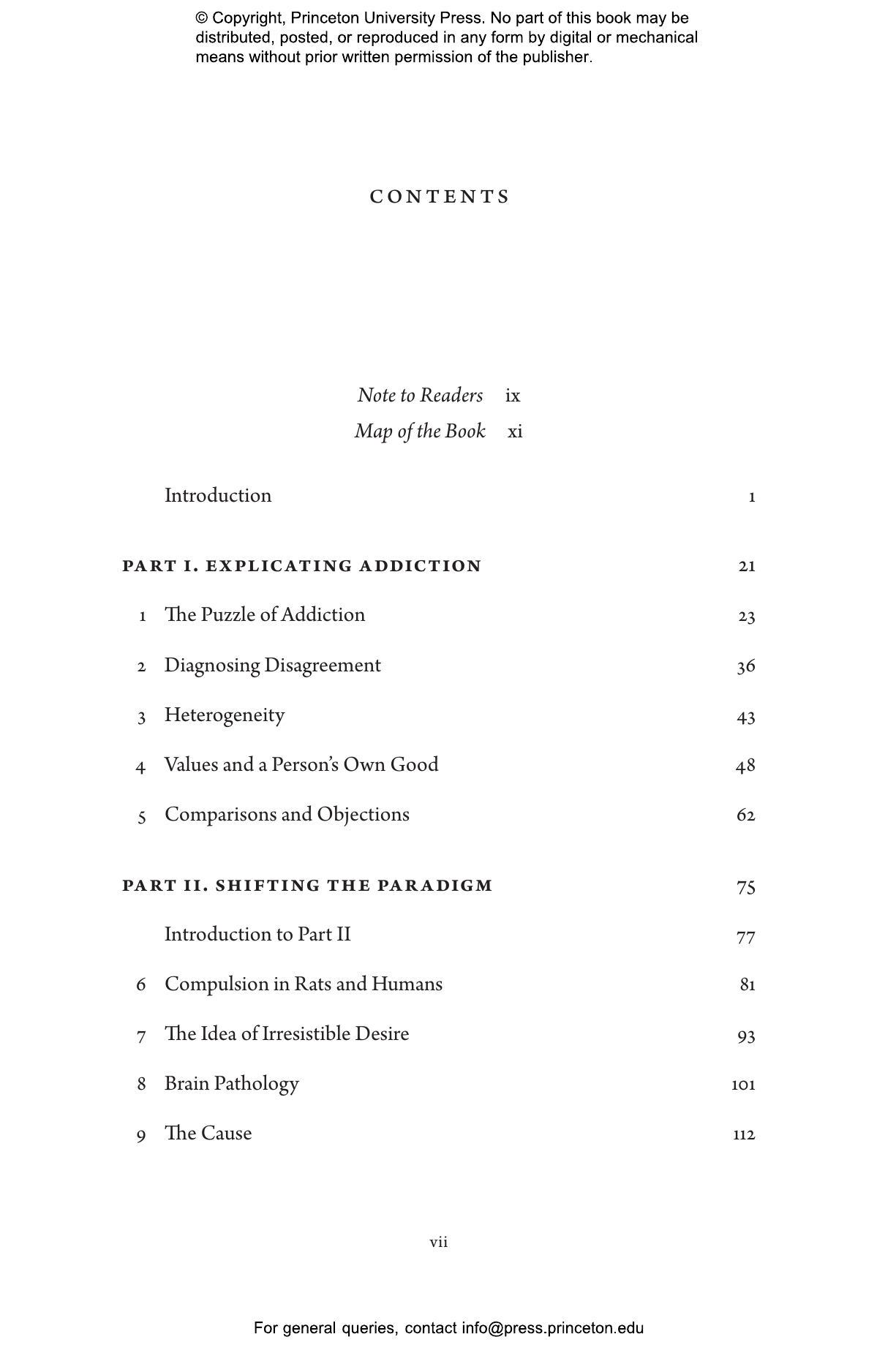
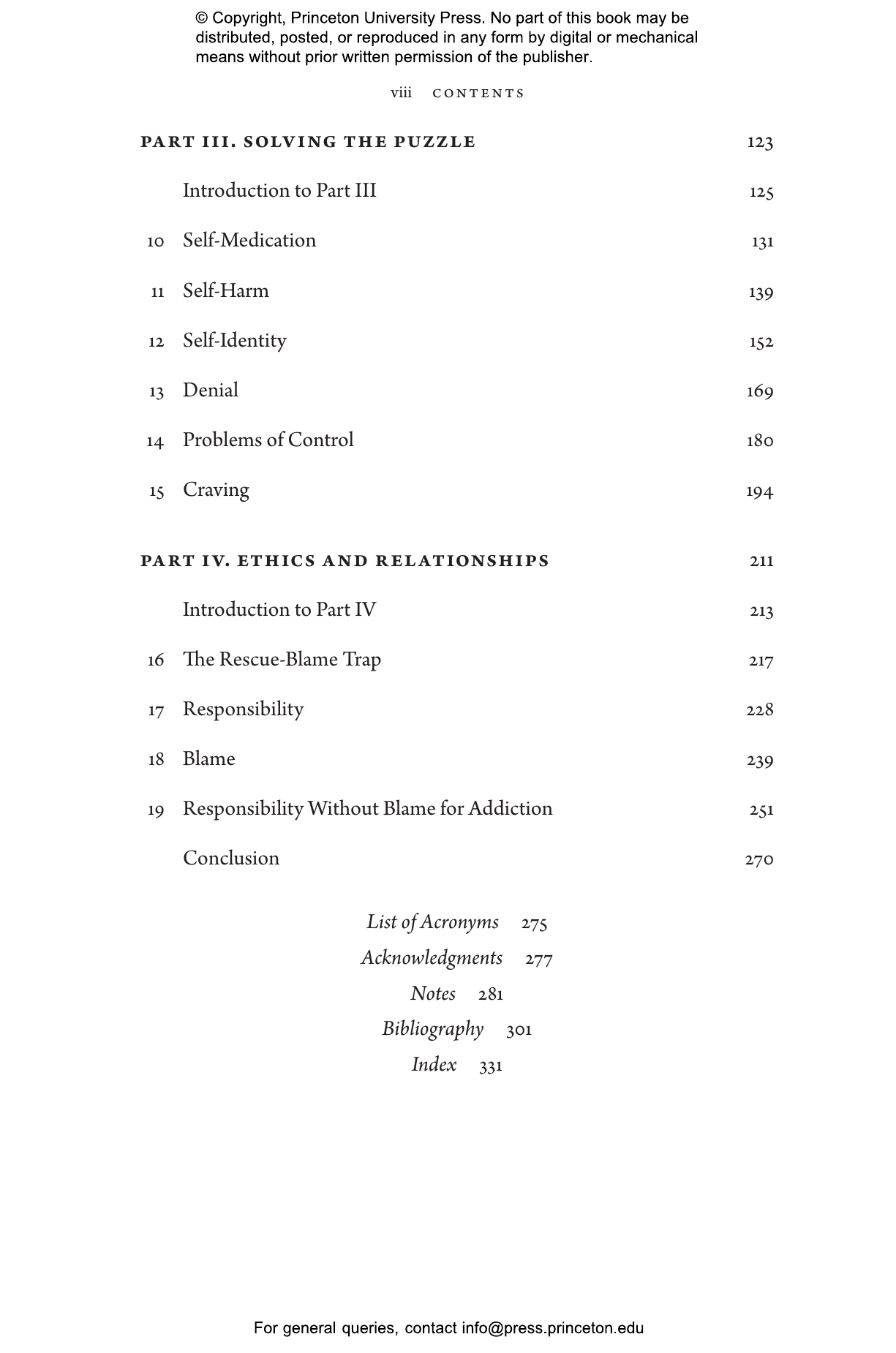
Drawing on her expertise as an academic philosopher and her clinical work in a therapeutic community, Pickard explores the meaning of drugs for people with addiction and the diverse factors that keep them using despite the costs. People use drugs to cope with suffering鈥攂ut also to self-harm, or even to die. Some identify as 鈥渁ddicts,鈥� while others are in denial or struggle with cravings and self-control. Social, cultural, and economic circumstances are crucial to explaining addiction鈥攂ut brain pathology may also matter. By integrating addiction science with philosophy, clinical practice, and the psychology and voices of people with addiction themselves, Pickard shows why there is no one-size-fits-all theory or ethics of addiction. The result is a heterogeneous and humanistic paradigm for understanding and treating addiction, and a fresh way of thinking about responsibility, blame, and relationships with people who use drugs.
"A brilliant and compelling contribution...that has the potential to reframe the public’s understanding of drug use and addiction. . . . It is a text rooted in radical compassion that supports autonomy, promotes responsibility without blame, and highlights the various factors that can cause and maintain an individual’s substance use over time."鈥擟assandra L. Boness, Science
"[This book] has changed my understanding of my habits—and maybe it will change yours, too."鈥擩acob Rosenberg, Mother Jones
"Pickard convincingly shows that while the diseased brain model aimed to destigmatize addiction, it has largely failed to do so while amplifying some addicts’ pessimism about recovery. Addiction researchers and clinicians will be enlightened."鈥�Publishers Weekly
"Anyone confronting addiction would do well to read Hanna Pickard’s new book, which should change how ordinary people and clinicians think about it. One important insight is that often a cure for addiction depends on the addict finding a new identity, other than that of being an addict. This is a book by a philosopher, based on experience in a therapeutic setting, that has the actual potential to save lives."鈥擝rian Leiter, Leiter Reports
"This book isn’t the usual book about addiction. . . . nobody seems to be able to agree on what addiction even is, or what domain of knowledge its study belongs to. Who better than a philosopher to kick the tyres of our uninterrogated intuitions and received ideas?"鈥擲am Leith, The Pharmakon
"Intellectually rigorous and deeply humane…quietly revolutionary."鈥擩esse Munton, Times Literary Supplement
"Pickard’s thoughtful view presents a challenging alternative to much present-day thinking about addiction causation and rehabilitation."鈥�Choice
“A bold, riveting, and moving invitation to rethink much of what we take ourselves to know about addiction—its causes, its treatment, and its meaning to those who live with it. Hanna Pickard is brilliant and humane.”—Amia Srinivasan, author of The Right to Sex: Feminism in the Twenty-First Century
“This is a rich and humane book that I recommend to anyone who deals with the hard problem of addiction, whether through lived experience, as a family member, a professional, or all three. Instead of a ‘war’ on drugs, Pickard compellingly argues for a different relationship with the drugs we use and misuse, one that involves responsibility without blame.”—Gwen Adshead, coauthor of The Devil You Know: Encounters in Forensic Psychiatry
“A brilliantly argued, scientifically informed, compassionate, courageous, and ethically urgent explication of addiction. Pickard’s look at how addiction relates to human welfare and to our conception of the good will change your understanding not only of the addict in the park, but of yourself, your friends and family, and of what it means to be human.”—Eldar Shafir, coauthor of Scarcity: The New Science of Having Less and How It Defines Our Lives
“Hanna Pickard is the only philosopher in the world (I suspect in history) to have devoted a quarter century to developing deep expertise across all aspects of addiction research, including doing clinical work herself. The result is this brilliant masterpiece—a synoptic, comprehensive, state-of-the-art exploration of how we can best explain the puzzle of addiction.”—Owen Flanagan, author of What Is It Like to Be an Addict?: Understanding Substance Abuse
“For neuroscientists, this book is an incredibly important reminder that studying addiction is studying behavior—how people evaluate the costs and benefits of their actions, and how beliefs and desires translate to decisions. For clinicians, it provides an accessible summary of scientific knowledge and an eye-opening assessment of why some treatments work while others are doomed to fail. And for anyone who cares about a person who is addicted (which could be yourself), Hanna Pickard offers an actionable blueprint for how to help. We all have agency in solving the problem of addiction.”—Yael Niv, 快色直播 University
“A powerful alternative perspective, this book considerably expands the scope of psychological intelligibility in addiction and allows us to see, more clearly than ever before, those aspects of addiction that are uniquely unexplainable by psychology. It is dazzling in the logic of its argumentation, the breadth of its scholarship, the brilliance of its thinking, the elegance of its style, and, last but not the least, the depth of its humanity. If this stance were known and adopted more widely, it would surely make our world a happier, more just, and more peaceful place.”—Serge Ahmed, research director at the French National Centre for Scientific Research (CNRS)