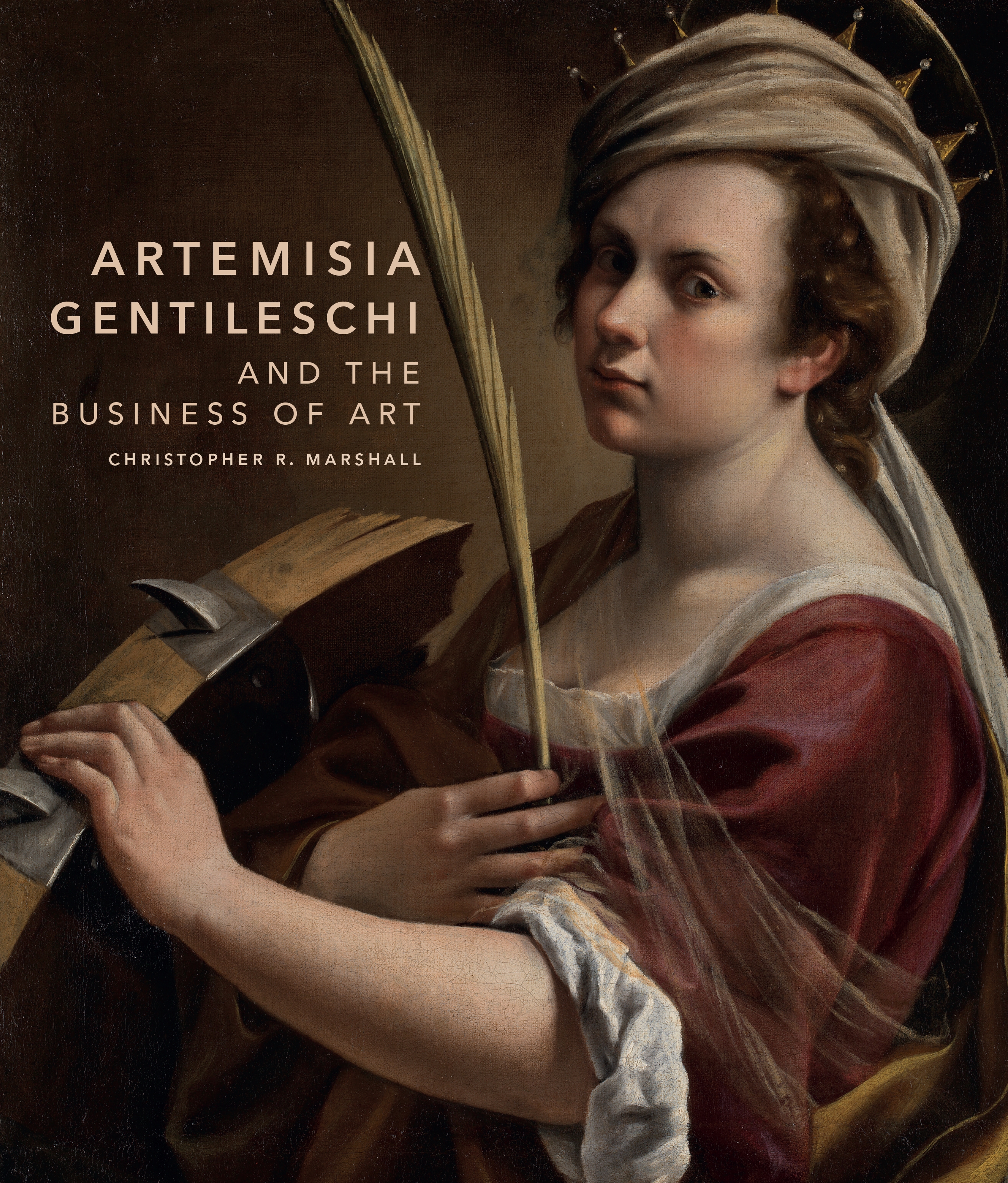
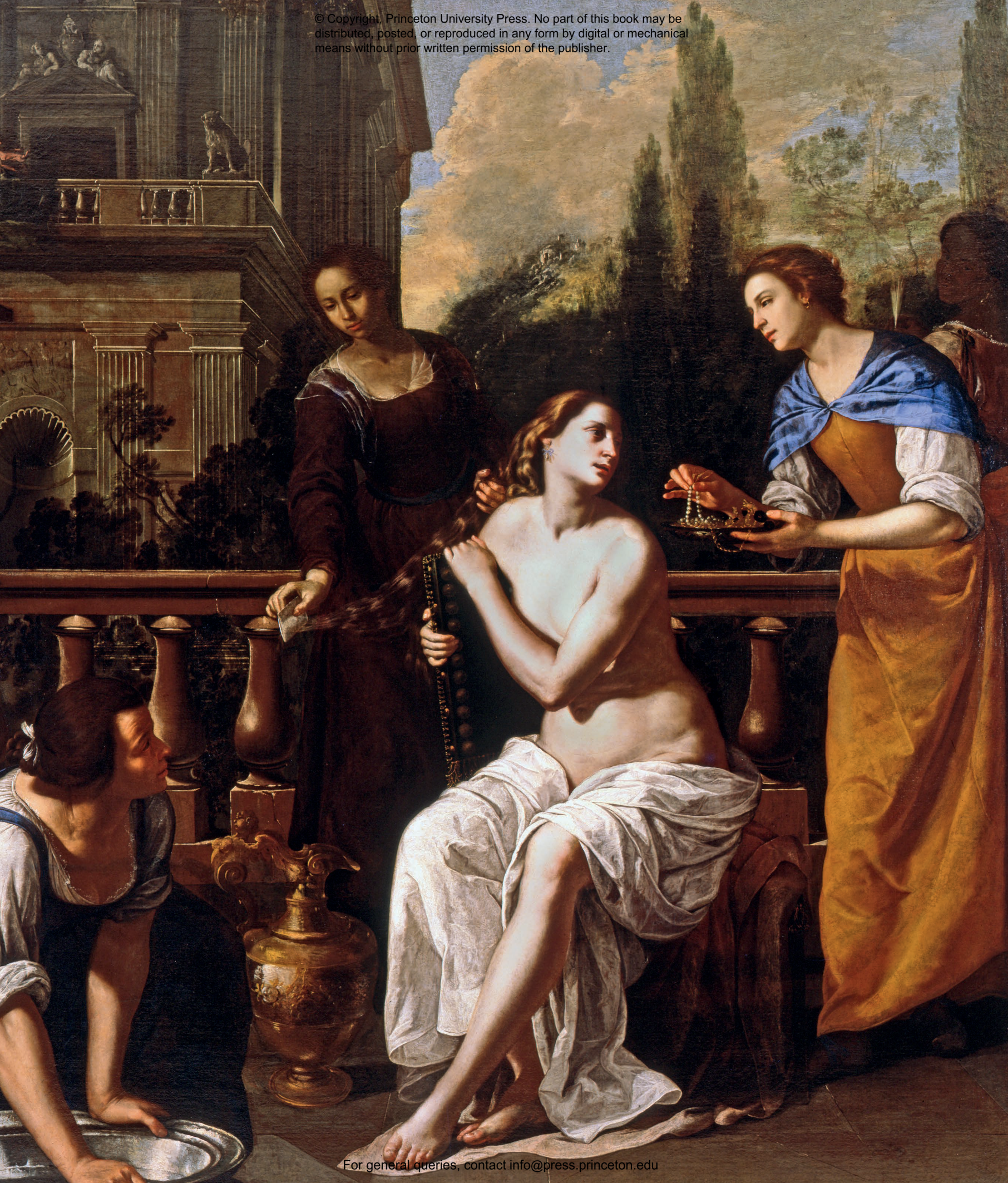
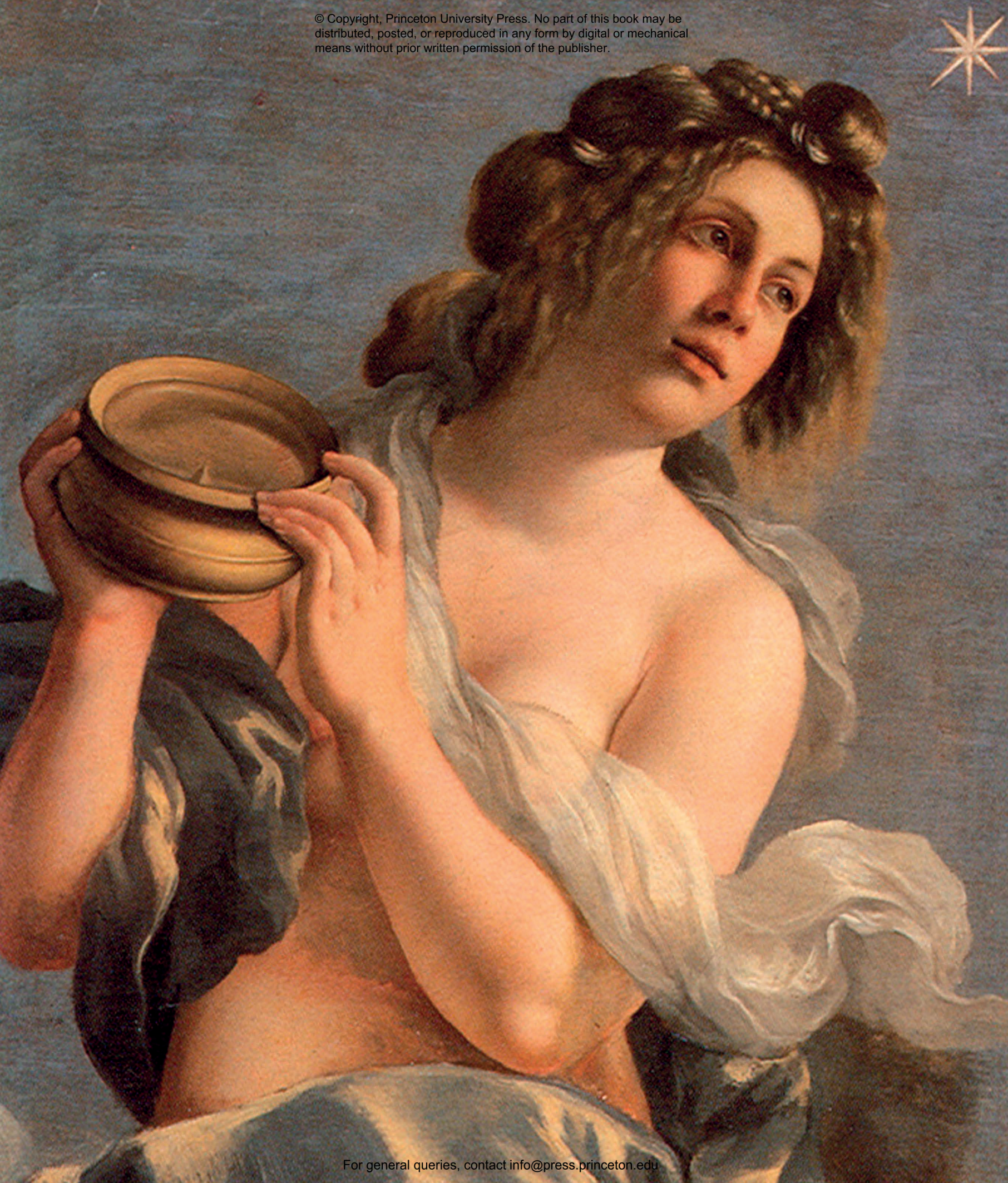
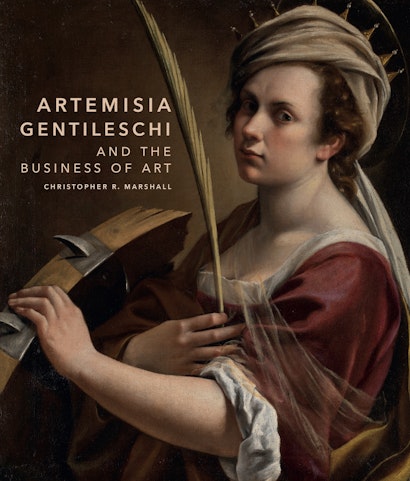
Art has long been viewed as a calling鈥攁 quasi-religious vocation that drives artists to seek answers to humanity鈥檚 deepest questions. Yet the art world is a risky, competitive business that requires artists to make strategic decisions, especially if the artist is a woman. In Artemisia Gentileschi and the Business of Art, Christopher Marshall presents a new account of the life, work, and legacy of the Italian Baroque painter, revealing how she built a successful four-decade career in a male-dominated field鈥攁nd how her business acumen has even influenced the resurrection of her reputation today, when she has been transformed from a footnote of art history to a globally famous artist and feminist icon.
Combining the most recent research with detailed analyses of newly attributed paintings, the book highlights the business considerations behind Gentileschi鈥檚 development of a trademark style as she marketed herself to the public across a range of Italian artistic centers. The disguised self-portraits in her early Florentine paintings are reevaluated as an effort to make a celebrity brand of her own image. And, challenging the common perception that Gentileschi鈥檚 only masterpieces are her early Caravaggesque paintings, the book emphasizes the importance of her neglected late Neapolitan works, which are reinterpreted as innovative responses to the conventional practices of Baroque workshops.
Artemisia Gentileschi and the Business of Art shows that Gentileschi鈥檚 remarkable success as a painter was due not only to her enormous talent but also to her ability to respond creatively to the continuously evolving trends and challenges of the Italian Baroque art world.
Awards and Recognition
- Winner of the Best Book Award, Society for the Study of Early Modern Women and Gender
Christopher R. Marshall is associate professor of art history, curatorship, and museum studies at the University of Melbourne. He is the author of Baroque Naples and the Industry of Painting, the editor of Sculpture and the Museum, and a contributor to Painting for Profit: The Economic Lives of Seventeenth-Century Italian Painters.
"Lavishly illustrated in color. . . . [Artemisia Gentileschi and the Business of Art] is incredibly well researched . . . and features extensive tables mapping known payments to the artist and references to her paintings in early Neapolitan and Southern Italian primary sources; the index is also comprehensive. Written so that it is accessible to broader audiences, this book is appropriate and recommended for all."鈥擜my Lazet, ARLIS/NA
"Artemisia Gentileschi and the Business of Art presents the most recent monograph on the well-received Baroque artist. Additionally, Marshall declares his goal to provide a new perspective through her business practices and their impact on her work and reputation. . . . This concentration on Artemisia’s career in the city is much needed, and . . . . readers are also granted brief yet notable inclusions of works yet to appear in Artemisia’s scholarship."鈥擬argaret M. Barnes, Woman's Art Journal
"Tracing her brushstrokes from the first productions in her father’s studio to the afterlife of her deliberately and well-crafted image as an internationally acclaimed woman artist, Marshall presents enough evidence from historical records, the work of other scholars and the artwork itself to support his contention that Gentileschi set out to create an international trademark with herself as the logo."鈥擠eborah Feller, Renaissance Quarterly
"Scholarly and accessible, [Artemisia Gentileschi and the Business of Art] opens up welcome conversations on an important artist of growing recognition."鈥�Choice
“With measured and deeply informed steps, Christopher Marshall leads the reader through the entirety of Artemisia’s evolution over nearly four decades, setting her accomplishments in Rome, Florence, Venice, Naples, and London within a rich context of artistic production that confirms Artemisia’s resourcefulness and drive. More than ever, Artemisia Gentileschi emerges as an artistic survivor, a strategic thinker, and an agent of her own success.”—Elizabeth Cropper, author of The Domenichino Affair: Novelty, Imitation, and Theft in Seventeenth-Century Rome
“Artemisia Gentileschi and the Business of Art is an important and much-needed account of the artist’s career in light of the latest findings and in the broader context of artistic creation and the art market in seventeenth-century Europe. Marshall’s discussion of Artemisia’s unconventional workshop practices and collaborations in her later career provides the most persuasive explanation yet of the puzzling works she created in the 1640s and 1650s.”—Jesse M. Locker, author of Artemisia Gentileschi: The Language of Painting