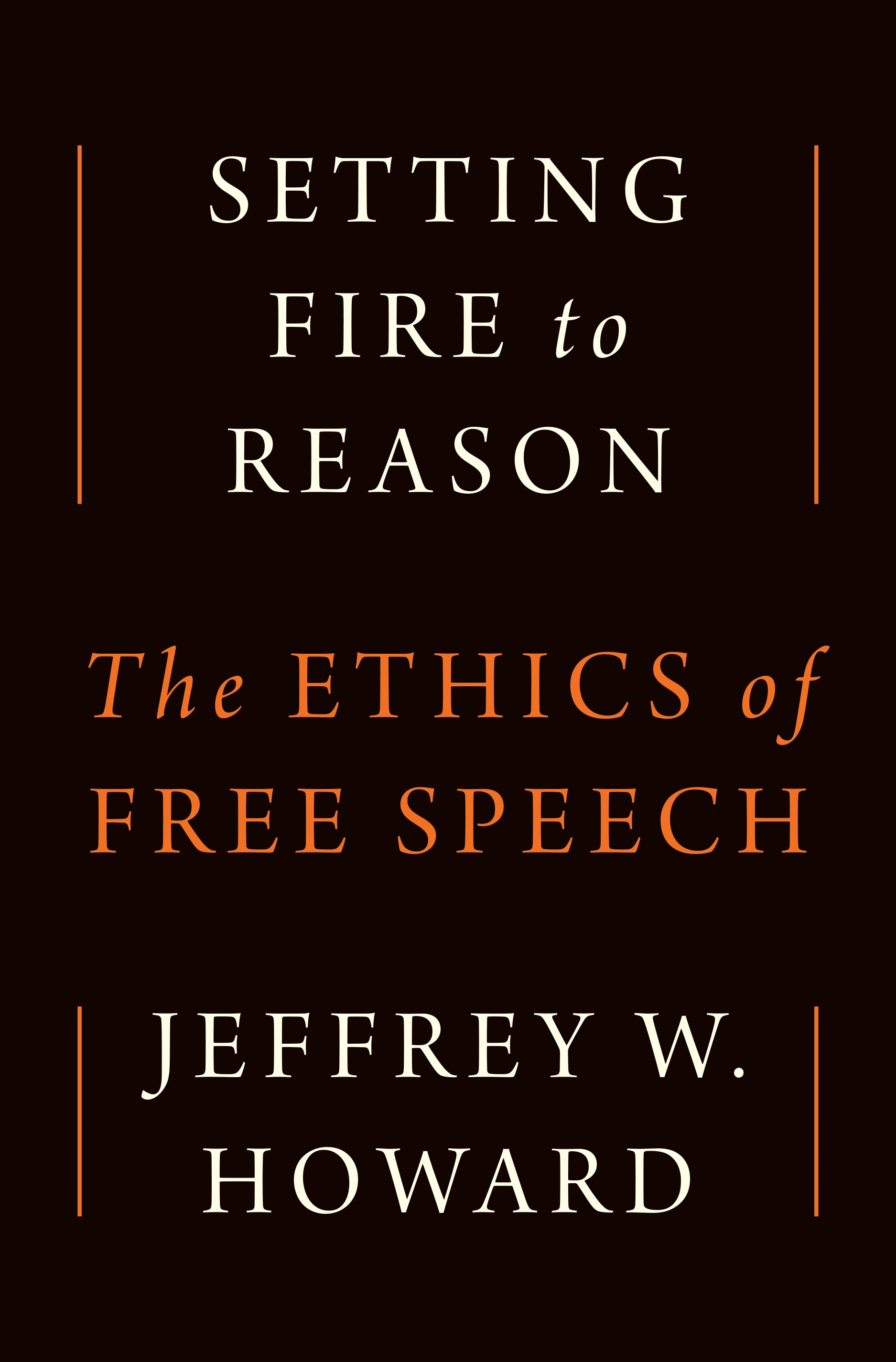
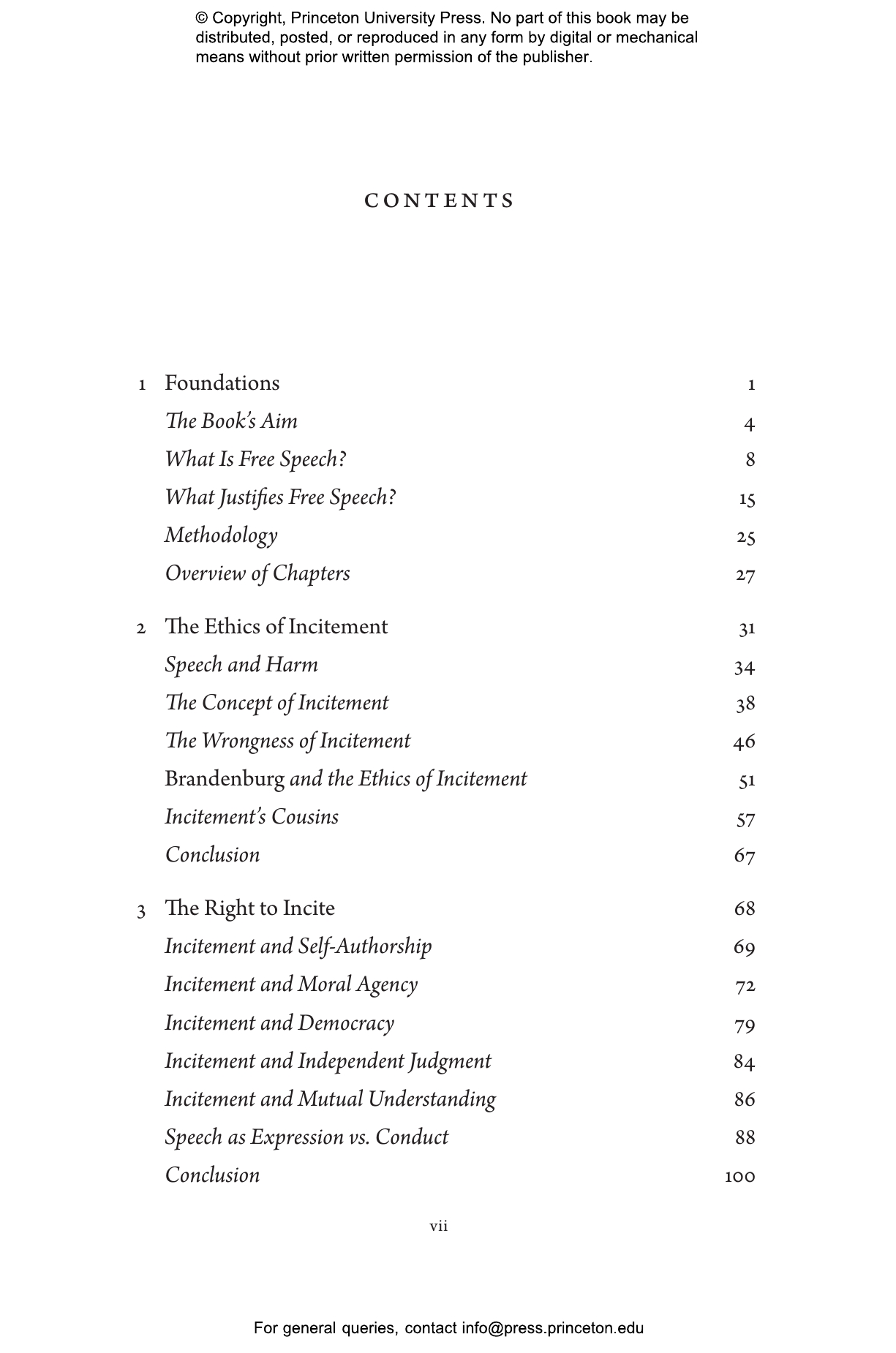
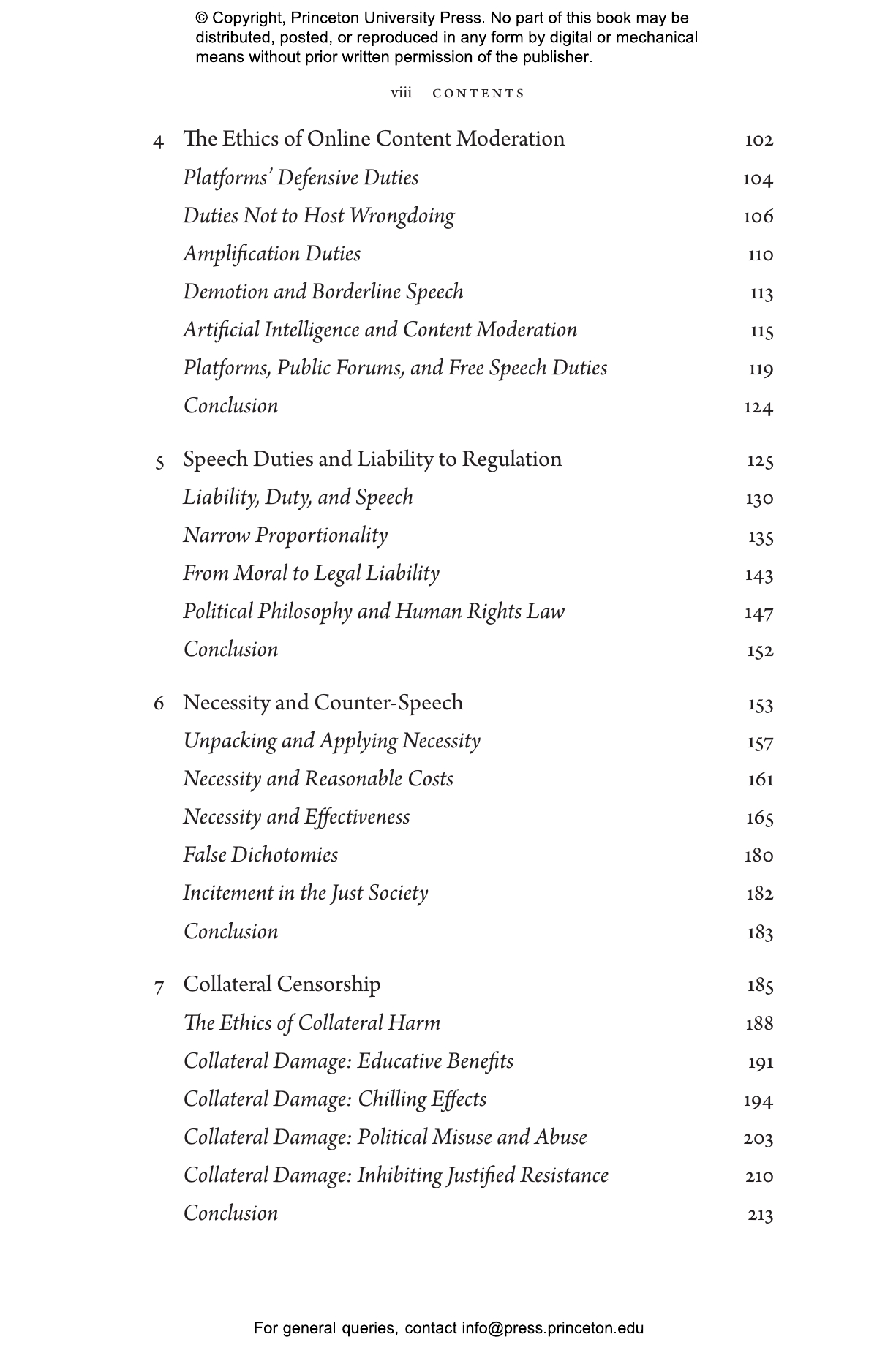
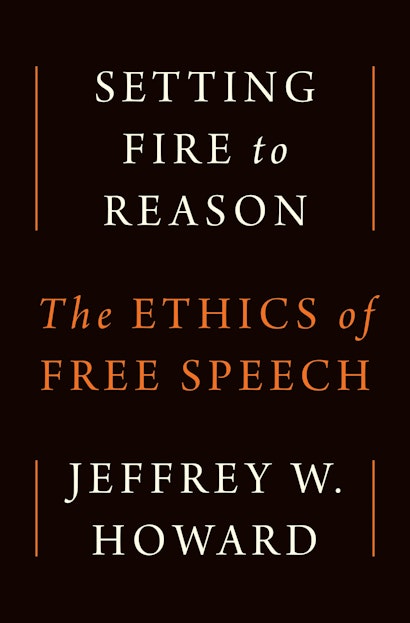
The debate over free speech is often marked by two extremes: in one corner, those who think that the right to free speech is nearly absolute; in the other, those who defend sweeping prohibitions on harmful speech. In Setting Fire to Reason, Jeffrey Howard rejects both extremes. He argues that free speech is among our most important moral rights, but鈥攍ike all rights鈥攊t has limits, determined by moral duties we owe to each other. Yet exactly how these moral limits should be translated into law is complex, depending on the particular speech regulation at issue and the risks of government abuse.
Using incitement as his central example of harmful speech, Howard sets out an integrated framework of speakers鈥� rights and duties, determining when and why speech restrictions can be justified. In developing this original theory, Howard pinpoints the ethical duties of social media platforms, assesses the role of counter-speech as a weapon against harmful communications, and explores how the law and morality of free speech can and should diverge.
Jeffrey W. Howard is professor of political philosophy and public policy at University College London, where he is director of the Digital Speech Lab. He is coeditor of the journal Political Philosophy.
“Jeffrey Howard offers by far the most compelling, deeply worked out, and sophisticated view of free speech and its limits available. By drawing on insights from the ethics of harm and self-defense and criminal law theory as well as fundamental debates in political philosophy, Howard fundamentally transforms the way in which free speech is investigated philosophically. It is sharply written, carefully thought through, deeply researched, and convincing. Setting Fire to Reason is an outstanding achievement that secures Howard's reputation as one of the very best political philosophers working today.”—Victor Tadros, author of To Do, To Die, To Reason Why
“How should a liberal democracy respond to speech that makes violence thinkable—and then doable? Jeffrey Howard refuses the stale choice between absolutism and censorship. Setting Fire to Reason is a major contribution to the ethics of free speech, and the most systematic account I know of what duties and liabilities attach to harmful speech once we take seriously how platforms route attention and intensify reach. It is unusually disciplined normative work: ambitious in scope, precise in its distinctions, and difficult to shake once you’ve seen the structure. The book is as attentive to institutional overreach as it is to the moral stakes of speech that targets others’ security and equal standing. It also delivers on its practical promise: Howard offers a framework legislators, courts, and tech leaders can use without surrendering principle.”—Eric Beerbohm, Harvard University, author of In Our Name: The Ethics of Democracy
“Jeffrey Howard has written the book on free speech that this moment requires. His deep philosophical commitments, coupled with his knowledge of free-speech regimes across the globe, yield a careful yet provocative account of free speech that transcends national boundaries. This book is essential reading for anyone embedded in legal or philosophical debates about free expression—and for anyone who wrestles with the limits of free speech in our technological and political times.”—Leslie Kendrick, University of Virginia Law School, coauthor of Tort Law: Responsibilities and Redress
“A timely and ambitious investigation into the ethics of free speech, defending a distinctive liberal ideal, while confronting the challenge of harmful speech that 'sets fire to reason' through inciting violence. Howard develops a nuanced argument about the interplay of moral and legal obligations, with important consequences for the responsibilities of speakers, hearers and platforms.”—Rae Langton, University of Cambridge, author of Sexual Solipsism: Philosophical Essays on Pornography and Objectification