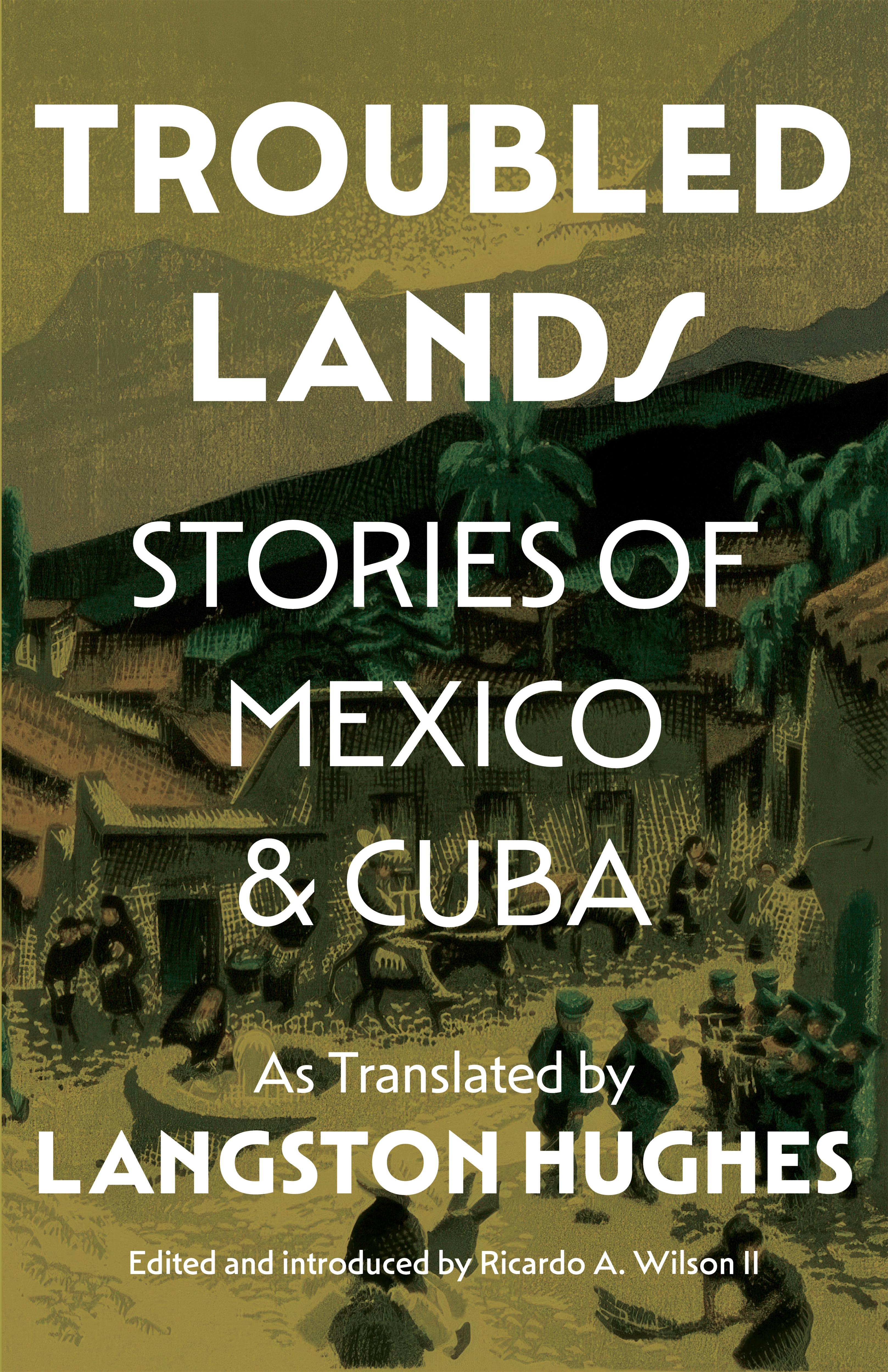
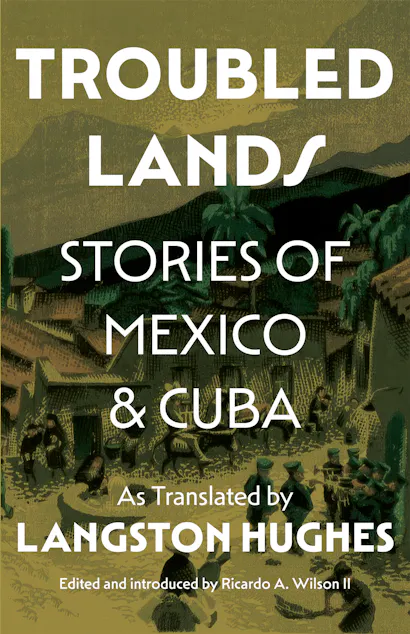
In late 1934, Langston Hughes, already established as a leading voice of literary Black America, traveled to Mexico City, where he stayed for more than five months and began translating short fiction by prominent Mexican and Cuban writers. These stories, as he wrote to a friend, explore 鈥渢he revolutions and uprisings, sugar cane, Negroes, Indians, corrupt generals, [and] American imperialists,鈥� and are 鈥渕ostly all left stories, because practically all the writers down here are left these days.鈥� But when Hughes proposed publishing the stories as a book, to be titled Troubled Lands, his agent discouraged him from further pursuing the project and it remained unpublished, until now, with only a handful of the translations making their way into contemporary magazines. This volume presents Hughes鈥檚 translations of these stories together for the first time as he originally envisioned. Edited by Ricardo Wilson, the book also features an introduction and brief biographies of the included writers.
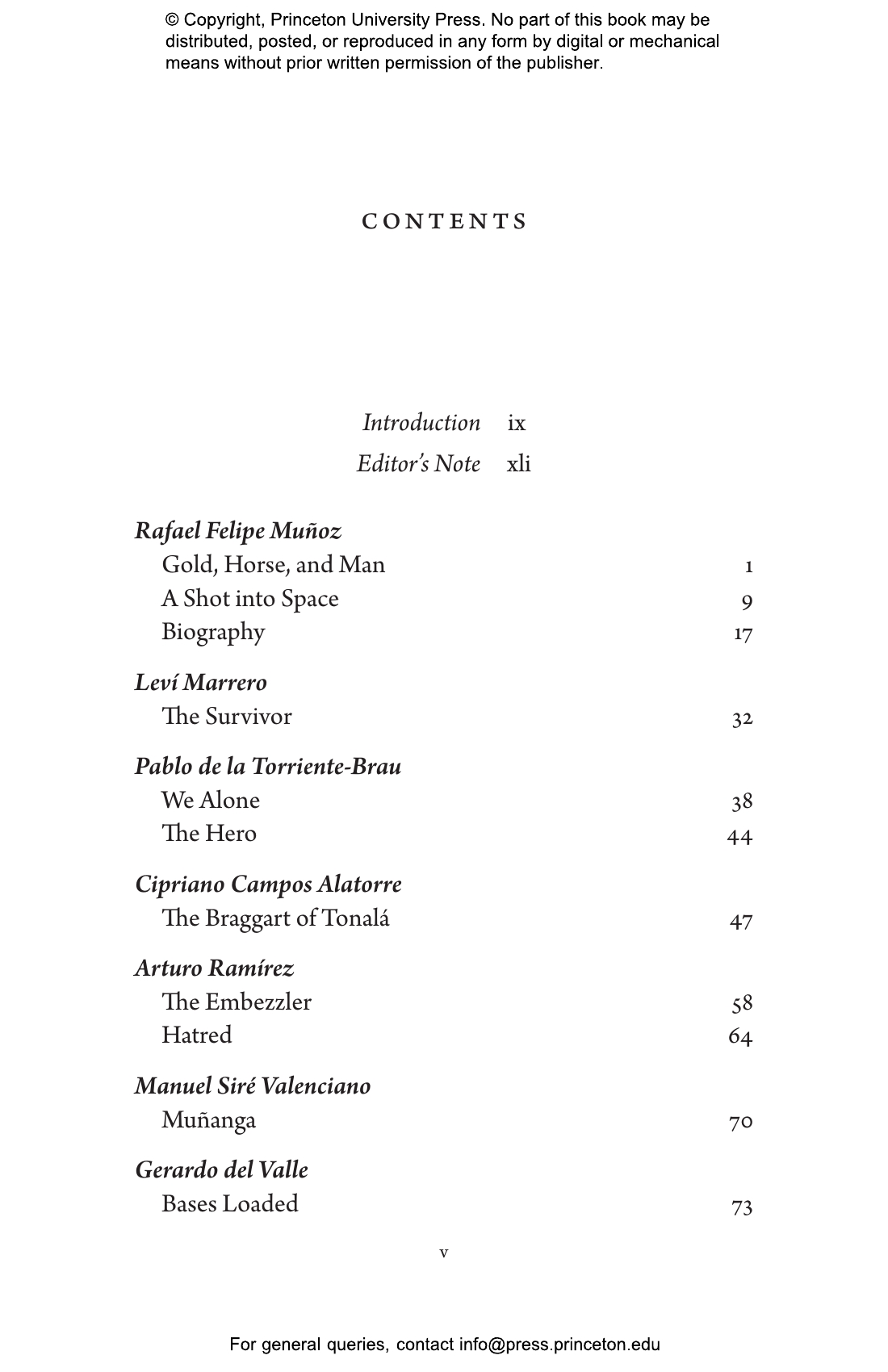
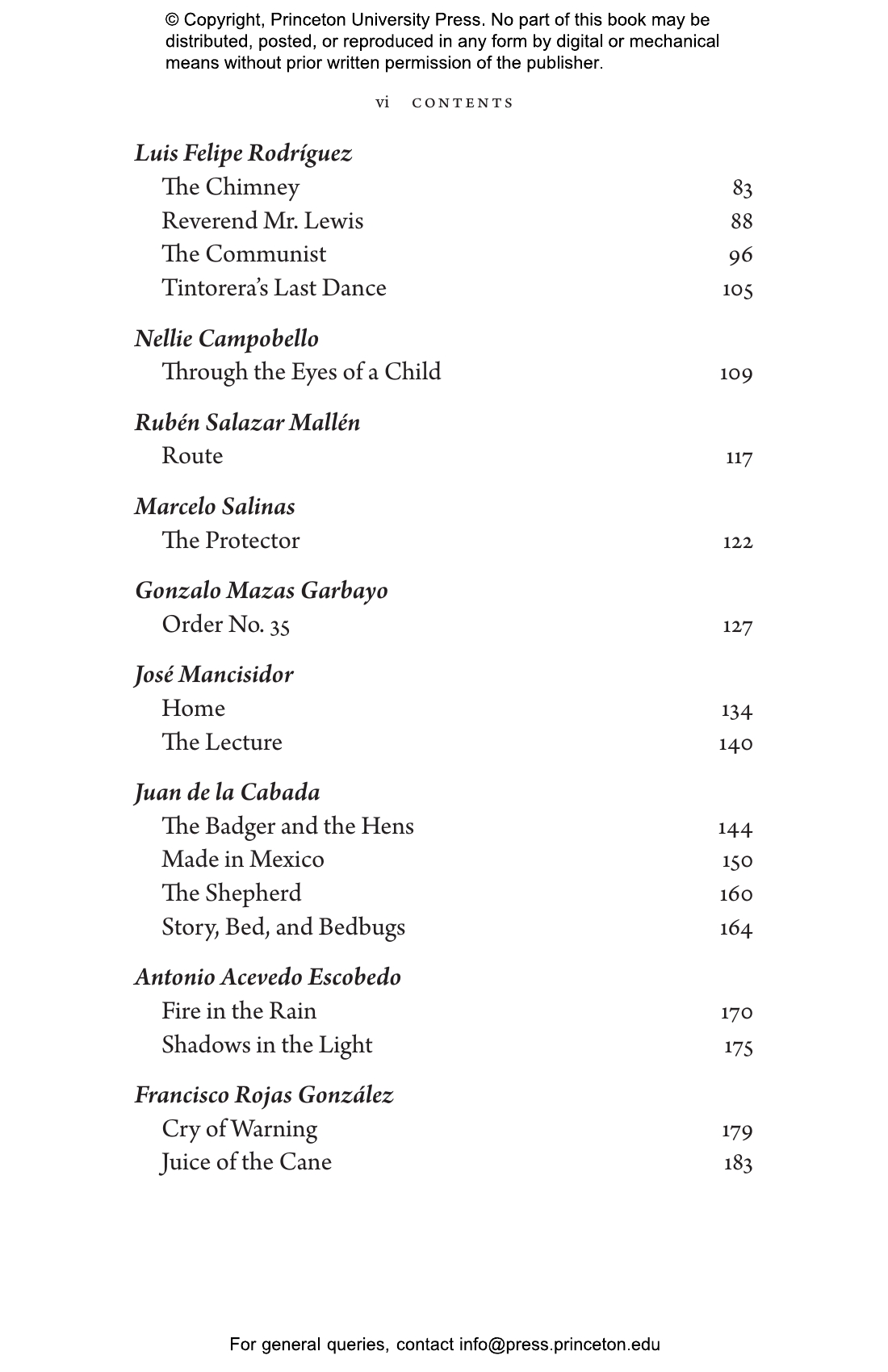
Troubled Lands features thirty-three stories by eighteen writers, including Rafael Felipe Mu帽oz, Nellie Campobello, Lino Nov谩s Calvo, Luis Felipe Rodr铆guez, Germ谩n List Arzubide, Pablo de la Torriente-Brau, and Juan de la Cabada. The collection depicts Mexico in the wake of its revolution and Cuba in the years between the brutal regimes of Machado and Batista.
Hughes was a noted translator of poetry, but his commitment to translating fiction is less well known. Troubled Lands provides a window into this important dimension of his work and illuminates his deep interest in Mexico and Cuba.
"Highly recommend. . . . [A] great book."鈥擩o Livingstone, Reading Writers podcast
"It is wondrous . . . to read a newly published work translated by one of the greatest writers in the English language. . . . Framed by a wonderfully informative introduction. . . . Troubled Lands not only calls attention to Hughes’s underappreciated talent as a translator, but rightfully delivers these stories which, due to their radical political engagement, were once intercepted from reaching an English-speaking readership. Hughes’s immersion in the Mexican literary scene shows that the loss of such a publication precluded not only literary exchange and scholarship of Cuban and Mexican literature, but important hemispheric connections of solidarity across communities of writers on the left. To read it today is to wish that it had entered the record sooner, while also feeling that perhaps today is just the right time."鈥擫iliana Torpey, Asymptote Journal
"The publication of this book is undoubtedly a significant literary event."鈥擳erry Potter, The Letterpress Project
"This collection of short stories is a landmark—the first complete publication of Hughes’s translations from the Spanish of 33 stories by 18 Mexican and Cuban writers."鈥擥avin O鈥橳oole, Latin American Review of 快色直播
"The collection reveals the interconnections between Black America as a continental and diasporic identity, asking if there are possibilities for a more expansive world revolution. . . . While it is a shame the collection didn’t make its way into the hands of U.S. audiences until now, the provocations and celebrations of these stories will resonate with writers and thinkers of today."鈥擪assy Lee, Poetry Project
"Apart from broadening our picture of Hughes and his polyglot imagination, Troubled Lands is a gathering of many writers who deserve their introduction to an anglophone audience."鈥擝enjamin Shull, Times Literary Supplement
"[These] stories have a power and an energy that blaze on the page. . . . The collection is a valuable document of Hughes and his era and a brilliant snapshot of early 20th-century Hispanic literature."鈥擣rank Wynne, Irish Times
"Bringing Troubled Lands to readers at last is a real service to the study of Black internationalism and to the larger conversation about how literature crosses the borders of language, nation, and race."鈥擲antiago Juan-Navarro, Ethnic and Racial Studies
“This is precisely the time when we needed this long-overdue book: an exquisite selection of Mexican and Cuban stories translated by Langston Hughes, a man who was a fierce traveler of his time, with a rich introduction by Ricardo Wilson. These stories combine literary virtuosity with an ear for the pulse of history, and Hughes’s translation is committed to the political bravery and curiosity that led him to undertake this work. A true jewel of a book.”—Yuri Herrera, author of Signs Preceding the End of the World
“Troubled Lands testifies eloquently to the love and admiration that Langston Hughes had for the peoples of Latin America, starting with his first extended visit to Mexico as a boy and lasting his entire life. Deeply respecting Latin Americans, he consistently championed their brave will to express and emancipate themselves. This book demonstrates his dedication to their cause and their struggle toward freedom and justice.”—Arnold Rampersad, author of The Life of Langston Hughes
"What a rare, timely, and time-bending gift to see Langston Hughes’s poignant, provocative translation project, Troubled Lands, finally published now—in a different century with different urgency. Hughes’s innovative translation and curation of so many daring and contemplative Mexican and Cuban writers brings to life the turbulent societal transformations of the twentieth-century Americas. Ricardo Wilson’s rigorous creativity has opened an invaluable new vantage point on Hughes’s multigenre, multilingual, and collaborative legacy.”—Aaron Coleman, author of Red Wilderness: Poems