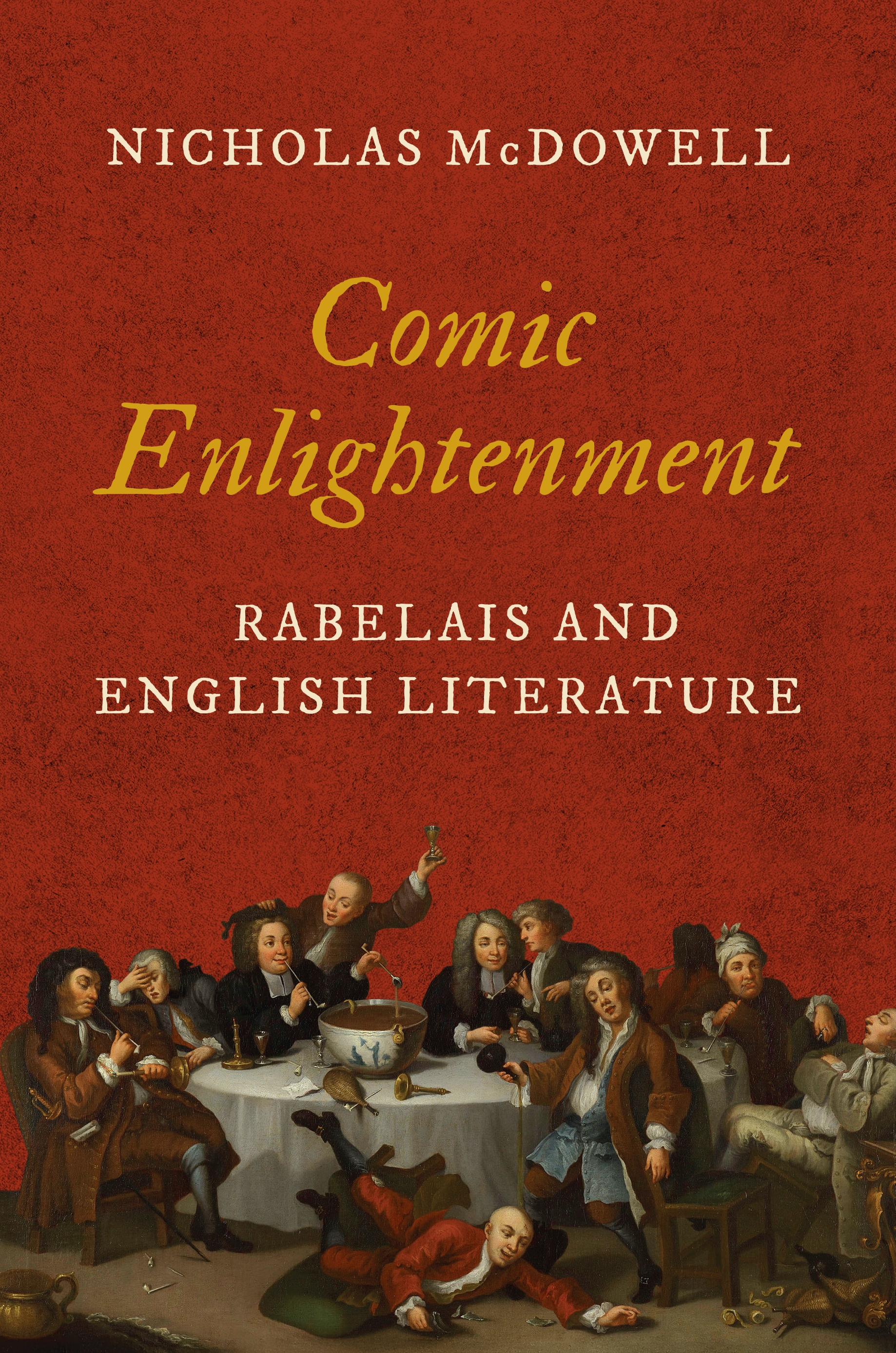
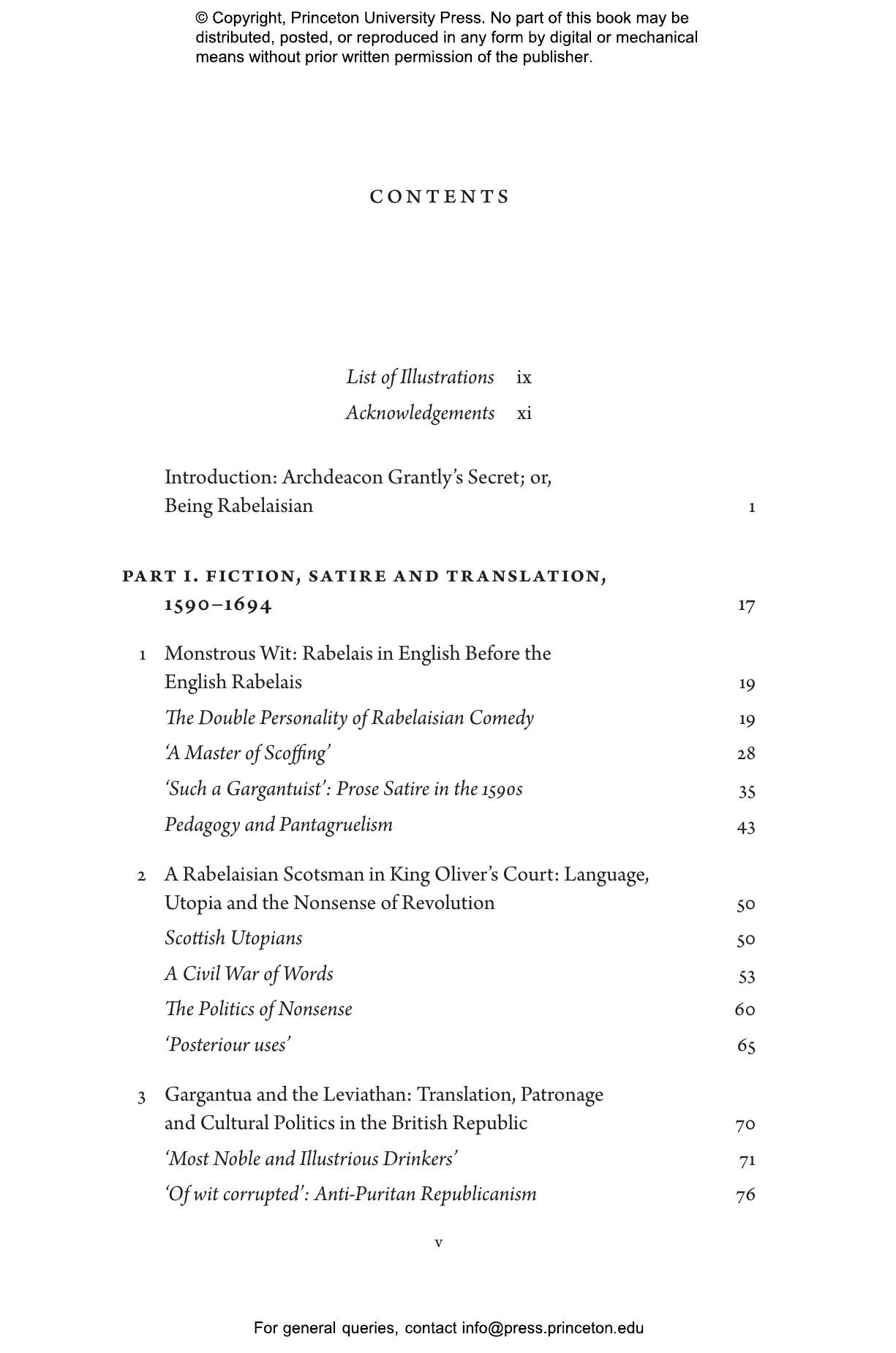
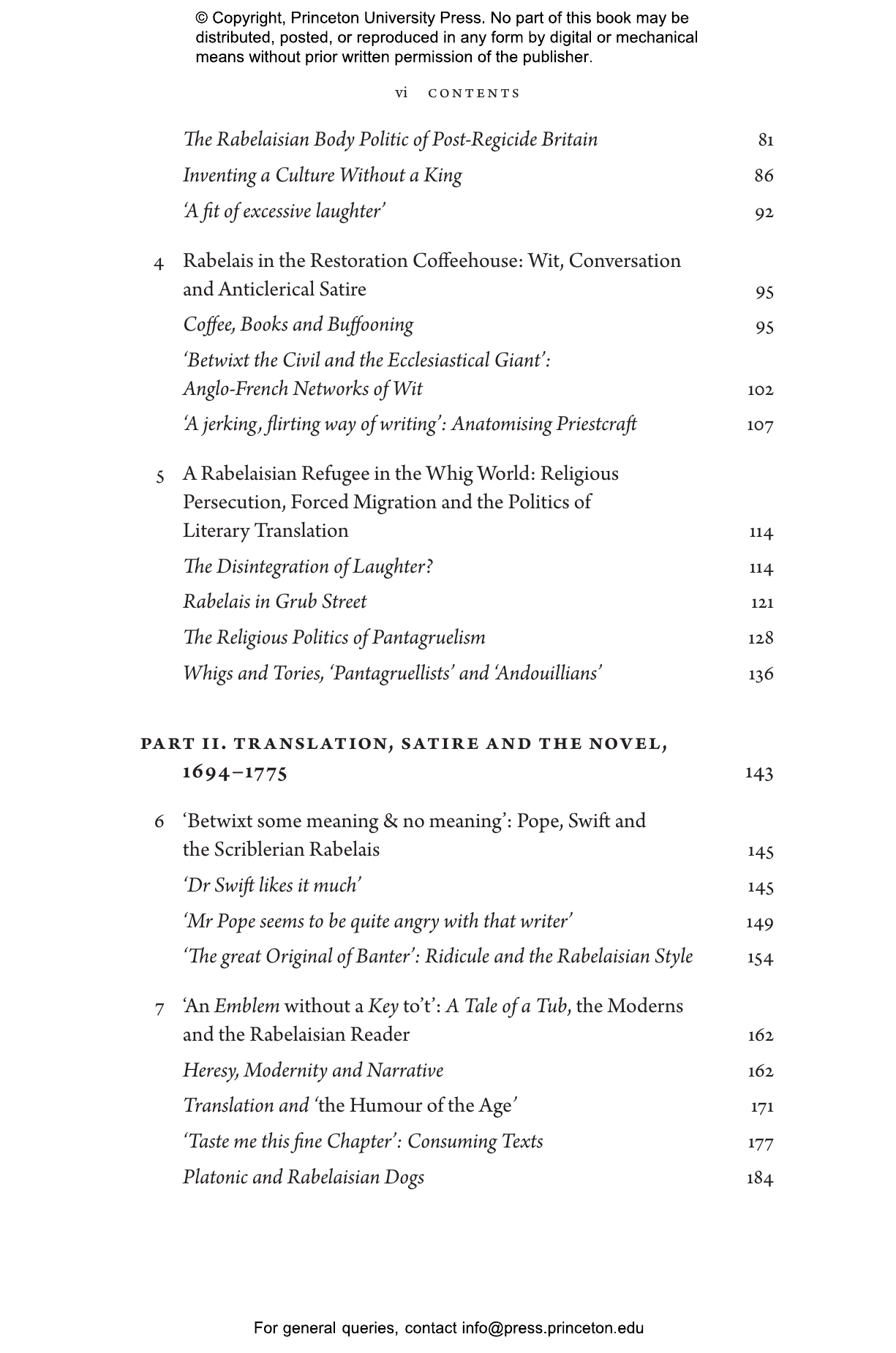
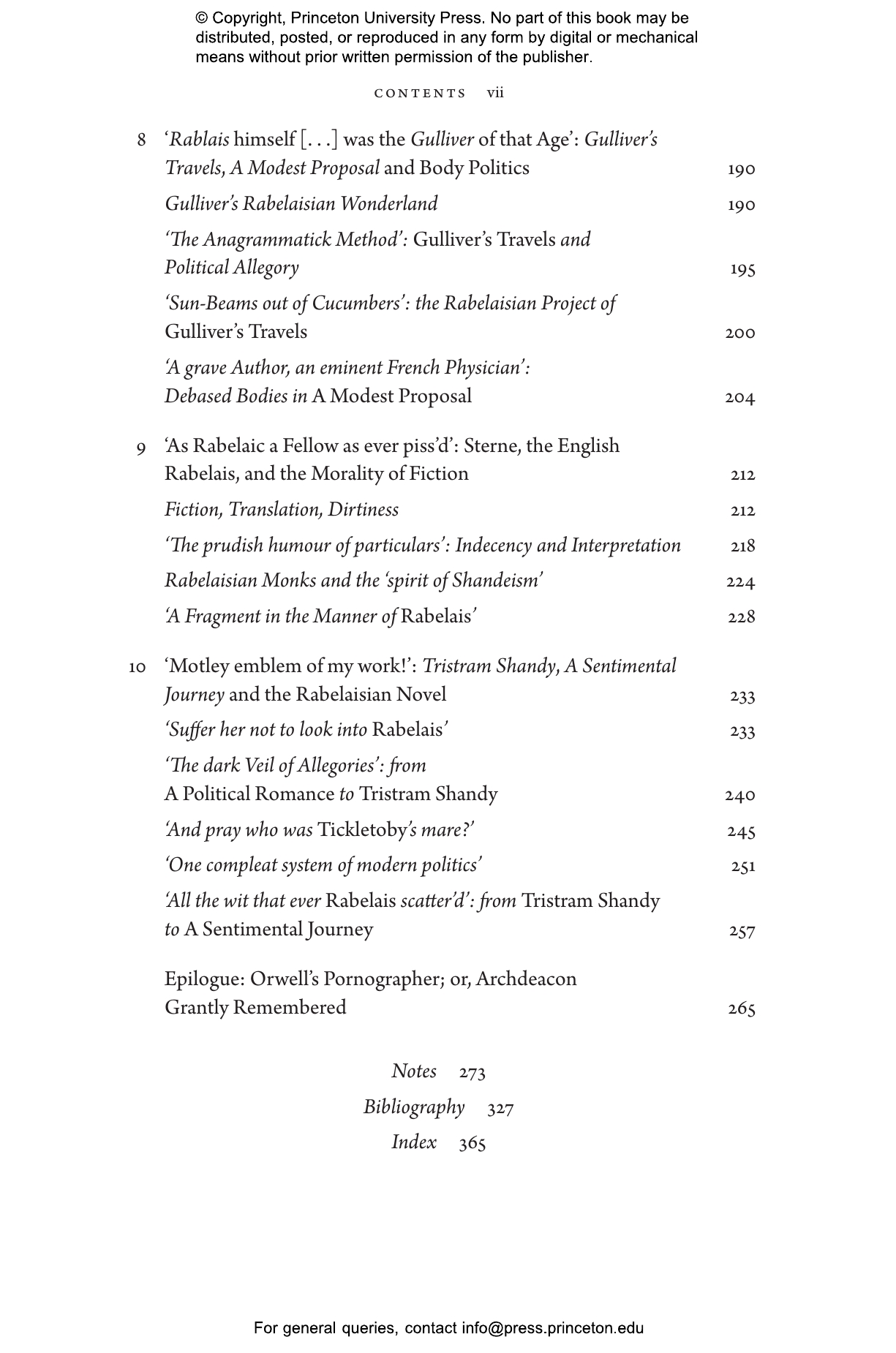
Comic Enlightenment: Rabelais and English Literature
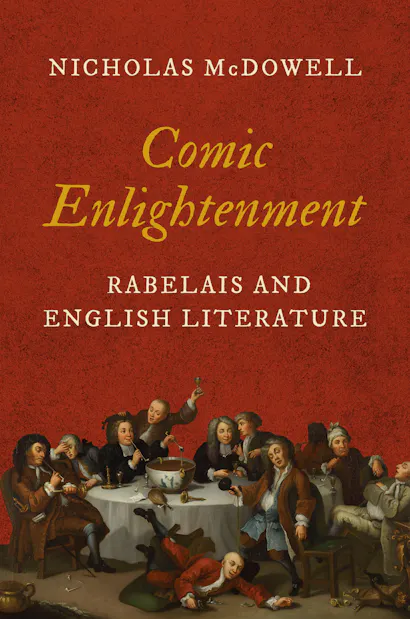
Hardcover
Paperback
- Price:
- $39.95/拢35.00
- ISBN:
- Published:
- Aug 11, 2026
- Copyright:
- 2026
- Pages:
- 400
- Size:
- 6.13 x 9.25 in.
- 10 b/w illus.
ebook (EPUB via app)
ebook (PDF via app)
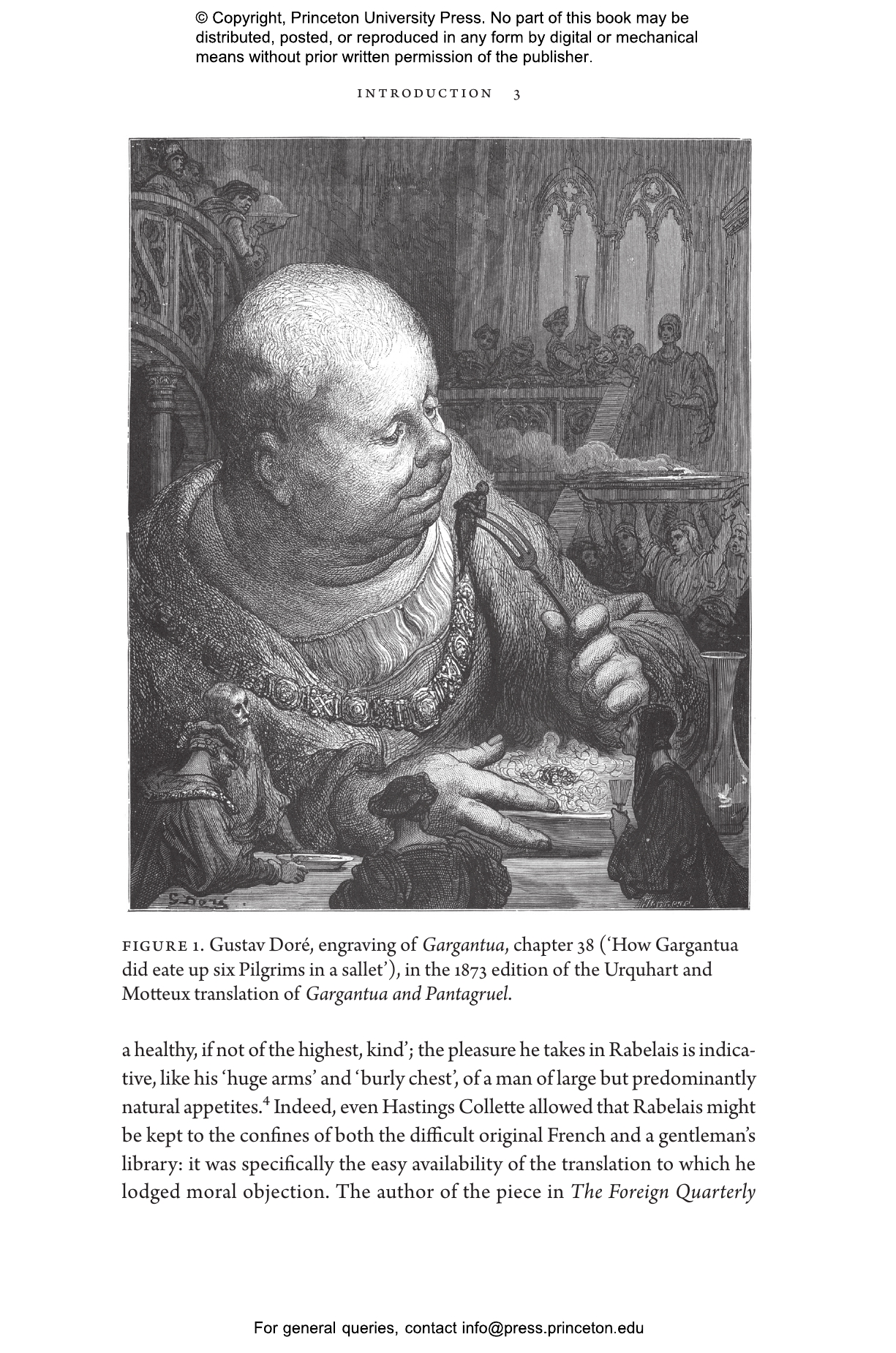
Fran莽ois Rabelais鈥檚 Gargantua and Pantagruel鈥攍oosely related tales of gluttonous, drunken giants and their fantastic adventures鈥攚as one of the most notorious works of Renaissance Europe, condemned by both the Roman Catholic Church and the Protestant reformer John Calvin as obscene and irreligious. In Elizabethan and early Stuart England, familiarity with Rabelais signaled membership in a cosmopolitan elite. But it was only with the seventeenth-century translations of Gargantua and Pantagruel by the eccentric Scottish laird Sir Thomas Urquhart and the Huguenot refugee Peter Motteux that Rabelaisian comedy became fully a part of English literature. In Comic Enlightenment, Nicholas McDowell reconstructs the cultural and political contexts of Urquhart and Motteux鈥檚 work during the Civil Wars and Restoration and shows how this palimpsest of translations, notes and commentary influenced the development of satire and fiction in Britain and an emergent Anglo-Irish literary culture.
Challenging conventional accounts of the origins of the English novel, McDowell offers extensive new interpretations of landmark literary works of the eighteenth century, including Jonathan Swift鈥檚 A Tale of a Tub and Gulliver鈥檚 Travels and Laurence Sterne鈥檚 Tristram Shandy. McDowell鈥檚 ambitious and sweeping account shows how the 鈥淩abelaisian鈥� became part of novelistic currency through the long history of translation and imitation of Rabelais鈥檚 works.