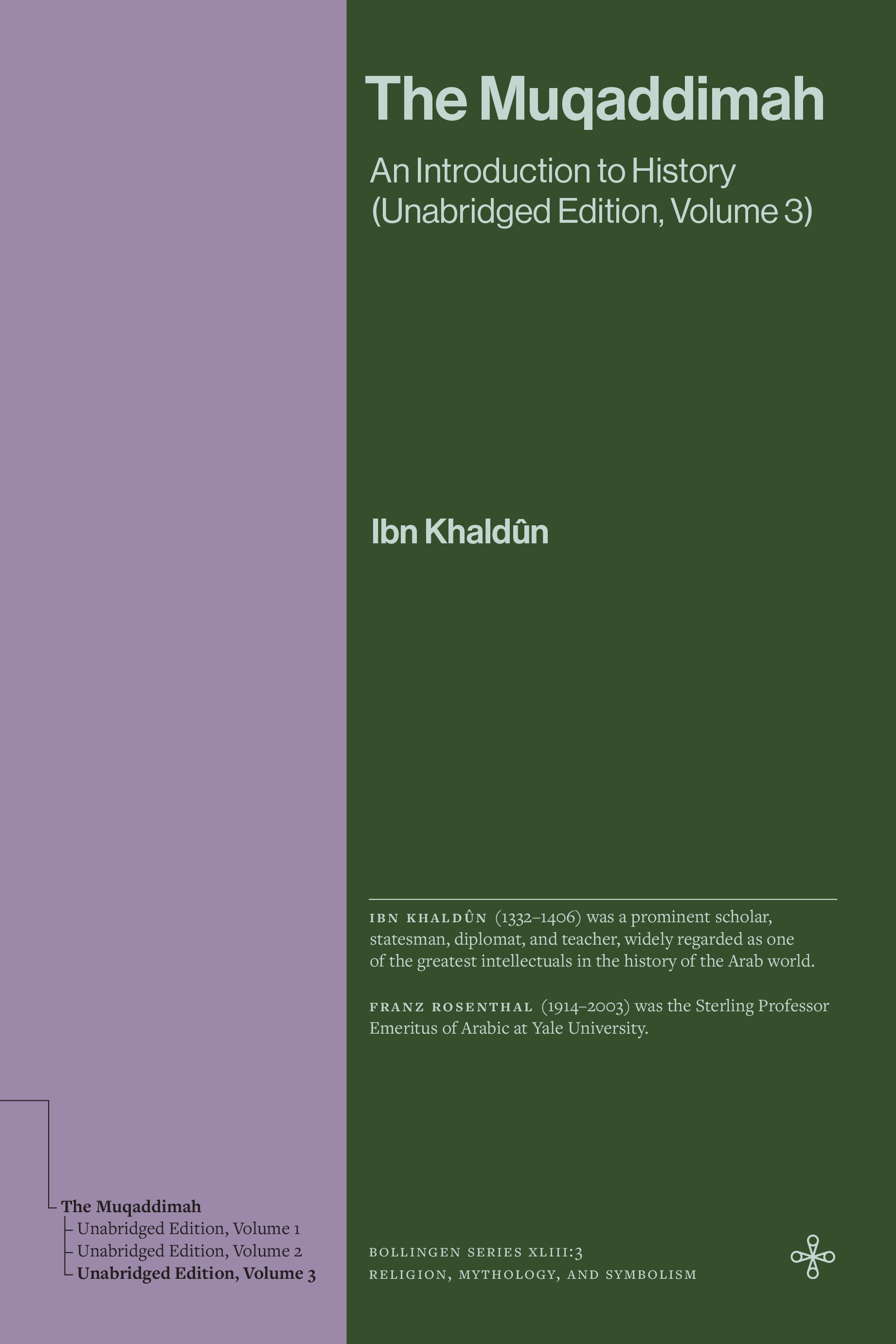
The Muqaddimah: An Introduction to History (Unabridged Edition, Volume 3)
Hardcover
Paperback
ebook (EPUB via app)
- Sale Price:
- $24.50/拢21.00
- Price:
-
$35.00/拢30.00 - ISBN:
- Published:
- May 12, 2026
- Copyright:
- 1986
- 4 b/w illus. 4 tables.
30% off with code PUP30
ebook (PDF via app)
-
Audio and ebooks (EPUB and PDF) purchased from this site must be accessed on the
快色直播 app. After purchasing, you will receive an email with
instructions to access your purchase.
About audio and ebooks - Request Exam Copy
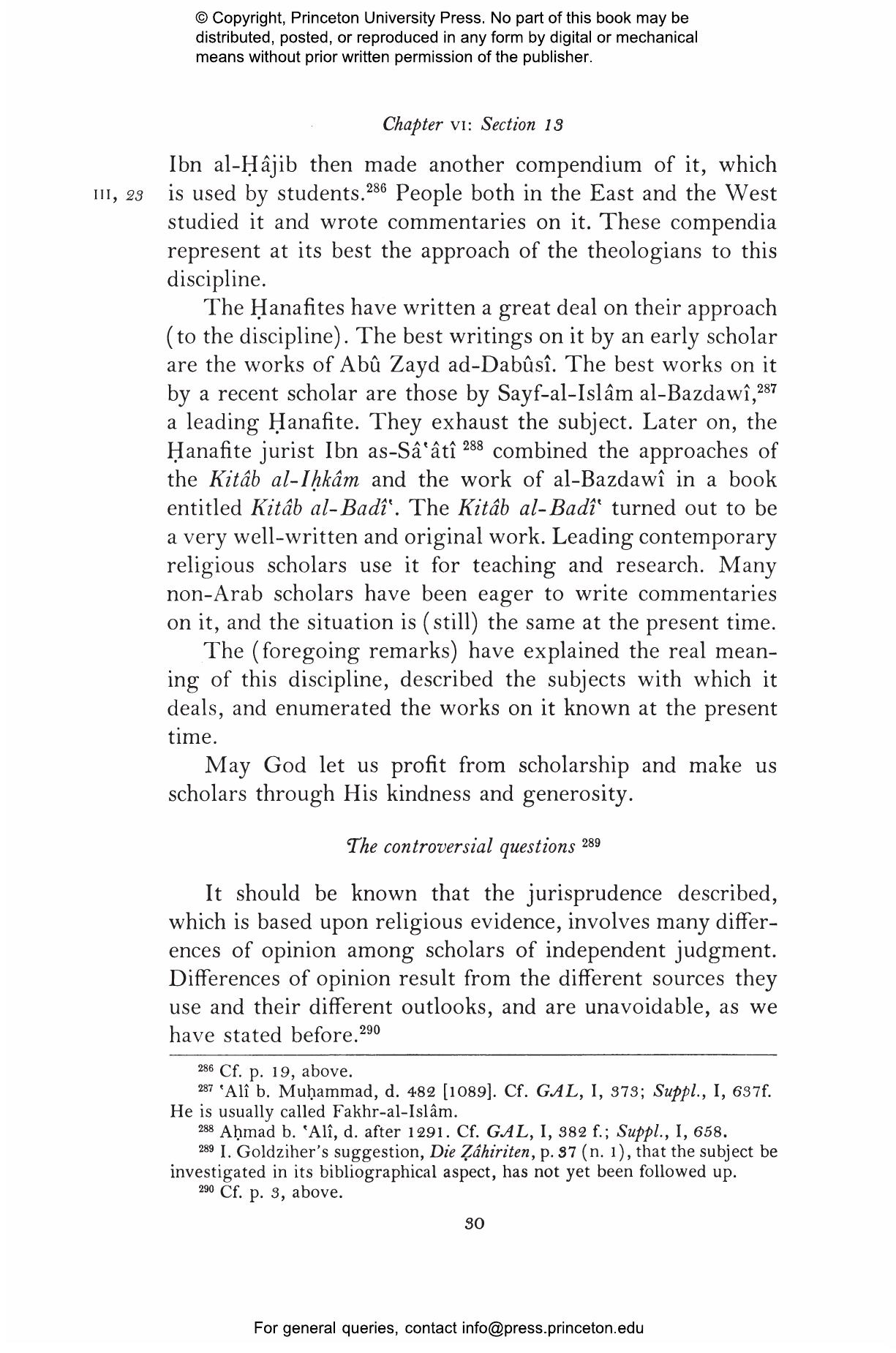
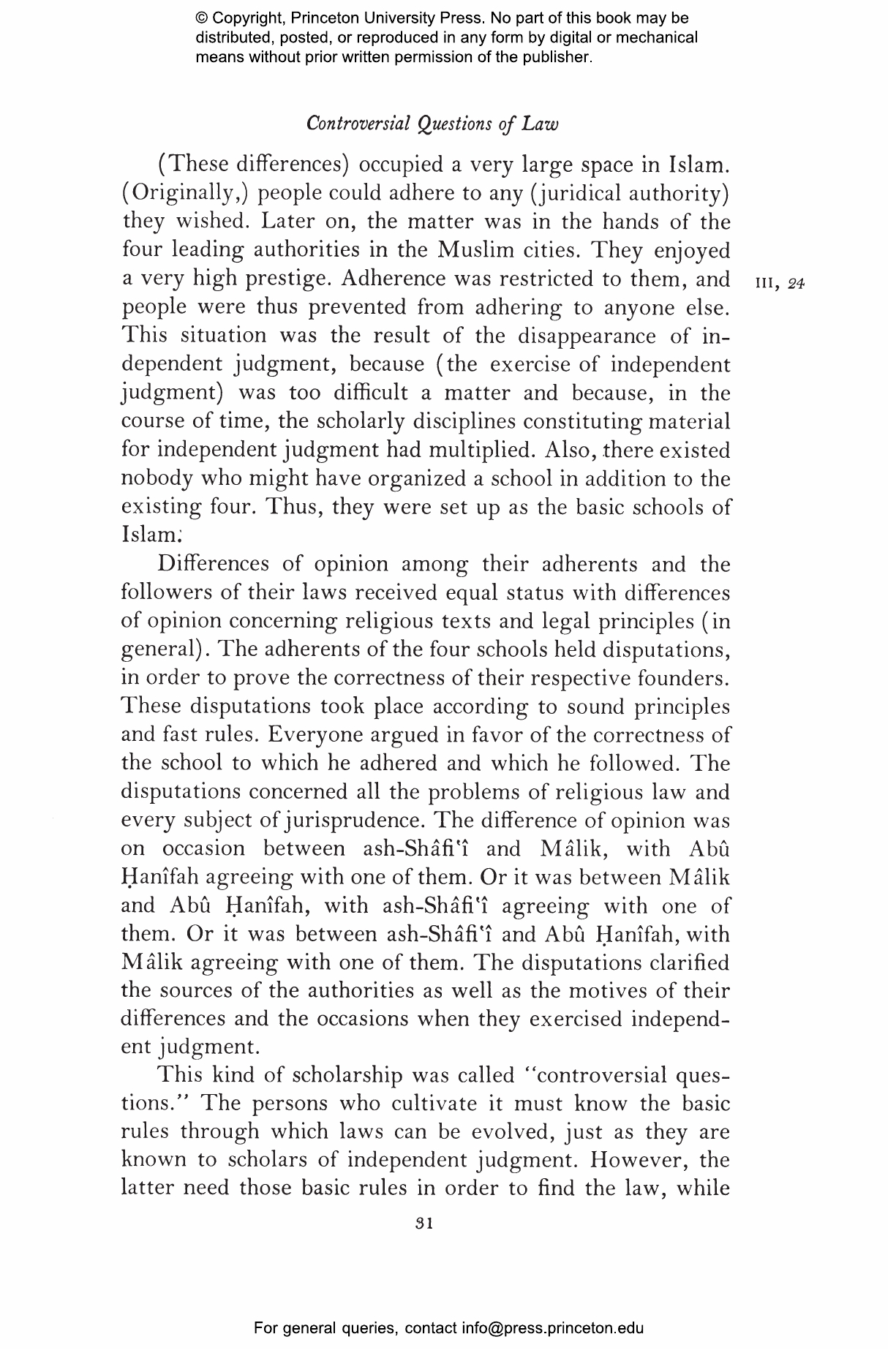
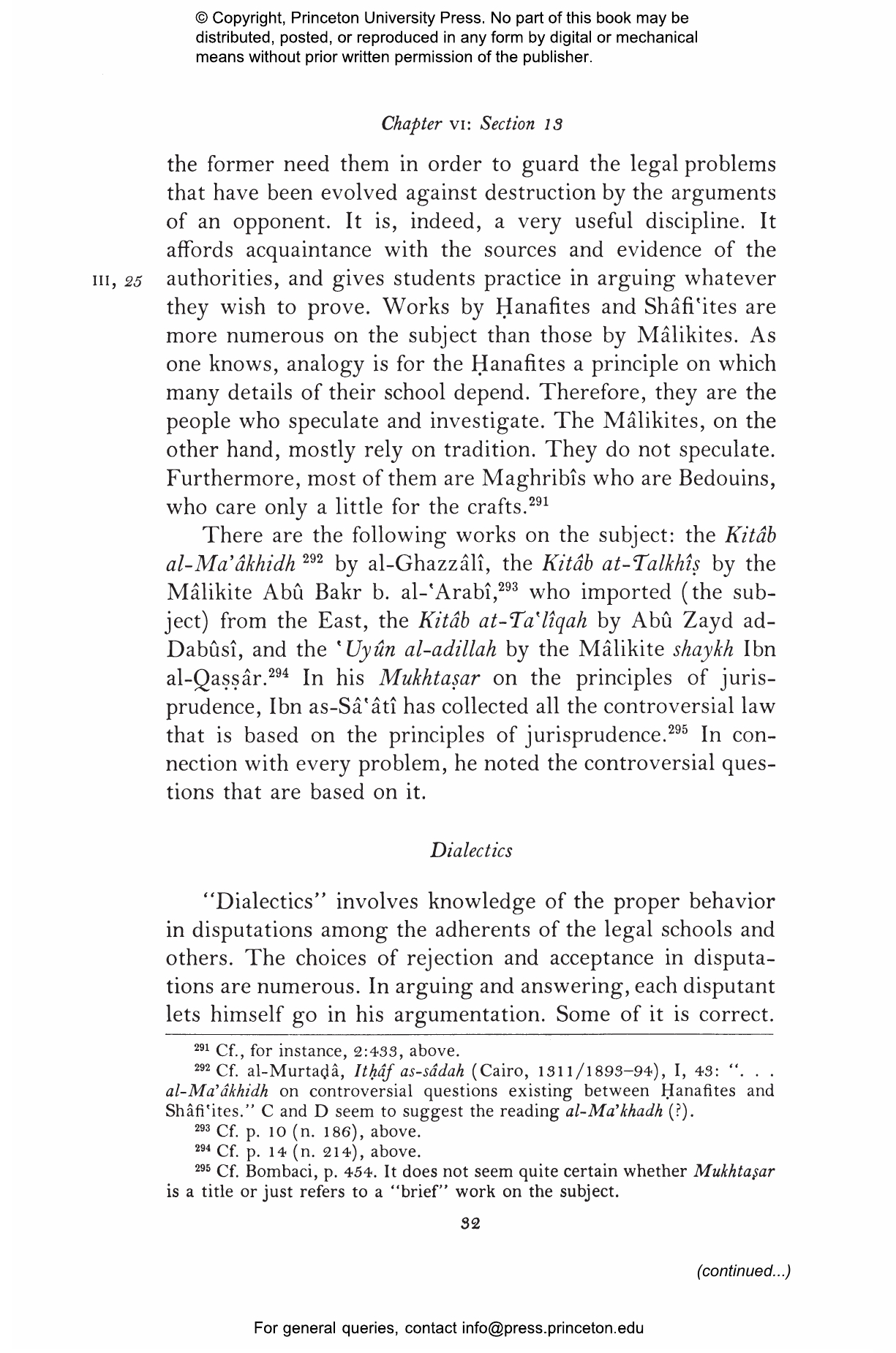
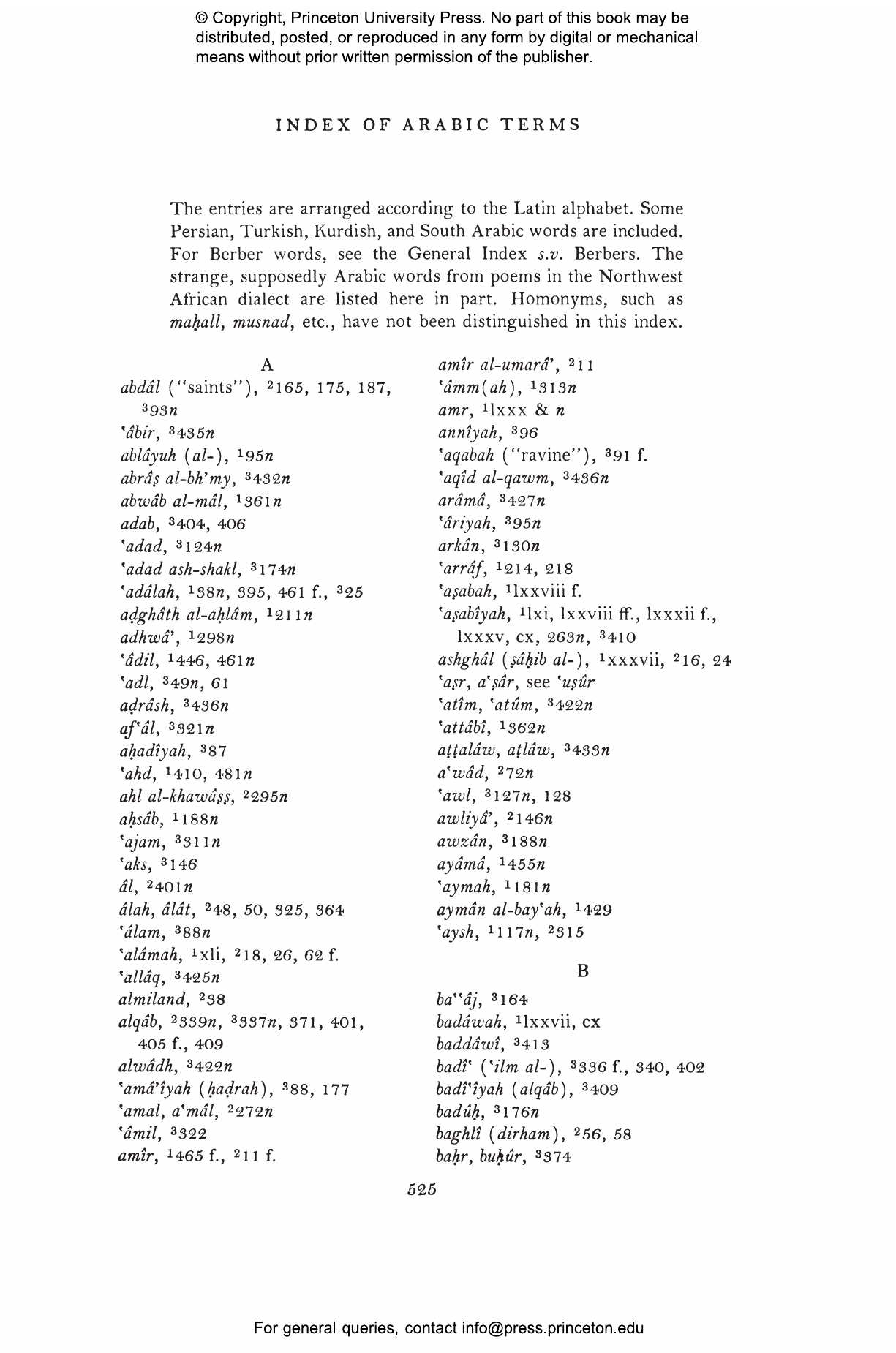
Written by the great fourteenth-century Arab scholar Ibn Khald没n, The Muqaddimah, or 鈥淚ntroduction,鈥� is the earliest critical study of history. Though intended as the preface and first book of a world history, it is a wholly self-contained work, one that laid the foundations for fields of knowledge ranging from the philosophy of history to sociology and ethnography and has influenced writers such as Frank Herbert, Bruce Chatwin, and Naguib Mahfouz. A three-volume English translation by the eminent Islamicist Franz Rosenthal was first published in 1958 as part of the Bollingen Series, garnering immediate international acclaim. A one-volume abridged version followed in 1969. Now the complete unabridged edition of Rosenthal鈥檚 masterful translation is available again in three beautiful volumes, reintroducing this monumental study of history to twenty-first century audiences.