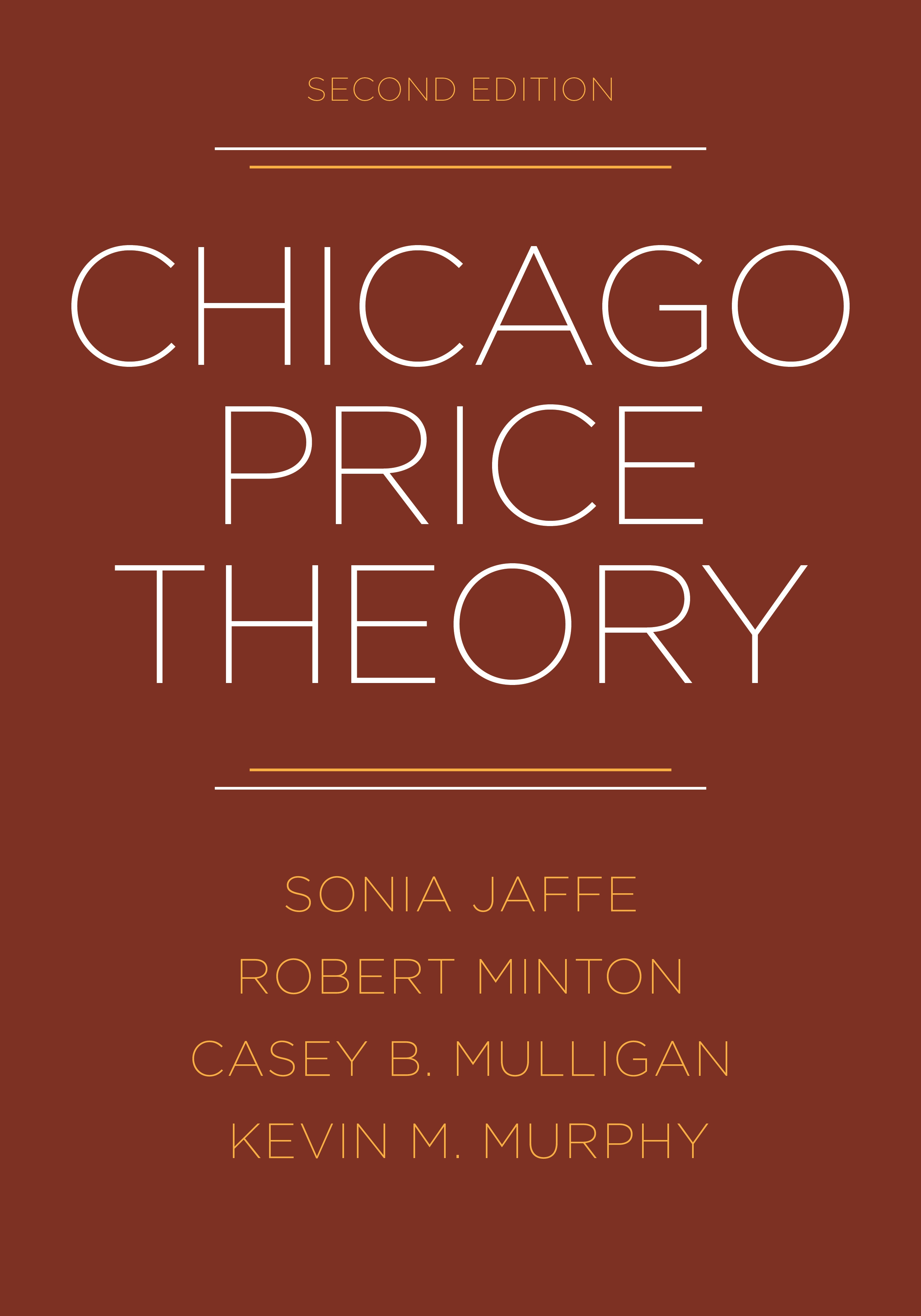
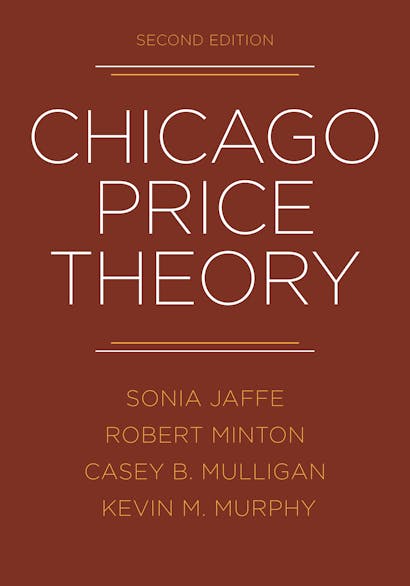
Price theory is a powerful analytical tool kit for measuring, explaining, and predicting market outcomes. This expanded second edition of Chicago Price Theory offers a unique approach to the subject, emphasizing hands-on, practical applications that can help students adeptly integrate economic theory with real-world forces. A key distinction is its focus on market equilibrium and gains from trade. Unlike many microeconomics texts, this book emphasizes how, through markets, households and businesses adapt to conditions like price controls and externalities. It modernizes the Marshallian idea of forward-falling supply, especially for analyzing human capital, and makes use of the cost function and Hicks-Marshall laws to analyze a variety of economic phenomena. Rooted in Chicago鈥檚 price theory tradition, this textbook enables students to understand human behavior through the lens of price theory, showing how a small set of well-mastered tools makes it possible to analyze a remarkably wide range of economic questions.
- Now includes a full chapter closely integrating economic reasoning with the treatment-control paradigm
- Covers topics such as occupational choice, the evolution of inequality, the value of a statistical life, prohibition, and competition
- Uses the economics of 鈥渘udges鈥� to understand business contracts and the organization of civil society
- Features analysis of business-to-business transactions
- Discusses the future implications of artificial intelligence
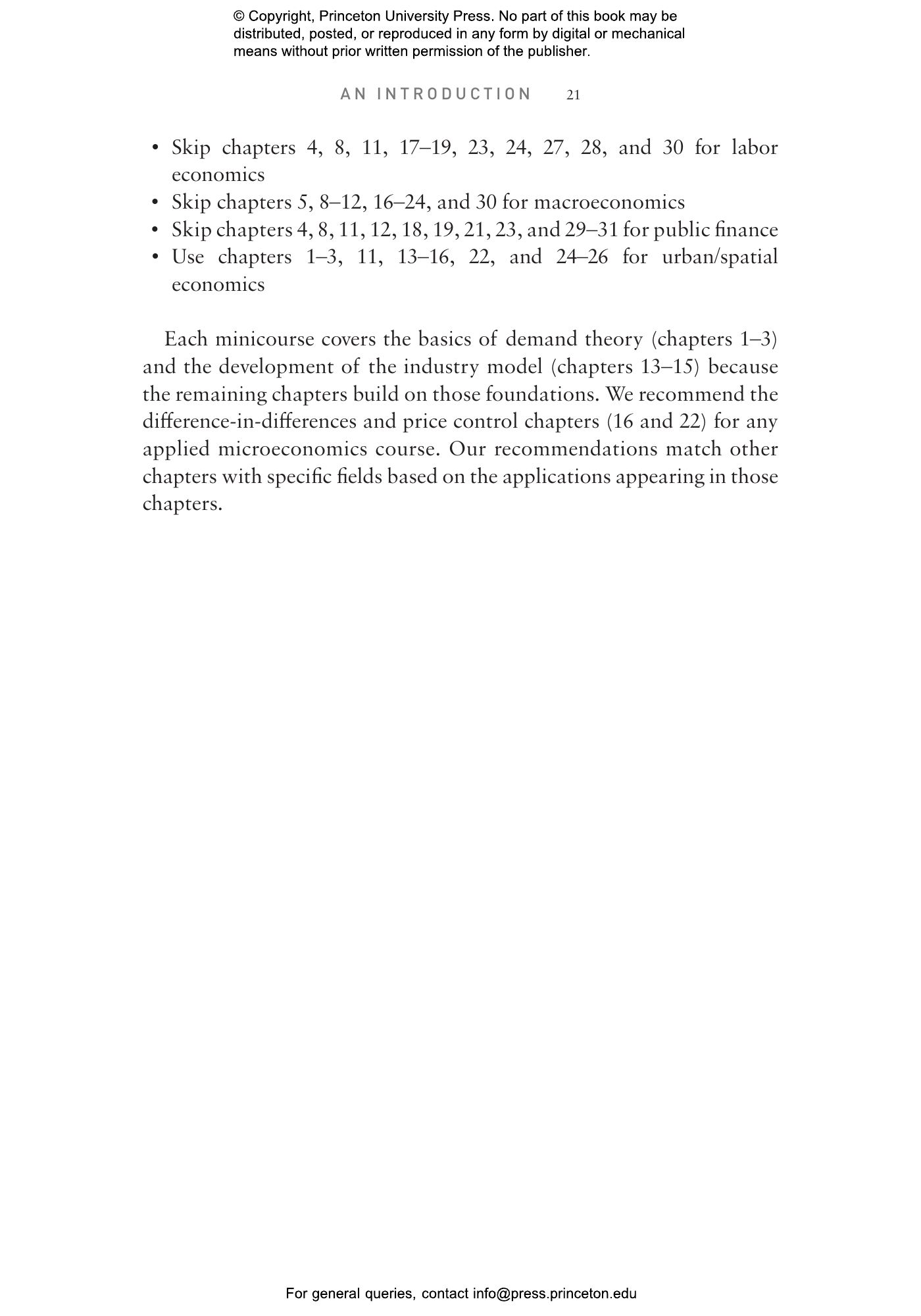
- Comes with lesson plans for minicourses in industrial organization, health economics, macroeconomics, labor, public finance, and urban economics
- Accompanied by video lectures taught by Kevin M. Murphy, Gary Becker, Casey B. Mulligan, and Robert Minton
Sonia Jaffe is a research economist at Microsoft. Robert Minton is an economist in the Prices and Wages section at the Federal Reserve Board. Casey B. Mulligan is professor of economics at the University of Chicago. Kevin M. Murphy is the George J. Stigler Distinguished Service Professor of Economics Emeritus at the University of Chicago.
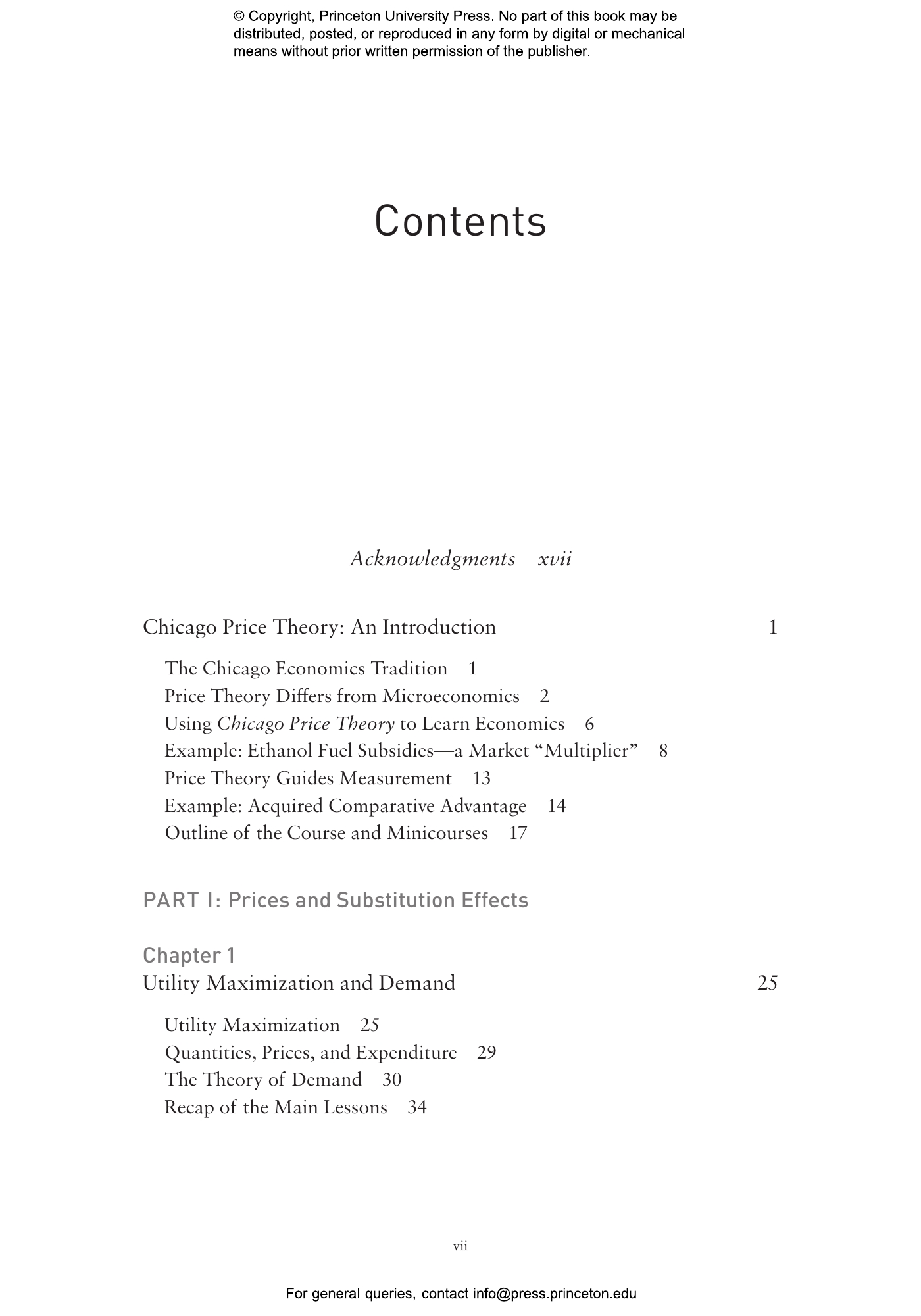
- Acknowledgments
- Chicago Price Theory: An Introduction
- The Chicago Economics Tradition
- Price Theory Differs from Microeconomics
- Using Chicago Price Theory to Learn Economics
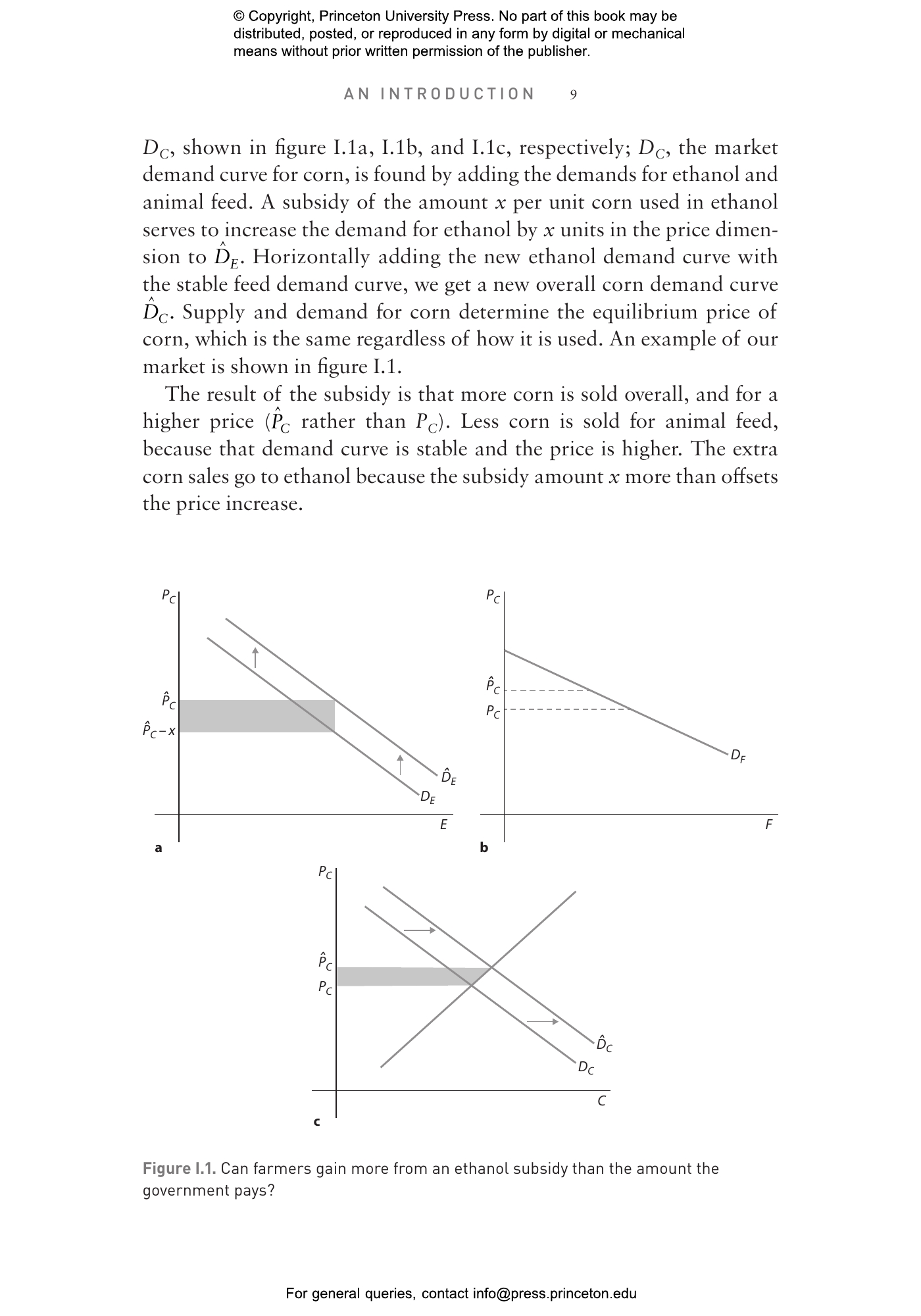
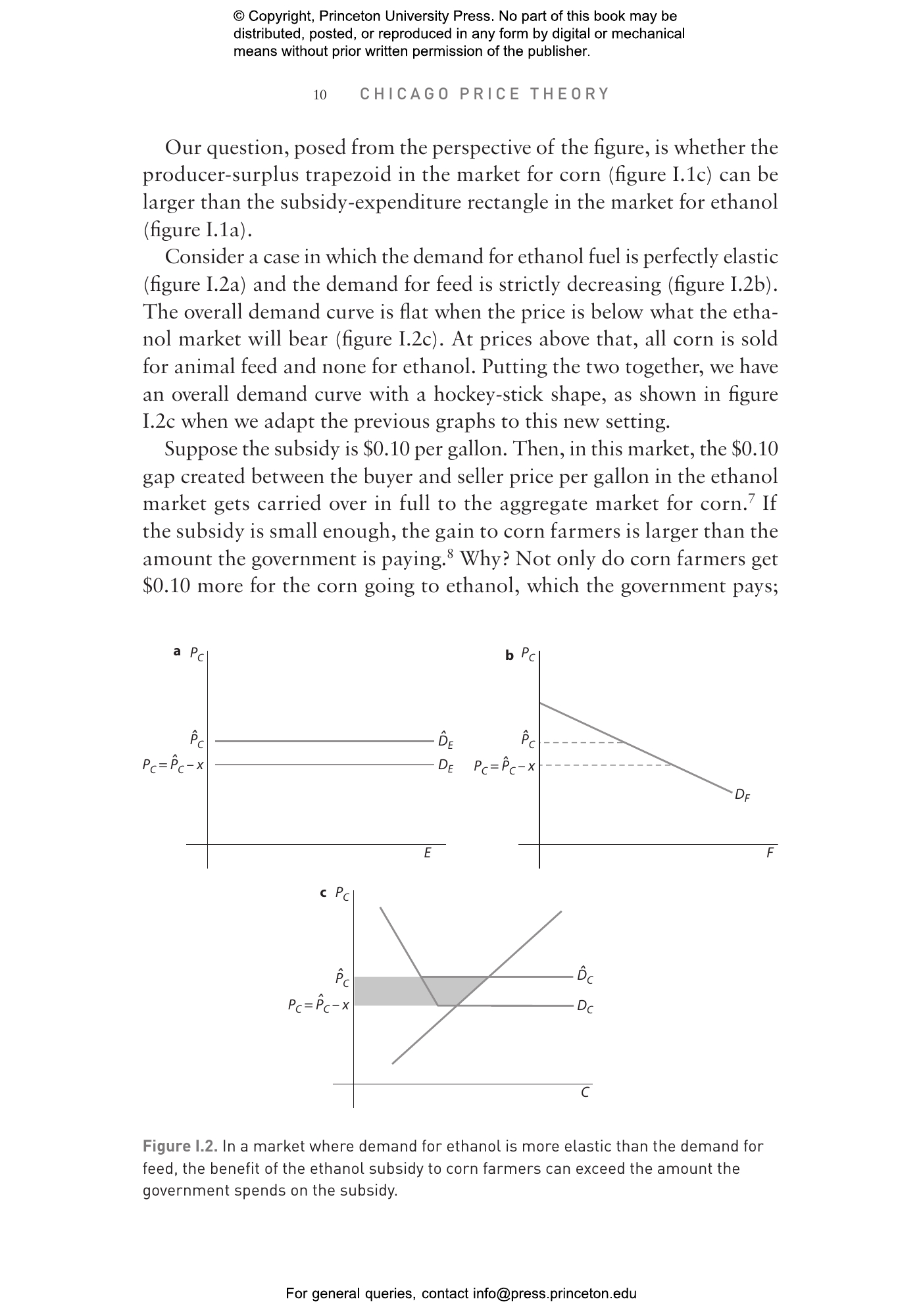
- Example: Ethanol Fuel Subsidies鈥攁 Market 鈥淢ultiplier鈥�
- Price Theory Guides Measurement
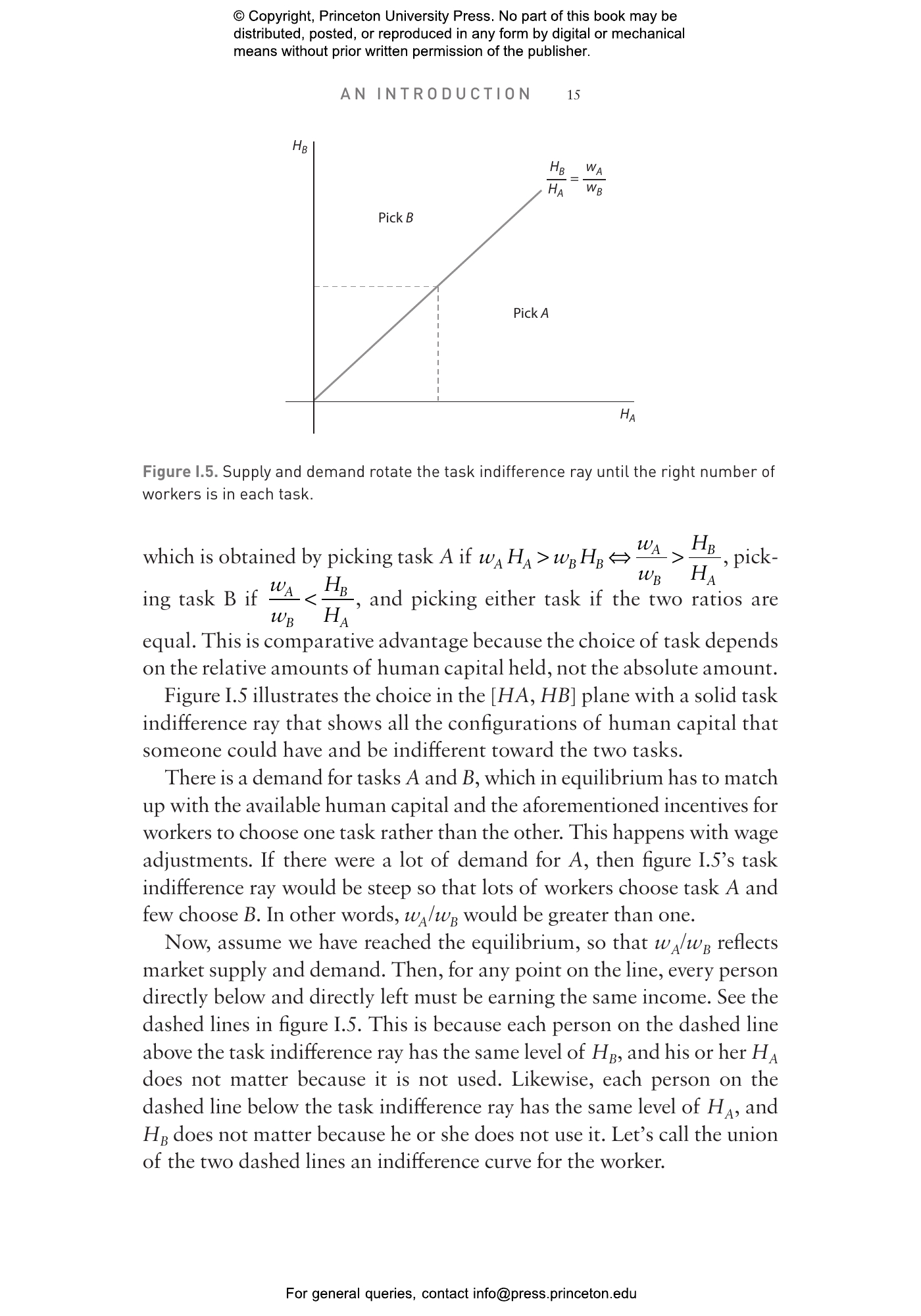
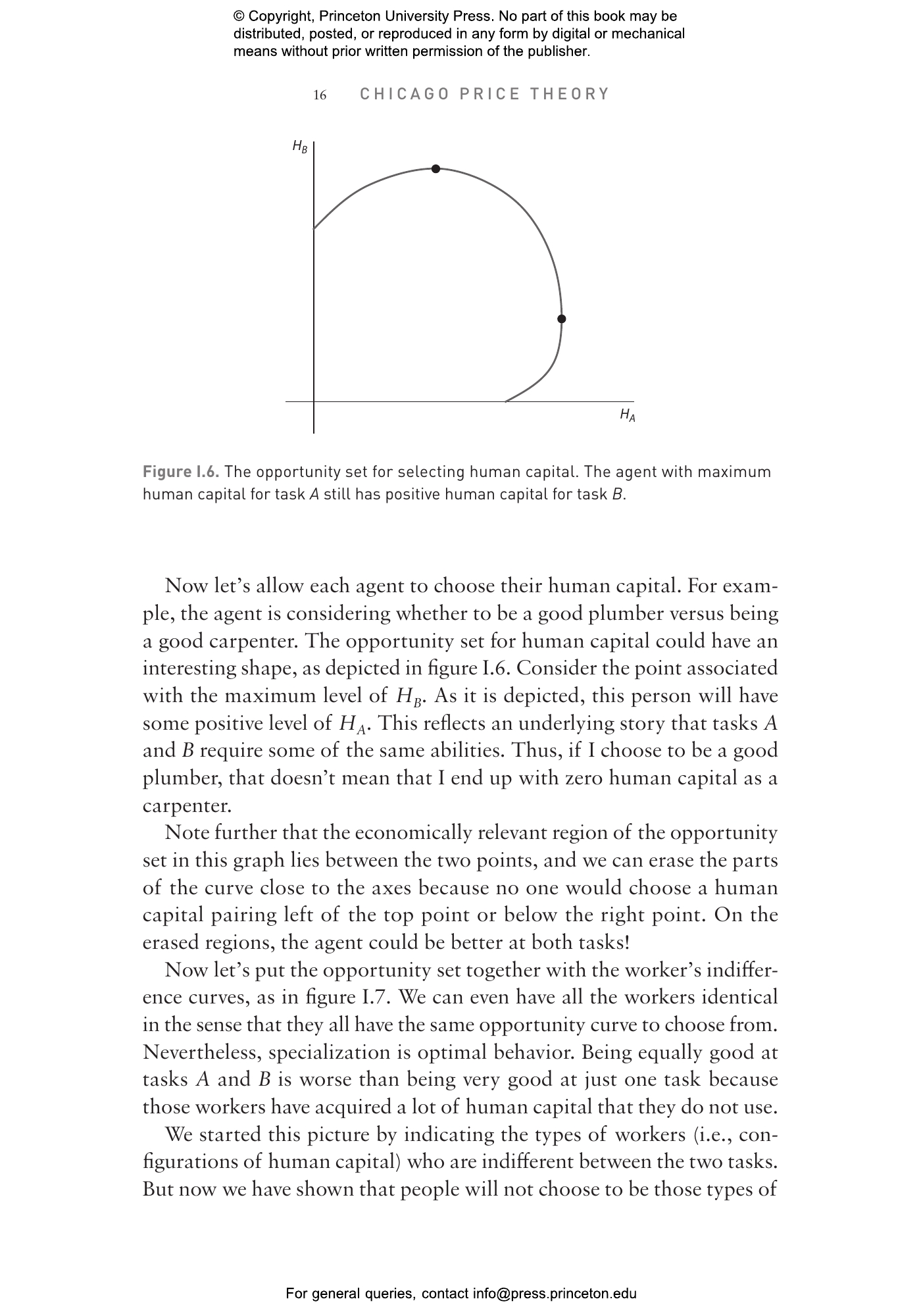
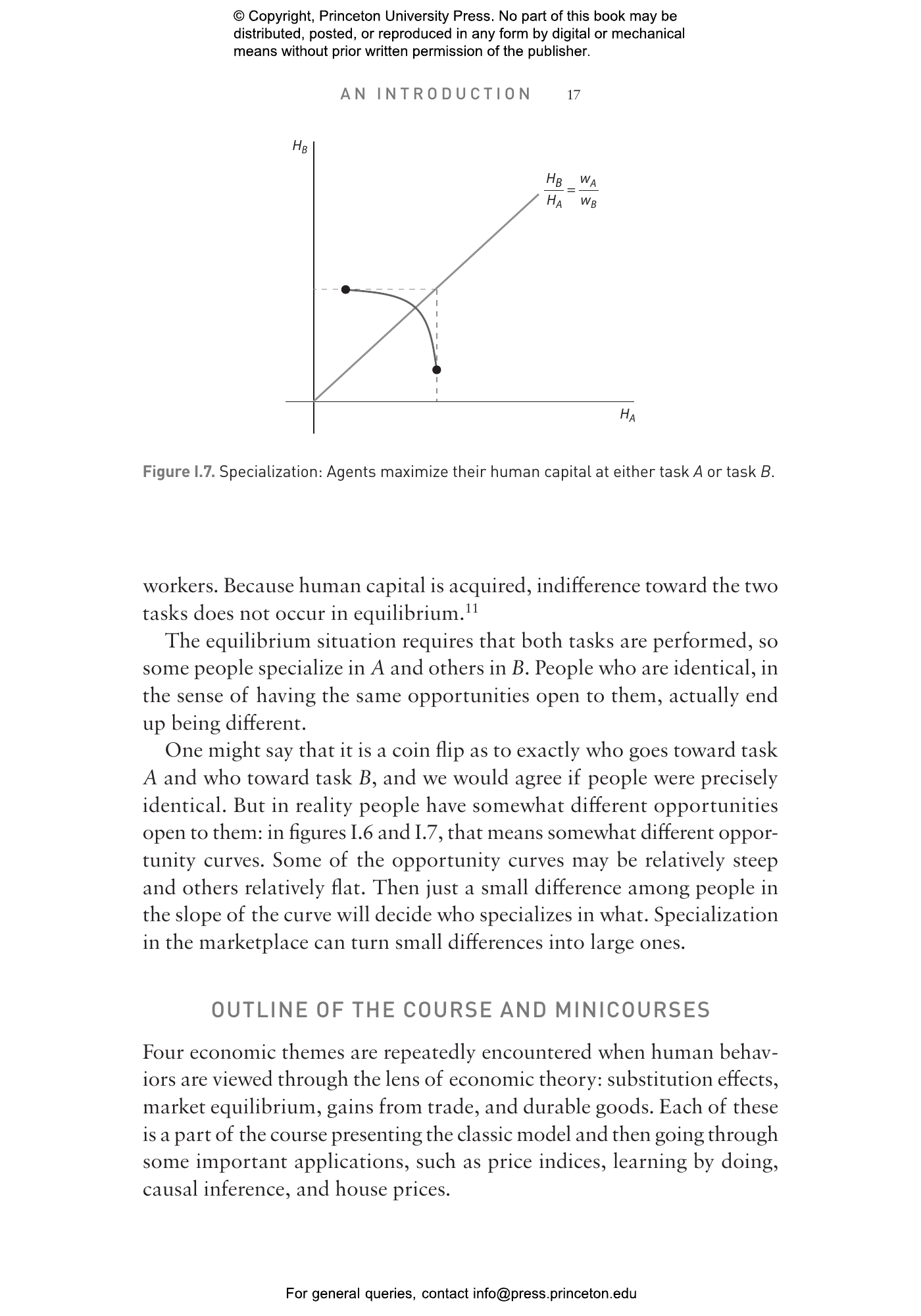
- Example: Acquired Comparative Advantage
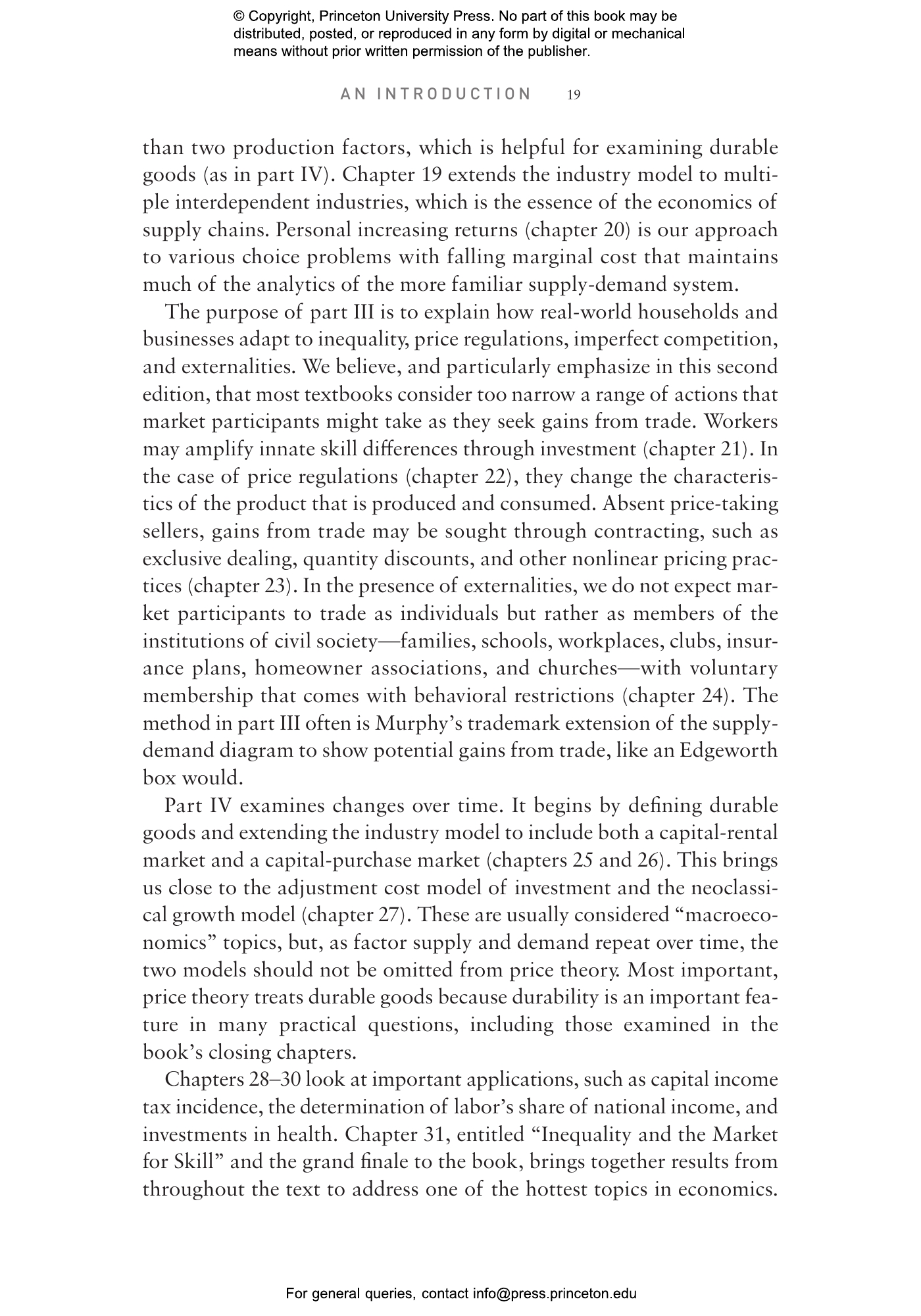
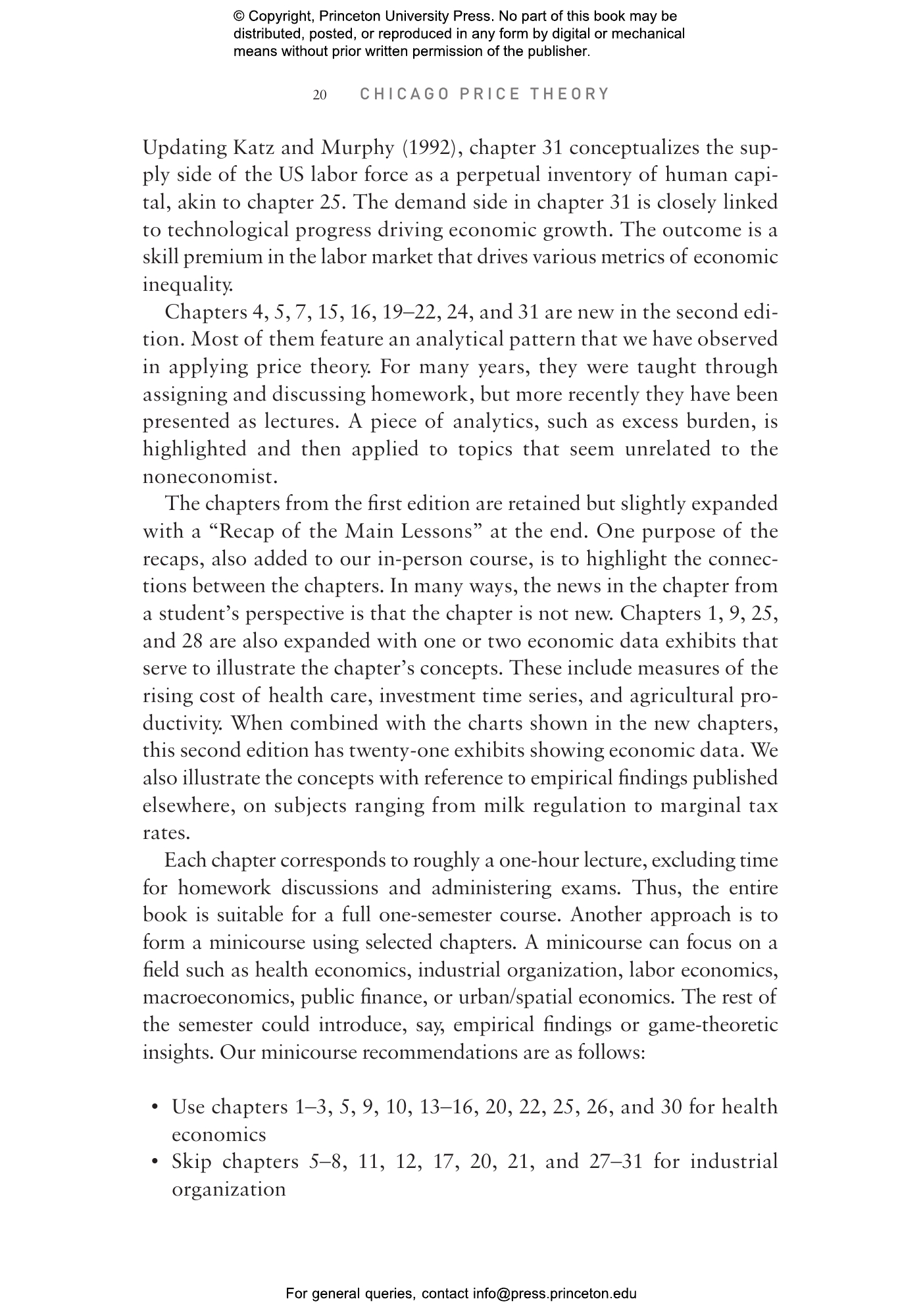
- Outline of the Course and Minicourses
- PART I: Prices and Substitution Effects
- Chapter 1
- Utility Maximization and Demand
- Utility Maximization
- Quantities, Prices, and Expenditure
- The Theory of Demand
- Recap of the Main Lessons
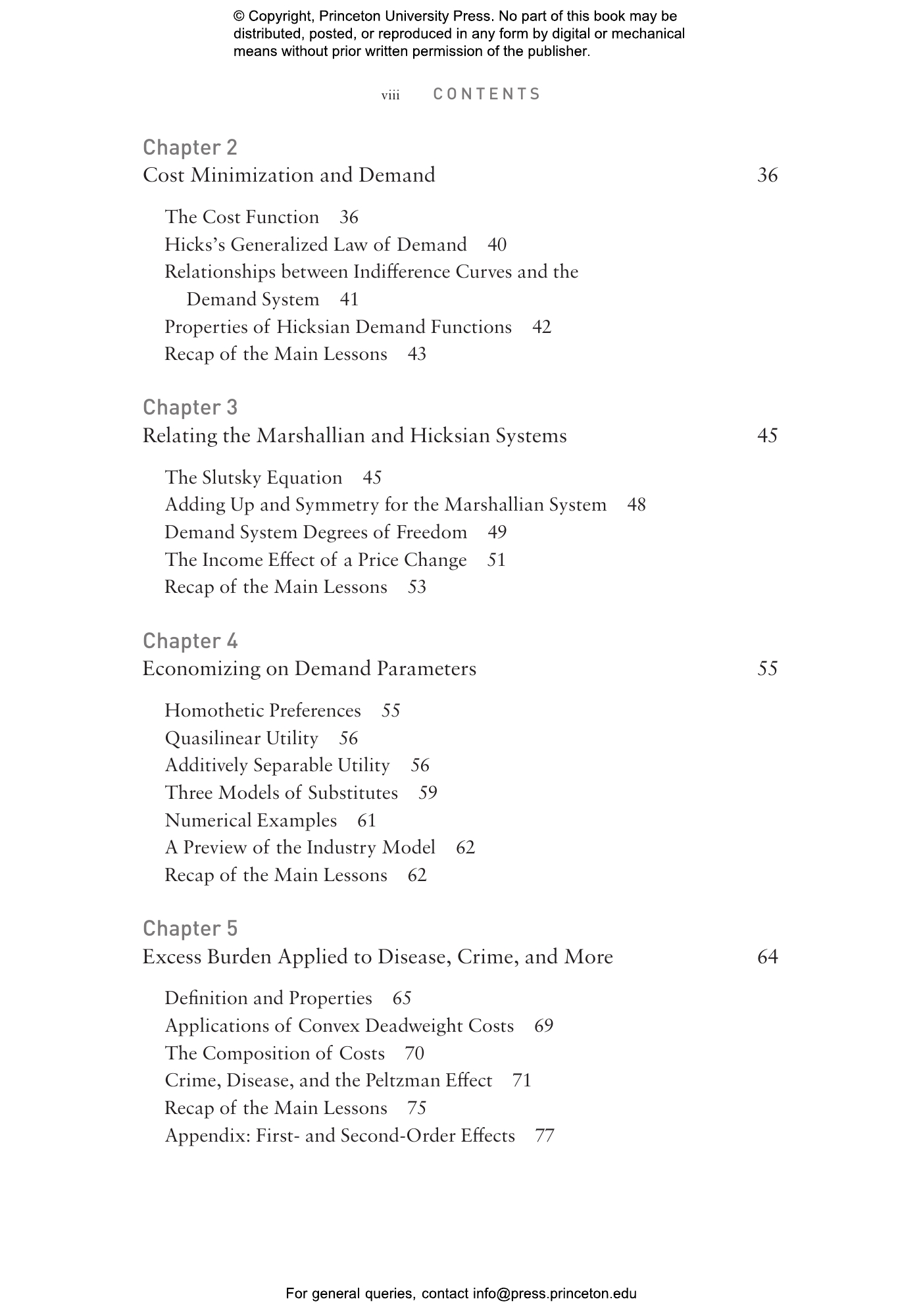
- Chapter 2
- Cost Minimization and Demand
- The Cost Function
- Hicks鈥檚 Generalized Law of Demand
- Relationships between Indifference Curves and the Demand System
- Properties of Hicksian Demand Functions
- Recap of the Main Lessons
- Chapter 3
- Relating the Marshallian and Hicksian Systems
- The Slutsky Equation
- Adding Up and Symmetry for the Marshallian System
- Demand System Degrees of Freedom
- The Income Effect of a Price Change
- Recap of the Main Lessons
- Chapter 4
- Economizing on Demand Parameters
- Homothetic Preferences
- Quasilinear Utility
- Additively Separable Utility
- Three Models of Substitutes
- Numerical Examples
- A Preview of the Industry Model
- Recap of the Main Lessons
- Chapter 5
- Excess Burden Applied to Disease, Crime, and More
- Definition and Properties
- Applications of Convex Deadweight Costs
- The Composition of Costs
- Crime, Disease, and the Peltzman Effect
- Recap of the Main Lessons
- Appendix: First- and Second-Order Effects
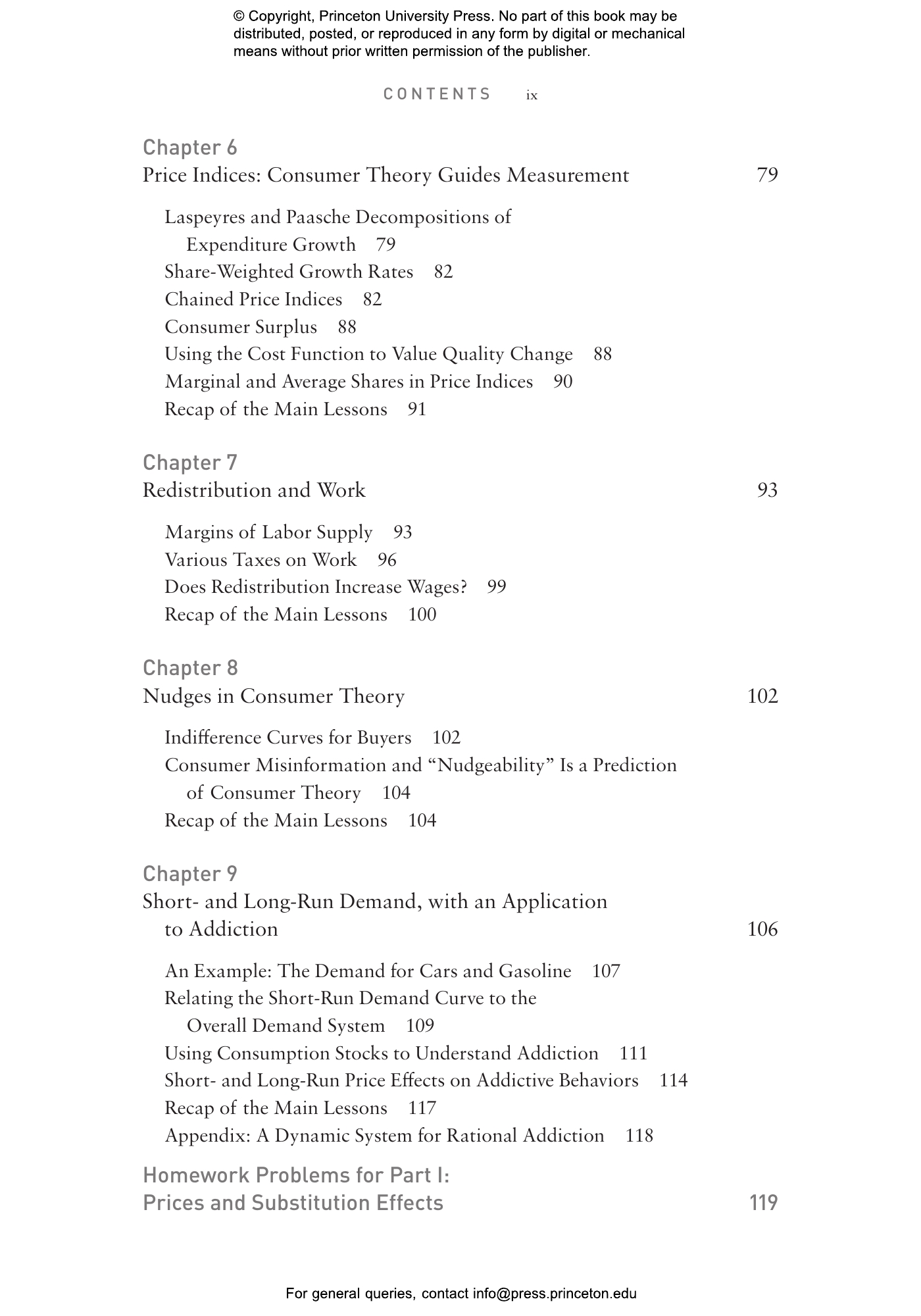
- Chapter 6
- Price Indices: Consumer Theory Guides Measurement
- Laspeyres and Paasche Decompositions of Expenditure Growth
- Share-Weighted Growth Rates
- Chained Price Indices
- Consumer Surplus
- Using the Cost Function to Value Quality Change
- Marginal and Average Shares in Price Indices
- Recap of the Main Lessons
- Chapter 7
- Redistribution and Work
- Margins of Labor Supply I
- Various Taxes on Work
- Does Redistribution Increase Wages?
- Recap of the Main Lessons
- Chapter 8
- Nudges in Consumer Theory
- Indifference Curves for Buyers
- Consumer Misinformation and 鈥淣udgeability鈥� Is a Prediction of Consumer Theory
- Recap of the Main Lessons
- Chapter 9
- Short- and Long-Run Demand, with an Application to Addiction
- An Example: The Demand for Cars and Gasoline
- Relating the Short-Run Demand Curve to the Overall Demand System
- Using Consumption Stocks to Understand Addiction
- Short- and Long-Run Price Effects on Addictive Behaviors
- Recap of the Main Lessons
- Appendix: A Dynamic System for Rational Addiction
- Homework Problems for Part I: Prices and Substitution Effects
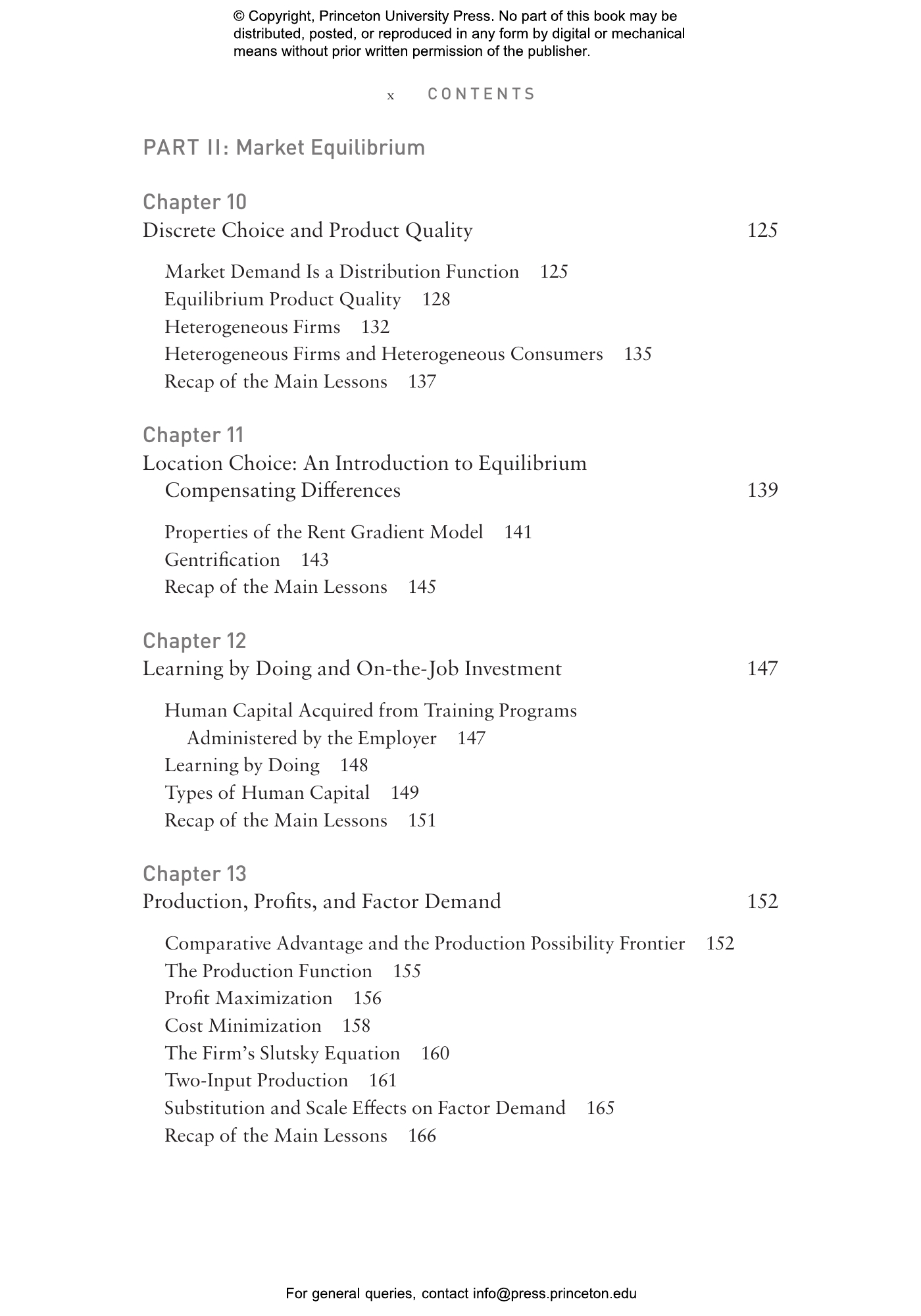
- PART II: Market Equilibrium
- Chapter 10
- Discrete Choice and Product Quality
- Market Demand Is a Distribution Function
- Equilibrium Product Quality
- Heterogeneous Firms
- Heterogeneous Firms and Heterogeneous Consumers
- Recap of the Main Lessons
- Chapter 11
- Location Choice: An Introduction to Equilibrium Compensating Differences
- Properties of the Rent Gradient Model
- Gentrification
- Recap of the Main Lessons
- Chapter 12
- Learning by Doing and On-the-Job Investment
- Human Capital Acquired from Training Programs Administered by the Employer
- Learning by Doing
- Types of Human Capital
- Recap of the Main Lessons
- Chapter 13
- Production, Profits, and Factor Demand
- Comparative Advantage and the Production Possibility Frontier
- The Production Function
- Profit Maximization
- Cost Minimization
- The Firm鈥檚 Slutsky Equation
- Two-Input Production
- Substitution and Scale Effects on Factor Demand
- Recap of the Main Lessons
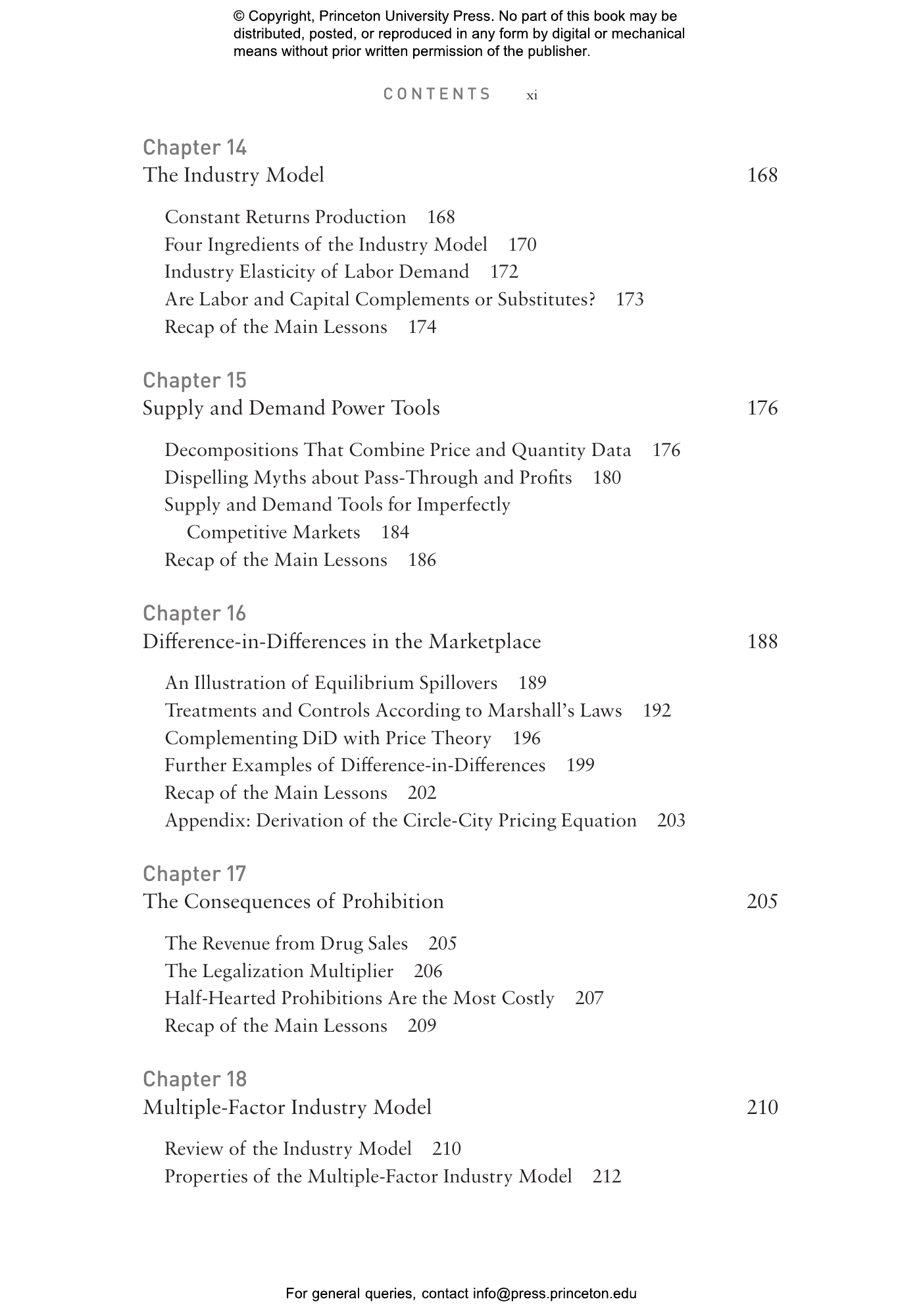
- Chapter 14
- The Industry Model
- Constant Returns Production
- Four Ingredients of the Industry Model
- Industry Elasticity of Labor Demand
- Are Labor and Capital Complements or Substitutes?
- Recap of the Main Lessons
- Chapter 15
- Supply and Demand Power Tools
- Decompositions That Combine Price and Quantity Data
- Dispelling Myths about Pass-Through and Profits
- Supply and Demand Tools for Imperfectly Competitive Markets
- Recap of the Main Lessons
- Chapter 16
- Difference-in-Differences in the Marketplace
- An Illustration of Equilibrium Spillovers
- Treatments and Controls According to Marshall鈥檚 Laws
- Complementing DiD with Price Theory
- Further Examples of Difference-in-Differences
- Recap of the Main Lessons
- Appendix: Derivation of the Circle-City Pricing Equation
- Chapter 17
- The Consequences of Prohibition
- The Revenue from Drug Sales
- The Legalization Multiplier
- Half-Hearted Prohibitions Are the Most Costly
- Recap of the Main Lessons
- Chapter 18
- Multiple-Factor Industry Model
- Review of the Industry Model
- Properties of the Multiple-Factor Industry Model
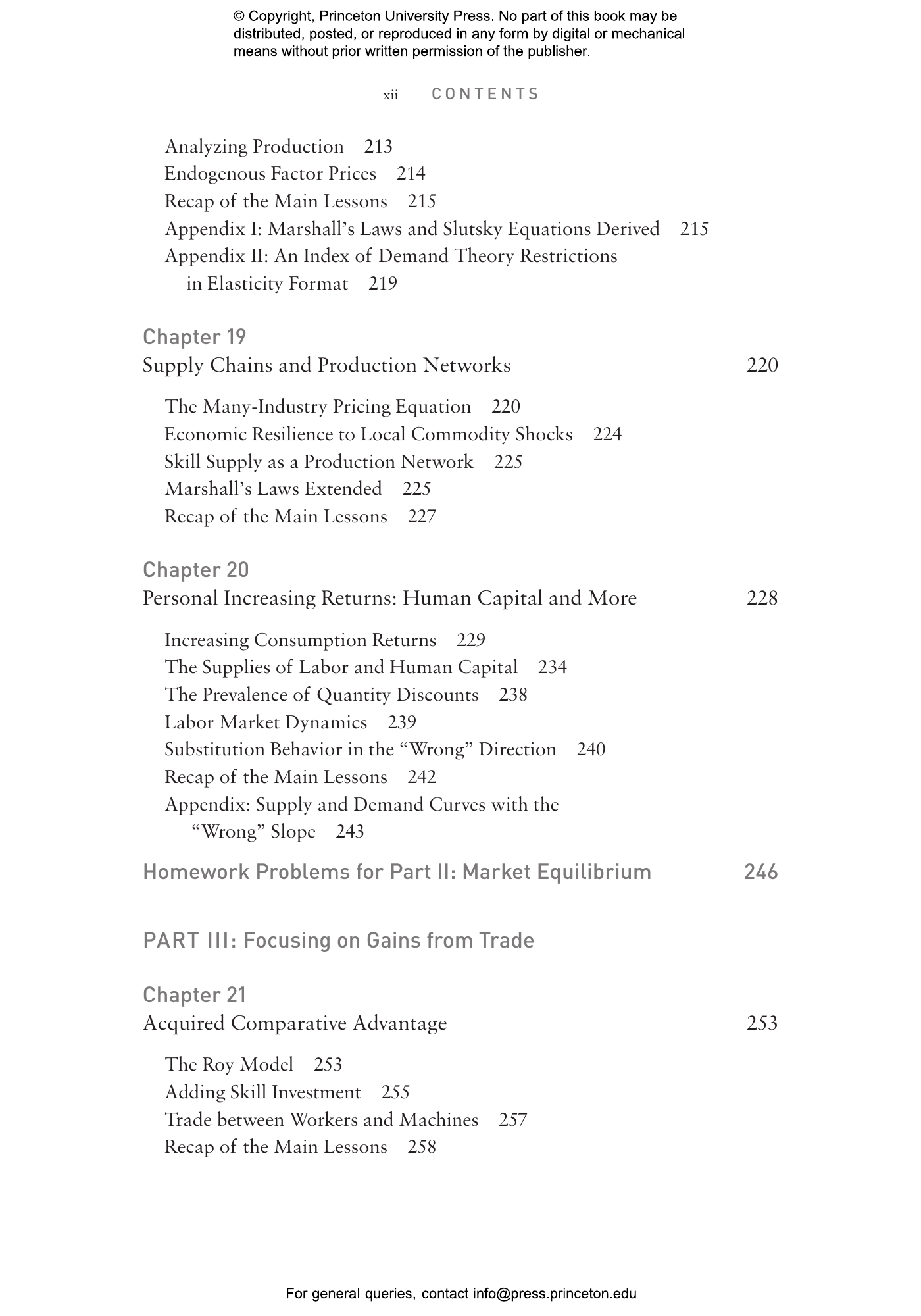
- Analyzing Production
- Endogenous Factor Prices
- Recap of the Main Lessons
- Appendix I: Marshall鈥檚 Laws and Slutsky Equations Derived
- Appendix II: An Index of Demand Theory Restrictions in Elasticity Format
- Chapter 19
- Supply Chains and Production Networks
- The Many-Industry Pricing Equation
- Economic Resilience to Local Commodity Shocks
- Skill Supply as a Production Network
- Marshall鈥檚 Laws Extended
- Recap of the Main Lessons
- Chapter 20
- Personal Increasing Returns: Human Capital and More
- Increasing Consumption Returns
- The Supplies of Labor and Human Capital
- The Prevalence of Quantity Discounts
- Labor Market Dynamics
- Substitution Behavior in the 鈥淲rong鈥� Direction
- Recap of the Main Lessons
- Appendix: Supply and Demand Curves with the 鈥淲rong鈥� Slope
- Homework Problems for Part II: Market Equilibrium
- PART III: Focusing on Gains from Trade
- Chapter 21
- Acquired Comparative Advantage
- The Roy Model
- Adding Skill Investment
- Trade between Workers and Machines
- Recap of the Main Lessons
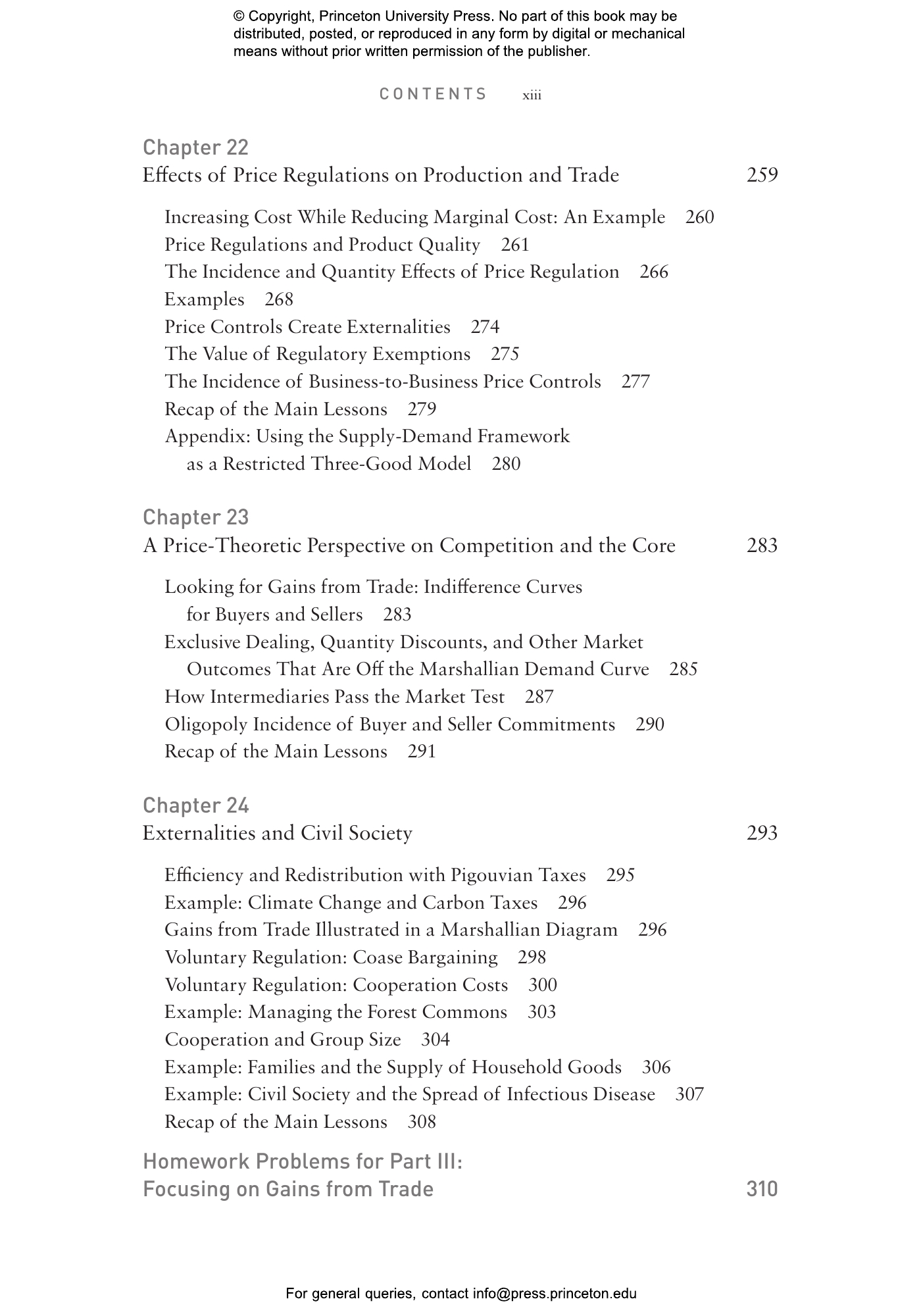
- Chapter 22
- Effects of Price Regulations on Production and Trade
- Increasing Cost While Reducing Marginal Cost: An Example
- Price Regulations and Product Quality
- The Incidence and Quantity Effects of Price Regulation
- Examples
- Price Controls Create Externalities
- The Value of Regulatory Exemptions
- The Incidence of Business-to-Business Price Controls
- Recap of the Main Lessons
- Appendix: Using the Supply-Demand Framework as a Restricted Three-Good Model
- Chapter 23
- A Price-Theoretic Perspective on Competition and the Core
- Looking for Gains from Trade: Indifference Curves for Buyers and Sellers
- Exclusive Dealing, Quantity Discounts, and Other Market Outcomes That Are Off the Marshallian Demand Curve
- How Intermediaries Pass the Market Test
- Oligopoly Incidence of Buyer and Seller Commitments
- Recap of the Main Lessons
- Chapter 24
- Externalities and Civil Society
- Efficiency and Redistribution with Pigouvian Taxes
- Example: Climate Change and Carbon Taxes
- Gains from Trade Illustrated in a Marshallian Diagram
- Voluntary Regulation: Coase Bargaining
- Voluntary Regulation: Cooperation Costs
- Example: Managing the Forest Commons
- Cooperation and Group Size
- Example: Families and the Supply of Household Goods
- Example: Civil Society and the Spread of Infectious Disease
- Recap of the Main Lessons
- Homework Problems for Part III: Focusing on Gains from Trade
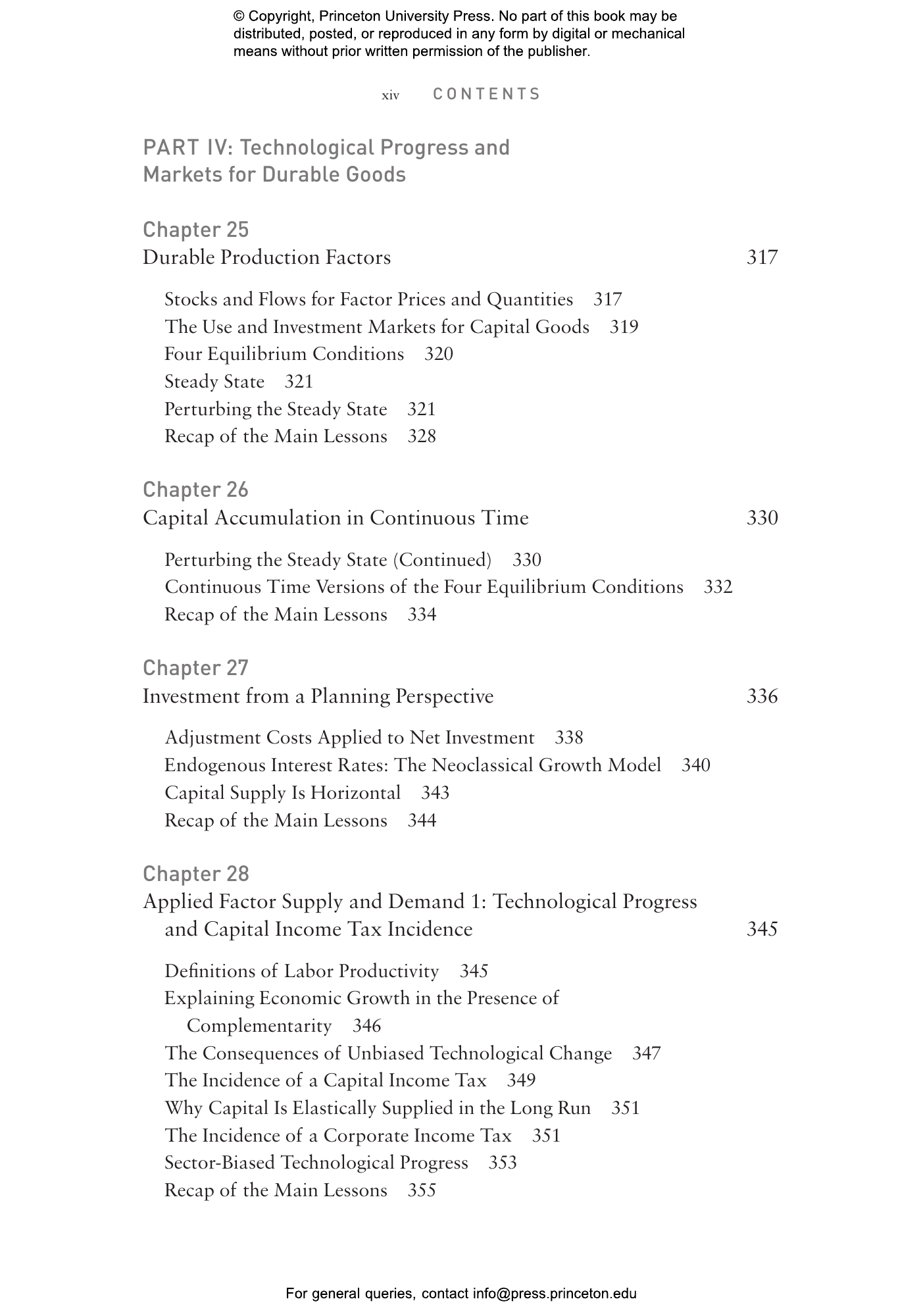
- PART IV: Technological Progress and Markets for Durable Goods
- Chapter 25
- Durable Production Factors
- Stocks and Flows for Factor Prices and Quantities
- The Use and Investment Markets for Capital Goods
- Four Equilibrium Conditions
- Steady State
- Perturbing the Steady State
- Recap of the Main Lessons
- Chapter 26
- Capital Accumulation in Continuous Time
- Perturbing the Steady State (Continued)
- Continuous Time Versions of the Four Equilibrium Conditions
- Recap of the Main Lessons
- Chapter 27
- Investment from a Planning Perspective
- Adjustment Costs Applied to Net Investment
- Endogenous Interest Rates: The Neoclassical Growth Model
- Capital Supply Is Horizontal
- Recap of the Main Lessons
- Chapter 28
- Applied Factor Supply and Demand 1: Technological Progress and Capital Income Tax Incidence
- Definitions of Labor Productivity
- Explaining Economic Growth in the Presence of Complementarity
- The Consequences of Unbiased Technological Change
- The Incidence of a Capital Income Tax
- Why Capital Is Elastically Supplied in the Long Run
- The Incidence of a Corporate Income Tax
- Sector-Biased Technological Progress
- Recap of the Main Lessons
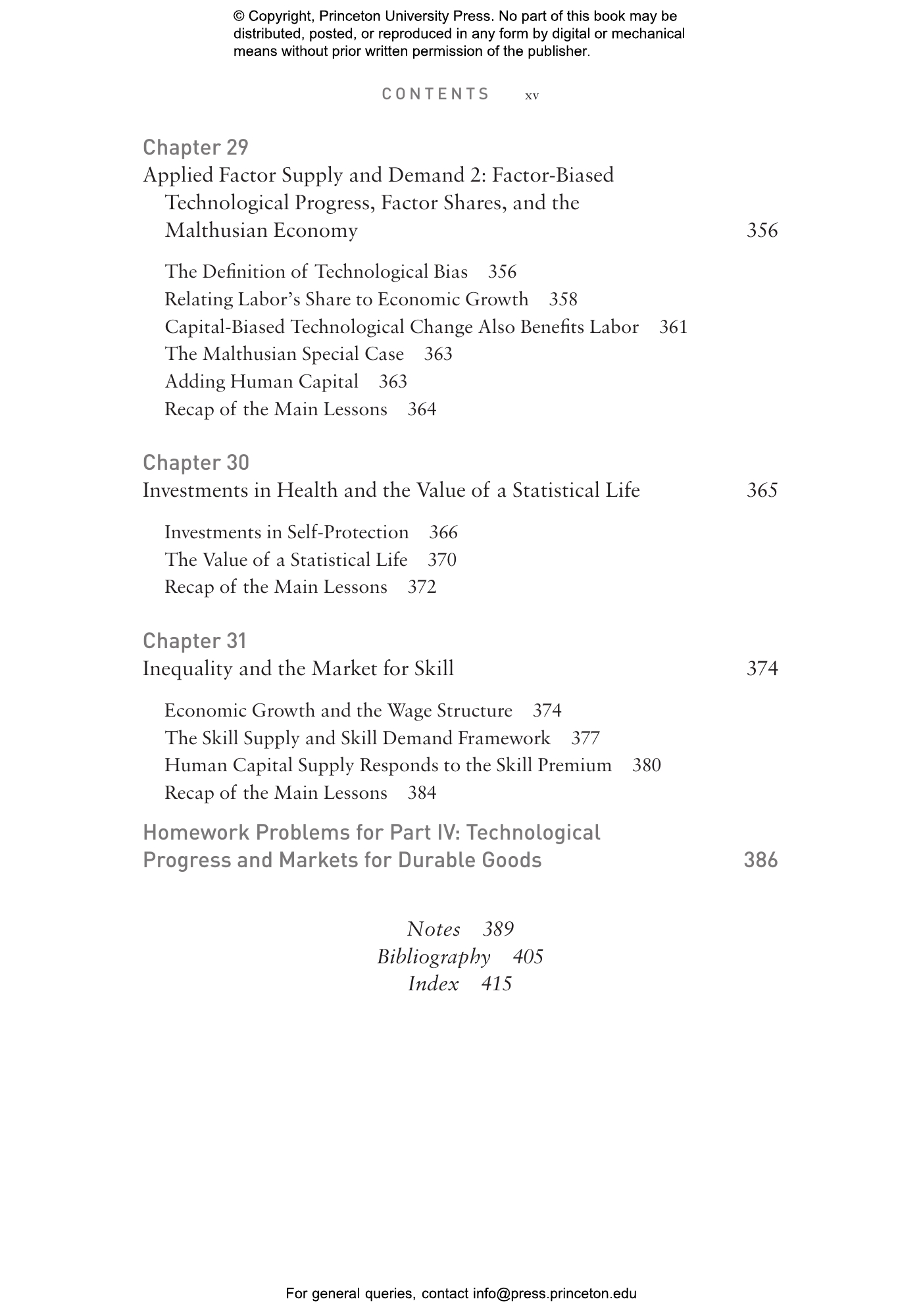
- Chapter 29
- Applied Factor Supply and Demand 2: Factor-Biased Technological Progress, Factor Shares, and the Malthusian Economy
- The Definition of Technological Bias
- Relating Labor鈥檚 Share to Economic Growth
- Capital-Biased Technological Change Also Benefits Labor
- The Malthusian Special Case
- Adding Human Capital
- Recap of the Main Lessons
- Chapter 30
- Investments in Health and the Value of a Statistical Life
- Investments in Self-Protection
- The Value of a Statistical Life
- Recap of the Main Lessons
- Chapter 31
- Inequality and the Market for Skill
- Economic Growth and the Wage Structure
- The Skill Supply and Skill Demand Framework
- Human Capital Supply Responds to the Skill Premium
- Recap of the Main Lessons
- Homework Problems for Part IV: Technological Progress and Markets for Durable Goods
- Notes
- Bibliography
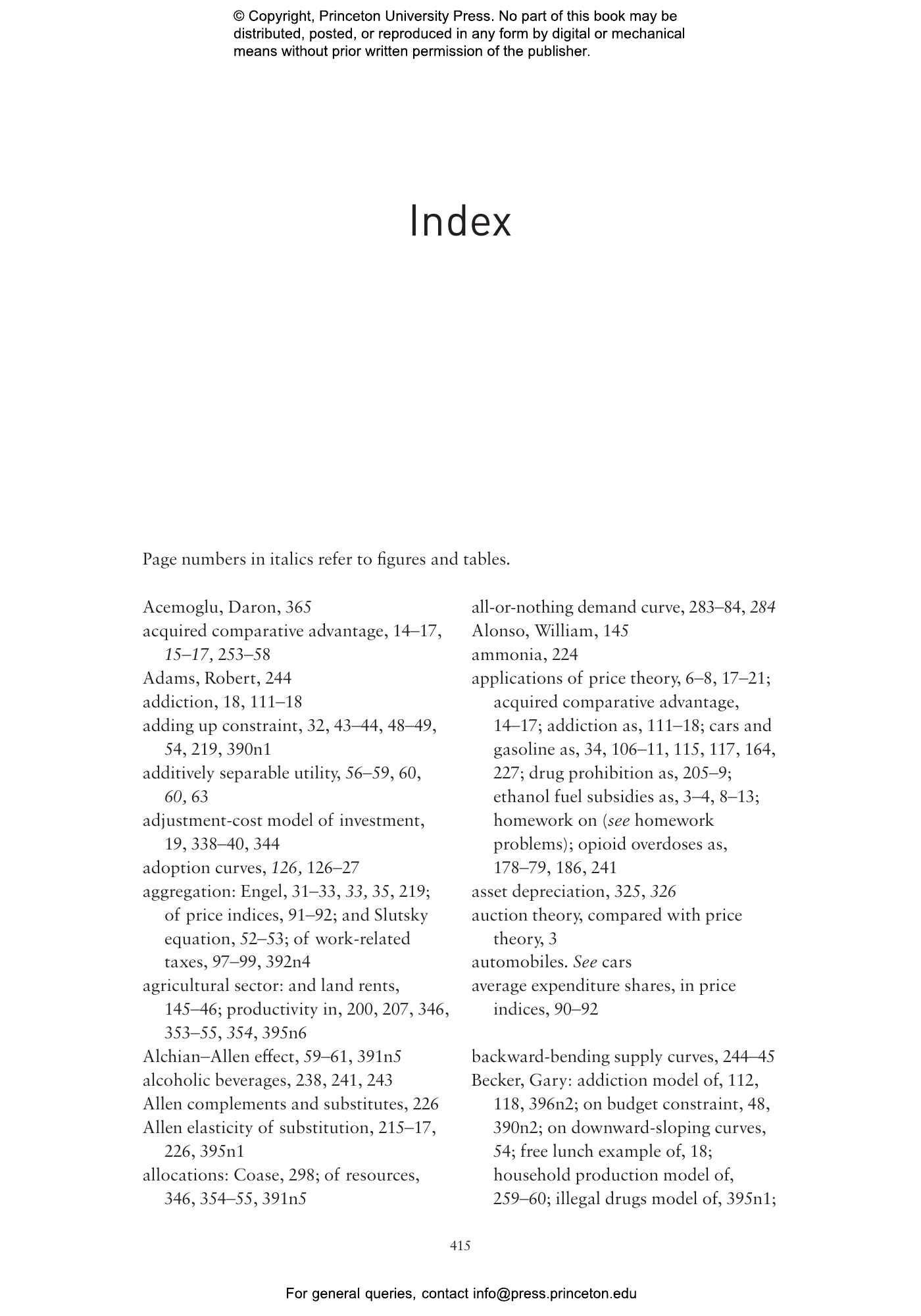
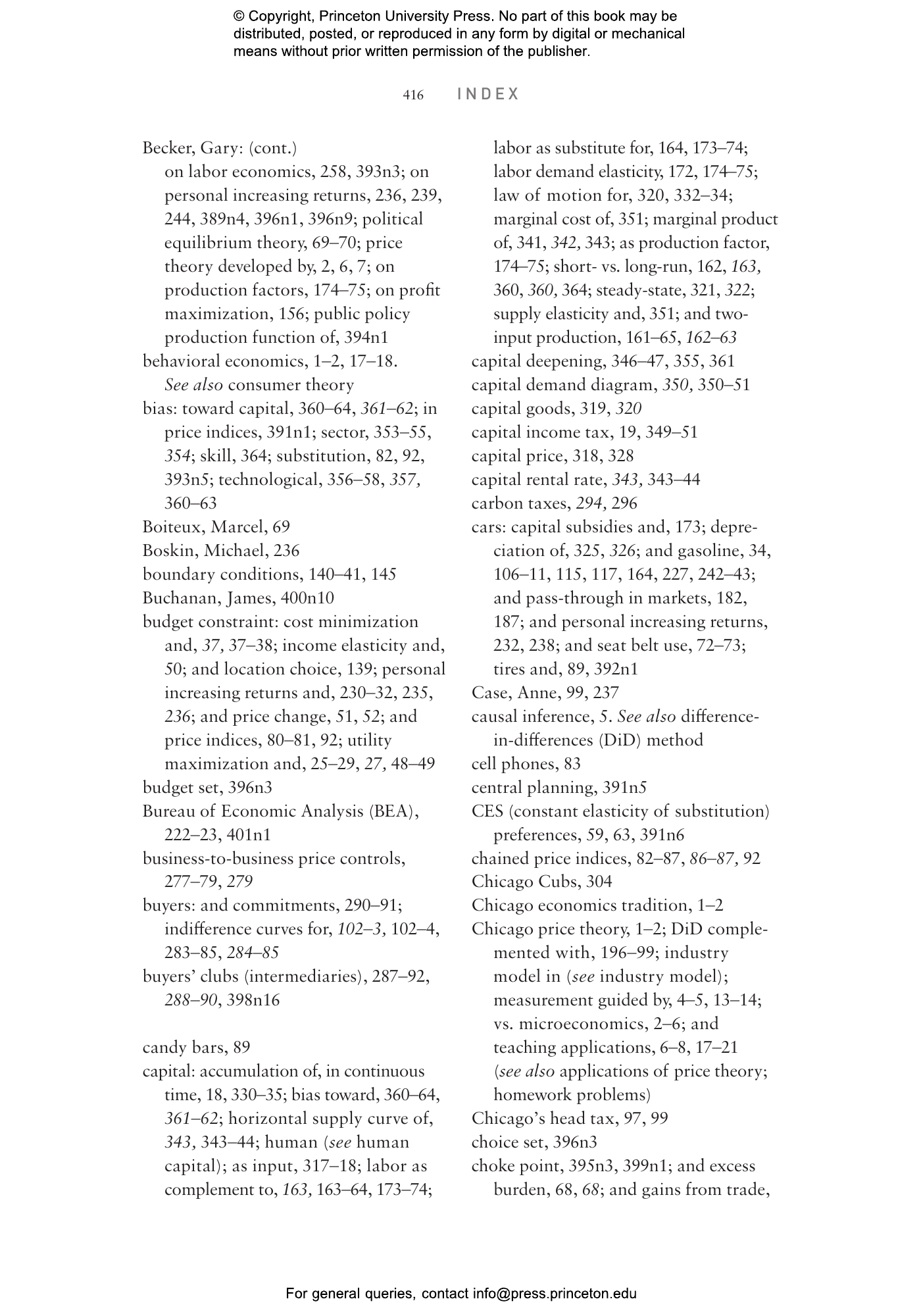
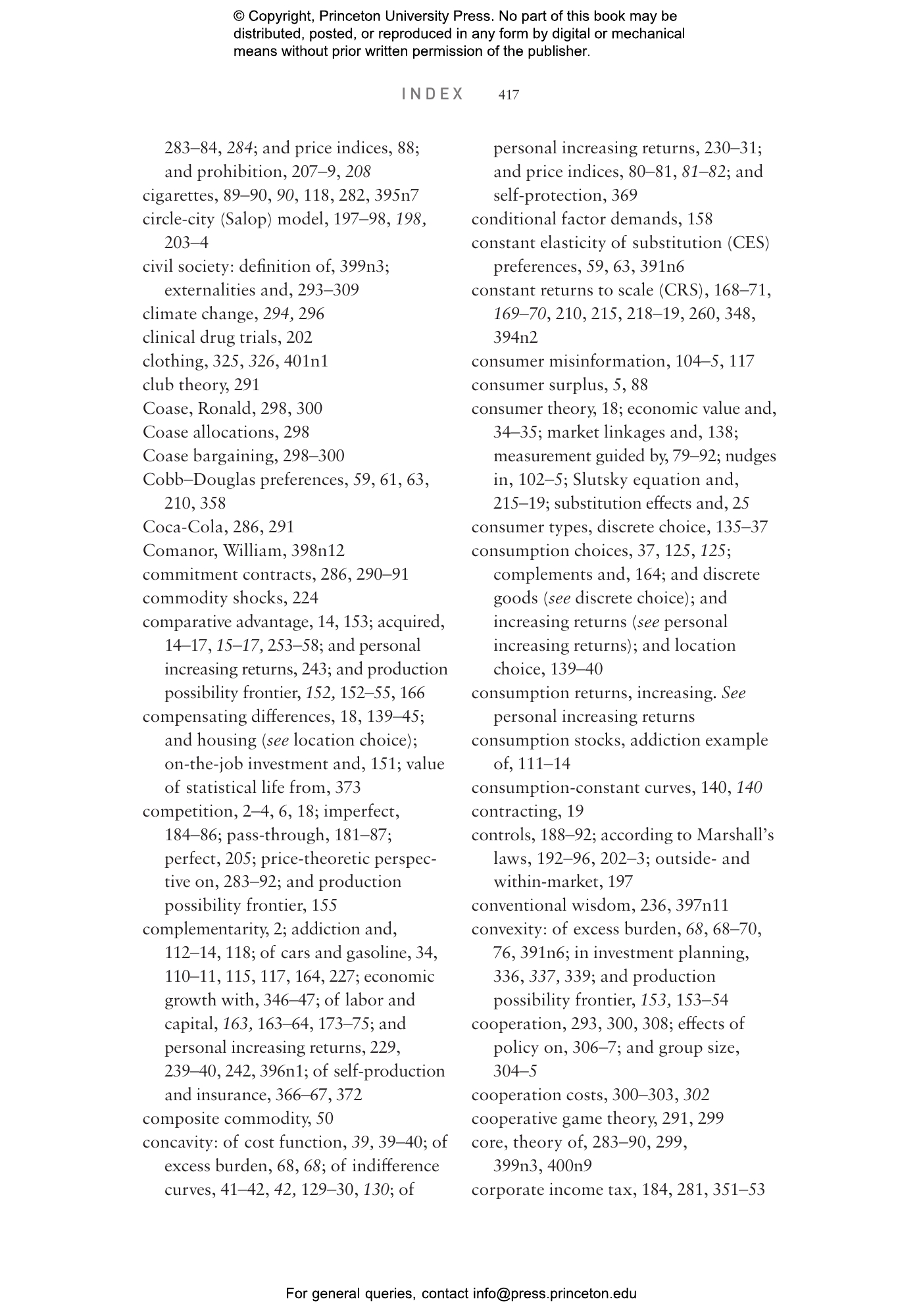
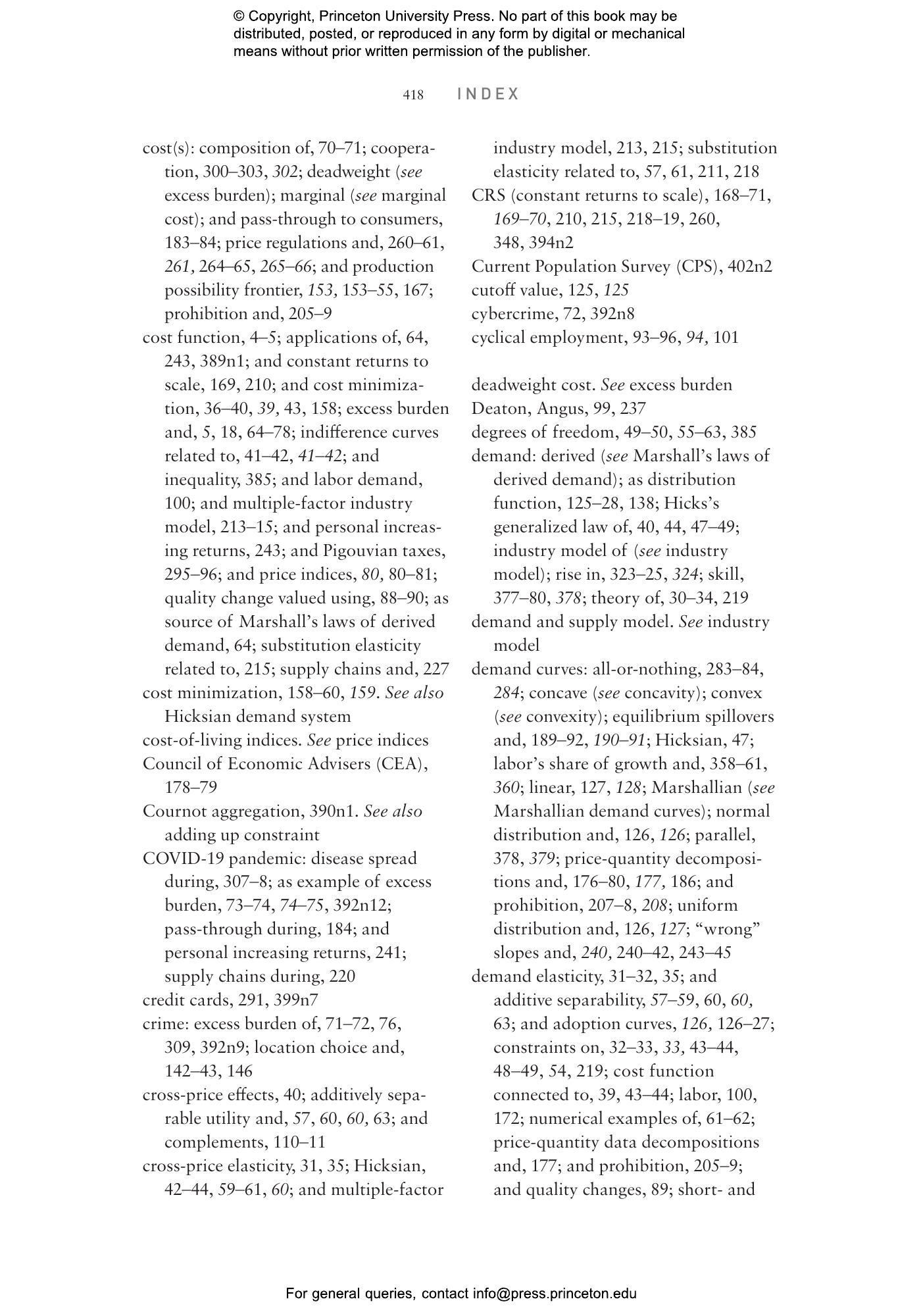
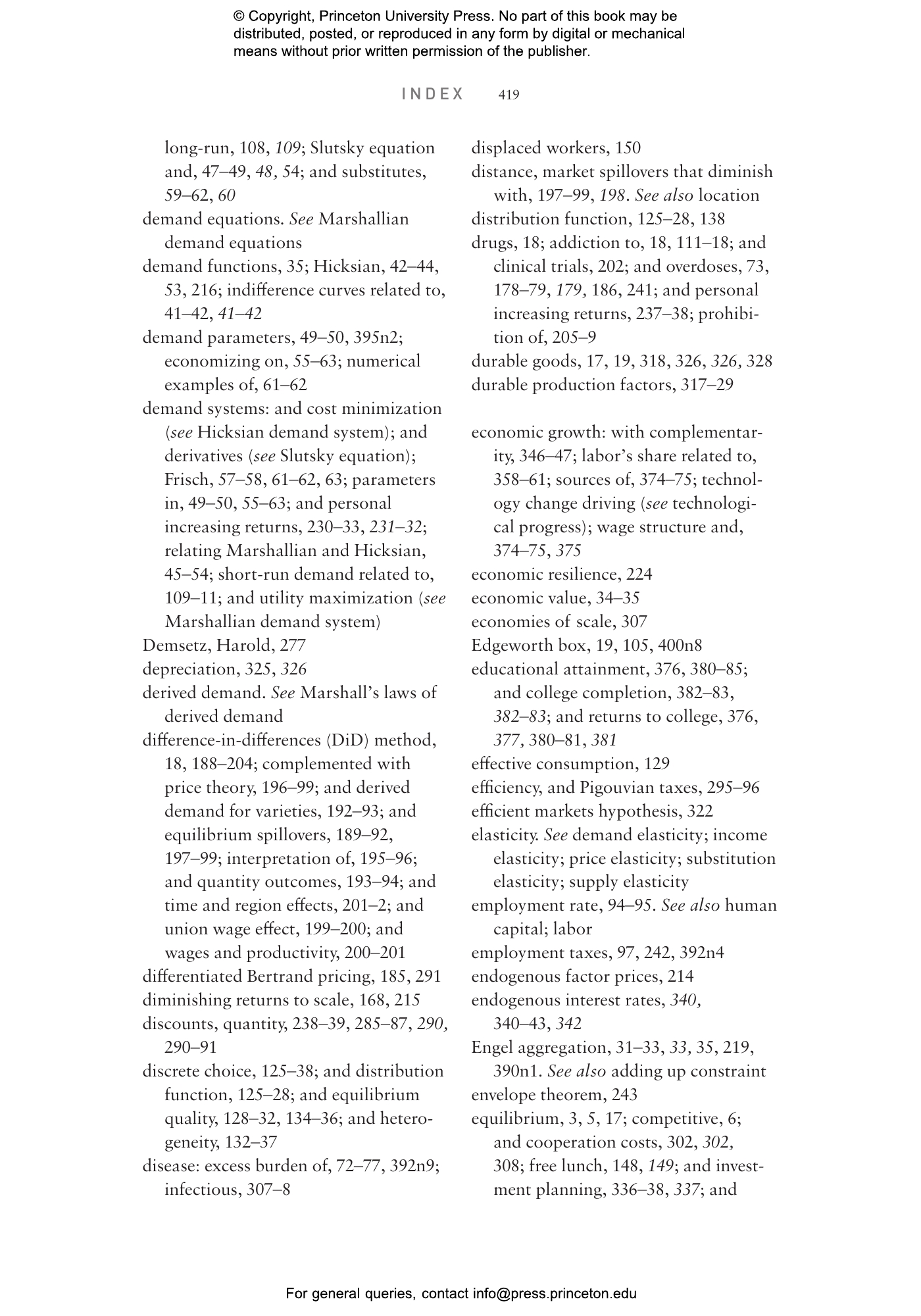
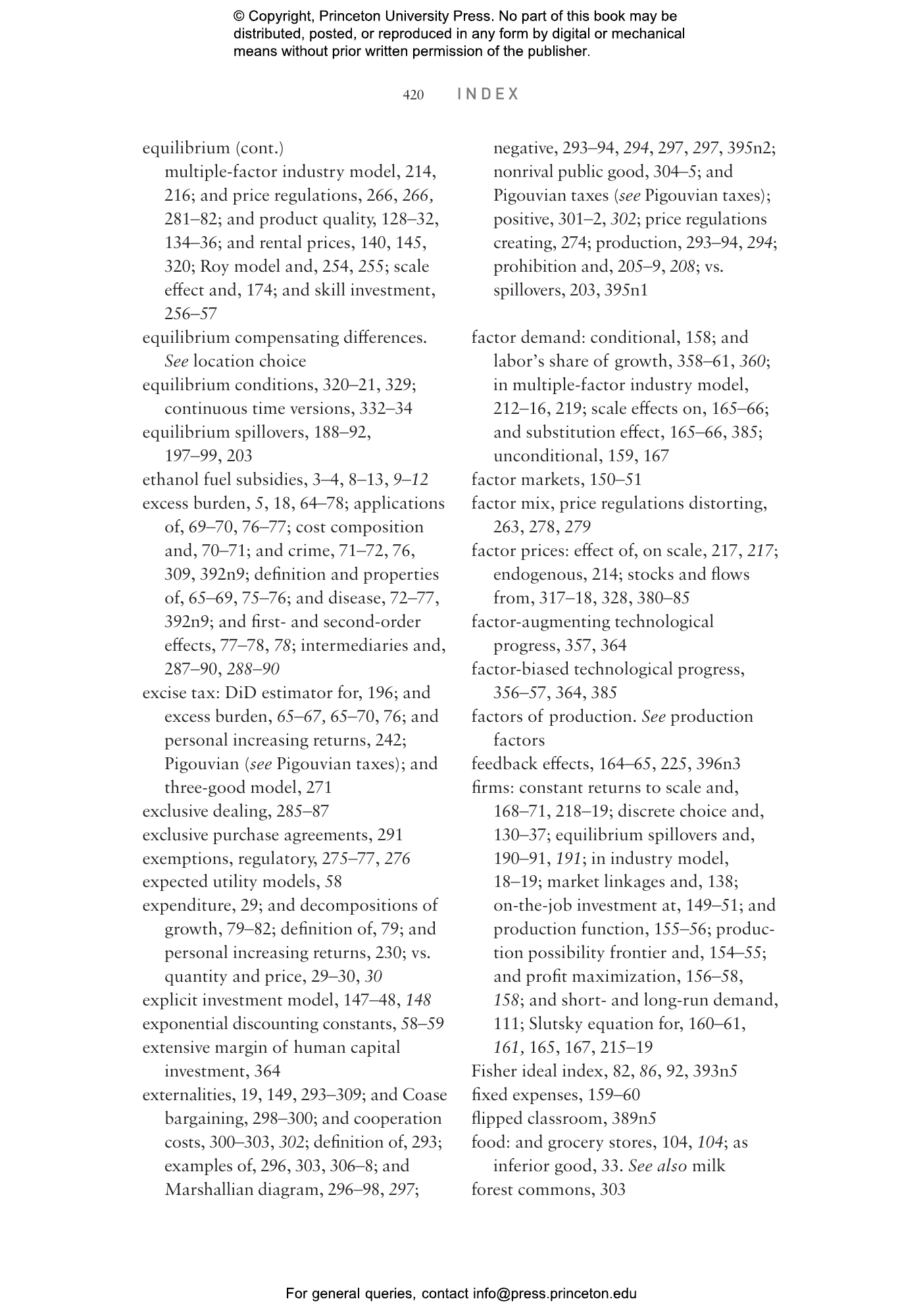
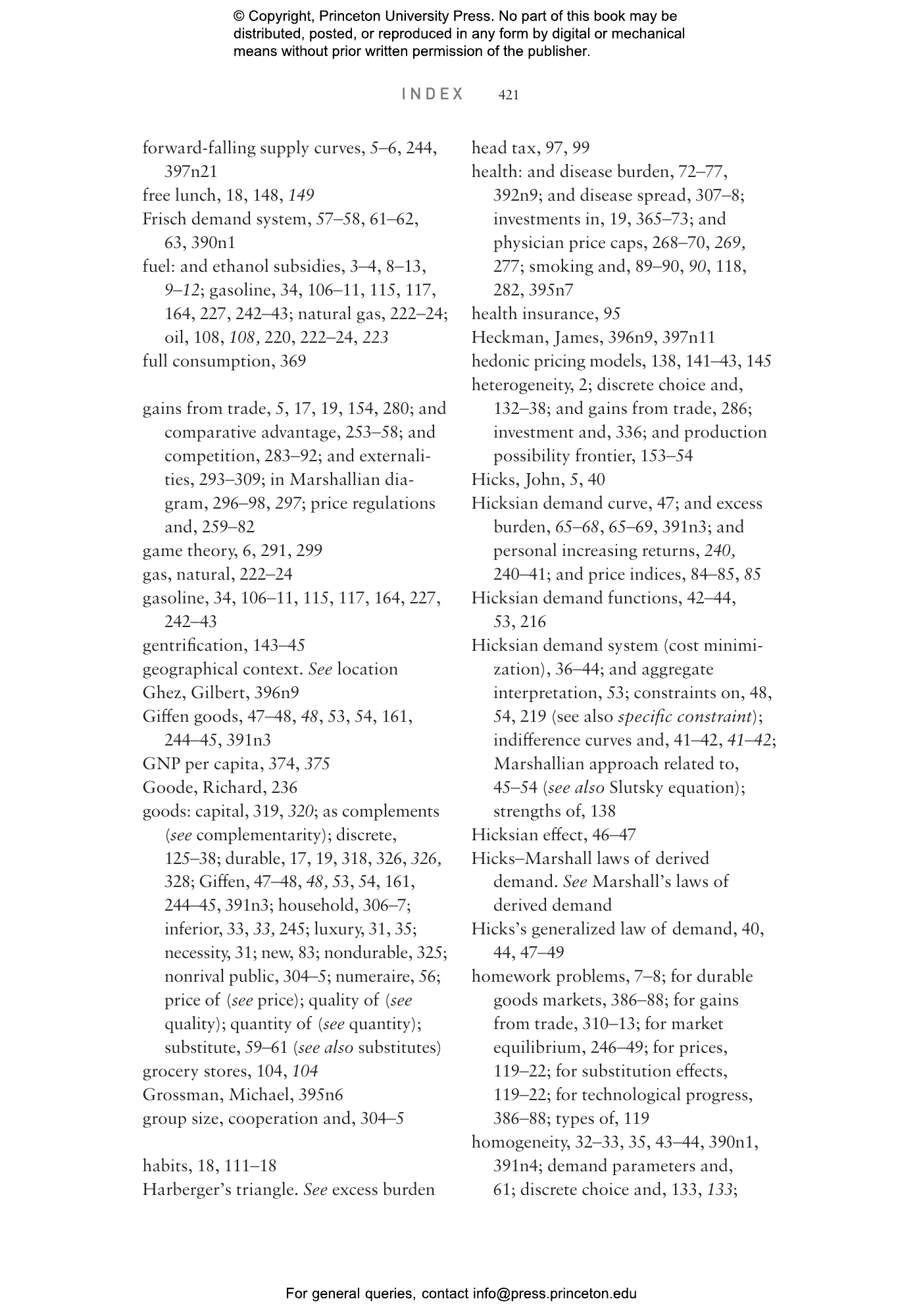
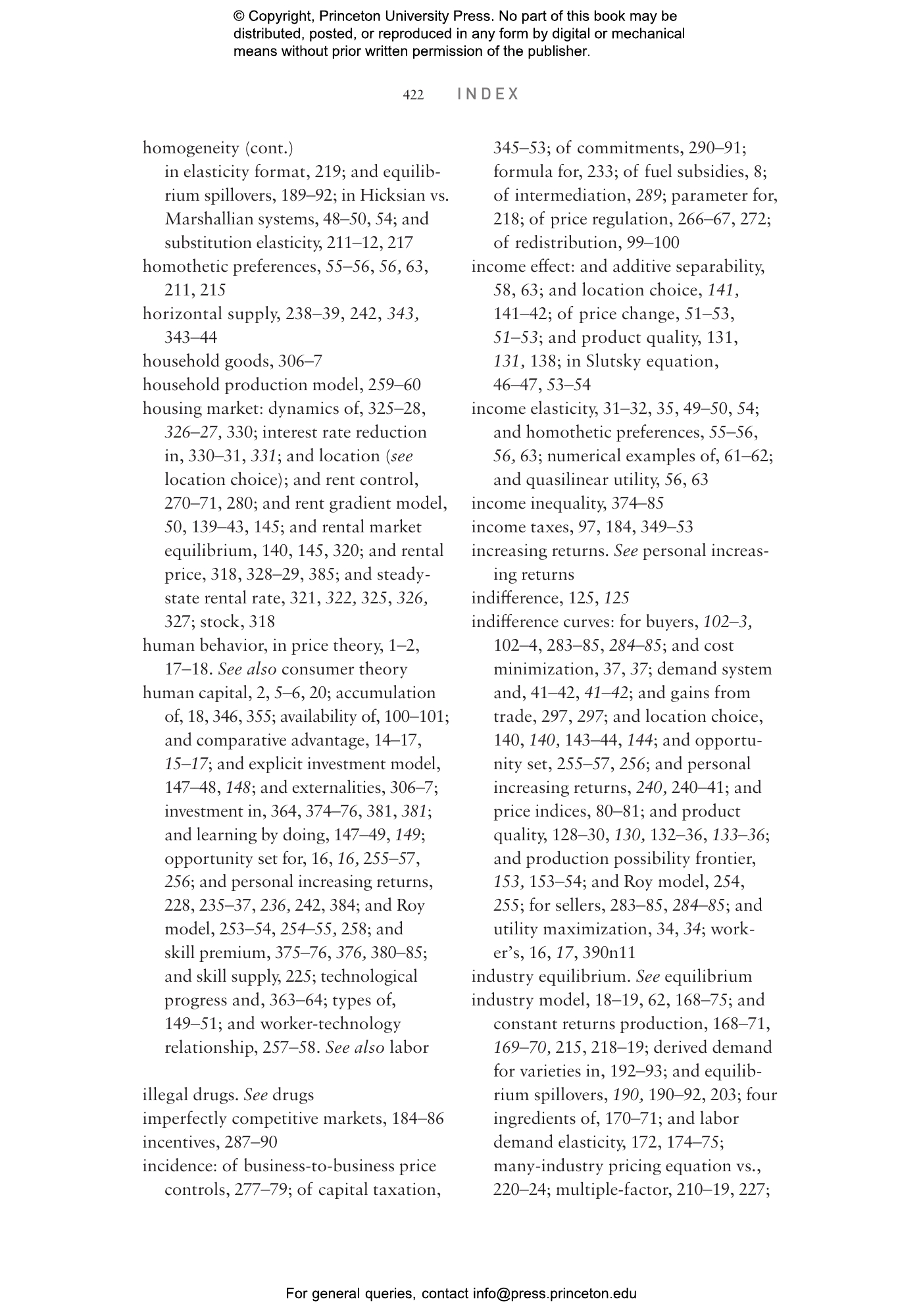
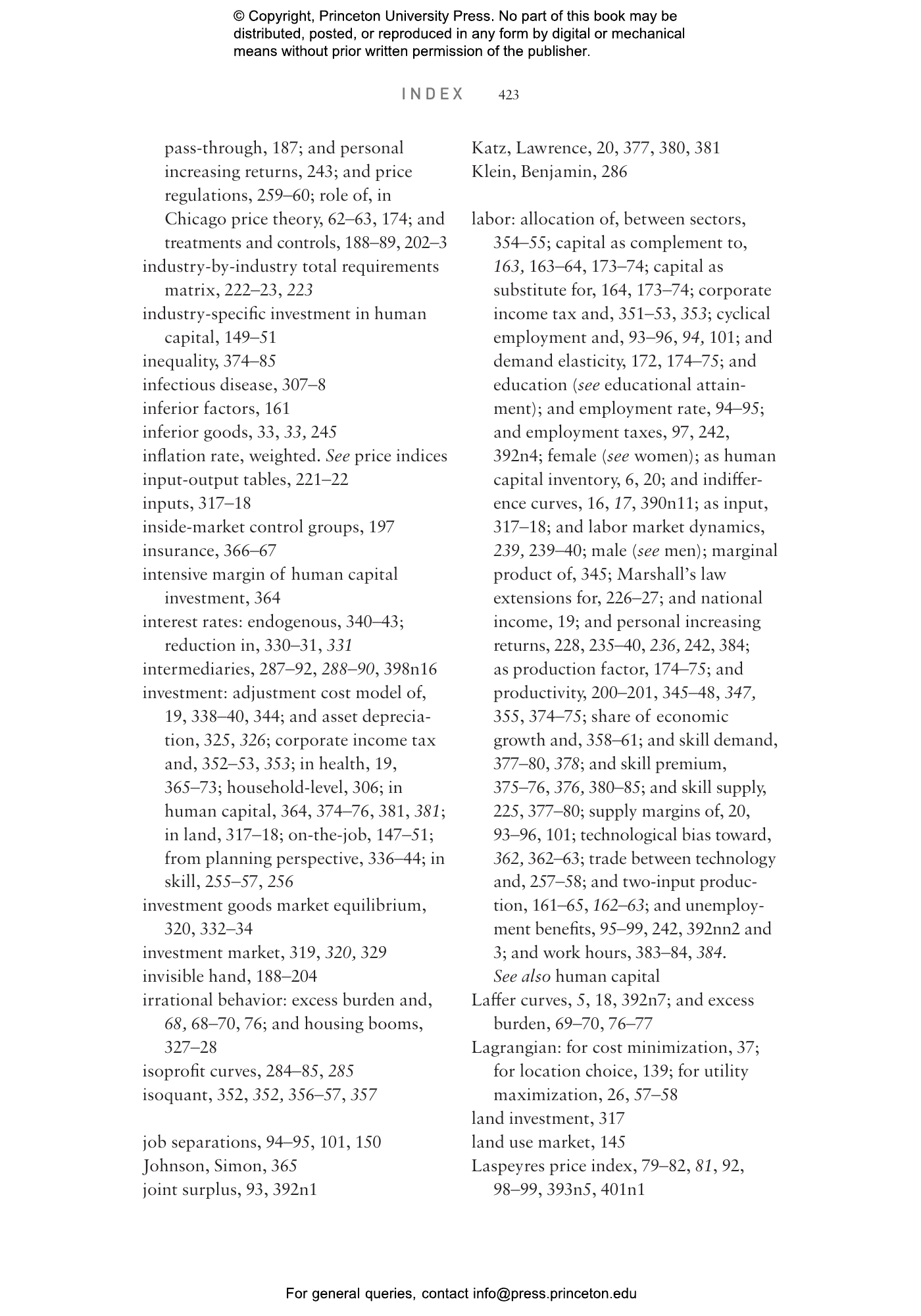
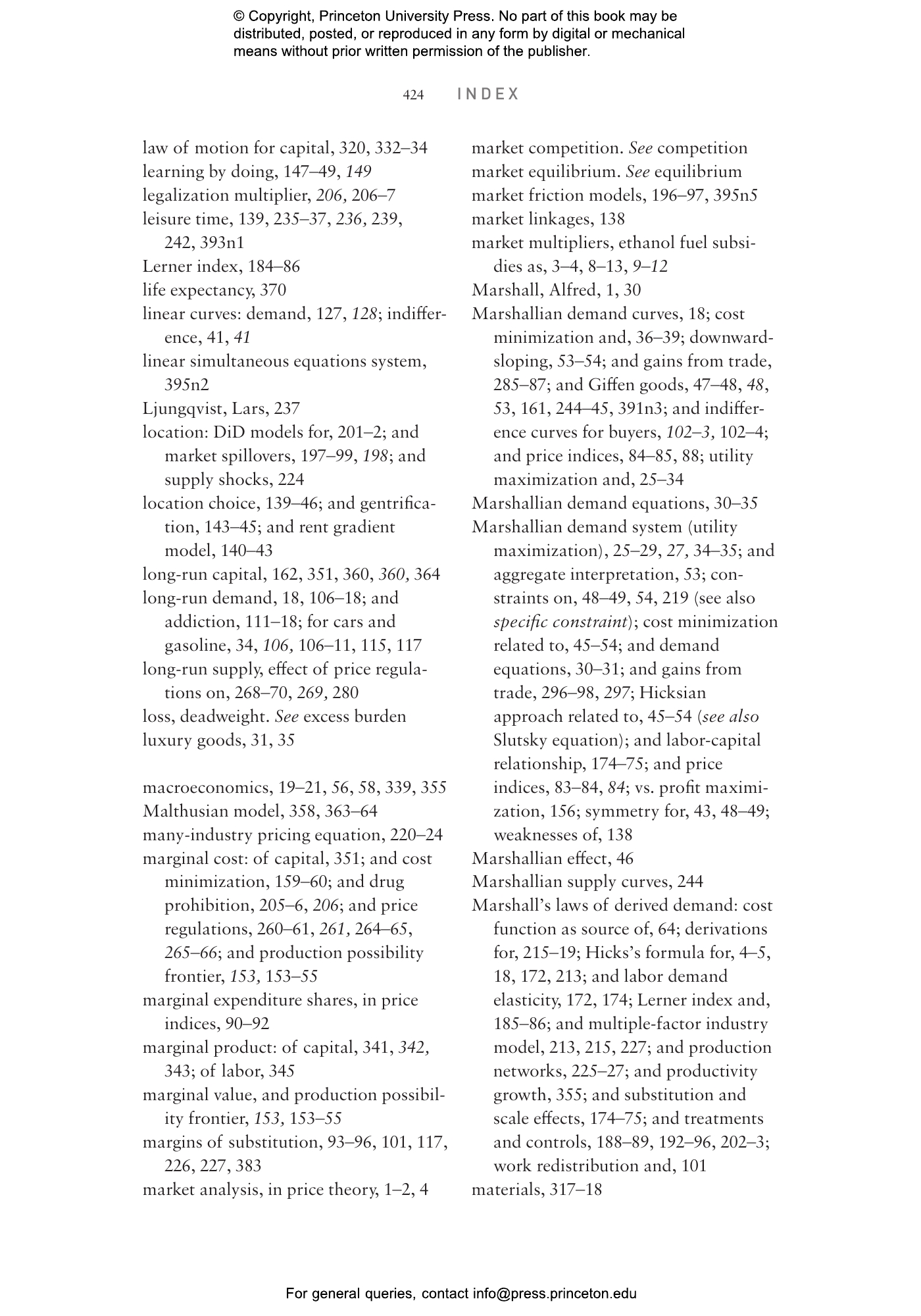
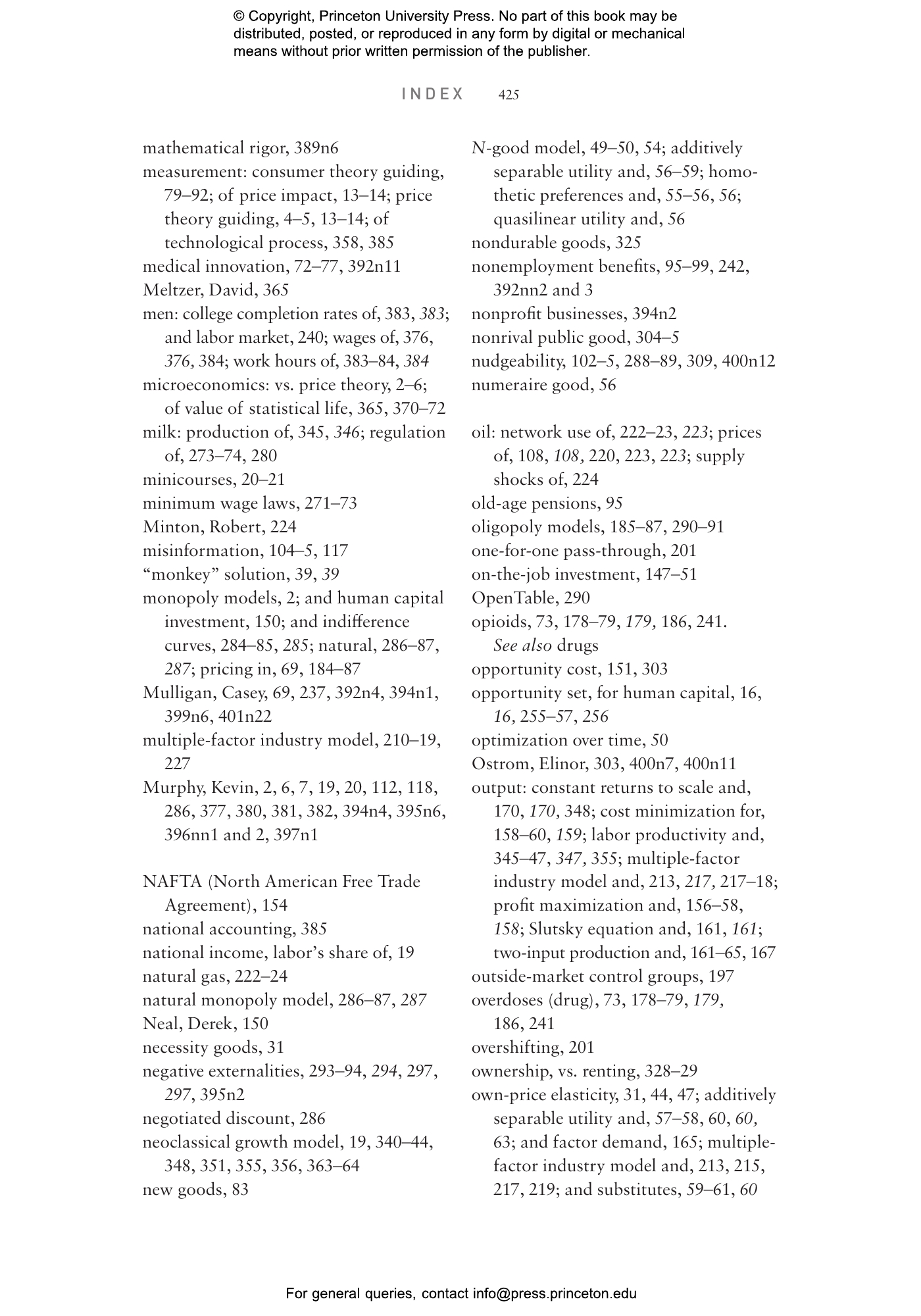
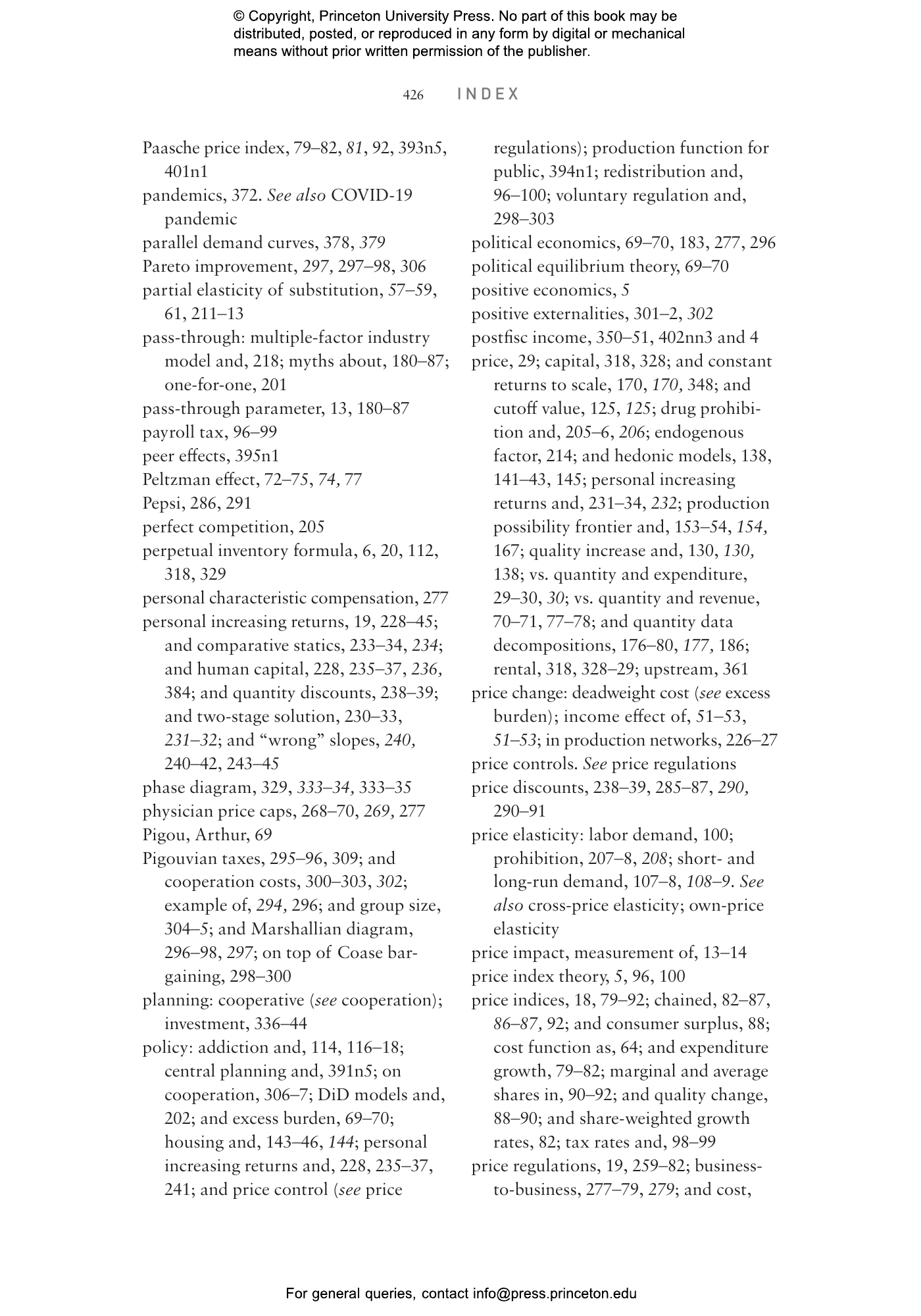
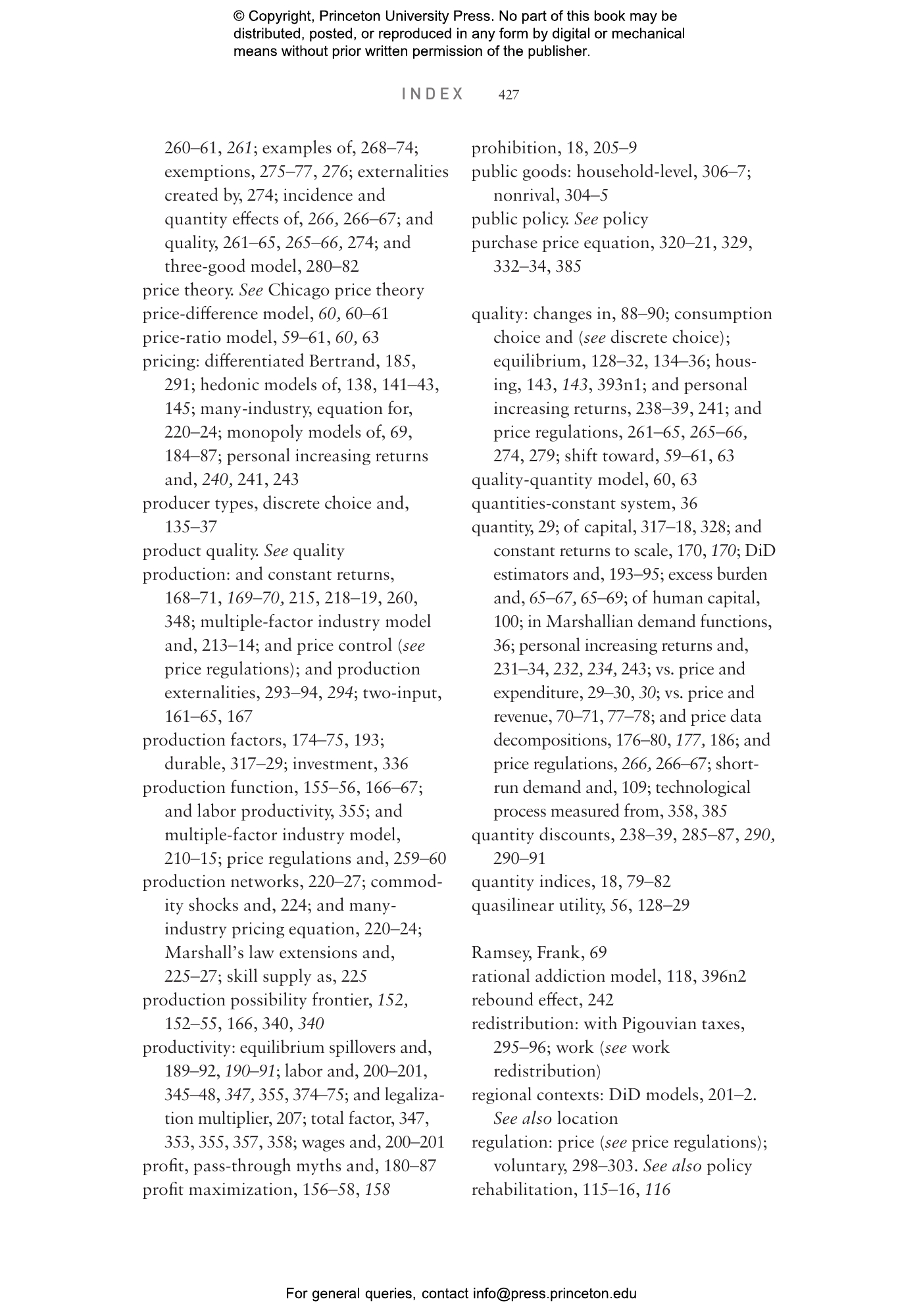
- Index
"A tremendous resource. This comprehensive and innovative book brings together in one great package the Chicago way of thinking about price theory."—Douglas A. Irwin, author of Free Trade Under Fire
“This excellent book captures the essence of the University of Chicago’s unique approach to economics education. It uses many modern examples to demonstrate that price theory is a powerful tool for understanding human behavior.”—Matthew E. Kahn, Johns Hopkins University